
Imagine sitting at your dining table, staring at a plate of steaming hot white rice or a soft roti, feeling a sense of dread instead of hunger. You’ve just received news that your blood sugar levels are climbing, and suddenly, every bite feels like a gamble. I know it’s hard to find time to overhaul your life, but starting a 7-day diet plan for diabetic patients can turn that anxiety into a clear, manageable path toward feeling like yourself again.
To stabilize blood sugar, a 7-day diet plan for diabetic patients focuses on replacing refined grains with high-fiber millets like Ragi or Jowar, incorporating lean proteins like Moong Dal and Paneer, and doubling the intake of non-starchy vegetables. By spreading 30-60g of complex carbs across three meals and using 15g carb snacks, you can prevent spikes and maintain steady energy.
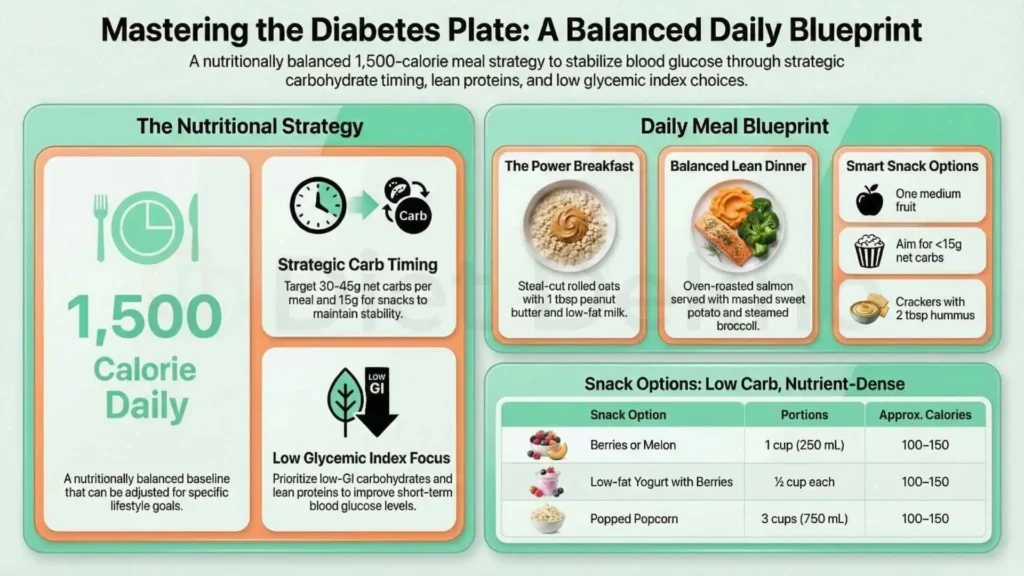
The Growing Metabolic Crisis in India: Why Your Diet Matters Now
Table of Contents
- 1 The Growing Metabolic Crisis in India: Why Your Diet Matters Now
- 2 The Superfood Arsenal: Embracing Millets and Traditional Wisdom
- 3 Core Principles of the DietDekho Method
- 4 Day 1: Starting with Strength and Fiber
- 5 Day 2: Protein Power and Insulin Sensitivity
- 6 Day 3: Embracing the Ancient Grains (Millets)
- 7 Day 4: Mid-Week Reset with Hydration and Seeds
- 8 Day 5: Regional Delights and Smart Swaps
- 9 Day 6: Weekend Preparation and Consistency
- 10 Day 7: The Final Stretch and Long-term Planning
- 11 The Professional’s Survival Guide: Eating at the Office
- 12 The Homemaker’s Kitchen Guide: Meal Prep Hacks
- 13 Movement and Stress: The Invisible Factors
- 14 Frequently Asked Questions (FAQs)
- 15 Conclusion: Your Path Forward
- 16 Contact Us
- 17 Disclaimer
We are currently living through what experts call a silent epidemic. If you feel overwhelmed by your diagnosis, please know you are not alone in this struggle. According to the International Diabetes Federation (IDF) 2025 reports, roughly 89.8 million Indian adults are currently living with diabetes. This means India has the second-largest number of cases globally, and what’s more concerning is that one in seven adults with diabetes worldwide is Indian.

What this means for your daily routine is that we can no longer rely on the high-carb, low-fiber habits that have become common in urban life. A study published in The Lancet estimated that over 212 million adults in our country were living with diabetes in 2022, and nearly 43% of them didn’t even know they had it until complications started. This gap between diagnosis and awareness is why having a structured 7-day diet plan for diabetic patients is so critical for your long-term health.
The Paradox of the Thin-Fat Indian Body
You might look at yourself in the mirror and think, I’m not a heavier person, so why is my sugar high? This is a very common question I hear from clients. Dr. Shashank Joshi, a leading endocrinologist, explains that many Indians fall into the thin-fat category. We may appear slim on the outside but carry a high amount of visceral fat around our internal organs, particularly in the stomach.
This unique body type is a result of our ancestors living through famines, which led to a thrifty genotype that stores fat even when we eat moderately. Even if your BMI is normal, this hidden fat triggers insulin resistance, making your body struggle to process the carbohydrates in your favorite meals. What this means for your kitchen is that we have to be smarter about the quality of carbs we choose, rather than just cutting calories.

Understanding the Role of Insulin and Glucose
To manage your condition effectively, we need to demystify how your body uses fuel. When you eat carbohydrates, your body breaks them down into glucose (sugar) which enters the bloodstream. Insulin acts like a key that opens your cells to let that sugar in for energy. In Type 2 diabetes, either your keys don’t work well (insulin resistance) or you don’t have enough of them.
When sugar stays in your blood instead of entering your cells, it can cause damage to your heart, kidneys, and nerves over time. This is why a 7-day diet plan for diabetic patients is built around low Glycemic Index (GI) foods. These are foods that break down slowly, releasing sugar into your blood in a gentle stream rather than a sudden flood. By choosing these foods, you give your body a much-needed break from the constant stress of high sugar levels.
| Metric | Estimated Indian Impact (2024-2025) | Source |
| Total Adults with Diabetes | 90 Million (Diagnosed) | N/A |
| Undiagnosed Rate | 43% of cases | N/A |
| Prevalence in Adults | 10.5% | N/A |
| Projected Cases (2050) | 156.7 Million | N/A |

The Superfood Arsenal: Embracing Millets and Traditional Wisdom
Let’s simplify your grocery list. One of the best ways to fight diabetes is to return to the ancient food wisdom of our grandparents. Before polished white rice and refined wheat (maida) took over our plates, India relied on Shree Anna or millets. These small, humble grains are nutritional powerhouses that can significantly improve your insulin sensitivity.
Millets like Ragi (Finger Millet), Jowar (Sorghum), and Bajra (Pearl Millet) are naturally gluten-free and packed with fiber, protein, and essential minerals. Fiber is your best friend when managing diabetes because it acts like a sponge, slowing down the absorption of sugar and keeping you full for longer. This is particularly helpful for busy professionals who don’t have time for frequent mid-day snacks.
A Closer Look at the Top Diabetic-Friendly Millets
I know it might seem strange to replace your daily rice or wheat, but once you taste a well-made Jowar bhakri or Ragi dosa, you’ll realize health doesn’t have to be bland. Each millet offers unique benefits for your daily routine:
- Ragi (Finger Millet): This grain is an incredible source of calcium for your bones. It has a GI of 50–68 and is excellent for breakfast porridges or idlis.
- Jowar (Sorghum): Rich in protein and antioxidants, Jowar helps reduce cholesterol. It has a GI of about 50, making it a stable choice for rotis.
- Bajra (Pearl Millet): High in iron and fiber, Bajra is particularly warming and great for winter months. Its GI ranges from 44–55.
- Foxtail and Barnyard Millets: These are lighter grains that are perfect for making rice-style dishes or khichdi. They are specifically noted for balancing the Kapha dosha in Ayurveda, which helps with weight management.
The Vital Role of Pulses and Legumes
In an Indian vegetarian household, pulses (dals) are the primary source of protein. Protein is a key stabilizer of blood sugar because it slows down the digestion of carbohydrates. For an effective 7-day diet plan for diabetic patients, you should aim to include at least one serving of dal or legumes in every major meal.
| Pulse / Legume | Glycemic Index (GI) | Primary Benefit |
| Moong Dal (Yellow/Green) | 31 | Very easy to digest; great for light dinners |
| Chana Dal (Bengal Gram) | 28 | Keeps you full for hours; high in protein |
| Rajma (Kidney Beans) | Low | High in fiber and potassium |
| Black Urad Dal | 43 | Prevents post-meal sugar spikes |
I recommend incorporating sprouts into your routine as well. Sprouting increases the vitamin content and makes the minerals more available for your body to absorb. A simple bowl of moong sprouts with lemon and salt can be a life-saver when you’re hit with a 4 PM hunger pang at the office.

Core Principles of the DietDekho Method
Before we dive into the day-by-day plan, I want to share the three Golden Rules that make any diet plan actually work for a busy Indian lifestyle. You don’t need a PhD in nutrition to follow these; you just need a little bit of mindfulness.
1. The Plate Method: Your Visual Guide
Forget about measuring cups for a moment. Instead, look at your plate. At every lunch and dinner, try to follow this simple breakdown from Harvard Health: fill half your plate with non-starchy vegetables like spinach, cauliflower, or bhindi. Fill one-quarter with a lean protein like dal, paneer, or grilled fish. The remaining quarter is for your high-quality carbs, such as a millet roti or a small portion of brown rice.
This method ensures you get the volume you need to feel satisfied without overloading on the grains that spike your sugar. It’s a practical step you can take whether you’re at home or at a wedding function. If you’re eating out, just ask for an extra side of veggies and eat them first; the fiber will create a buffer for the carbs that follow.
2. Strategic Meal Timing and Spacing
Long gaps between meals can cause your sugar to drop too low, which often leads to overeating at your next meal. On the other hand, constant grazing keeps your insulin levels high all day. I suggest eating three main meals and two small snacks at regular intervals.
Consistency is the key here. Try to eat your breakfast, lunch, and dinner at roughly the same time every day. This helps your body predict when energy is coming and regulates your natural insulin response. If you have a late-night work call, keep a small snack like 5-6 almonds nearby so you don’t reach for a biscuit.
3. Smart Hydration Habits
What you drink is just as important as what you eat. Many of us don’t realize that our morning tea with two teaspoons of sugar or that healthy tetra-pack fruit juice is causing a massive glucose spike. I know it’s hard to give up your sweetened chai, but switching to unsweetened tea or coffee can make a huge difference in your HbA1c levels.
Water is your absolute best friend. Aim for 8-10 glasses a day to help your kidneys flush out any excess sugar. If plain water feels boring, try infusing it with cucumber, mint, or a slice of lemon. For a refreshing desi option, plain buttermilk (chaas) with roasted cumin is perfect; it’s hydrating, rich in probiotics, and has almost no impact on your sugar.

Day 1: Starting with Strength and Fiber
The first day of your 7-day diet plan for diabetic patients is all about setting the tone. We want to focus on high-fiber foods that keep your energy stable from morning to night.
- Early Morning (6:30 AM): Start with a glass of warm water and a teaspoon of soaked fenugreek (methi) seeds. These seeds are famous in Indian households for helping improve insulin sensitivity over time.
- Breakfast (8:30 AM): A bowl of vegetable oats porridge made with plenty of carrots, beans, and a tablespoon of ground flaxseeds. Flaxseeds provide Omega-3 fats which are great for your heart health.
- Mid-Morning (11:00 AM): One medium guava. Guavas are high in fiber and low on the GI scale, making them a perfect snack for weight management.
- Lunch (1:30 PM): Two whole wheat or multigrain rotis with a bowl of mixed vegetable sabzi (like cauliflower and peas) and a small bowl of fresh curd.
- Evening (4:30 PM): A small handful of roasted chana (Bengal gram). This is a fantastic crunchy snack that won’t spike your sugar.
- Dinner (8:00 PM): A bowl of yellow moong dal with a large side of sautéed spinach (palak). Keep the oil to a minimum use just enough for a healthy tadka.
- Bedtime (10:00 PM): A small glass of warm turmeric milk without sugar.
Why Day 1 Works for You
The high fiber from the oats, methi seeds, and vegetables ensures that you don’t experience that typical 3 PM energy crash. If you’re a busy professional, you can easily carry the roasted chana in your bag for a quick snack between meetings. For homemakers, the moong dal and palak are kitchen staples that take less than 20 minutes to prepare.
Day 2: Protein Power and Insulin Sensitivity
On the second day, we shift our focus toward increasing your protein intake. Protein is vital because it helps preserve muscle mass, which is where most of your glucose is actually used for energy.
- Early Morning (6:30 AM): Five soaked almonds and a glass of plain water.
- Breakfast (8:30 AM): Two Moong Dal Chillas (savory pancakes) stuffed with finely chopped onions and coriander, served with mint chutney.
- Mid-Morning (11:00 AM): One small apple. Remember to eat the skin, as that’s where most of the fiber lives.
- Lunch (1:30 PM): A small portion (1 cup) of brown rice with a bowl of rajma (kidney beans) and a large cucumber-tomato salad.
- Evening (4:30 PM): A glass of plain buttermilk (chaas) with a pinch of roasted cumin and ginger.
- Dinner (8:00 PM): 100g of stir-fried paneer or tofu with bell peppers, broccoli, and a dash of black pepper.
- Bedtime (10:00 PM): A few sips of warm water or herbal tea if you’re still feeling restless.
Managing the Rice Cravings
I know many of us feel that a meal isn’t complete without rice. What this means for your daily routine is that we don’t have to eliminate it, but we must choose the right type. Brown rice or hand-pounded rice has a much lower GI than white polished rice. By pairing it with a protein-heavy dish like rajma and a large salad, you significantly lower the overall Glycemic Load of your lunch.
Day 3: Embracing the Ancient Grains (Millets)
Today is your introduction to Jowar (Sorghum). It’s one of the most versatile millets and makes for a delicious, hearty lunch that will keep you satisfied until dinner.
- Early Morning (6:30 AM): A glass of warm lemon water (no sugar/honey).
- Breakfast (8:30 AM): Vegetable Poha. Use thick poha and load it with peanuts, peas, and carrots to bring down the GI.
- Mid-Morning (11:00 AM): A small bowl of papaya cubes. Papaya is great for digestion and relatively low in sugar.
- Lunch (1:30 PM): Two Jowar bhakris (rotis) with a bowl of lauki (bottle gourd) sabzi and a bowl of thick toor dal.
- Evening (4:30 PM): A small handful of walnuts or pistachios (unsalted).
- Dinner (8:00 PM): Grilled fish or grilled soya chunks with a large portion of sautéed green beans and cauliflower.
- Bedtime (10:00 PM): A glass of turmeric milk.
The Jowar Benefit
Jowar is rich in dietary fiber and contains complex carbohydrates that take a long time to break down. This prevents the food coma many people experience after a heavy wheat-based lunch. For my non-gym audience, these slow-releasing carbs provide steady energy for household chores or a long commute without needing caffeine.
Day 4: Mid-Week Reset with Hydration and Seeds
By Day 4, you might start feeling a bit more energetic. We will focus on Healthy Fats today, which are essential for your heart health a critical concern for anyone managing diabetes.
- Early Morning (6:30 AM): Water with a teaspoon of soaked chia seeds. Chia seeds are a super-seed for diabetes because they can help reduce post-meal sugar spikes.
- Breakfast (8:30 AM): One slice of whole wheat toast topped with a boiled egg or a layer of mashed paneer.
- Mid-Morning (11:00 AM): One pear. Pears are another high-fiber fruit that is very gentle on your sugar levels.
- Lunch (1:30 PM): Millet Khichdi made with barnyard millet, moong dal, and lots of spinach and beans.
- Evening (4:30 PM): Sprouts chaat with chopped tomatoes, onions, and a squeeze of lime.
- Dinner (8:00 PM): A bowl of light vegetable curry with one multigrain roti.
- Bedtime (10:00 PM): A glass of warm water with a pinch of cinnamon.
The Seed Secret
I know it’s hard to find time to cook fancy meals, but adding a teaspoon of chia or flaxseeds to your morning routine is a 5-second habit that pays massive dividends. These seeds are packed with fiber and healthy fats that help keep your arteries clear. As an experienced dietitian, I’ve seen clients reduce their cravings significantly just by adding these tiny powerhouses to their morning water or yogurt.
Day 5: Regional Delights and Smart Swaps
Today we celebrate the flavors of South India, but with a diabetic-friendly twist. We are using Ragi (Finger Millet), which is a staple in Karnataka and known for its high calcium content.
- Early Morning (6:30 AM): Plain water and 2-3 walnuts.
- Breakfast (8:30 AM): Two small Ragi (Finger Millet) Idlis served with a bowl of vegetable-loaded sambar. Skip the coconut chutney or have only a small amount.
- Mid-Morning (11:00 AM): One small orange or sweet lime.
- Lunch (1:30 PM): Two multigrain rotis with bhindi (okra) stir-fry and a bowl of curd.
- Evening (4:30 PM): Roasted makhana (fox nuts). They are the perfect low-calorie, high-fiber substitute for popcorn or chips.
- Dinner (8:00 PM): A bowl of mixed vegetable soup followed by a small portion of sautéed tofu or paneer.
- Bedtime (10:00 PM): Turmeric milk.
Why Okra (Bhindi) is a Diabetes Hero
You might have heard that bhindi water helps with sugar. While you don’t need to drink it, eating okra is excellent for you. The mucilage (the sticky part) in okra helps block the absorption of sugar in the intestines. It’s a simple, home-based solution that fits perfectly into an Indian lunch.
Day 6: Weekend Preparation and Consistency
As we approach the weekend, the temptation to cheat can be strong. I know it’s hard when your family is ordering pizza or making heavy parathas, but let’s simplify your choices so you don’t feel left out.
- Early Morning (6:30 AM): A glass of warm water.
- Breakfast (8:30 AM): Besan Chilla with plenty of grated carrots and green chilies. Besan (gram flour) is a high-protein alternative to refined wheat flour.
- Mid-Morning (11:00 AM): A small bowl of mixed berries or a few pomegranate seeds.
- Lunch (1:30 PM): A small portion of brown rice pulao with chole (chickpeas) and a large green salad.
- Evening (4:30 PM): Unsweetened coconut water. If you worked out or did household chores, this is great for replacing electrolytes.
- Dinner (8:00 PM): Paneer Bhurji with sautéed capsicum and onions, served with one small roti or had by itself.
- Bedtime (10:00 PM): Turmeric milk.
Consistency Over Perfection
If you do end up eating a bit of something you shouldn’t, don’t throw away the whole plan. What this means for your daily routine is that you just need to get back on track with your next meal. One off meal won’t ruin your progress, but a lost weekend might. Take a 15-minute walk after that heavy meal to help your muscles burn off the extra glucose.
Day 7: The Final Stretch and Long-term Planning
Congratulations on making it to Day 7 of your 7-day diet plan for diabetic patients! Today we focus on Bajra (Pearl Millet), which is incredibly filling and helps keep your blood sugar in check through the weekend.
- Early Morning (6:30 AM): Plain water with a few almonds.
- Breakfast (8:30 AM): Vegetable Upma made with daliya (broken wheat) or semolina. Add double the amount of vegetables you normally would.
- Mid-Morning (11:00 AM): One small apple or guava.
- Lunch (1:30 PM): Two Bajra rotis with a bowl of baingan bharta (roasted eggplant) and a bowl of dal.
- Evening (4:30 PM): A cup of plain, cold buttermilk.
- Dinner (8:00 PM): Clear vegetable soup with a side of stir-fried greens and a few pieces of roasted paneer or chicken.
- Bedtime (10:00 PM): A glass of turmeric milk.
Planning for Week 2
Use this evening to prep for the next week. Boil a batch of chickpeas, chop your vegetables, and maybe even prepare a batch of millet-wheat mixed dough. I know you’re busy, but 30 minutes of prep tonight will save you 5 hours of stress during the workweek.

The Professional’s Survival Guide: Eating at the Office
I know it’s hard to find time for a proper lunch when you have back-to-back meetings. But skipping meals or relying on the office canteen’s fried samosas is a recipe for a sugar spike and a subsequent energy crash.
The Tiffin Strategy
If you can, carry your own tiffin. A simple box with two multigrain rotis, a dry vegetable sabzi, and a small container of curd is perfectly balanced. If you’re running late, even a quick salad of sprouts, cucumbers, and tomatoes can be assembled in 5 minutes and keeps perfectly until lunchtime.
Restaurant Survival Tips
When you have to eat out with clients, follow these three rules from Harvard Health:
- Ask how it’s made: Avoid anything crispy, makhani, or deep-fried. Opt for grilled, tandoori, or steamed .
- Order double veggies: Ask for a side of sautéed vegetables or a green salad and eat that first.
- The Half-Portion Rule: Restaurant portions are often huge. Immediately ask the waiter to pack half your meal to go. This prevents the temptation to overeat just because it’s on the plate.
The Homemaker’s Kitchen Guide: Meal Prep Hacks
For the homemakers who are cooking for the whole family, managing a separate diabetic diet feels like an impossible task. Let’s simplify this. You don’t need to cook different meals; you just need to tweak the family favorites.
The Add-On Method
If the family is eating white rice, you don’t have to make a separate pot of brown rice for yourself every time. Instead, you can have a very small portion of their rice and add on a large bowl of salad and a double serving of dal. The fiber and protein will help buffer the white rice.
Batch-Cooking Basics
Spend Sunday afternoon preparing base gravies without too much oil or salt. You can also boil a large batch of rajma or chickpeas and store them in the fridge for up to 4 days. This way, when you’re tired, you can just toss them with some spices and veggies for a quick, healthy meal in minutes.
Smart Flour Mixes
One of my favorite hacks is to create a Multigrain Flour at home. Mix 50% whole wheat flour with 50% millet flour (like Jowar or Bajra) and some roasted soy flour. This lowers the GI of your rotis and increases the protein content, making it healthier for the whole family, not just you.

Movement and Stress: The Invisible Factors
I know we’re talking about a 7-day diet plan for diabetic patients, but I would be failing you as a dietitian if I didn’t mention the hidden factors that affect your sugar: stress and sleep.
The Cortisol Connection
When you’re stressed whether it’s because of a deadline or a family argument your body releases cortisol. This hormone tells your liver to release more glucose into your blood for a fight or flight response. If you’re sitting at a desk, that sugar has nowhere to go. Simple deep-breathing exercises or a 10-minute meditation session can actually lower your blood sugar by reducing these stress hormones.
The Power of the Post-Meal Walk
You don’t need a gym membership to manage diabetes. Research shows that just 15 minutes of walking after a meal can significantly reduce your post-meal sugar spike. It helps your muscles soak up the glucose without needing as much insulin. Make it a habit to walk around your living room or office floor after lunch and dinner.
Frequently Asked Questions (FAQs)
Q1: Can I follow a 7-day diet plan for diabetic patients if I’m a vegetarian?
Absolutely! Most Indian diabetic diets are naturally vegetarian-friendly, relying on pulses, legumes, paneer, and curd for protein. You can get plenty of protein by including dals, sprouts, and soy products like tofu or soya chunks in every meal.
Q2: Is it okay to have tea or coffee on this diet?
Yes, but the key is to have it without sugar or honey. I know it’s hard to find time to adjust your taste buds, but even one teaspoon of sugar can cause a spike. You can use a small amount of skimmed milk. If you must use a sweetener, discuss with your doctor about occasional use of approved sugar substitutes.
Q3: Why am I still hungry even after eating a healthy meal?
This often happens if your meal is too low in fiber or protein. Make sure you are following the Plate Method and filling half your plate with vegetables. If you’re still hungry, try drinking a glass of water first; sometimes our bodies confuse thirst with hunger.
Q4: Can I eat sweets occasionally on this 7-day diet plan for diabetic patients?
If your blood sugar is well-controlled, an occasional small portion of a dessert may be allowed by your doctor, preferably at the end of a balanced meal. However, it should not be a regular habit. Try a healthy dessert like a few berries or a piece of low-GI fruit instead.
Q5: How do I know if the diet is working?
The best way is to monitor your blood sugar regularly, especially before and 2 hours after meals. You should also look for non-scale victories, like having more energy in the afternoon, sleeping better, or feeling less thirsty than usual.
Conclusion: Your Path Forward
Starting a 7-day diet plan for diabetic patients is the first step toward reclaiming your health and your energy. I know it’s hard to find time, but these small changes choosing Jowar over white rice, adding chia seeds to your water, and taking a short walk after dinner add up to a massive difference in your long-term wellness.
You don’t have to do this perfectly; you just have to do it consistently. Every healthy meal you eat is a win for your body. If you’re ready to take the next step and get a plan tailored specifically for your lifestyle and health history, we are here to support you every step of the way.
Contact Us
We understand how overwhelming nutrition and weight loss information can feel. With so many opinions and confusing advice online, it’s easy to feel stuck or unsure about what to do next.
At Diet Dekho, you never have to figure it out alone. You can contact us anytime with any questions or concerns. Our expert dietitians are available 24/7 to guide, support, and help you stay on track. Whether your goal is weight loss or building healthier habits, we’re here to make the journey simpler and more sustainable for you.
Disclaimer
This blog is intended to help readers make healthier food choices. Your health should always be the top priority. Before starting any restrictive or special diet, especially if you have a medical condition or health concern, please consult a doctor or a qualified dietitian. Each body responds differently to food and lifestyle changes. Always choose what is safe and suitable for you.

Abhinav is the Founder of Diet Dekho, helping people manage weight and lifestyle health through simple, practical nutrition and personalized diet plans.