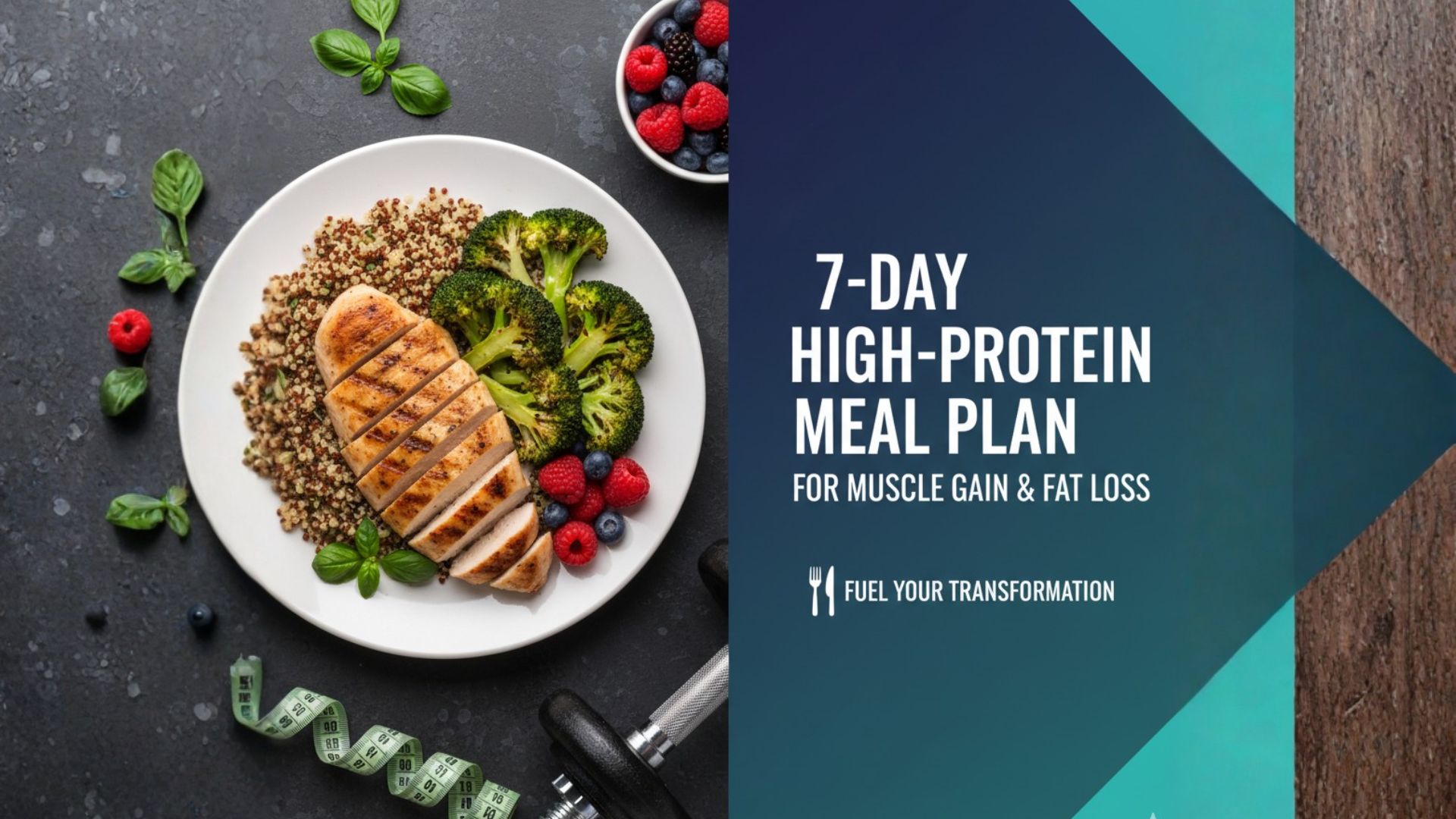
Imagine standing in front of your mirror three months from now, finally seeing the muscle definition you’ve worked so hard for. Most beginners start their fitness journey by drastically cutting calories, hoping the weight will just melt away. However, they often find themselves feeling “skinny fat”—the scale goes down, but the body looks soft and energy levels are non-existent. Here’s the thing: your body isn’t a simple math equation of calories in versus calories out; it’s a complex chemical plant. What this really means is that if you want to lose fat while building lean muscle, you need a strategy that targets metabolic health, not just weight loss.
Losing fat and gaining muscle simultaneously, a process known as body recomposition, is entirely achievable for those new to structured training. For example, a 2025 report found that sedentary individuals who shift to high-protein diets and resistance training see the most dramatic shifts in body fat percentage within the first eight to twelve weeks. In this comprehensive guide, we will break down a science-backed 7-day meal plan that fuels your workouts and systematically oxidizes fat. We are moving beyond the “starvation” mindset and entering the era of “intentional fueling.”

The Science of Body Recomposition
Table of Contents
- 1 The Science of Body Recomposition
- 2 Calculating Your Macronutrient Targets
- 3 The 7-Day Precision Meal Plan
- 4 The “Indian Edge”: Cultural Bodybuilding Nutrition
- 5 Mastering the Logistics of Meal Prep
- 6 The Recovery Equation: Sleep and Hydration
- 7 Tracking Your Progress Beyond the Scale
- 8 Frequently Asked Questions
- 9 Conclusion: Take Action Today
To begin with, we must understand that muscle is metabolically active tissue. This means that even while you are asleep, muscle tissue requires more energy to maintain than fat tissue. According to experts at Harvard Health, resistance training maintains or increases muscle strength, endurance, and power, which in turn elevates your resting metabolic rate. Specifically, for every pound of muscle you gain, your body burns additional calories throughout the day just to sustain that tissue .
Consequently, the “Thermic Effect of Food” (TEF) becomes your best friend in a fat loss meal prep strategy. Protein has a significantly higher TEF than carbohydrates or fats, requiring your body to burn 20% to 30% of the ingested calories simply to digest and process it . If you consume 100 calories of lean chicken breast, your body effectively only “keeps” about 70 to 80 calories. This metabolic advantage is why high-protein recipes are the cornerstone of any successful bodybuilding nutrition plan.
Calculating Your Macronutrient Targets
Before diving into the 7-day meal plan, you must establish your nutritional baseline. The National Institutes of Health (NIH) recommends that active individuals consume 1.6 to 2.2 grams of protein per kilogram of body weight to maximize muscle hypertrophy . For a person weighing 70kg, this translates to a daily target of approximately 112 to 154 grams of protein.
In addition to protein, carbohydrates provide the essential energy required to power through intense resistance training. You should aim for roughly 3 to 5 grams of carbohydrates per kilogram of body weight to ensure your muscle glycogen stores remain replenished. Meanwhile, healthy fats should make up 20% to 35% of your total daily calories to support hormone production and nutrient absorption. For a personalized breakdown of these macros tailored to your unique metabolism, you can fill out our custom assessment form here.

The 7-Day Precision Meal Plan
This plan is designed to be macro-friendly, satisfying, and easy to prepare. We have balanced high-protein animal sources with nutrient-dense plant options to ensure you get a full spectrum of amino acids and micronutrients.
Day 1: High-Protein Kickoff
Start the morning with scrambled eggs made from three whites and one whole egg, sautéed spinach, and a side of oatmeal topped with berries.
For lunch, opt for grilled chicken breast (150 g) paired with half a cup of quinoa and steamed broccoli finished with a drizzle of olive oil.
Midday hunger can be handled with low-fat plain Greek yogurt and a small handful of walnuts.
Dinner features baked salmon alongside roasted sweet potatoes and crisp green beans.
Day 2: Strategic Energy Timing
Kick off the day with protein pancakes prepared using egg whites and oats, topped with fresh raspberries.
Lunch includes a turkey BLT wrap in a whole-wheat tortilla, filled with lean turkey breast and sliced avocado.
A medium apple with one tablespoon of almond butter works well as an afternoon snack.
End the day with a lean beef stir-fry cooked with bell peppers and snap peas, served with a modest portion of brown rice.
Day 3: Mid-Week Metabolic Boost
Breakfast comes in the form of a Greek yogurt bowl layered with whole-grain granola, chia seeds, and sliced almonds.
At lunch, enjoy a quinoa and chickpea salad mixed with cucumbers, tomatoes, and a lemon-tahini dressing.
For a light snack, one cup of edamame in pods provides fiber and plant-based protein.
Dinner keeps things simple with baked cod flavored with lemon and garlic, served with asparagus and wild rice.
Day 4: Performance & Recovery
Begin the day with a chocolate–peanut butter protein shake blended with almond milk and half a banana.
A quick tuna melt on whole-wheat toast, paired with mixed greens, makes for an efficient lunch.
Snack time includes two hard-boiled eggs and carrot sticks with hummus.
Dinner highlights grilled pork tenderloin served with roasted Brussels sprouts and a small sweet potato.
Day 5: Strengthening Nutritional Habits
Breakfast features pre-prepared omelet muffins loaded with spinach, onions, and bell peppers.
For lunch, salmon-stuffed avocado halves are served over a generous bed of mixed leafy greens.
Choose either a protein bar or half a cup of low-fat cottage cheese with peaches for a snack.
The day wraps up with ground turkey marinara over a small portion of whole-wheat pasta, accompanied by roasted cauliflower.
Day 6: The Weekend Reset
Poached eggs on whole-grain toast with mashed avocado and tomato slices set the tone for breakfast.
Lunch shifts to a grilled chicken Caesar salad made lighter with a Greek-yogurt-based dressing.
A snack of roasted chickpeas paired with mixed berries keeps energy steady.
Dinner consists of pan-seared shrimp cooked with garlic and spinach, served over quinoa.
Day 7: Preparing for the Week Ahead
Breakfast includes French toast made from whole-wheat bread, topped with raspberries and a spoon of Greek yogurt.
At lunch, lentil soup is paired with whole-grain bread or a small serving of basmati rice.
A scoop of whey protein mixed with water and a medium pear works well as a snack.
Finish the week with stir-fried tofu, mixed vegetables, and ginger served over a small portion of brown rice.

The “Indian Edge”: Cultural Bodybuilding Nutrition
Traditional Indian cuisine is often criticized for being too high in carbohydrates, but it actually contains some of the best muscle building meal plan staples. Specifically, items like paneer, dal, and Sattu offer high-quality protein that is both affordable and delicious. For example, 100 grams of paneer provides between 18 to 25 grams of protein and is rich in casein, which digests slowly to protect your muscles during sleep .
| Indian Protein Source | Protein (per 100g) | Key Advantage |
| Paneer | 18 – 25 g | Slow-digesting casein; rich in calcium |
| Chicken Breast | 31 g | Leanest animal protein; high bioavailability |
| Toor/Moong Dal | 7 – 9 g (cooked) | High fiber promotes satiety and digestion |
| Sattu (Gram Flour) | 20 g | Traditional, portable, and cost-effective |
| Eggs | 6 g (per egg) | Affordable and contains all essential amino acids |
To maximize your fat loss meal prep, focus on minimizing oils and sugars. Using spices like turmeric, ginger, and garlic not only adds incredible flavor for zero calories but also provides anti-inflammatory benefits that aid recovery .If you need guidance on how to integrate these into a vegetarian bodybuilding diet, our experts at Diet Dekho are ready to assist.

Mastering the Logistics of Meal Prep
Consistency is the bridge between your goals and your results. If you leave your nutrition to chance, you will eventually reach for processed snacks when life gets busy. Successful fat loss meal prep for beginners involves bulk cooking your staples twice per week.
You should start by preparing your proteins—like grilled chicken or boiled eggs—which will last 3 to 4 days in the fridge. Afterward, cook large batches of complex carbs like brown rice or quinoa, which remain fresh for up to 5 days. Furthermore, investing in high-quality BPA-free glass containers is essential to prevent plastic chemicals from leaching into your food while also being microwave-safe. Finally, labeling your meals with a date ensures you follow the “First In, First Out” (FIFO) system, reducing waste and keeping your intake fresh.
The Recovery Equation: Sleep and Hydration
Surprisingly, growth doesn’t happen in the gym; it happens while you sleep. Research indicates that individuals sleeping 8.5 hours per night lose significantly more fat than those sleeping only 5.5 hours, even when both groups are in a calorie deficit. During deep sleep, your body releases human growth hormone (HGH), which is vital for tissue repair and muscle development .
Additionally, hydration is a non-negotiable pillar of body recomposition. Muscles are approximately 75% water, and even mild dehydration can lead to a drop in strength, endurance, and focus. As Dr. Matthew Walker, a leading expert on the role of sleep, states: “Sleep is the greatest legal performance-enhancing drug that most people are probably neglecting”. Aim for 7 to 9 hours of quality rest and drink water consistently throughout the day to ensure your metabolism stays in peak condition.
Tracking Your Progress Beyond the Scale
One of the most common frustrations for beginners is the “stalled scale.” It is very common for your weight to stay the same even though your body composition is improving drastically. Because muscle is much denser than fat, a pound of muscle takes up significantly less space than a pound of fat. Therefore, you may be losing inches from your waist while gaining thickness in your shoulders, even if the number on the scale doesn’t move.
To get a clearer picture of your success, use these metrics:
- Body Measurements: Track your waist, hips, and biceps every two weeks.
- Performance Indicators: Monitor your strength gains. If you can lift more weight today than you could last week, you are building muscle.
- Visual Progress: Take progress photos under consistent lighting to see changes in muscle tone and posture.

Frequently Asked Questions
Can I build muscle while in a calorie deficit?
Yes, this is known as body recomposition. For beginners, the body is highly efficient at using stored fat for energy while using dietary protein to build muscle tissue, provided the deficit is modest and protein intake is high.
Is paneer better than chicken for muscle gain?
Both have their places. Chicken is leaner and higher in protein per gram, making it better for strict fat loss. However, paneer is a great source of slow-digesting casein and calcium, which are excellent for bone health and overnight recovery.
What are the best fat-burning foods for beginners?
While no food “burns” fat directly, high-protein foods like eggs and high-fiber foods like broccoli and lentils have a high thermic effect. These keep you full longer and require more energy to digest, assisting your caloric deficit.
Do I need supplements like creatine or whey?
Supplements are helpful but not mandatory. Whey protein is a convenient way to hit your daily protein targets, and creatine monohydrate is the most researched supplement for increasing high-intensity exercise capacity and lean mass .
How long does it take to see visible results?
Most beginners notice improvements in energy and mood within 3 to 4 days. Visible changes in body composition and muscle definition typically take 4 to 8 weeks of consistent adherence to a structured 7-day meal plan and training routine.

Conclusion: Take Action Today
In summary, body recomposition is not about magic pills or extreme deprivation; it is about the consistency of your choices. By following this 7-day meal plan and prioritizing protein, sleep, and movement, you are building a body that is as strong as it is lean.
Are you ready to stop guessing and start growing? Your transformation doesn’t requires perfection—it only requires you to start. For a personalized nutritional blueprint that takes the guesswork out of your fitness journey, visit our experts and fill out our consultation form. Your stronger, leaner self is waiting.
BOOK YOUR APPOINTMENT
Abhinav is the Founder of Diet Dekho, helping people manage weight and lifestyle health through simple, practical nutrition and personalized diet plans.