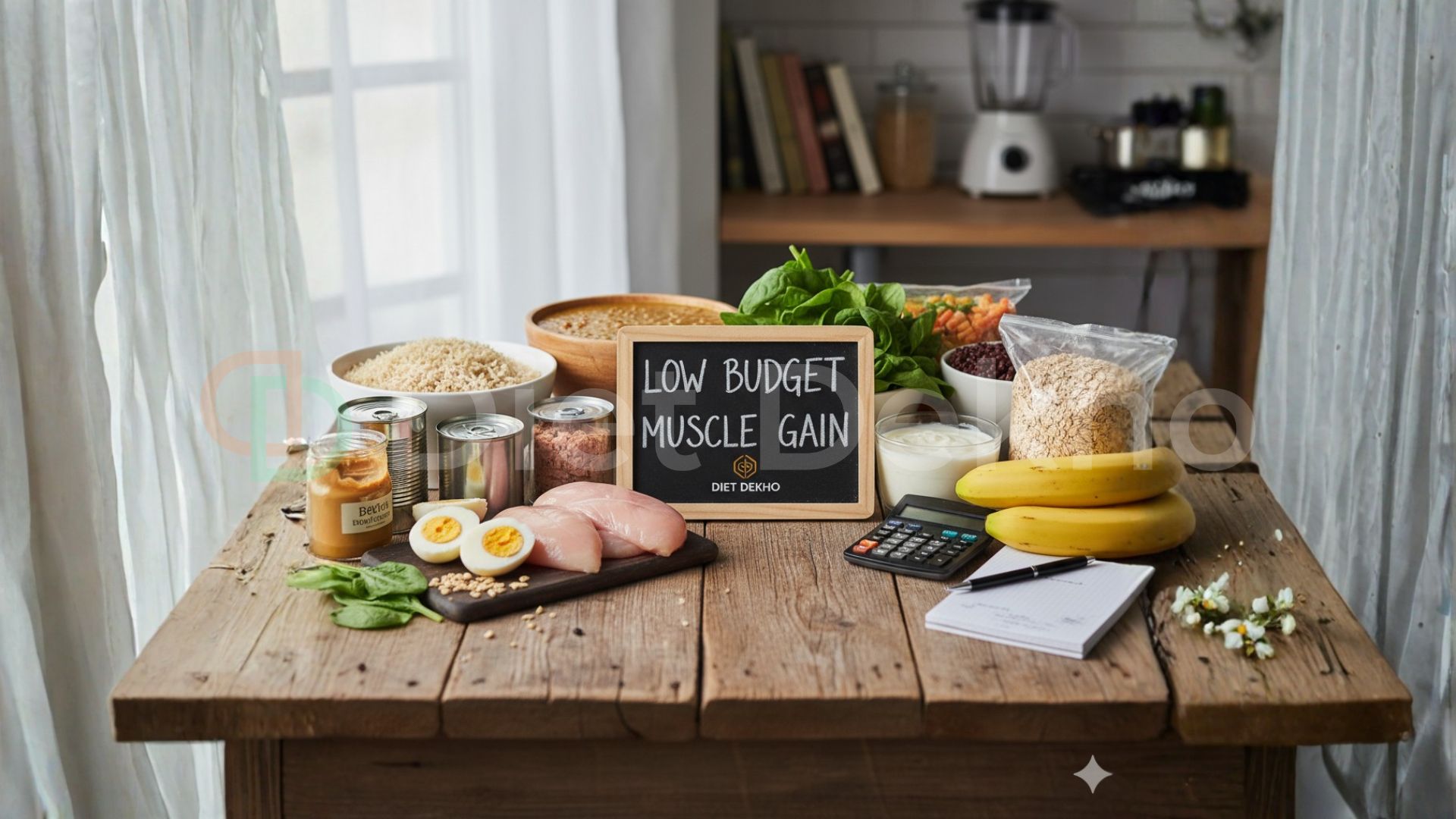
Imagine Ramesh, a twenty-two-year-old student in Chennai, standing in a local grocery aisle. He just finished a grueling workout at a local gym and feels the familiar ache of muscle recovery. His goal is clear: he wants to build a stronger physique. However, every fitness influencer he follows suggests expensive whey isolates, organic avocados, and imported salmon. His wallet, unfortunately, only has enough for a few days of basic groceries. Here is the thing: building muscle does not require a luxury budget. It requires a strategic understanding of the high protein south indian food already sitting in your kitchen.
What this really means is that the humble staples of an indian vegetarian diet—like ragi, soya chunks, and lentils—are secretly anabolic powerhouses. Most beginners struggle because they confuse expensive branding with nutritional quality. Let’s break it down. Muscle growth is a biological process triggered by stimulus and fueled by specific nutrients. If you can provide those nutrients through cost-effective local sources, your body will respond regardless of the price tag on your plate.
The Physiological Mechanics of Muscle Hypertrophy
To build muscle on a budget, you must first understand the metabolic levers you are trying to pull. Muscle hypertrophy is the increase in the size of skeletal muscle fibers. This happens when the body repairs the micro-tears caused by resistance training. The repair process, known as muscle protein synthesis (MPS), must occur at a faster rate than muscle protein breakdown (MPB). For this to happen, the body needs two things: a signal to grow and the raw materials to build.
Resistance training provides the signal. However, the raw materials come from your diet. Proteins are broken down into amino acids, which serve as the building blocks for new tissue. Here is the thing: the body does not care if an amino acid comes from a ₹5,000 tub of powder or a ₹20 packet of soya chunks. What matters is the amino acid profile and the total daily intake. Research indicates that for significant gains in lean body mass (LBM), an intake between 1.2 and 2.0 grams of protein per kilogram of body weight is ideal.
Determining Your Caloric Baseline for Growth
Muscle gain requires energy. You cannot build a house without bricks, but you also cannot build it without workers who need to be fed. A calorie surplus provides this extra energy. To determine how much you should eat, you first calculate your Basal Metabolic Rate (BMR) and then your Total Daily Energy Expenditure (TDEE).
For most men, the calculation looks like this:
BMR=(10×weight in kg)+(6.25×height in cm)−(5×age in years)+5
For most women:
BMR=(10×weight in kg)+(6.25×height in cm)−(5×age in years)−161
Once you have your BMR, multiply it by an activity factor (usually 1.375 for light activity or 1.55 for moderate exercise) to find your TDEE. To gain muscle, you should aim for a surplus of 10% to 20% over your TDEE. This small surplus ensures you are providing enough energy for growth without gaining excessive body fat.
The Leucine Threshold and Anabolic Signaling
Not all proteins are equally effective at triggering growth. The amino acid leucine is the primary driver of the mTOR pathway, which signals the cells to start building protein. Studies show that a meal needs roughly 3 to 4 grams of leucine to maximize this anabolic response. This is where many plant-based diets fail if not planned correctly. Most grains and legumes have lower leucine concentrations than animal proteins. What this really means is that a vegetarian lifter must eat larger portions or combine specific foods to hit this leucine threshold.
Strategic Macronutrient Selection for the Budget Athlete
When funds are limited, you must prioritize the most nutrient-dense foods per rupee spent. In the South Indian context, this means moving away from processed snacks and focusing on whole grains, pulses, and high-quality fats.
Carbohydrates: Beyond Simple White Rice
Carbohydrates are the primary fuel for high-intensity training. They replenish muscle glycogen, which is the sugar stored in your muscles for quick energy. While white rice is a staple, many beginners worry about its glycemic index. Let’s break it down: white rice is actually excellent for athletes post-workout because it digests quickly, triggering an insulin spike that helps shuttle nutrients into the muscles.
However, for overall health and sustained energy, ragi (finger millet) and brown rice offer more micronutrients. Ragi is exceptionally high in calcium and fiber, making it a staple in any south indian diet for weight loss as well as muscle gain. It contains about 344 mg of calcium per 100g, which is vital for bone strength during heavy lifting.
| Grain Type | Calories (per 100g) | Protein (g) | Fiber (g) | Key Advantage |
| White Rice | 130 | 2.7 | 0.4 | Fast absorption post-workout |
| Brown Rice | 111 | 2.6 | 1.8 | Higher fiber, B-vitamins |
| Ragi (Millet) | 328 | 7.3 | 3.6 | Exceptional calcium source |
| Oats | 389 | 16.9 | 10.6 | High protein and beta-glucan |
The Power of Soya: The King of Budget Protein
If you are looking for the most protein for the least amount of money, soya chunks are the undisputed champion. These are made from defatted soy flour and contain roughly 52% protein by weight. At a cost of roughly ₹120 to ₹150 per kilogram, they provide a massive amount of leucine and other essential amino acids.
Some people fear soya due to myths about estrogen. Here is the thing: those fears are largely unfounded. Moderate consumption of soya—about 50g a day—is perfectly safe for most men and provides an anabolic stimulus similar to dairy or meat. To make them palatable, soak them in hot water, squeeze out the liquid, and cook them in a flavorful masala or stir-fry.
Pulses and Lentils: The Foundations of Complete Protein
The classic combination of dal and rice is more than just comfort food; it is a lesson in biochemistry. Most lentils are high in the amino acid lysine but low in methionine. Grains like rice are high in methionine but low in lysine. When you eat them together, they form a complete protein source.
For a budget-conscious lifter, pulses like moong dal, chana (chickpeas), and rajma (kidney beans) are essential. Moong dal is particularly easy to digest and works well in recipes like moong dal chilla, which can be stuffed with paneer for a protein-packed breakfast.
| Legume | Protein (per 100g dry) | Fiber (g) | Best Used For |
| Moong Dal | 24 g | 16 g | Chillas, light soups |
| Chickpeas (Chana) | 19 g | 17 g | Sundal, salads, curries |
| Soya Chunks | 52 g | 13 g | Curries, stir-fries |
| Rajma | 24 g | 25 g | Hearty curries, salads |
Optimizing Fats: The Hormonal Necessity
A common mistake among beginners is cutting out fats to lose weight while trying to build muscle. What this really means is that you are starving your endocrine system. Fats are the precursors to hormones like testosterone, which is the primary driver of muscle hypertrophy. However, the type of fat matters.
Best Oils for South Indian Cooking
South Indian cuisine traditionally uses coconut oil, groundnut (peanut) oil, and sesame oil. Coconut oil contains medium-chain triglycerides (MCTs), which are used for immediate energy rather than being stored as fat. This makes it a great choice for a pre-workout meal.
Mustard oil, though more common in the north, is highly anti-inflammatory and has a heart-friendly omega-3 to omega-6 ratio. For those lifting heavy, systemic inflammation can slow down recovery. Using oils like mustard or extra virgin olive oil for low-heat cooking can help manage this.
| Oil Type | Smoke Point | Best Use | Key Health Benefit |
| Ghee | 250°C | Frying, Tadka | Rich in Vitamins A, D, E, K |
| Mustard Oil | 250°C | Sautéing | High in ALA (Omega-3) |
| Coconut Oil | 230°C (Refined) | Traditional dishes | MCTs for quick energy |
| Groundnut Oil | 232°C | Deep frying | High MUFA content |
The Art of Budget Meal Planning
To succeed, you need a south indian meal plan that is sustainable and affordable. You don’t need expensive ingredients; you need a rotation of high protein south indian food that fits your schedule.
The Role of Fermentation: Idli and Dosa
Fermentation is a natural way to increase the bioavailability of nutrients. Fermented foods like idli and dosa are easier to digest, which means your body can absorb the amino acids more efficiently. To make them muscle-friendly, try ragi idli or oats dosa. These variations add more fiber and protein to a traditional breakfast. Pairing them with sambar—which is loaded with drumsticks and lentils—adds another layer of nutrition.
Affordable Animal Proteins: Eggs and Milk
For non-vegetarians, eggs are the gold standard of affordable protein. A single egg provides about 6 grams of complete protein and essential fats. Buying them by the tray (30 eggs) is often significantly cheaper than buying small cartons. Milk and curd (dahi) are also vital. Curd provides probiotics that keep your gut healthy, allowing for better nutrient absorption.
If your budget allows, lean meats like chicken breast are efficient, but don’t overlook “Amul Protein Buttermilk.” It is one of the cheapest ready-to-drink protein sources in India, providing 15g of protein for roughly ₹25.
Micronutrient Synergy: Iron, Vitamin C, and Calcium
Muscle growth isn’t just about macros. Micronutrients act as co-factors in metabolic reactions. For instance, iron is necessary for transporting oxygen to your muscles. If you are on an indian vegetarian diet, you are consuming non-heme iron, which is harder for the body to absorb. Here is the thing: pairing iron-rich foods like spinach with Vitamin C (lemon juice or amla) can increase absorption significantly.
Calcium is another priority. Without enough calcium, your muscles cannot contract properly. Ragi, dairy, and sesame seeds are excellent budget-friendly sources of calcium.
Economic Strategies for Long-Term Success
Building muscle on a budget is as much about logistics as it is about nutrition. Let’s break down how to shop and prep.
Bulk Buying and Seasonality
Buying in bulk is the single most effective way to lower your cost per gram of protein. Grains, pulses, and soya chunks have long shelf lives. Wholesale markets or local mandis will always offer better prices than air-conditioned supermarkets.
Focus on seasonal fruits and vegetables. A banana is a perfect pre-workout snack that costs very little. Sweet potatoes are a cheap, complex carbohydrate that provides potassium, which helps prevent muscle cramps.
The Home Cooking Advantage
Eating out is the enemy of a budget muscle-gain plan. When you cook at home, you control the quality of the oil and the amount of protein. Use traditional spices like turmeric and ginger. Turmeric contains curcumin, which has potent anti-inflammatory properties that assist in muscle recovery.
Intersections of Muscle Gain and Weight Loss
For many beginners, the goal is “body recomposition”—losing fat while gaining muscle. Simple weight loss strategies often focus solely on cutting calories, but this can lead to muscle loss. By keeping protein high (1.6 to 2.0g/kg) and maintaining a very small calorie deficit or eating at maintenance, you can utilize stored body fat to fuel the muscle-building process.
Incorporating fiber rich indian foods like cauliflower, broccoli, and whole grains ensures you stay full despite eating fewer calories. This makes it easier to stick to your plan without feeling deprived.
A 7-Day Sample Budget Muscle Gain Plan
This plan focuses on accessibility and protein density. It assumes you have access to a basic stove and local ingredients.
Day 1 to Day 3: The Pulse and Soya Foundation
- Breakfast: 3 Ragi Idlis with a large bowl of sambar and coconut chutney.
- Mid-Morning: A handful of roasted peanuts or one banana.
- Lunch: 1.5 cups of Brown Rice, 1 cup of Soya Chunk Curry, and a bowl of curd.
- Evening Snack: Sundal (boiled chickpeas with coconut).
- Dinner: 2 Whole Wheat Rotis with Paneer Bhurji or Tofu scramble.
Day 4 to Day 7: Diversity and Recovery
- Breakfast: Pesarattu (Moong Dal Dosa) with ginger chutney.
- Mid-Morning: One glass of buttermilk or a seasonal fruit.
- Lunch: Vegetable Poha with added sprouts or 2 boiled eggs (if non-veg).
- Evening Snack: Roasted Makhana (fox nuts) or a small bowl of sprouts salad.
- Dinner: Dal Khichdi (heavy on the dal) with a side of stir-fried greens like spinach.
Overcoming Challenges in an Indian Context
Vegetarians often hear that they cannot get enough protein. Let’s break it down: with paneer, soya, dals, and milk, vegetarians can easily reach 120 to 140 grams of protein per day if they are intentional.
Another challenge is the high carbohydrate nature of traditional meals. The solution is not to eliminate carbs, but to adjust the proportions. Instead of a mountain of rice with a little dal, aim for a smaller portion of rice with two large bowls of dal or a serving of soya.
Advanced Optimization: Timing and Supplements
While not essential, timing can give you a small edge. Consuming protein within two hours of a workout can help with immediate repair, though your total daily intake is far more important.
If you have a little extra room in your budget, Creatine Monohydrate is the most researched and cost-effective supplement for strength and muscle volume. It is much cheaper than whey protein and can be very effective for beginners.
Conclusion: The Path to Consistent Gains
Building muscle is a marathon, not a sprint. Success comes from the cumulative effect of thousands of small decisions. Here is the thing: your body doesn’t know your bank balance. It only knows if it has enough amino acids to repair tissue and enough energy to power your movements. By focusing on high protein south indian food, utilizing local markets, and staying consistent with your training, you can build the physique you want without financial stress.
Don’t wait for the “perfect” expensive diet. Start today with what you have. Use the tools provided in this guide to build a foundation that lasts.
Ready to get a customized plan designed for your body type and budget?(https://dietdekho.com/form/)
Frequently Asked Questions (FAQs)
Can I build muscle on a purely vegetarian South Indian diet? Absolutely. By combining grains like ragi and rice with pulses (lysine + methionine) and including high-protein sources like soya chunks and paneer, you can meet all your amino acid requirements for hypertrophy.
What are the best south indian weight loss snacks that also help in muscle gain? Sundal (boiled chickpeas), roasted makhana, and sprout salads are perfect. They are high in fiber, which aids weight loss, while providing the protein necessary for muscle maintenance and growth.
Is white rice or brown rice better for a beginner bodybuilder? White rice is often better immediately post-workout due to its fast absorption and insulin response. Brown rice is better for other meals as it provides more fiber and micronutrients that support long-term health and satiety.
How much protein do I actually need to see results? Most research suggests 1.2 to 2.0 grams of protein per kilogram of body weight. For a 70kg person, this means 84g to 140g of protein daily. Beginners can often see results on the lower end of this range as long as their training is consistent.
What is the most cost-effective protein source in India? Soya chunks are the clear winner, offering 52g of protein per 100g at a very low cost. Following soya, eggs and roasted chana are highly affordable and accessible options for any budget.
Summary of Affordable Protein Sources
This table illustrates the nutritional value of common Indian foods to help you make informed decisions at the grocery store.
| Food Item | Protein (per 100g) | Approx. Cost (INR) | Primary Benefit |
| Soya Chunks | 52 g | ₹12-15 | Highest protein-to-cost ratio |
| Paneer | 18 g | ₹40-50 | High quality dairy protein |
| Peanuts | 25 g | ₹15-20 | Protein + healthy fats |
| Roasted Chana | 19 g | ₹10-15 | Great fiber and portable protein |
| Whole Eggs (2) | 12 g | ₹12-15 | Complete amino acid profile |
| Moong Dal | 24 g | ₹12-15 | Easy digestion and versatile |
To get a plan tailored to your specific metabolic needs, please visit: https://dietdekho.com/form/
Deep Dive into South Indian Grains and Legumes
When we look closer at the nutritional landscape of South India, we see a rich history of nutrient-dense grains that were pushed aside by the modern preference for polished white rice. However, for the person on a budget, these “ancient” grains are a goldmine.
Ragi: The Agrarian Strength Secret
Ragi, or finger millet, has been a staple in Karnataka and parts of Tamil Nadu for centuries. It was the fuel of the manual laborer for a reason. Here is the thing: ragi is a “slow-release” carbohydrate. Because of its high fiber content, it doesn’t cause the rapid blood sugar crashes that often follow a meal of refined flour. For a lifter, this means more stable energy during a ninety-minute gym session.
Furthermore, ragi is one of the few grains that contain significant amounts of the amino acid methionine. Since methionine is the limiting amino acid in most Indian dals, a meal of ragi and dal is actually more “anabolic” than a meal of rice and dal. This synergy allows your body to utilize the protein more effectively for muscle repair.
The Versatility of Urad Dal
We often think of urad dal only in the context of idli batter. However, urad dal is one of the most protein-dense lentils in the Indian pantry. It contains roughly 25g of protein per 100g. When fermented, the phytates (which can block mineral absorption) are reduced, and the B-vitamin content increases. This makes traditional South Indian breakfast items like idli and dosa surprisingly effective for muscle recovery, provided the ratio of dal to rice is kept high.
The Role of Micronutrients in Performance
It is easy to get obsessed with the “Big Three” macros, but muscle gain is often limited by micronutrient deficiencies. In India, three common deficiencies can stall your progress: Vitamin D, Iron, and Vitamin B12.
Vitamin D and Muscle Force
Research shows a strong correlation between Vitamin D levels and muscle strength. Vitamin D receptors are found throughout human skeletal muscle. If you are deficient, your muscles may not generate as much force, leading to less stimulus for growth. While sunlight is free, many Indians are still deficient due to skin pigmentation and urban lifestyles. Including egg yolks and fortified milk in your diet is a low-cost way to support your levels.
Iron and the Oxygen Engine
If you feel constantly fatigued in the gym, you might be struggling with low iron. Iron is the core of hemoglobin, which carries oxygen to your working muscles. For those on a vegetarian diet, the secret is synergy. Never eat your iron-rich greens (like spinach or moringa) without a squeeze of lemon. The Vitamin C in the lemon converts the plant-based iron into a form your body can actually use.
Practical Home Workout Tips for the Budget Athlete
If you are on a budget, you might not even have a gym membership. Building muscle at home is entirely possible using calisthenics and improvised weights.
- Progressive Overload: Your muscles don’t know if you are lifting a ₹10,000 barbell or a ₹50 water can. They only know tension. To grow, you must gradually increase the difficulty of your movements.
- Calisthenics: Push-ups, pull-ups, and squats are the foundation of any great physique. Once they become easy, change the tempo (slow down the negative phase) or increase the repetitions.
- Consistency over Equipment: A person with a basic set of resistance bands and a pull-up bar who trains five days a week will see more results than a person with a luxury gym membership who only goes once a week.
Final Thoughts for the DietDekho Community
Building a better version of yourself is the best investment you can make. The constraints of a budget should be seen as a challenge to your creativity, not a barrier to your success. By focusing on whole foods, traditional cooking methods, and the science of nutrition, you can achieve world-class results.
Remember, the most important “supplement” is consistency. No amount of expensive protein powder can replace a year of disciplined eating and hard training.
Let us help you bridge the gap between where you are and where you want to be. Connect with us today for a professional consultation: https://dietdekho.com/form/
This report was prepared by the expert copywriting team at DietDekho.com, drawing on current clinical research and traditional Indian nutritional wisdom.