
Imagine Sarah, a thirty-two-year-old marketing executive. In her twenties, she stayed lean by swapping pizza for salads. She hit the treadmill twice a week and saw results. Suddenly, that “magic button” stopped responding. She feels more tired lately. Her clothes fit differently around her midsection. The scale refuses to budge despite her best efforts. This scenario is incredibly common. Here is the thing: it is not a failure of willpower. Weight loss for women over 30 is different. The body you’re living in today is operating on a different baseline. Over time, your internal environment adapts to the demands placed on it. What this really means is that your metabolism, hormones, and energy systems have gradually reset their rules, and understanding this shift is the first step toward improving them.
Your thirties bring a subtle but profound shift. Your body manages energy differently. It responds to stress and regulates hormones in new ways. Many women hear that their metabolism “slows down.” In reality, it is a complex interplay. It involves muscle mass, insulin sensitivity, and life stress. We must look past the “eat less, move more” mantra. We need to address the actual mechanisms of weight retention.
Decoding the Metabolic Shift: Reality vs. Perception
One big hurdle is a common myth. Many believe metabolism crashes the moment you turn thirty. Let’s break it down using recent science. A landmark 2021 study looked at energy expenditure across the lifespan. It found that your actual metabolic rate remains stable. This burn rate stays steady between the ages of 20 and 60. The engine isn’t inherently broken. So, why does weight gain feel easier?
The answer lies in body composition. Sarcopenia is the natural loss of muscle mass. It begins to accelerate in your early thirties. This happens if you aren’t lifting weights. Muscle is metabolically expensive. It requires energy even when you are at rest. As lean muscle slips away, your daily burn decreases. A previously normal diet suddenly creates a surplus. What this really means is simple. Weight gain is often a side effect of muscle loss.
The Mechanism of Sarcopenia and BMR
The Basal Metabolic Rate (BMR) is your baseline. It is the energy needed for basic life functions. For women over 30, BMR is the main part of daily energy use. Muscle mass often declines by 3% to 8% per decade. When this happens, your BMR drops too. This creates a “stickier” environment for weight loss. You must hit a smaller caloric target to see results.
| Metabolic Component | Mechanism of Change After Age 30 | Primary Driver |
| Basal Metabolic Rate (BMR) | Decreases as muscle is replaced by fat. | Lack of resistance training. |
| Thermic Effect of Food (TEF) | Remains stable but is underutilized. | Low protein intake. |
| Non-Exercise Activity (NEAT) | Drops due to sedentary office roles. | Lifestyle/Career shifts. |
| Exercise Activity (EAT) | Becomes inconsistent due to time poverty. | Schedule constraints. |
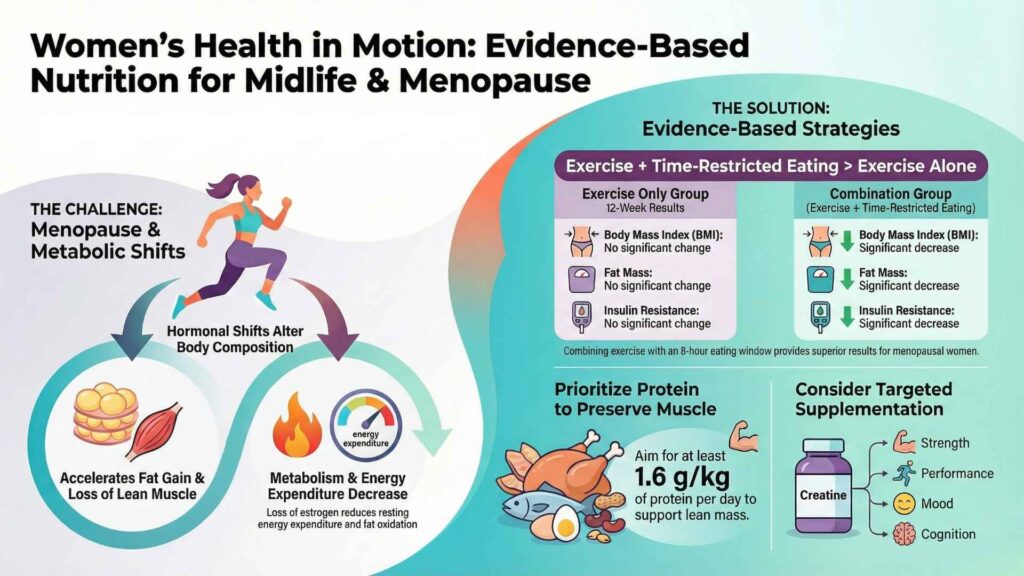
The Endocrine Web: Hormones and Weight Distribution
Hormones act as master controllers. They dictate where you store fat. Beginners often focus only on calories. However, hormones decide how you use those calories. In your thirties, the menstrual cycle changes. The impact of pregnancies also lingers. Early perimenopause can even begin to alter your chemistry.
Estrogen and progesterone are the architects. They manage female fat distribution. Estrogen levels begin a slow decline in the late thirties. The body then shifts fat storage to the abdomen. This visceral fat is frustrating. It is proinflammatory and contributes to insulin resistance. This makes future weight loss harder.
Insulin Resistance and the Fat storage Trap
Insulin moves sugar from the blood into cells. Your cells can become “numb” to this signal over time. This happens if you eat many processed carbs. Your pancreas then pumps out more insulin. High insulin acts like a lock on fat cells. It prevents the body from using stored fat for fuel.
Weight loss for women over 30 requires better insulin sensitivity. This is why protein and fiber are effective. They blunt the glucose spike after a meal. This requires less insulin. It allows your body to stay in a fat-burning state longer.
The Stress Response: Cortisol and Abdominal Fat
Here is where life hits hard. The thirties are often a decade of peak responsibility. You might be rising in a career or raising children. You may even be caring for aging parents. Chronic stress leads to high cortisol levels. Cortisol is a survival hormone. It tells the body to hold onto energy. This often appears as stubborn belly fat.
High cortisol also suppresses other helpful hormones. It can lead to “leptin resistance.” This means your brain misses the signal that you are full. This creates a cycle of stress-eating. Managing stress is a requirement for healthy weight loss for busy professionals.
Nutritional Foundations: A Dietitian’s Framework
Nutrition coaching for women should focus on optimization. Do not focus only on restriction. The best approach is a sustainable balance. It should support your muscle and your hormones.
The Non-Negotiable Role of Protein
Protein is the best metabolism booster for women. It has a high thermic effect. Your body burns many calories just to digest it. Protein also prevents muscle loss. Active women should aim for 1.2 to 1.6 grams of protein per kilogram of weight.
Include lean proteins at every meal. Try chicken, fish, eggs, or legumes. This keeps the hunger hormone, ghrelin, in check. What this really means is simple. You avoid the 3:00 PM energy crash. You won’t raid the vending machine.

Fiber: The Secret to Satiety and Gut Health
Fiber is an unsung hero. it adds bulk to meals without adding calories. This stretches the stomach and signals fullness. Fiber is also vital for gut health. Gut bacteria influence your insulin and your mood.
Aim for 25 to 30 grams of fiber per day. Get it from vegetables, fruits, and grains. Lentils, chickpeas, and berries are great choices. They provide iron and selenium to support the thyroid.
| High-Protein Snack Options | Protein Content | Benefit for Women Over 30 |
| Greek Yogurt (6 oz) | 15–20g | Supports bone density and gut health. |
| Hard-Boiled Eggs (2) | 12g | Provides choline for brain health. |
| Roasted Chickpeas (1/2 cup) | 6–8g | Stabilizes blood sugar with fiber. |
| Turkey Roll-Ups (3 slices) | 12–15g | Portable and low-calorie protein. |
| Edamame (1/2 cup) | 8g | Supports hormonal balance. |
Dietary Strategies: Finding Your Sustainable Fit
The best weight loss program for women is personal. It must be a diet you can stick to for years. However, some frameworks work well for women in their thirties.
Low Carb Diet for Women: Pros and Cons
A low carb diet for women can jump-start progress. It lowers insulin and reduces water retention. Focus on healthy fats and proteins. Minimize refined sugars and white flours. This often stabilizes energy and stops cravings.
However, “low carb” does not mean “no carb.” Active women need complex carbs for the thyroid. Very strict diets can cause fatigue and irritability. A “low-glycemic” approach is usually better. Choose sweet potatoes over white rice.
Intuitive Eating for Weight Loss: A Mental Shift
Intuitive eating for weight loss focuses on internal cues. It ignores external rules. This can be healing for “yo-yo dieters.” It teaches you to listen to hunger and respect fullness. You stop labeling food as “good” or “bad”.
The pitfall is that it isn’t always built for fat loss. Beginners may need some structure. Combine intuitive principles with a high-protein plan. This ensures your body gets the nutrients it needs to thrive.
The Mediterranean Advantage
Research shows the Mediterranean diet is a top choice. It supports long-term health and weight management. Participants in a Harvard study saw less visceral fat. They improved heart markers even without massive weight loss. Use olive oil, nuts, and fish. These provide omega-3s for metabolic health.

Movement and Exercise: The Stimulus for Change
Nutrition is the foundation. Exercise is the stimulus. It shapes the body and protects against aging. Women over 30 need resistance and cardio.
Strength Training for Women Over 30
Strength training for women over 30 is vital. It turns back the clock on your metabolism. Lift weights or use your own body weight. Push-ups and squats tell your body to keep muscle. This keeps your BMR high. It also improves how you process glucose.
You don’t need to be a bodybuilder. Try two or three 30-minute sessions per week. This can transform your body composition. Focus on compound movements. These work many muscles at once.
Fat Burning Workouts for Women
Intensity often beats duration for fat loss. High-Intensity Interval Training (HIIT) is very effective. It improves insulin sensitivity. It also boosts the “afterburn” effect. You burn more calories for hours after you finish.
Are long sessions too hard on your joints? Try “movement snacks.” Walk for 10 minutes between meetings. Consistency is more important than intensity when you start.
Protecting Bone Density: A Vital Goal
Estrogen levels will eventually dip. This makes bone density vulnerable. The NIH notes that weight-bearing exercise is critical. Walk, jog, hike, or dance. These activities signal bones to grow stronger.
Impact exercises also help. Jump rope or hop. These can maximize bone strength in just 50 jumps. Combine this with resistance training. Build a body that is lean and resilient.
Optimized Lifestyle: Sleep, Stress, and Hydration
You cannot out-train a poor lifestyle. Sleep and stress are as important as food.
The Metabolism-Sleep Connection
Sleep deprivation is a metabolic nightmare. Lack of sleep raises ghrelin and lowers leptin. Tired people eat 200–400 more calories per day. Lack of sleep also triggers cortisol. Treat sleep like a non-negotiable training block. Turn off screens 30 minutes before bed.
Strategic Hydration
Water is a simple metabolism booster. Drink a glass first thing in the morning. This kickstarts your digestion. Drink two cups before meals. Studies show this reduces calorie intake. Replace soda and alcohol with water. This is the fastest way to see progress.

The Playbook for Working Moms and Professionals
Time is the biggest barrier. Meal planning for working moms is the best insurance.
- Batch Cook: Spend two hours on Sunday prepping. Roast veggies and grill chicken.
- The Perfect Plate: Fill half with veggies. Use one quarter for protein.
- Smart Shortcuts: Use pre-washed salads or rotisserie chicken.
Post-Pregnancy Weight Loss Tips
New mothers undergo massive changes. Post-pregnancy weight loss tips must focus on healing. Breastfeeding requires 400 to 500 extra calories. Do not use restrictive diets during this time. Focus on warm, nutrient-dense foods. Most women return to baseline within 12 months.
How to Lose 20 Pounds Safely: A Sustainable Roadmap
Do you want to lose 20 pounds? Avoid the “all or nothing” mentality. Rapid loss can damage muscle and bone.10
- Set a Timeline: Aim for 1 to 2 pounds per week.
- Habit Stacking: Master one habit at a time.
- Watch Energy Levels: Success is more than just the scale.
| Sample 1,500 Calorie Day | Meal Description | Purpose |
| Breakfast | Oats with Greek yogurt and berries. | Stabilizes blood sugar. |
| Lunch | Chicken salad with chickpeas and avocado. | Sustained afternoon energy. |
| Snack | Apple with almond butter. | Prevents evening hunger. |
| Dinner | Salmon with sweet potato and spinach. | Supports sleep and metabolism. |
Clinical Insights: When to Seek Professional Support
Sometimes, diet and exercise are not enough. Check for common underlying issues.
- Thyroid Dysfunction: This gland controls your burn rate.
- PCOS: This causes insulin resistance and belly fat.
- Perimenopause: This can cause significant weight shifts.
Professional nutrition coaching for women can help you identify roadblocks. Create a plan that works with your biology.
Conclusion: Empowering Your Fourth Decade
Weight loss for women over 30 is a new language. You must prioritize protein and strength. Guard your sleep consistently. Do not use the restrictive diets of your twenties. Embrace nourishment and strength instead. You can achieve a healthy, resilient body.
The goal is not just a number. It is long-term vitality. Every small choice matters. Choose the high-protein snack. Take a short walk. These are votes for your future self.
Ready to take the first step? (https://dietdekho.com/form/).

Frequently Asked Questions
Why is it harder to lose weight after 30?
Muscle loss (sarcopenia) is the main reason. It slows your basal metabolic rate. High stress and shifting hormones also play a role.
What is the best metabolism booster for women in their 30s?
The best booster is protein. Your body burns up to $30\%$ of protein calories during digestion. Pair it with resistance training.
How much water should I drink?
Aim for 2 liters per day. Drink 2 cups before meals to reduce calorie intake.
Is a low carb diet for women safe?
Yes, if it focuses on whole foods. Avoid extreme diets that cause chronic fatigue.
Can I lose weight without the gym?
Yes. Increase your daily steps (NEAT). Focus on a high-protein diet.
BOOK YOUR APPOINTMENT
Abhinav is the Founder of Diet Dekho, helping people manage weight and lifestyle health through simple, practical nutrition and personalized diet plans.