Have you ever found yourself standing in front of your kitchen pantry at 8 PM after a long day of work or managing the kids? You feel that familiar tug of hunger. Your mind is racing with all the conflicting advice you have seen online. One person says to skip the rice. Another person says to only eat fruit. For most of us, especially if you are balancing a busy career or a household, the real question is not just how to lose weight but what to eat for weight loss that actually fits into a real, messy, and busy life. I know it is hard to find time to cook elaborate meals. Let us simplify this together because you deserve to feel energetic and healthy without feeling like your diet is a second job.
Understanding the New Reality of Weight Management
Recent data has completely changed how we look at our bodies and our plates. For a long time, we were told that if we just moved more, the weight would melt away. However, a major study involving over 4,200 people across 34 countries has shown something surprising. It turns out that people all over the world burn about the same number of calories every day, regardless of how active they are. What this means for your daily routine is that while walking and moving are great for your heart, your diet is the primary driver of weight gain or loss. As experts from Harvard often say, you simply cannot outrun a bad diet.
The global situation is becoming quite serious. By 2035, it is estimated that over 1.5 billion people will be living with obesity. In the United States alone, 4 in 10 adults currently face this struggle. But here is the message of hope I want to give you. Research shows that losing just 5% to 15% of your weight can significantly improve your blood sugar and reduce the need for medications if you have type 2 diabetes. It is not about reaching a perfect number on a scale. It is about making deep metabolic shifts that help your heart and liver.
The Limits of the BMI Scale
We have been conditioned to look at the Body Mass Index or BMI as the final word on health. But senior authors at Harvard Medical School point out that BMI does not account for where your body fat is located. Having excess fat around your middle is a much higher risk for your heart than fat elsewhere. What this means is that even if your weight seems normal, focusing on nutrient-dense foods is still vital for your internal health.
| Region/Demographic | Obesity Rate (2024) | Impact on Health |
| West Virginia | 41.4% | High Cardiovascular Risk |
| Mississippi | 40.4% | Increased Diabetes Risk |
| Louisiana | 39.2% | Metabolic Strain |
| Black Adults | 49.9% | Structural Health Barriers |
| Latino Adults | 45.6% | Higher Diabetes Prevalence |
| National Average (USA) | 40.0% | 1 in 8 deaths linked to obesity |
Fiber Maxing: The Secret to Feeling Full
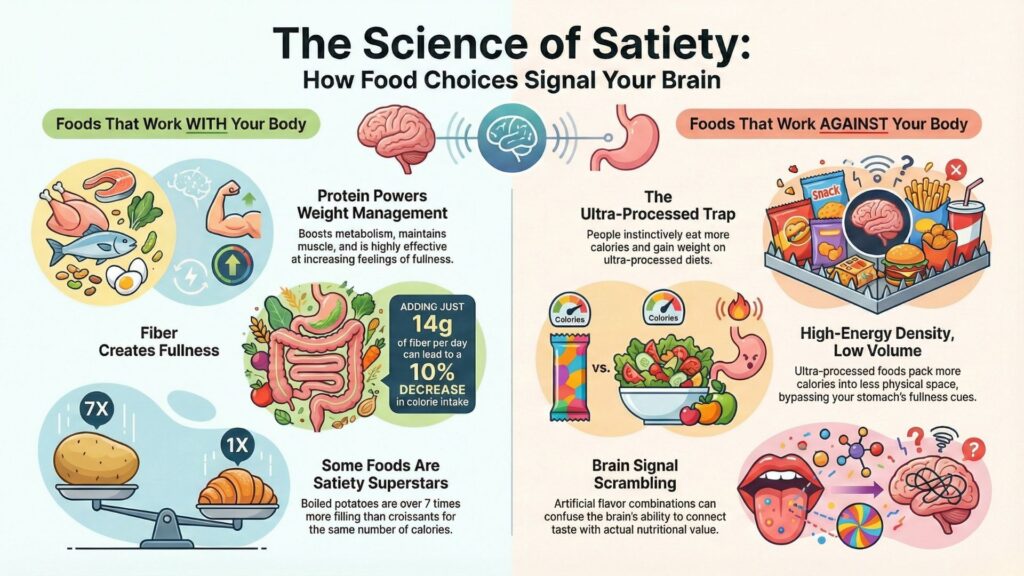
I know the biggest struggle for many of my clients is hunger. It is very hard to stay on track when your stomach is growling. This is where a trend called fiber maxing comes in, and for once, it is a trend that dietitians actually love. Fiber is a type of carbohydrate that your body cannot digest. Since it stays in your system longer, it slows down how fast your stomach empties. This keeps you feeling full for a lot longer and prevents those annoying energy crashes that lead to overeating.
There are two main types of fiber you need to know about. Soluble fiber acts like a gel in your gut. It slows down the release of sugar into your blood, which is perfect if you are managing diabetes or PCOS. You can find this in oats, beans, and apples. Insoluble fiber is what we call roughage. It helps things move smoothly through your digestive tract and prevents constipation, which is a common issue for people with thyroid conditions.
How to Start Increasing Fiber Safely
If you go from eating very little fiber to a huge amount overnight, your stomach will not be happy. You might experience bloating or gas. I always recommend starting small. Try adding just 5 grams of fiber per day until you reach the goal of 25 to 35 grams. Most importantly, you must drink more water. Fiber needs water to move through your body. Without it, you might end up feeling even more backed up.
| High-Fiber Food | Serving Size | Fiber Content |
| Chickpeas (Chana) | 1 Cup (Cooked) | 12.5g |
| Chia Seeds | 2 Tablespoons | 10g |
| Lentils (Dal) | 1 Cup (Cooked) | 15.6g |
| Raspberries | 1 Cup | 8g |
| Broccoli | 1 Cup (Cooked) | 5g |
| Whole Wheat Roti | 1 Medium | 2-3g |
The Role of Lean Protein in Fat Loss
When you are trying to lose weight, your goal is to lose fat, not muscle. Protein is your best friend here. It is what we call thermogenic. This means your body actually burns more calories just trying to digest protein than it does for fats or carbs. Protein also helps regulate your hunger hormones like ghrelin. If you include a protein source in every meal, you will find it much easier to avoid snacking on sugary treats later in the day.
For my vegetarian friends, I know it can feel like you do not have many options. But the Indian kitchen is actually full of great proteins. Paneer, dal, and chana are staples for a reason. If you are looking for something with even more impact, soya chunks are a complete protein and very budget-friendly. For those who eat meat, chicken breast and fish are excellent because they are low in fat but very high in the nutrients your muscles need.
Best Protein Sources for Every Diet
- Vegetarian: Paneer, Greek yogurt, and Soya chunks.
- Vegan: Tofu, lentils (dal), and chickpeas.
- Non-Vegetarian: Eggs, grilled chicken breast, and fatty fish like salmon or mackerel.

Managing PCOS and Insulin Resistance Through Food
If you are struggling with PCOD or PCOS, I want you to know that you are not alone. Between 50% and 75% of people with PCOS have insulin resistance. This makes it very easy for your body to store fat and very hard to lose it. The key is to keep your blood sugar stable. Big spikes in insulin tell your body to hold onto every calorie.
The Mediterranean diet is often considered the best approach here. It focuses on healthy fats like olive oil and anti-inflammatory foods that help your hormones find their balance. Instead of white rice or white bread, which cause a massive sugar spike, choose whole grains like brown rice or millets. Small, frequent meals every four hours can also prevent those dips in energy that make you crave sugar.
Anti-Inflammatory Superfoods for PCOS
Research has shown that certain herbs can be very helpful. Curcumin, which is found in turmeric, is a powerful anti-inflammatory that can improve insulin sensitivity. Cinnamon is another great spice to add to your morning tea or oats because it helps your cells use sugar more effectively. I also suggest looking into omega-3 fatty acids from fish or flaxseeds to help lower the inflammation that often comes with PCOS.
| PCOS Friendly Food | Benefit | How to Use |
| Leafy Greens | Lowers Inflammation | Add to dals or smoothies |
| Fatty Fish | Rich in Omega-3 | Grill or bake for dinner |
| Whole Grains | Stable Blood Sugar | Replace white rice |
| Berries | High Antioxidants | Snack or breakfast topping |
| Turmeric | Improves Insulin | Use in all your cooking |
Eating for a Healthy Thyroid
I have spoken with so many women who feel like their metabolism has completely stalled because of hypothyroidism. When your thyroid is underactive, it is like your body’s engine is idling. You might feel tired, cold, and find that the scale just will not budge. While you should always follow your doctor’s medical advice, your diet can support your thyroid in some very specific ways.
Your thyroid needs certain minerals to make hormones. Selenium is a big one. Just one or two Brazil nuts a day can give you all the selenium you need. Zinc and iron are also crucial. If you are low in iron, which is very common, your thyroid cannot do its job properly. You can find these in pumpkin seeds, lentils, and spinach.
Common Thyroid Food Myths
You might have heard that you should never eat broccoli or cauliflower if you have thyroid issues. These are called goitrogens.20 While it is true that they can interfere with thyroid function in very large amounts, the good news is that cooking them mostly inactivates these compounds. So, you do not have to give up your favorite sabzi; just make sure it is cooked well and not eaten raw in huge quantities.
| Micronutrient | Best Sources | Why it Matters |
| Selenium | Brazil nuts, Eggs, Sunflower seeds | Hormone conversion |
| Zinc | Cashews, Whole grains, Chickpeas | Hormone synthesis |
| Iodine | Iodized salt, Dairy, Fish | Building block of hormones |
| Iron | Spinach, Dates, Pomegranate | Energy and cell function |
| Vitamin D | Sunlight, Fatty fish, Eggs | Immune support |

The DASH Diet for Hypertension and Heart Health
If you are managing high blood pressure, what you eat can be just as important as your medication. The DASH diet, which stands for Dietary Approaches to Stop Hypertension, is a proven way to lower your numbers. It is not a restrictive diet. Instead, it is about adding more of the good stuff. It emphasizes fruits, vegetables, and low-fat dairy while significantly cutting back on salt.
What this means for your daily routine is swapping out salty snacks for things like unsalted nuts or fruit. Even a small change, like replacing 10% of your daily carbs with plant-based proteins, has been shown to lower blood pressure and improve cholesterol levels. Most of us eat much more salt than we realize because it is hidden in processed foods. Cooking at home with fresh spices like ginger, garlic, and lemon juice can give you all the flavor without the sodium.
Sustainable Weight Loss for the NRI Community
Living abroad often means you are juggling a demanding job while trying to keep your cultural roots alive through food. It is easy to fall into the trap of eating quick, processed meals because you are busy. However, I have found that a hybrid approach works best for NRIs. You do not have to give up your native food to lose weight. You just have to adapt it to your new environment.
For example, if you cannot find specific Indian vegetables, look for local ones that behave the same way. Zucchini is a wonderful substitute for lauki. You can use frozen mixed vegetables to make a quick and healthy sabzi in minutes. Instead of making rotis from scratch on a Tuesday night, you can use whole wheat wraps or high-fiber tortillas to save time. The goal is to make healthy eating the easiest choice in your busy day.
Smart Swaps for Living Abroad
One of the biggest challenges when living in Western countries is the portion sizes and the availability of high-calorie convenience foods. If you are socializing, try to focus on the connection rather than just the food. Instead of meeting for a heavy dinner, maybe suggest a walk in a local park or a hike. When you do cook Indian food, try to use less oil and more spices for flavor. Replacing white rice with quinoa or brown rice can also make a huge difference in your energy levels throughout the day.
| Traditional Item | Healthy Alternative | Benefit |
| White Rice | Quinoa or Brown Rice | More fiber and protein |
| Maida Roti | Whole Wheat or Bajra Roti | Slower sugar release |
| Deep Fried Samosa | Baked Whole Wheat Samosa | Less unhealthy fat |
| Regular Curd | Greek Yogurt | Double the protein |
| Potato Curry | Mixed Vegetable Sabzi | Lower calorie density |
Meal Prepping for the Busy Professional and Homemaker
I know it feels like there are never enough hours in the day. Between work, chores, and family, cooking a fresh meal three times a day is almost impossible for most people. This is where smart meal prepping becomes your survival tool. You do not need to spend your entire Sunday in the kitchen. Just a few small steps can cut your weekday cooking time from an hour to twenty minutes.
Start by making a big batch of what I call the foundation. A simple onion and tomato masala can be stored in the fridge and used as a base for almost any Indian curry. You can also boil a large quantity of dal or chickpeas and freeze them in portions. When you are ready to eat, you just need to temper them with some spices, and your meal is ready. Preparing your vegetables in advance—washing, chopping, and storing them in airtight containers—is another huge time-saver.
Practical Steps for Your Weekend Prep
- Chop and Store: Onions, ginger, garlic, and green chilies can be prepped and kept in the fridge.
- Boil in Bulk: Potatoes, chickpeas, and beans can be boiled and stored for salads or curries.
- Foundation Pastes: Make ginger-garlic paste and store it in a glass jar.
- Wash Your Greens: Clean your spinach or methi, pat them dry, and store them in a Ziploc bag with a paper towel to keep them fresh longer.
- Portion Control: Use glass boxes to store your prepped ingredients so you can see exactly what you have.

Healthy Snacking to Beat the Afternoon Slump
We have all been there. It is 4 PM, your energy is dipping, and the biscuits are calling your name. Snacking is not the enemy of weight loss; the type of snack is. If you choose snacks that are high in fiber and protein, they will actually help you stay on track until dinner.
Roasted makhana or fox nuts are one of my favorite recommendations. They are crunchy, low in calories, and high in protein. Another great option is roasted chana. It is very satisfying and travel-friendly, making it perfect for your office desk or your car. If you have a sweet tooth, try dates with a few almonds instead of processed sweets. It gives you that hit of sweetness along with healthy fats and fiber.
| Snack Idea | Why it Works | Prep Time |
| Roasted Makhana | Low-cal and crunchy | 5 mins |
| Sprouted Moong Salad | High protein and fiber | 10 mins |
| Boiled Sweet Potato | Complex carbs for energy | 15 mins |
| Greek Yogurt with Berries | Probiotics and antioxidants | 2 mins |
| Hummus and Carrots | Healthy fats and fiber | 2 mins |
Creating Your Own Metabolic Eating Plan
There is no such thing as a one-size-fits-all diet. Your body is unique, and what works for your neighbor might not work for you. Some people feel best on a higher-protein plan, while others need more complex carbohydrates for energy. The most important thing is to listen to your body. If you feel tired all the time, you might need more iron or more consistent meals.
A successful metabolic eating plan focuses on whole, unprocessed foods. It means eating plenty of vegetables, lean proteins, and healthy fats while limiting added sugars and refined grains. Remember, the goal is sustainability. Avoid those crash diets that promise rapid results but leave you feeling miserable. Losing weight slowly by making small, achievable changes is the only way to keep it off for good.
Conclusion and Your Next Steps
I hope this has helped simplify the overwhelming world of nutrition for you. Weight loss is not about punishment or restriction. It is about giving your body the fuel it needs to function at its best, especially when you are managing conditions like PCOS, Thyroid, or Hypertension. You have the power to make these changes, and you do not have to do it all at once. Pick one or two things to start with this week. Maybe you will add a tablespoon of chia seeds to your breakfast or switch from white rice to brown rice for lunch.
I know it is not always easy, but your health is worth the effort. If you are feeling stuck or need a personalized plan that fits your busy life, we are here to support you. Let us help you find the right balance for your body and your lifestyle.
Ready to take the first step toward a healthier you? Click here to fill out our consultation form and let’s start your journey together!

Frequently Asked Questions (FAQs)
1. What to eat for weight loss if I have PCOS?
If you have PCOS, focusing on a Mediterranean-style diet is very effective. You should prioritize low-glycemic index (GI) whole grains like brown rice and millets, lean proteins like fish or lentils, and anti-inflammatory healthy fats like olive oil. This helps manage insulin resistance, which is common in PCOS patients.
2. Can I eat rice while trying to lose weight?
Yes, you can certainly eat rice. However, for better results, it is best to choose brown rice, red rice, or millets instead of white rice. These options have more fiber, which keeps you full longer and prevents blood sugar spikes. Just remember to keep your portion sizes in mind.
3. What are the best high-fiber snacks for weight loss?
Some of the best high-fiber snacks include roasted makhana (fox nuts), roasted chana (chickpeas), sprouted moong salad, and fresh fruits like apples or pears with the skin on. These snacks provide satiety and prevent you from overeating during your main meals.
4. What to eat for weight loss if I am a busy professional?
For busy professionals, meal prepping is key. Focus on high-protein, easy-to-carry options like boiled eggs, chickpea salads, or quinoa pulao. Carrying your own healthy snacks like nuts or roasted seeds can also prevent you from reaching for unhealthy office snacks when you’re stressed or hungry.
5. Are there specific fat-burning foods I should include in my diet?
While no single food “burns” fat on its own, certain foods support your metabolism. Lean protein sources like chicken breast or soya chunks require more energy for your body to digest. Green tea and spices like turmeric and cinnamon can also provide a small boost to your metabolic rate and help with insulin sensitivity.
Disclaimer: This blog post was written to help you make healthier food choices altogether. So, be aware and take care. The important thing to consider is your health before starting a restrictive diet. Always seek advice from a doctor/dietitian before starting if you have any concerns.
BOOK YOUR APPOINTMENT

Abhinav is the Founder of Diet Dekho, helping people manage weight and lifestyle health through simple, practical nutrition and personalized diet plans.