
Do you often wake up feeling heavy, scrolling through “miracle” diets while sipping your morning tea? I know how frustrating it feels when the scale refuses to budge despite your best efforts. Many people want to lose weight fast and safely, but they often get trapped in a cycle of crash diets that leave them exhausted and prone to regaining every gram.
To lose weight fast and safely, you must achieve a sustainable caloric deficit of 500–750 calories daily by prioritizing protein and fiber-rich whole foods. According to clinical standards, a safe rate is 0.5–1 kg per week.1 Focus on swapping refined grains for millets, increasing daily movement, and managing underlying hormonal conditions like PCOS or thyroid issues through mindful Indian meal planning.
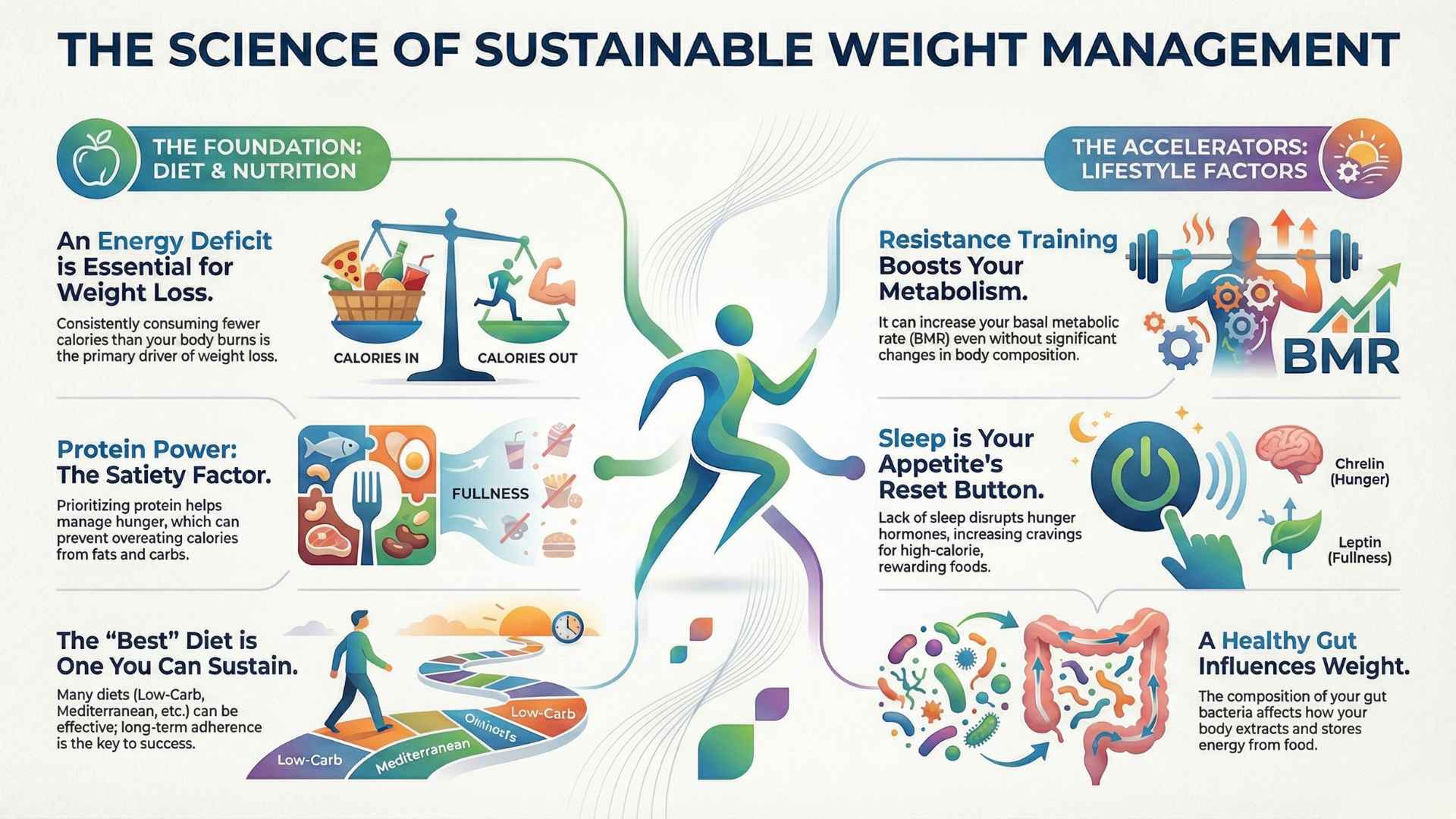
The Struggle is Real: Why Losing Weight Fast Often Feels Like a Losing Battle
We have all been there—the temptation to follow a “no-salt” or “juice-only” detox to see quick results before a wedding or an event. However, these methods usually fail because they ignore your body’s basic metabolic needs. In simple terms, when you starve your body, it goes into “survival mode,” which actually slows down your metabolism and causes muscle loss rather than fat loss.
What this means for your daily routine is that you end up feeling irritable and hungry, leading to a “indulge” on parathas or sweets later in the week. I want to help you break this cycle. Real weight loss isn’t about eating less; it is about eating right for your unique Indian body type and metabolic profile.
“I’ve Tried Everything!” – Why Your Traditional Indian Diet Might Be Hiding Extra Calories
Let’s simplify this: our traditional meals are delicious, but they are often heavy on “white” carbohydrates. Whether it is a large portion of white rice or multiple butter-laden rotis, these refined carbs cause insulin spikes that lead to fat storage, particularly around the belly. Furthermore, many hidden calories hide in our cooking methods—that “extra” spoon of ghee or the deep-frying of healthy vegetables like karela or bhindi.
For many NRIs and busy professionals, the struggle is even harder because processed “ready-to-eat” Indian meals have become the norm. These packages often contain high sodium and palm oil, which lead to water retention and bloating. Consequently, you might feel like you are eating “Indian food,” but you aren’t getting the nutritional benefits of a home-cooked, balanced thali.
Myth Buster: Why Skipping Meals or Going “No-Carb” is Sabotaging Your Metabolism
The short answer is: skipping breakfast or cutting out rotis entirely is not a long-term solution to lose weight fast and safely. I know it’s hard to find time in the morning, but skipping meals actually increases your hunger hormones (ghrelin), making you eat twice as much at lunch.
Similarly, many people believe that “carbs are the enemy.” However, your brain and muscles need complex carbohydrates to function. Instead of going “no-carb,” the goal should be “slow-carb.” Swapping white bread or maida for whole grains like Jowar, Bajra, or Ragi provides the fiber needed to keep you full for 4–5 hours, preventing those 4 PM samosa cravings.
The Science of Safe Fat Loss: Understanding Calorie Deficit in an Indian Household
To achieve safe weight reduction, you need to understand the 50-25-25 plate rule. Imagine your lunch plate: half (50%) should be filled with non-starchy vegetables (like lauki, tori, or spinach), one-quarter (25%) with protein (dal, paneer, or eggs), and the remaining quarter (25%) with complex carbs like a single multigrain roti or brown rice.
This ratio is crucial because protein has a “thermic effect,” meaning your body burns more energy just to digest it. For someone with Diabetes or Hypertension, this balance is even more vital. Research from the Indian Council of Medical Research (ICMR) suggests that increasing vegetable intake to 400g daily can significantly improve metabolic health and aid in weight management.
Kitchen Swaps & Plate Logic: Practical Food Solutions for Every Desi Kitchen
Let’s make this practical for your kitchen. One of the most effective healthy weight loss tips is to master the “Chilla over Paratha” swap. A stuffed aloo paratha can pack over 300 calories with very little protein. In contrast, a Moong Dal Chilla provides high-quality plant protein and fiber for about 150 calories, keeping you satiated much longer.
Here are a few other simple swaps:
- Instead of White Rice: Try Foxtail Millet or Brown Rice.
- Instead of Buffalo Milk: Use toned or skimmed milk to reduce saturated fat.
- Instead of Table Salt: Use rock salt (Sendha Namak) in moderation, especially if you have Hypertension.
- Instead of Sugary Chai: Try Jeera (cumin) water or Ajwain water to boost digestion.
Your 24-Hour Fat Loss Blueprint: A Simple Daily Routine for Busy Indians
Consistency is the secret to a rapid fat loss guide. Here is a sample flow you can start tomorrow:
- 6:30 AM (Metabolism Kickstart): 1 glass of warm lemon water with 5 soaked almonds.
- 8:30 AM (High-Protein Breakfast): 2 Moong Dal Chillas with mint chutney or a bowl of vegetable Poha with peanuts.
- 11:00 AM (Mid-Morning): 1 seasonal fruit like a Guava or Apple (Low GI options).
- 1:30 PM (Balanced Lunch): 1 Multigrain roti, a large bowl of dal, 1 cup of seasonal sabzi, and a bowl of curd.
- 4:30 PM (Evening Snack): A handful of roasted Makhana (fox nuts) or roasted Chana with green tea.
- 7:30 PM (Early Dinner): A bowl of vegetable soup with grilled paneer or a light Moong Dal Khichdi. Finishing your dinner before 8 PM is essential for a safe weight reduction.
The Silent Progress Killers: Common Mistakes Most Indians Make While Dieting
I often see clients who “eat healthy” but fail to see results. The culprit is usually the “Chai-Nashta” habit. Did you know that a single cup of sweet masala tea with two pieces of local bakery rusk can add nearly 200 calories to your day?. Rusk is essentially maida, sugar, and palm oil—a combination that spikes your blood sugar and halts fat burning.
Other “progress killers” include:
- Drinking Fruit Juices: Even “fresh” juice lacks fiber and is pure sugar. Eat the whole fruit instead.
- Late-Night Snacking: Eating while watching TV leads to “distracted eating,” where you consume 30% more calories without realizing it.
- Lack of Sleep: If you sleep less than 7 hours, your cortisol (stress hormone) levels rise, which specifically causes belly fat storage.
Slow Progress is Still Progress: Keeping Your Motivation High on Tough Days
I want you to remember that one “cheat meal” at a Sunday brunch does not mean you have failed. The goal is to be consistent, not perfect. If you have PCOS or a Thyroid condition, your progress might feel slower, but it is still happening. Focus on “Non-Scale Victories”—is your energy higher? Do your clothes fit better? Are you sleeping more soundly?
As per Harvard Health, people who lose weight steadily (0.5 to 1 kg per week) are significantly more likely to keep it off long-term than those who lose it rapidly through starvation. Celebrate your small wins, like choosing a salad over a samosa or completing a 20-minute walk after dinner.
Ready for a Transformation? Let’s Build Your Personalized Path to Health
If you are struggling with medical conditions like Diabetes or PCOD, a generic Indian diet plan for weight loss might not be enough. You need a strategy that respects your blood markers and lifestyle. At Diet Dekho, we specialize in creating custom nutrition plans that include your favorite Indian foods while ensuring you hit your health goals.
Frequently Asked Questions (FAQs)
1. How can I lose weight fast and safely without going to the gym?
You can lose weight by focusing on a 70% diet and 30% movement ratio. Incorporating a 30-minute brisk walk daily and doing basic body-weight exercises like squats or lunges at home can burn significant calories without a gym membership.
2. Is white rice allowed in an Indian diet plan for weight loss?
Yes, but in moderation. The key is to control the portion (1/2 cup) and always pair it with a large portion of fiber (salad) and protein (dal or chicken) to lower the overall glycemic load of the meal.
3. What is the best Indian breakfast for weight loss?
High-protein options like Moong Dal Chilla, Besan Cheela, or Sprouts Salad are best. They keep you full longer and provide essential amino acids to maintain muscle mass while you lose fat.
4. Can I lose weight if I have PCOS or Hypothyroidism?
Absolutely. You need to focus on low-GI foods (like millets and pulses) and anti-inflammatory spices like turmeric and ginger. Managing insulin resistance through diet is the primary way to lose weight with PCOS.
Disclaimer: This blog post was written to help you make healthier food choices altogether. So, be aware and take care. The important thing to consider is your health before starting a restrictive diet. Always seek advice from a doctor or dietitian before starting if you have any concerns.

Abhinav is the Founder of Diet Dekho, helping people manage weight and lifestyle health through simple, practical nutrition and personalized diet plans.