
Are you tired of that persistent lower stomach pooch that resists every effort? Many Indians find that stubborn belly fat is the hardest part of their weight loss journey. I know it’s hard to find time between work and family, but understanding how to reduce waist size starts with science, not just sweat.
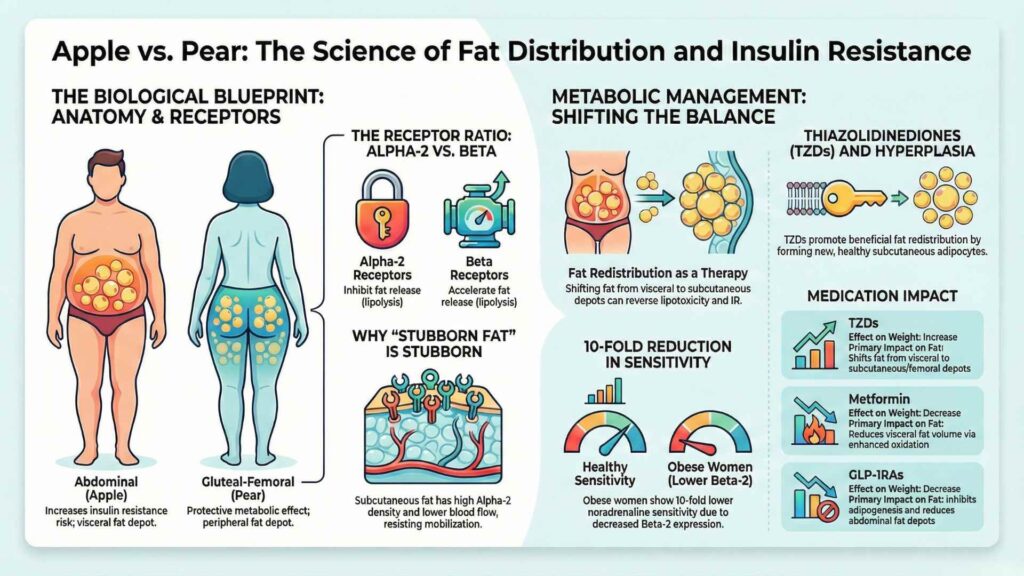
Direct Answer Block: Stubborn belly fat is primarily subcutaneous fat with a high density of alpha-2 receptors that inhibit fat release. Unlike visceral fat, it has poor blood circulation and high insulin sensitivity. To lose it, you must stabilize insulin through a high-protein Indian diet, manage cortisol, and use consistent, low-impact daily movement.
Why stubborn belly fat feels impossible to lose?
The resistance you feel in your midsection is not due to a lack of effort. It is actually rooted in the biochemical makeup of your fat cells. Fat in the midsection differs fundamentally from fat in your arms or face. This difference comes down to the types of receptors on the surface of those cells.
How receptors control your waistline
Fat cells have two types of receptors: alpha and beta. Think of beta-receptors as the “accelerators” for fat loss because they trigger enzymes that break down fat. Alpha-receptors act as the “brakes.” In areas containing stubborn belly fat, your body packs significantly more alpha receptors than beta receptors.
The blood flow challenge
Blood circulation is a critical determinant of how fast you lose weight. Stubborn regions receive significantly less blood flow than regular fat deposits. Because of this poor circulation, even if your body releases fat, it often remains stagnant in the local tissue. This trapped fat eventually settles back into the cells, making it difficult to reduce waist size.
Why insulin sensitivity matters
Insulin plays a pivotal role in how your body handles stubborn belly fat. This specific type of fat is remarkably sensitive to insulin. When you eat refined carbohydrates, your insulin levels stay high. This hormonal environment keeps the “storage gates” of your belly fat cells locked and prevents fat burning.
Understanding visceral fat: Why Indian body types store weight in the midsection
To effectively reduce waist size, you must distinguish between the fat you can pinch and the fat hidden deep inside. Subcutaneous fat sits directly under the skin. While it is the primary part of stubborn belly fat, it is not the most immediate threat to your health.
The “Thin-Fat” Indian phenotype
Many South Asians experience the “thin-fat” phenotype, also known as “normal weight obesity.” You might have a healthy weight on the scale but carry high levels of internal fat. This happens because our bodies have a limited capacity to store fat safely under the skin. Instead, the fat “spills over” into our internal organs.

Genetic adaptation and the thrifty gene
Our ancestors survived frequent famines, leading to a genetic adaptation called the “thrifty gene.” This means our bodies are incredibly efficient at storing energy and very resistant to releasing it. In our modern environment of sedentary desk jobs, this survival mechanism often results in persistent abdominal fat.
Measuring your internal risk
For Indians, your waist circumference is a much better health predictor than a traditional weighing scale. A waist larger than 90 cm for men or 80 cm for women indicates abdominal weight. According to Harvard Health, this internal fat creates a cycle of inflammation that makes weight loss harder.
Common Indian diet myths: Why “just eating less” isn’t working for your waistline
One of the biggest mistakes I see is people starving themselves. Let’s simplify this: starving your body never leads to sustainable fat loss. It actually slows your metabolism and triggers intense cravings. In an Indian context, skipping meals often leads to consuming excessively large portions at night, which spikes insulin.
The truth about dal and protein
Many of us grew up believing dal is a complete protein source. While lentils are healthy, a single bowl only offers about 6 to 8 grams of protein. It is mostly a carbohydrate. If you rely only on dal for protein, you likely aren’t getting enough to help your body burn stubborn belly fat.
Hidden sugars in “healthy” snacks
Be careful with “digestive” biscuits or “lite” rusks with your evening tea. These snacks often contain maltodextrin and refined flour that cause rapid blood sugar spikes. Even “100% natural” fruit juices lack the fiber of the whole fruit and act like liquid sugar in your liver, which makes it harder to reduce waist size.
Ghee versus refined oils
For years, traditional fats like desi ghee were demonized. However, pure ghee contains butyric acid which supports gut health. The real danger lies in trans fats found in samosas or bakery items. These processed fats are directly linked to the accumulation of visceral fat and stubborn belly fat.

Practical Indian meal swaps and metabolism-boosting habits
You don’t need to give up your favorite cultural foods to see a flatter stomach. Instead, use strategic “meal swaps” to lower the insulin response of your plate. For example, replace refined wheat (maida) with millets like ragi, jowar, or bajra. These grains are high in fiber and have been proven to help reduce waist size naturally.
The Indian “Plate Method”
Try to fill half your plate with non-starchy vegetables like bottle gourd (lauki), cauliflower, or spinach. One-quarter should be a high-quality protein, such as paneer, sprouts, or eggs. The final quarter is for your complex carbohydrates. This balance prevents the insulin spikes that keep stubborn belly fat locked in place.
Smarter breakfast choices
Swap your white rice poha for a moong dal chilla stuffed with grated paneer. Starting your day with protein stabilizes your blood sugar and stops mid-morning hunger. If you enjoy poha, add a large handful of roasted peanuts and extra vegetables to slow down its digestion and protect your waistline.
Healthy evening snack alternatives
The “4 PM hunger” is often when we reach for unhealthy biscuits. Instead, try roasted makhana (fox nuts) or a small bowl of sprouts salad. These options provide fiber and magnesium. Magnesium-rich foods help regulate your stress response, which is essential for those who want to reduce waist size for good.
Your daily flat-belly routine: From morning detox water to balanced dinner plates
Losing stubborn belly fat requires a routine that supports your natural hormones. I know it’s hard to find time, but small bursts of movement truly matter. Brisk walking for just 10 minutes after each meal helps clear glucose from your blood and improves your body’s insulin sensitivity.
Morning metabolism starters
Start your day with warm jeera (cumin) water or methi (fenugreek) water. Cumin supports digestive enzymes, while fenugreek is rich in fiber that helps stabilize your blood sugar. These traditional remedies act as a gentle signal to your metabolism to wake up and start burning fat.
Moving more while sitting less
If you have a desk job, try to stand up or walk every 30 minutes. Prolonged sitting is linked to a larger waistline, regardless of how much you exercise. Fidgeting, taking the stairs, and light stretching at your desk all count toward your daily energy burn and help reduce stubborn belly fat.
The power of quality sleep
High cortisol—the stress hormone—is a major driver of abdominal weight gain. Poor sleep keeps your cortisol levels high the next day, making it nearly impossible to burn stubborn belly fat. Aim for 7 to 8 hours of quality rest and use deep breathing to lower your stress levels.

Many people focus only on cardio, but for Indians, resistance training is key. Because we naturally have lower muscle mass, we burn fewer calories at rest. Simple bodyweight exercises like squats help build the muscle needed to support a healthy metabolism and effectively reduce waist size.
Stop trying to “spot reduce”
Performing hundreds of crunches will not melt away stubborn belly fat. You cannot choose where your body burns fat. The best approach is to lower your overall body fat through balanced nutrition. As your total fat percentage drops, the fat around your belly will eventually follow.
Be careful with “low-fat” labels
Often, processed snacks labeled “low-fat” replace the fat with high amounts of sugar and salt. These products are often more damaging to your insulin levels than the full-fat versions. Always read the back of the packet for hidden sugars like maltose or corn syrup that fuel stubborn belly fat.
The hidden impact of alcohol
Alcohol consumption contributes significantly to abdominal weight. It is calorie-dense and temporarily halts your liver’s ability to burn fat. In India, where drinks are often paired with deep-fried namkeens, the metabolic impact is doubled. Reducing alcohol is a fast way to shrink stubborn belly fat.
Motivation for the journey: Why slow progress is the best way
Losing stubborn belly fat is a journey that requires mental resilience. The(https://pmc.ncbi.nlm.nih.gov/articles/PMC12550443/) found that over 70% of Indian adults have at least one metabolic abnormality. This means your focus should be on internal health as much as the mirror.
Tracking your internal wins
For those managing PCOS, diabetes, or hypertension, your motivation should be rooted in health. Even a modest 5 to 10% weight loss can lead to massive improvements in your HbA1c levels. These “internal wins” are far more important than the number on the scale for long-term health.
| Condition | Weight Loss Goal | Expected Health Outcome |
| Type 2 Diabetes | 5–15% | Lower HbA1c and reduced medication |
| Hypertension | 5–15% | Improved BP and heart health |
| PCOS | 5–15% | Improved ovulation and hormone balance |
| Fatty Liver | 7–10% | Significant reduction in liver fat |
Handling plateaus with patience
Weight loss plateaus are an inevitable part of the process. If your progress stalls, it often means your body has adapted to your current routine. This is the time to add variety to your movement or re-examine hidden sugars. Consistency is the only way to finally reduce waist size effectively.
Start your transformation today: Book a consultation
Achieving a slimmer waistline is a transformative experience that begins with one small decision. By prioritizing protein, moving your body daily, and managing your stress, you can finally overcome the challenge of stubborn belly fat. Take a mindful bite today and protect your future health.

Frequently Asked Questions
1. Is it safe to exercise if I have high blood pressure while trying to reduce waist size?
Yes, but you should start slowly. Brisk walking and gentle yoga are excellent. Avoid very high-intensity sessions until your doctor clears you. Consistent, moderate movement is the safest way to target stubborn belly fat when managing hypertension.
2. Can I eat rice while trying to lose belly fat?
Yes, rice is not the enemy. The key is portion control. Try swapping white rice for brown or red rice, and always pair it with a large portion of vegetables and protein to keep your insulin stable and avoid gaining stubborn belly fat.
3. What is a “cortisol belly”?
A “cortisol belly” is a non-medical term for fat stored due to chronic stress. High cortisol tells your body to store fat around your vital organs for “survival.” Managing your stress and sleep is the only way to reduce this specific type of stubborn belly fat.
4. Are there any other strategies to reduce waist size effectively?
Consistency in your diet is key. Adding fiber through whole grains and drinking traditional detox waters like jeera or methi water can significantly aid digestion. These tools help you manage stubborn belly fat by keeping your metabolic rate high.
5. How long does it take to see results?
With consistent changes, most people see visible results in 8 to 12 weeks. Remember, your body often loses dangerous internal fat first. This means your health is improving even before your stubborn belly fat visibly starts to shrink.
Transform your health with DietDekho.com. Our senior nutritionists specialize in Indian-specific plans designed to tackle stubborn belly fat and improve metabolic health. (https://dietdekho.com/form/) and take the first step toward a flatter, healthier you!
Disclaimer: This blog post was written to help you make healthier food choices altogether. So, be aware and take care. The important thing to consider is your health before starting a restrictive diet. Always seek advice from a doctor or dietitian before starting if you have any concerns.
BOOK YOUR APPOINTMENT
Dr. Ritika is a nutrition and lifestyle expert with 2+ years of experience, helping clients manage weight and health through practical, personalized diet plans.