
Managing blood glucose while attempting to reduce body mass often feels like a constant battle against one’s own physiology. For many, the weight loss diet for diabetes is not merely a caloric restriction but a sophisticated balancing act between insulin management and nutritional density.
The short answer is that a weight-loss diet for diabetes focuses on high-fiber, low-glycemic index Indian staples, portion control of refined grains, and a significant increase in plant-based protein intake to improve insulin sensitivity. This structured Indian diet plan for diabetes helps replace just 5% of carbohydrate calories with protein from pulses or dairy, which can significantly lower metabolic risks and move toward long-term sugar stability.
How does the struggle with weight loss manifest when managing diabetes?
The intersection of diabetes management and weight reduction is characterized by a metabolic trap that makes traditional dieting feel increasingly difficult for the Indian population. In simple terms, the hormone insulin, which is often elevated in people with type 2 diabetes, acts as a primary signal for fat storage. When blood sugar levels fluctuate due to high carbohydrate intake, the body is constantly signaled to store excess glucose as adipose tissue, particularly in the abdominal region.
This creates a situation in which a person with a higher body weight may consume fewer calories yet still be unable to lose weight because the body remains in storage mode rather than burning mode. For busy professionals and homemakers, this struggle is often exacerbated by the TOFI profile—Thin on the Outside, Fat on the Inside—which is common in the Indian context.
Even individuals with a normal Body Mass Index (BMI) may experience metabolic weight challenges, characterized by excess visceral fat around organs. This internal fat further drives insulin resistance, creating a self-sustaining cycle of weight gain and rising blood sugar levels. The frustration is real, as standard weight loss advice often ignores the hormonal complexities of insulin resistance, leading to energy crashes and failed attempts at weight control. This is why a customized Indian diet plan for diabetes is essential to break the cycle.
Furthermore, women managing conditions like PCOD/PCOS or thyroid disorders face additional hurdles. PCOS and diabetes are linked through shared insulin resistance pathways, making weight gain around the midsection almost inevitable without a targeted weight loss diet for diabetes. Similarly, thyroid imbalances can slow the metabolic rate, meaning even a well-intentioned calorie-controlled diet for diabetes management may not yield results if the underlying hormonal environment is not addressed.
Metabolic characteristics of Indian weight subtypes
The following table outlines the different metabolic subtypes identified in the Indian population, highlighting why weight loss is not a one-size-fits-all journey.
| Weight Subtype | Prevalence (%) | Metabolic Risks | Common Characteristics |
| Metabolically Unhealthy, Normal Weight (MUNW) | 43.3 | High HbA1c, BP, and Cholesterol | High visceral fat despite normal BMI |
| Metabolically Unhealthy, Higher Weight (MUHW) | 28.3 | Highest risk for T2D and CVD | Significant abdominal circumference |
| Metabolically Healthy, Normal Weight (MHNW) | 26.6 | Reference Group | Standard healthy metabolic profile |
| Metabolically Healthy, Higher Weight (MHHW) | 1.8 | Lower immediate diabetic risk | High BMI but stable sugar levels |
Why do most quick-fix diets fail for those with diabetes?
The attraction of rapid results through restrictive fad diets is strong, but for a person with diabetes, these strategies are often a recipe for metabolic disaster. Quick-fix diets usually involve extreme caloric deficits that do not account for the necessity of blood sugar stability. When calories are cut too drastically, the body often responds with hypoglycemia (low blood sugar), leading to symptoms like shakiness, dizziness, and intense hunger pangs.
This physical distress often forces the individual to rescue their sugar levels with high-calorie snacks, leading to a cycle of excessive consumption followed by restriction that effectively halts any weight loss progress. In simple terms, these diets fail because they ignore the body’s protective mechanisms. When a person with diabetes skips meals or follows an overly restrictive plan, the liver may release stored glucose to compensate for the perceived starvation.
This rebound hyperglycemia is often confusing for dieters, who see their sugar levels rising despite their best efforts to eat less. Furthermore, many quick-fix diets focus on water weight rather than fat loss, and the resulting muscle loss can actually lower the metabolic rate. A sustainable Indian diet plan for diabetes must therefore be practical and culturally relevant, rather than a short-term, unsustainable overhaul that ignores the realities of the Indian kitchen.

Myth-busting: Can individuals with diabetes eat rice or carbs?
There is a long-standing myth in Indian households that rice and carbohydrates are absolute enemies. However, current nutritional science, including the ICMR-INDIAB study, suggests that it is the quality and quantity of the carbohydrates that define the outcome. Refined carbohydrates, such as white rice and maida (refined flour), are indeed problematic because they lack fiber and cause rapid insulin spikes.
But complex carbohydrates—those found in whole grains, millets, and pulses—provide the necessary fiber to slow down digestion and stabilize blood sugar. What this means for your daily routine is that you do not have to abandon rice entirely. For instance, long-grain basmati rice has a lower glycemic index than short-grain, sticky rice because its starch structure takes longer to break down.
Integrating an Indian diet plan for diabetes allows you to switch from regular whole wheat flour to Khapli (Emmer) wheat, which has a lower GI and is absorbed more slowly. The goal is a rebalanced plate, not an empty one. Millets like bajra (pearl millet) and jowar (sorghum) are traditional staples that are naturally high in magnesium and fiber, helping to regulate glucose receptors in the body.
Glycemic Index of common Indian grains
| Grain Type | Glycemic Index (GI) | Recommended Status | Impact on Weight Loss |
| White Sticky Rice | 72–89 | Avoid/Limit | High insulin spike; promotes fat storage |
| Brown Rice | 50–66 | Moderate | Slower digestion; good for satiety |
| Basmati Rice | 50–55 | Moderate | Preferred rice choice for diabetics |
| Khapli (Emmer) Wheat | 45–55 | Recommended | Low GI; helps in insulin management |
| Bajra (Pearl Millet) | 55 | Recommended | High fiber; good for digestion |
| Foxtail Millet | 50 | Recommended | Rich in fiber and antioxidants |
The science of insulin resistance and weight gain
To follow a weight-loss diet for diabetes effectively, it is essential to understand the underlying biological mechanism: insulin resistance. In a healthy body, the pancreas releases insulin to act as a key, allowing blood sugar to enter the cells for energy. However, when cells become resistant, they ignore insulin, and the pancreas overcompensates by producing more insulin. This state of chronically high insulin is the primary driver of fat storage.
Insulin is a storage hormone. When levels are high, the body is physically unable to break down stored fat for fuel. Instead, any excess glucose in the bloodstream is sent to the liver and eventually stored as body fat, especially around the waist. This is why many heavier people find that even if they eat very little, their belly fat refuses to budge.
The short answer to breaking this cycle is to lower the insulin demand. By choosing foods that cause a slow, steady rise in blood sugar, you allow the body’s insulin levels to drop. When insulin levels are low, the body can finally access its fat stores for energy. This is the scientific reason why a low-glycemic Indian diet plan for diabetes is so effective for weight loss—it addresses the hormonal lock on the fat cells.

Top 5 Indian superfoods for diabetes and weight loss
In simple terms, certain traditional Indian ingredients contain bioactive compounds that act like natural medicines to help control sugar and aid in weight loss. An Indian diet plan for diabetes often utilizes these home-based solutions.
1. Fenugreek Seeds (Methi)
Methi seeds are rich in soluble fiber, which slows down the digestion of carbohydrates. They also contain an amino acid called 4-hydroxyisoleucine that helps stimulate insulin secretion when blood sugar is high.
- Preparation: Soak 1-2 teaspoons of methi seeds in a glass of water overnight and drink it on an empty stomach.
2. Bitter Gourd (Karela)
Karela contains polypeptide P, a plant-based insulin, and charantin, which improve glucose uptake in muscles. This makes it an excellent addition to a diabetic weight loss meal plan.
- Preparation: Drinking 30 ml of fresh juice 2 to times a week can significantly lower fasting blood sugar levels.
3. Cinnamon (Dalchini)
Cinnamon has the ability to mimic insulin and increase glucose transport into cells. It also slows stomach emptying, keeping you feeling full for longer.
- Preparation: Sprinkling half a teaspoon of cinnamon powder on your morning oats or tea is an easy way to integrate it into your Indian diet plan for diabetes.
4. Indian Gooseberry (Amla)
Amla is a powerhouse of vitamin C and antioxidants, which help protect the pancreas and improve glucose metabolism. It is also known to help lower cholesterol.
5. Turmeric (Haldi)
Curcumin, the active ingredient in turmeric, is highly anti-inflammatory and has been shown to improve insulin sensitivity. For individuals with PCOD or joint pain, turmeric helps reduce the chronic inflammation that often stalls weight loss.
A sample 1-day Indian diabetic weight loss meal chart
Consistency in meal timings is crucial for maintaining stable blood sugar and preventing the cravings that lead to weight gain. This Indian diet plan for diabetes rebalances the plate by emphasizing protein and fiber.
Breakfast: The Foundation of Energy
I know it’s hard to find time, but skipping breakfast is a major risk factor for insulin spikes later in the day. A high-protein breakfast ensures you stay full.
- North Indian Option: 1 Moong Dal Chilla with plenty of grated vegetables and a small bowl of curd.
- South Indian Option: 2 Ragi Idlis or a small bowl of Vegetable Dalia Upma.
Lunch: The Rebalanced Plate
This means you should fill half your plate with vegetables. For lunch, focus on lentil-first eating.
- North Indian Option: 1-2 multigrain chapatis, a large bowl of rajma, and seasonal vegetables.
- South Indian Option: A small portion of brown rice, 1 bowl of sambar (with extra drumsticks), and a side of curd.
Evening Snack: Avoiding the Tea-Time Trap
The evening is when many diets fail due to chai and biscuits. Marie biscuits are often high in refined flour.
- Option 1: A handful of roasted Makhana or roasted Chana.
- Option 2: A sprout salad with chopped onions and lemon.
Dinner: Light and Early
Eating dinner at least 2-3 hours before bedtime helps the body focus on repair. This is a core part of an effective Indian diet plan for diabetes.
- Option 1: A bowl of Vegetable Dalia Khichdi or Quinoa Pulao.
- Option 2: Grilled Paneer or Tofu with stir-fried vegetables.

Dangerous mistakes: Skipping meals and over-exercising
Many individuals assume that the faster they cut calories, the quicker they will see results. However, for a person with diabetes, these extremes are dangerous. Skipping meals can lead to a massive drop in blood sugar (hypoglycemia), causing confusion and heart palpitations. Consistently missing meals also triggers a survival response that slows metabolism and prompts the body to hold onto fat.
Over-exercising without proper nutritional support is another common error. While 30 minutes of brisk walking is excellent, intense sessions without adequate protein can lead to muscle loss. Muscle is a metabolically active tissue; it burns glucose even when you are resting. If you lose muscle because of a restrictive diet, your insulin resistance may actually worsen.
What this means for your daily routine is that balance is key. A consistent 30-minute walk combined with a protein-rich Indian diet plan for diabetes is far more effective for long-term results than an occasional intensive workout. It is about replacing poor-quality calories with nutrient-dense ones rather than just eliminating food.
Small wins: How a 5% weight loss transforms your HbA1c
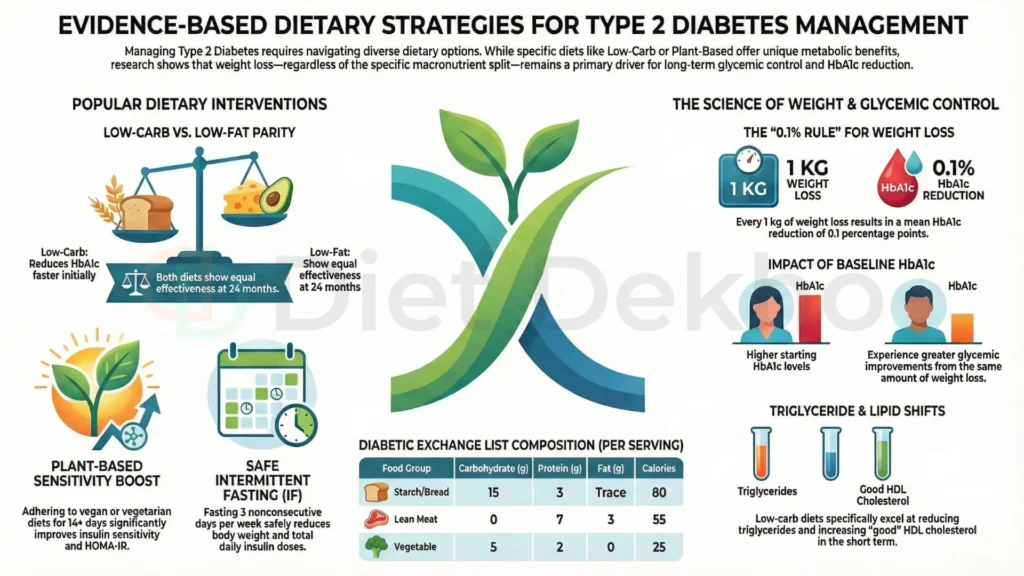
It is easy to get discouraged when the scale doesn’t move fast. However, for someone with diabetes, small weight loss has big clinical results. According to the NIH and the ICMR-INDIAB study, losing just 5% of your total body weight (e.g., 4 kg for an 80 kg person) can lead to a 1.7-fold higher chance of diabetes remission.
This modest reduction improves insulin sensitivity so significantly that many patients are able to reduce their medications under medical supervision. This is why following a structured Indian diet plan for diabetes is so rewarding. The science is clear: every kilogram lost is linked to a reduction in HbA1c levels.
Let’s simplify this: you don’t need to reach your ideal weight to see massive health benefits. Focus on the first 5%. This manageable goal provides gentle motivation and delivers real, clinical results. As highlighted by the American Diabetes Association (ADA) 2025 guidelines, the focus should be on sustainable eating patterns that prioritize plant-based protein and fiber.

The protein gap: Rebalancing the Indian plate
The ICMR-INDIAB study highlights a critical protein gap in India. Most Indians obtain over 62% of their calories from carbohydrates, while protein intake averages only 12%. For anyone on a weight loss diet for diabetes, bridging this gap is non-negotiable. Protein is the most satiating macronutrient, meaning it keeps you full for longer.
In simple terms, adding protein to every meal helps blunt the blood sugar spike of the carbohydrates you eat. This is essential for muscle preservation. Without adequate protein, the body may break down its own muscle tissue for energy, which is a dangerous mistake. A balanced Indian diet plan for diabetes ensures you get enough protein from sources like chickpeas, rajma, and lentils.
Top Indian protein sources for diabetics
| Protein Source | Content per 100g | Benefit for Diabetes |
| Soya Chunks | 52g (dry) | High-quality complete protein |
| Paneer (Toned) | 18–20g | Slow-digesting; keeps you full |
| Roasted Chana | 18-20g | Excellent fiber-protein combo |
| Moong Dal | 7–9g (cooked) | Easy to digest; low GI |
| Grilled Fish | 20–25g | Omega-3 fats for heart health |
Managing diabetes with PCOD, thyroid, and hypertension
It is common for Indian patients to manage multiple conditions simultaneously. An Indian diet plan for diabetes must be adapted to handle these interlinked hormonal challenges.
PCOS and Diabetes
PCOS is linked to the same insulin resistance that causes weight gain. A diet rich in anti-inflammatory spices like ginger and cinnamon can help restore hormonal balance. Focusing on low-GI fruits like berries and apples is particularly helpful here.
Thyroid and Metabolism
The thyroid gland controls how fast your body burns energy. Ensuring adequate protein and micronutrients, such as selenium (found in walnuts), helps support thyroid function. Consistency in meal timing is even more critical for thyroid patients to prevent metabolism from slowing.
Hypertension (High Blood Pressure)
High insulin levels cause the body to retain sodium, which increases blood pressure. By following a blood sugar control diet for weight loss, you naturally lower your insulin levels, helping the kidneys flush out excess salt. A low-sodium Indian diet plan for diabetes is a powerful home-based solution.

Frequently Asked Questions
What is the best weight loss diet for diabetes patients?
There is no single best diet for all diabetes patients. A diabetes-friendly weight loss diet focuses on controlled carbohydrates, high fiber foods, adequate protein, healthy fats, and a moderate calorie deficit to improve blood sugar control and support fat loss.
Can people with diabetes lose weight safely through diet?
Yes, people with diabetes can lose weight safely through diet when meals are balanced and blood sugar levels are monitored. Gradual weight loss improves insulin sensitivity and glycemic control.
Which foods should be avoided in a diabetes weight loss diet?
People with diabetes should limit sugary drinks, sweets, refined carbohydrates, white bread, fried foods, and ultra-processed snacks. These foods cause rapid blood sugar spikes and add excess calories.
How does blood sugar control affect weight loss in diabetes?
Better blood sugar control reduces insulin spikes, lowers fat storage, and helps regulate appetite. Poor glucose control can increase hunger and make weight loss more difficult.
Is a low-carb diet safe for people with diabetes?
Moderate low-carb diets can be safe and effective for some people with diabetes when properly planned. Very low-carb or ketogenic diets require medical supervision, especially for those on insulin or glucose-lowering medications.
Can diabetes patients lose weight without exercise?
Yes, weight loss can occur through dietary calorie control alone. However, exercise improves insulin sensitivity, supports heart health, and helps maintain weight loss long term.
How long does it take to see weight loss results with a diabetes-friendly diet?
Initial improvements in blood sugar can occur within 1 to 2 weeks. Visible weight loss usually appears within 4 to 8 weeks, with steady fat loss over several months when habits are consistent.

Book your personalized diabetic nutrition consultation with Diet Dekho.
The journey to health is not a straight line, especially when managing chronic conditions like diabetes or hypertension. While general guidelines are helpful, a truly effective weight loss diet for diabetes must be tailored to your specific body composition and daily routine.
At Diet Dekho, we provide a holistic lifestyle strategy. We focus on real food available in your local market—no expensive supplements required. Our Indian diet plan for diabetes is designed to break through the plateaus that have held you back for years.
Get a personalized macro-balanced plan with a Diet Dekho expert. Losing weight with diabetes is about reclaiming your energy and lowering your HbA1c. Let us simplify the science for you.
Contact Us
We understand how overwhelming nutrition and weight loss information can feel. With so many opinions and confusing advice online, it’s easy to feel stuck or unsure about what to do next.
At Diet Dekho, you never have to figure it out alone. You can contact us anytime with any questions or concerns. Our expert dietitians are available 24/7 to guide, support, and help you stay on track. Whether your goal is weight loss or building healthier habits, we’re here to make the journey simpler and more sustainable for you.
Disclaimer
This blog is intended to help readers make healthier food choices. Your health should always be the top priority. Before starting any restrictive or special diet, especially if you have a medical condition or health concern, please consult a doctor or a qualified dietitian. Each body responds differently to food and lifestyle changes. Always choose what is safe and suitable for you.

Dr. Ritika is a nutrition and lifestyle expert with 2+ years of experience, helping clients manage weight and health through practical, personalized diet plans.