
Why is it that after weeks of meticulously counting your chapatis and resisting every gulab jamun at the office party, the numbers on your weighing scale still won’t budge? It is a question that haunts millions of Indians who feel they are doing everything right but seeing zero results. The reality is that for many, lifestyle changes for weight loss feel significantly harder than they should be because the traditional advice we receive often ignores our unique cultural, biological, and routine-based challenges. Implementing a sustainable Indian diet for weight loss is not just about eating less; it is about choosing the right habits that align with our desi lifestyles.
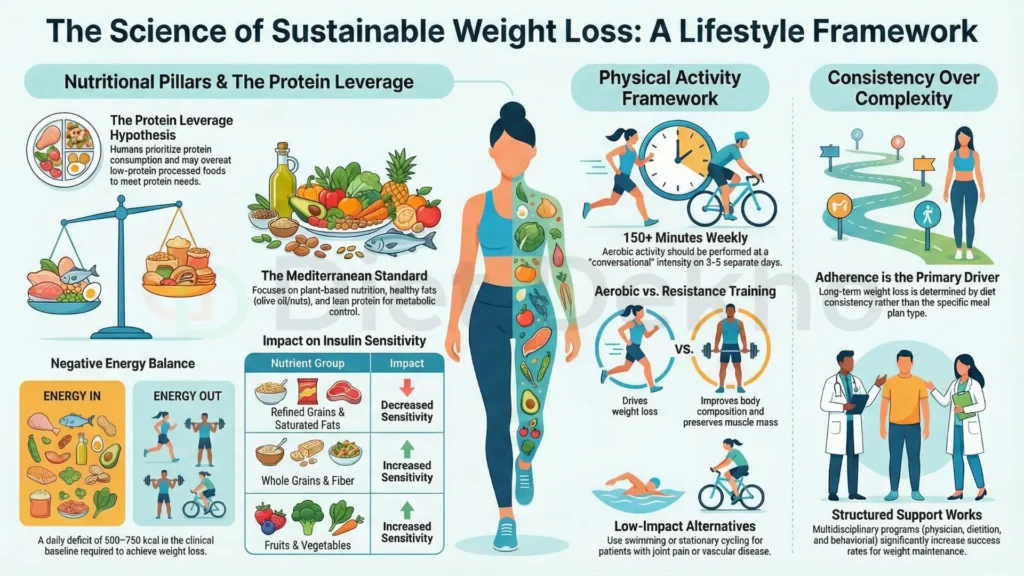
The short answer is that effective lifestyle changes for weight loss require a holistic shift beyond calorie counting; it involves rebalancing the Indian thali to include 20% protein, ensuring a consistent 11 PM sleep schedule to manage cortisol, and integrating 150 minutes of weekly movement. By addressing hormonal triggers and aligning daily habits with the body’s natural rhythm, sustainable fat loss becomes achievable without extreme deprivation.
Why is it frustrating not to see weight loss results even after following a diet?
The frustration of a weight-loss plateau often stems from a misunderstanding of how the Indian body interacts with modern environments. For many years, the primary health focus in India was addressing undernutrition, but the landscape has shifted dramatically. Data from the National Family Health Survey (NFHS-5) suggests that nearly one in every four adults in India is now higher weight.
The Metabolic Mismatch in Modern India
This surge is not merely a lack of willpower; it is the result of a metabolic mismatch. What this means for your daily routine is that the foods that once sustained our ancestors—large portions of grains like rice and wheat—are now being consumed in a sedentary, urban context where they are not burned off. This leads to abdominal obesity, a condition in which fat accumulates around the organs, even in individuals who might otherwise appear thin. In fact, an ICMR study estimates that 35 crore Indians carry excess abdominal weight. When the body is constantly supplied with high-carbohydrate energy that it cannot use, it stops burning stored fat and begins to prioritize fat storage, regardless of how clean the ingredients are.
Ultra-Processed Foods: A Global Barrier
The struggle is further complicated by the rising consumption of ultra-processed foods (UPFs), which increased from 900 million in 2006 to a staggering 37.9 billion in 2019 in India. These foods are engineered to be hyper-palatable, meaning they bypass our natural fullness signals. If a diet focuses only on reducing quantity without improving the quality of food, the body remains in a state of hidden hunger, where it is calorie-rich but nutrient-poor, causing the metabolism to stall in a defensive effort to conserve energy.
| Demographic Group | NFHS-4 Prevalence (%) | NFHS-5 Prevalence (%) | Percentage Increase |
| Children under 5 | 2.1 | 3.4 | 61.9% |
| Adult Women | 20.6 | 24.0 | 16.5% |
| Adult Men | 18.9 | 22.9 | 21.1% |
| Adolescent Boys | 1.7 | 6.6 | 288.2% |
The Relatable Struggle: Why lifestyle changes for weight loss feel harder than they should be
I know it’s hard to find time to exercise when you are juggling a 9-to-6 job, family responsibilities, and the social expectations that come with Indian culture. In many households, food is the primary language of love, and refusing a second helping of paratha or a piece of mithai can feel like a social transgression.
Cultural Expectations and Health
This cultural priority often places individual health goals on the back burner. Furthermore, for many busy professionals and homemakers, the environment is stacked against them. Urbanization has led to a 50% failure rate among Indians in meeting recommended physical activity levels. We live in a screen-centric world where the average person spends nearly 7 hours a day in front of a screen, leading to a sedentary lifestyle that often pairs with mindless snacking. When you are tired after a long day, the brain naturally craves high-sugar, high-fat foods for quick hits of dopamine, making it incredibly difficult to stick to a healthy plan.
NRI Challenges: Sedentary Shifts Abroad
For our NRI community in the USA, UK, Canada, and Australia, the struggle takes on a different dimension. Moving to a different climate and work culture often means losing the incidental walking that happens in India. Studies have shown that South Asians living abroad have a 30–40% higher risk of cardiovascular disease than other ethnic groups. This is largely because they maintain high-carbohydrate habits while living even more sedentary lives. Let’s simplify this: the struggle isn’t just in your head; it’s a result of a lifestyle that has moved faster than our biology can adapt.

Common Myths: Why completely cutting out carbs or skipping meals in an Indian diet is not right
Let’s clear the air: carbohydrates are not the enemy. The problem in the typical Indian thali is the imbalance and the refinement of those carbs. The ICMR-INDIAB study revealed that the average Indian gets 62% of their daily calories from low-quality carbohydrates like white rice and refined wheat. When searching for an Indian diet for weight loss, many people are told to stop eating carbs, which is a radical change that is culturally unsustainable. You don’t need to replace your roti with a lettuce wrap to see results.
The Milling Effect and Insulin Spikes
One of the most persistent myths is that switching from white rice to brown rice or whole wheat (atta) is a magic cure. However, studies found that if these grains are finely milled—the milling effect—they still cause blood sugar to spike almost as quickly as white rice. In simple terms, a finely powdered ragi flour or whole wheat atta behaves differently in your body than the intact whole grain. To make real lifestyle changes for weight loss, the focus must be on reducing the total quantity of grains while increasing the fiber and protein that accompany them.
The Starvation Trap
Another dangerous myth is that skipping meals—especially breakfast—is an effective way to cut calories. For someone managing hypothyroidism or diabetes, skipping breakfast is a recipe for disaster. It sends the body into a starvation mode that slows down the metabolism and triggers intense cravings for carbohydrates and sugar by mid-afternoon. Instead of skipping, the goal should be isocaloric substitution—replacing just 5% of your carbohydrate calories with plant or dairy proteins. This small shift can significantly reduce the risk of diabetes and help manage abdominal weight as part of an effective Indian diet for weight loss.
| Dietary Component | Typical Indian Intake | ICMR Recommendation | Impact on Weight |
| Carbohydrates | 62% – 70% | 50% – 55% | Excess stored as fat |
| Protein | 12% | 15% – 20% | Muscle loss, low satiety |
| Saturated Fat | High (Vanaspati/Ghee) | <10% | Increased inflammation |
| Salt | 8.5g – 10g | <5g | Water retention, BP |
Understanding the Root: The role of hormonal balance, routine, and sleep in your weight loss journey
If you’ve been struggling with weight, it is essential to look beyond the plate. Weight management is a complex biological process regulated by hormones such as insulin, cortisol, ghrelin, and leptin. When these hormones are out of balance, the body stubbornly holds onto fat.
The 11 PM Rule and Metabolic Chaos
One of the most transformative lifestyle changes for weight loss is aligning your sleep with the body’s natural circadian rhythm. The body has a biological clock that triggers a natural slowdown in digestion around 10:30 PM. Staying awake late into the night—especially after 11 PM—keeps the body in a state of stress, leading to elevated cortisol levels. High cortisol makes it nearly impossible to burn fat, regardless of your diet.
Furthermore, between 11 PM and 3 AM, the body undergoes its most efficient metabolic repair. If you are awake during this window, you enter a state of metabolic chaos. This disrupts ghrelin (the hunger hormone) and leptin (the fullness hormone). Have you noticed that you feel ravenous the day after a late night? That is your hormones demanding high-calorie fuel to compensate for the lack of repair.
Managing PCOS, Thyroid, and Diabetes
For women with PCOS, weight loss is often hindered by insulin resistance. This means your body needs more insulin to process the same amount of sugar, and high insulin is a fat-storage signal. Similarly, with hypothyroidism, the metabolic fire is dimmed, meaning you burn fewer calories even at rest.
In these cases, lifestyle changes for weight loss must be therapeutic. For PCOS, a protein-first eating strategy helps stabilize insulin. For thyroid health, ensuring adequate intake of selenium (found in Brazil nuts) and zinc (found in pumpkin seeds) is critical for hormone conversion. If you have hypertension, reducing salt to less than 5 g a day is not just for your heart; it reduces water retention and systemic inflammation that can mask fat loss.

Practical Daily Swaps: Simple food and habit solutions you can easily implement at home
I know it’s hard to change your entire kitchen overnight, so let’s focus on crowding out the bad with the good. Effective lifestyle changes for weight loss often start with the Plate Method. Imagine your plate divided: fill half with non-starchy vegetables (like bhindi, ghia, or palak), one-fourth with protein (like dal, paneer, or eggs), and only one-fourth with your grain (roti or rice). This is the foundation of a balanced Indian diet for weight loss.
Smart Indian Food Swaps
Instead of feeling deprived, use these simple swaps to lower your calorie intake while staying full. These are essential for a sustainable Indian diet for weight loss:
| Instead of This… | Try This… | The Health Benefit |
| Fried Samosa/Pakora | Roasted Makhana or Chana | Higher fiber, lower fat |
| 4 Idlis with Chutney | 2 Idlis + Extra Bowl of Sambar | Increased protein and satiety |
| White Rice | Brown Rice or Broken Wheat (Daliya) | Slower digestion, less insulin spike |
| Sugary Soda/Juice | Buttermilk (Chaas) or Lemon Water | Probiotics and hydration |
| 2 Aloo Parathas | 1 Stuffed Methi Paratha + 1 Bowl Curd | Better macro-balance |
The Science of Mindful Eating
What this means for your daily routine is that how you eat is as important as what you eat. It takes about 20 minutes for your brain to realize you are full. If you are eating while watching TV or scrolling through your phone, you miss these signals and end up overeating by habit. Try putting your spoon down between bites and chewing each mouthful 20–30 times. This simple act of slowing down can reduce your calorie intake by 10–15% without you even trying.
Your Ready-Made Structure: A simple morning-to-night flow for sustainable fat loss
Adopting a daily routine for weight loss helps reduce decision fatigue. When your day has a rhythm, your hormones stay stable, and you are less likely to make impulsive food choices. A structured Indian diet for weight loss follows this timeline to optimize your metabolism.
The Morning Power-Up (6:00 AM – 9:00 AM)
- The First Sip: Start with warm water and lemon or soaked methi seeds. This helps wake up your digestive system.
- Movement: You don’t need a gym. 30 minutes of brisk walking or 15 minutes of Surya Namaskar can boost your metabolism for the entire day.
- Protein-First Breakfast: Aim for 15–20 g of protein. Options include a moong dal cheela, vegetable poha with extra peanuts, or two boiled eggs.
The Mid-Day Balance (1:00 PM – 4:00 PM)
- Lunch: Use the half-plate veg rule. If you are a busy professional, carry a dabba with a simple seasonal sabzi, a small portion of dal, and one phulka.
- The Afternoon Slump: Instead of biscuits with tea, have a handful of makhana or a bowl of sprouts chaat. This keeps your blood sugar stable until dinner.
The Restorative Evening (7:00 PM – 11:00 PM)
- Early Dinner: Try to finish dinner by 8:00 PM. A light dinner like pumpkin soup or a paneer stir-fry helps the body focus on repair rather than digestion overnight.
- Digital Sunset: Dim the lights and put away screens by 10:00 PM. This signals your brain to produce melatonin.
- The 11 PM Deadline: Aim to be in bed and asleep by 11:00 PM to avoid the cortisol spike that prevents weight loss.

Avoiding Common Pitfalls: Mistakes like crash dieting and excessive caffeine that stall your progress
Many people fall into the trap of adopting weight-loss habits that are too extreme. Crash dieting—eating less than 1,000 calories or cutting out entire food groups—actually harms your metabolism in the long run. When you starve yourself, your body burns muscle instead of fat, and your metabolic rate drops, making it easier to gain the weight back later.
The Caffeine and Stress Cycle
Another common mistake is relying on excessive tea or coffee to suppress appetite. While a little caffeine can boost metabolism, having 4–5 cups of milky, sugary tea throughout the day adds hundreds of empty calories and can interfere with your sleep. Furthermore, chronic stress leads to emotional eating. When we are stressed, we reach for comfort foods. Learning to manage stress through 5 minutes of deep breathing or a quick hobby is more effective than any fat-burning pill.
The Hidden Calorie Trap
Be wary of ultra-processed health foods. Many multigrain biscuits or diet mixtures are high in palm oil and sodium. Stick to whole, home-based solutions whenever possible. Even if it’s just a simple bowl of curd and fruit, it is better than a processed protein bar filled with artificial sweeteners.
Support and Motivation: Why slow progress is still progress on your health journey
I know it is tempting to want to lose 10 kilos in a month, but sustainable fat loss habits are built on patience. A safe and achievable goal is losing 0.5 to 1 kilogram per week. This might feel slow, but it ensures that you are losing fat, not just water or muscle.
Measuring Non-Scale Victories
Focus on non-scale victories. Are your clothes fitting better? Do you feel less breathless when climbing stairs? Is your skin clearer? These are all signs that your lifestyle changes for weight loss are working, even if the scale hasn’t moved yet. Remember, your health journey is a marathon, not a sprint. Consistency—doing the small things right 80% of the time—is the secret to lasting transformation.
| Milestone | Why it Matters | Recommendation |
| First 5% Weight Loss | Improves heart health & sugar | Aim for 1-2 months |
| 150 Mins Movement/Week | Boosts metabolism | 30 mins, 5 days/week |
| Consistent 11 PM Sleep | Stabilizes hormones | Move bedtime 15 mins earlier each night |
| 2 Liters Water/Day | Aids detoxification | Keep a bottle at your desk |
Take the First Step: Talk to a Diet Dekho expert for a personalized nutrition and lifestyle plan.
You don’t have to do this alone. At Diet Dekho, we understand that everybody is different. Whether you are managing PCOS, navigating a busy corporate life in London, or taking care of a household in Delhi, we create plans that fit your life and integrate a realistic Indian diet for weight loss.

Frequently Asked Questions (FAQs)
What lifestyle changes help most with weight loss?
The most effective lifestyle changes include regular meal timing, mindful portion control, increased daily movement, adequate sleep, stress management, and reducing ultra-processed foods. These changes help create a sustainable calorie deficit without extreme restriction.
How long does it take for lifestyle changes to show weight loss results?
Small improvements such as reduced bloating and better energy may appear within 1 to 2 weeks. Visible weight loss usually occurs within 3 to 6 weeks when lifestyle changes are consistent.
Can weight loss happen with lifestyle changes alone without dieting?
Yes. Weight loss can occur through lifestyle changes such as portion awareness, reduced snacking, increased physical activity, and better sleep without following a strict diet plan. Consistency is key.
Which daily habits slow down weight loss?
Habits that slow weight loss include poor sleep, high stress, frequent snacking, sugary drinks, skipping meals, excessive screen time, and prolonged sitting. These habits disrupt appetite regulation and energy balance.
How important is sleep for weight loss?
Sleep is very important for weight loss. Inadequate sleep increases hunger hormones, reduces fullness signals, and is linked to higher calorie intake and weight gain.
Can stress affect weight loss results?
Yes. Chronic stress raises cortisol levels, which can increase appetite, promote fat storage, and make weight loss more difficult, especially around the abdominal area.
Are lifestyle changes enough for long-term weight loss maintenance?
Yes. Long-term weight maintenance depends more on consistent lifestyle habits than on short-term diets. People who maintain weight loss focus on daily routines rather than temporary plans.
Contact Us
We understand how overwhelming nutrition and weight loss information can feel. With so many opinions and confusing advice online, it’s easy to feel stuck or unsure about what to do next.
At Diet Dekho, you never have to figure it out alone. You can contact us anytime with any questions or concerns. Our expert dietitians are available 24/7 to guide, support, and help you stay on track. Whether your goal is weight loss or building healthier habits, we’re here to make the journey simpler and more sustainable for you.
Disclaimer
This blog is intended to help readers make healthier food choices. Your health should always be the top priority. Before starting any restrictive or special diet, especially if you have a medical condition or health concern, please consult a doctor or a qualified dietitian. Each body responds differently to food and lifestyle changes. Always choose what is safe and suitable for you.

Dr. Ritika is a nutrition and lifestyle expert with 2+ years of experience, helping clients manage weight and health through practical, personalized diet plans.