Are you eating everything in sight but still not seeing any change on the scale? It feels frustrating when you try to bulk up, but your body stays the same. Many people wonder which foods to avoid for weight gain that is healthy and sustainable. Let’s simplify your journey to a stronger, healthier physique.
To gain healthy weight, you must avoid empty calorie foods like deep-fried samosas, sugary sodas, and ultra-processed namkeens. These items promote fat storage rather than muscle growth. Instead, focus on a nutrient-dense Indian diet plan for weight gain that includes lean proteins, complex carbs, and healthy fats.
Why are you still struggling to gain weight despite eating more?
I know it’s hard to stay motivated when you feel thin even after heavy meals. You might think that eating more of anything will help you bulk up. However, the quality of your calories matters more than the quantity. Many Indians struggle with a high metabolic rate, which means your body burns energy faster than average.
If you are a person in a higher-weight body or a heavier person trying to manage health, you know that balance is everything. For those trying to add mass, the struggle is often invisible. You might feel weak or lethargic because you are filling your stomach with the wrong fuel. Let’s look at why your current strategy might be failing you.
The frustration of feeling thin even after trying every heavy meal in the kitchen
Many of my clients at DietDekho come to me exhausted. They have tried weight gain syrups or followed random advice to eat more ghee and parathas. What this means for your daily routine is a cycle of bloating and poor digestion rather than actual muscle growth.
You might feel like you are eating heavy food, but you are likely missing the building blocks of a healthy body. If your goal is a healthy Indian physique, you need more than just bulk; you need strength. Understanding the specific foods to avoid for weight gain that only adds fat is the first step to your transformation.
Why stuffing yourself with junk and oily snacks isn’t the right way to bulk up
One of the biggest weight gain diet mistakes is relying on dirty bulking. This is when you eat high-sugar and high-fat street foods like jalebis, pakoras, and burgers. While these are high in calories, they lack the vitamins and minerals your body needs to thrive.
Deep-fried snacks contain trans fats and excessive sodium. These ingredients can lead to inflammation and heart issues, especially for people managing hypertension or diabetes. Relying on these unhealthy foods for weight gain will likely result in a potbelly while your arms and legs remain thin. This is a common issue we see in the Indian context.

What are the empty calories versus nutrient-dense calories for a healthy Indian physique?
In simple terms, empty calories provide energy but zero nutrition. Think of a bottle of soda or a packet of white bread. Nutrient-dense calories, on the other hand, provide protein, fiber, and healthy fats alongside energy. Your body needs these to build muscle tissue rather than just storing adipose fat.
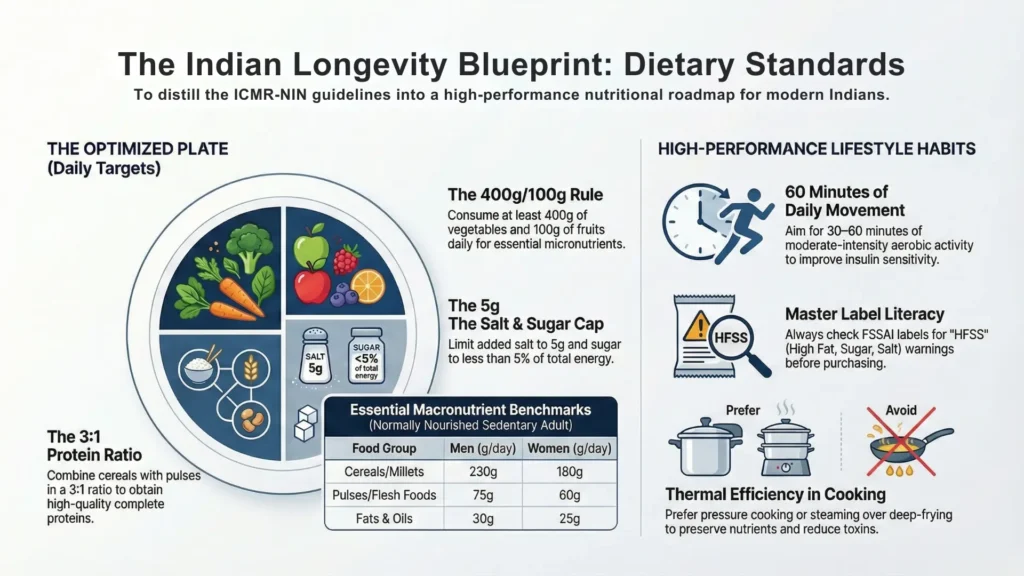
The ICMR-NIN guidelines suggest that at least 50% of your cereal intake should come from whole grains. If you choose white rice over brown rice or millets, you miss out on fiber. This fiber is crucial for gut health and ensures your body absorbs the nutrients you eat. For weight gain seekers, choosing the right fuel is the only way to see lasting results.
Which foods to avoid for weight gain? 7 Mistakes Hiding in Your Indian Diet Plan
1. The Refined Flour (Maida) Trap
White bread, naan, and biscuits are common poor food choices for gaining weight. Maida is stripped of fiber and nutrients. It spikes your insulin and leaves you feeling hungry again very quickly. If you fill up on these, you won’t have room for the protein your muscles actually need.
2. Sugary Beverages and Liquid Calories
Do you drink multiple cups of sweet masala chai or packaged fruit juices? These are classic foods that hinder weight gain because they provide a sugar rush followed by a crash. High fructose intake from juices can even lead to fatty liver disease. Swap these for whole milk or high-calorie smoothies.
3. Relying on Weight Gain Syrups
I must warn you about unregulated vitamin syrups like Apetamin. These often contain cyproheptadine, which can cause severe liver damage and drug-induced autoimmune hepatitis. Never risk your health for a quick fix. Always consult a professional for a safe Indian diet plan for weight gain.
4. Excessive Use of Reheated Cooking Oils
Street foods like samosas and kachoris use oil that is heated repeatedly. This process creates trans fats that cause systemic inflammation. These are definitely foods to avoid for weight gain because they damage your metabolic health while adding unhealthy fat to your midsection.

5. Low-Protein Veg Meals
Many Indian vegetarian meals are just rice and one vegetable. This is one of the most common weight gain diet mistakes. Without enough protein from pulses, paneer, or soy, your body cannot build muscle. ICMR recommends a combination of cereals and pulses in a 3:1 ratio to improve protein quality.
6. Skipping Meals or Irregular Timings
Busy professionals often skip breakfast and then overeat at dinner. This disrupts your metabolism. To gain weight, you need a consistent calorie surplus throughout the day. Spreading your intake across 5–6 mini-meals is much more effective than eating three large ones.
7. Choosing Diet Packaged Snacks
Many low-fat or roasted namkeens are high in sodium and preservatives. These can cause water retention and bloating, especially in people with hypertension. Stick to homemade snacks like roasted chana, nuts, or til chikki for a healthy energy boost.
Essential food swaps—choosing complex carbs over refined sugars
Let’s simplify this. If you want to stop making poor food choices for gaining weight, you need a better strategy. Instead of white bread, choose whole wheat or multigrain rotis. Replace your sugary biscuits with a handful of almonds and walnuts.
Healthy fats are your best friend. Drizzle a teaspoon of ghee over your dal or add a tablespoon of peanut butter to your toast. These are good fats that support hormone balance, which is vital for women with PCOS or thyroid issues. These small swaps significantly increase your daily calorie intake without making you feel heavy or sluggish.
A sample morning-to-night flow focusing on high-calorie, nutritious Indian meals
Here is a sample Indian diet plan for weight gain that you can follow at home. This plan ensures you avoid the foods to avoid for weight gain while hitting your macro goals.
- Early Morning (7:00 AM): 1 glass of whole milk with 5 soaked almonds and 2 dates.
- Breakfast (8:30 AM): 2 stuffed Paneer Parathas (minimal ghee) with a bowl of thick curd.
- Mid-Morning (11:00 AM): A banana or a bowl of mango with a handful of cashews.
- Lunch (1:30 PM): 1 bowl of Brown Rice, 1 cup of Dal, a portion of seasonal Sabzi, and 100g of grilled fish or chicken.
- Evening Snack (5:00 PM): A slice of whole wheat bread with peanut butter or a bowl of roasted makhana.
- Dinner (8:30 PM): 2 Multigrain Rotis, a bowl of Rajma or Chole, and a side salad.
- Bedtime (10:00 PM): A warm glass of Turmeric Milk (Haldi Doodh).

Why skipping breakfast can ruin your progress
Skipping breakfast is one of the most critical weight gain diet mistakes. Your body has been fasting all night; it needs fuel to prevent muscle breakdown. A high-protein breakfast kickstarts your metabolism and provides the energy you need for the day.
If you are a busy professional, I know it is hard to find time. However, even a quick banana milkshake or a handful of nuts is better than an empty stomach. Consistently missing this meal will keep you in a calorie deficit, making it impossible to see the scale move up.
Special considerations for PCOS, Diabetes, and Thyroid
If you are managing medical conditions, your Indian diet plan for weight gain must be precise. For PCOS, focus on low-glycemic foods to manage insulin resistance. If you have a thyroid disorder, ensure you get enough iodine and selenium from seafood and nuts.
For those with hypertension, you must be careful with salt. Avoid processed pickles and papads, as high sodium can spike your blood pressure. A heavier person or someone with a higher weight must also focus on heart-healthy fats like olive oil or mustard oil rather than saturated animal fats.
Remember that building a healthy body takes time
I want you to know that every nutritious meal counts. Gaining weight healthily is a marathon, not a sprint. You might only see a gain of 0.5kg per week, and that is perfectly okay. This slow progress ensures that you are building muscle rather than just adding fat.
Stay consistent with your routine and listen to your body. If you feel energetic and strong, you are on the right track. Don’t let the mirror discourage you on days when you feel thin. Your cells are working hard behind the scenes to build a better version of you.
Ready for a transformation? Consult a Diet Dekho expert today
Are you tired of guessing which foods to avoid for weight gain? You don’t have to do this alone. At DietDekho, we specialize in creating macro-balanced plans tailored to the Indian lifestyle. Whether you are a homemaker or an NRI, we have the expertise to help you reach your goals.

Frequently Asked Questions (FAQs)
1. Which are the most common foods to avoid for weight gain?
You should avoid junk calories like samosas, sugary sodas, white bread, and ultra-processed bakery items. These lead to fat gain rather than muscle growth and can disrupt your metabolic health.
2. Is eating ghee daily good for gaining weight?
Ghee is a healthy fat, but you must use it in moderation. The ICMR-NIN 2024 guidelines suggest limiting saturated fats. A teaspoon or two daily is beneficial, but slathering it on every meal can lead to an unhealthy calorie surplus.
3. Can I use mass gainers to speed up the process?
Whole foods are always the best choice. While some supplements can help, many mass gainers are full of sugar and can cause kidney strain if used excessively. Always consult a dietitian before starting any supplement.
4. Why am I gaining fat on my belly but not muscle on my arms?
This happens when you eat too many unhealthy foods for weight gain, like sweets and fried snacks. To build muscle, you must combine a calorie surplus with strength training and high-protein foods like eggs, paneer, and pulses.
5. What is the best fruit for weight gain?
Bananas, mangoes, and chickoos are excellent choices. They are calorie-dense and provide natural sugars for energy. Pairing a banana with a glass of milk or a tablespoon of peanut butter is a great way to boost your calories.
Contact Us
We understand how overwhelming nutrition and weight loss information can feel. With so many opinions and confusing advice online, it’s easy to feel stuck or unsure about what to do next.
At Diet Dekho, you never have to figure it out alone. You can contact us anytime with any questions or concerns. Our expert dietitians are available 24/7 to guide, support, and help you stay on track. Whether your goal is weight loss or building healthier habits, we’re here to make the journey simpler and more sustainable for you.
Disclaimer
This blog is intended to help readers make healthier food choices. Your health should always be the top priority. Before starting any restrictive or special diet, especially if you have a medical condition or health concern, please consult a doctor or a qualified dietitian. Each body responds differently to food and lifestyle changes. Always choose what is safe and suitable for you.

Dr. Ritika is a nutrition and lifestyle expert with 2+ years of experience, helping clients manage weight and health through practical, personalized diet plans.