It’s frustrating to eat often but still hear, You look thin or Don’t you eat? If you have a low appetite or a high metabolism, sustainable weight gain can feel impossible.
A diet plan for weight gain is a structured way to create a consistent caloric surplus using nutrient-dense foods. Healthy weight gain is gradual, targeting muscle and tissue repair rather than rapid fat gain.
Table of Contents
- 1 Structured Diet Plans for Healthy Weight Gain
- 2 Foods That Support Healthy Weight Gain
- 3 Weight Gain Drinks and Shakes Explained
- 4 Fast Weight Gain: What Actually Works Safely
- 5 Weight Gain Diets for Different Age Groups and Genders
- 6 Weight Gain for Medical and Recovery Needs
- 7 Lifestyle and Habits That Support Healthy Weight Gain
- 8 Frequently Asked Questions
- 9 Contact Us
- 10 Disclaimer
Structured Diet Plans for Healthy Weight Gain
Healthy Diet Plan for Weight Gain

A healthy mass-gain approach involves a modest daily surplus of 300-500 calories above maintenance, aiming for 0.5-1 kg of weight gain per week. For Indians, this means eating complex grains, quality proteins such as paneer or eggs, and healthy fats such as desi ghee. Focus on building muscle and supporting health, not just raising the scale with empty calories. Consistent portions and high-quality ingredients are key.
Explore a healthy diet plan for steady weight gain
Indian Diet Plan for Weight Gain

Following a healthy Indian diet plan for weight gain requires a consistent daily surplus of 500 to 1000 calories to help the body effectively build lean muscle mass. A structured daily routine involves distributing your caloric intake across 5 to 6 small, nutrient-dense meals to maintain a steady metabolism and avoid feeling uncomfortably full. For example, a typical day might include a high-protein Sattu milkshake mid-morning, a lunch centered around legumes like rajma or chole with ghee, and a bedtime snack of warm turmeric milk. By prioritizing whole grains, proteins, and healthy fats like desi ghee over ultra-processed junk food, you ensure that your body receives the necessary structural building blocks for healthy tissue growth. Maintaining consistency with this structured eating schedule, alongside light resistance training, ensures you gain healthy weight rather than just abdominal fat.
Try a healthy Indian diet plan for weight gain
7-Day Diet Plan for Weight Gain
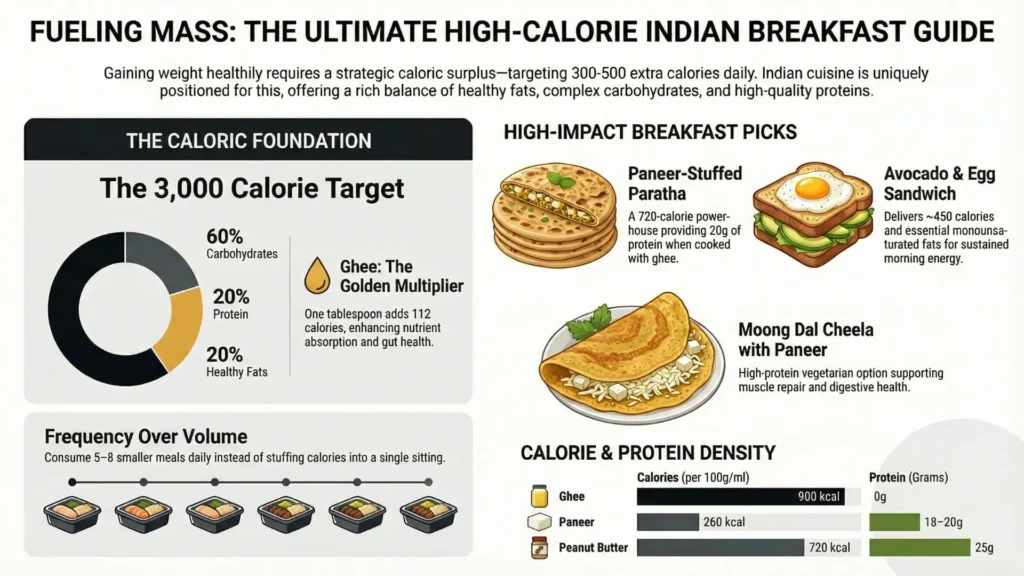
Following a 7-day diet plan for weight gain provides a structured routine that helps the body enter an anabolic state. A typical week involves rotating through different protein and carbohydrate sources to ensure a wide spectrum of micronutrients. For example, Monday might focus on paneer-based meals, while Tuesday emphasizes legumes like rajma or chole. Each day should include a pre-workout snack, a post-workout high-calorie shake, and structured main meals. Consistency over these seven days helps regulate hunger hormones like ghrelin, making it easier to consume the necessary volume of food as the week progresses.
Try a simple 7-day weight gain diet plan
Weekly Diet Plan for Weight Gain
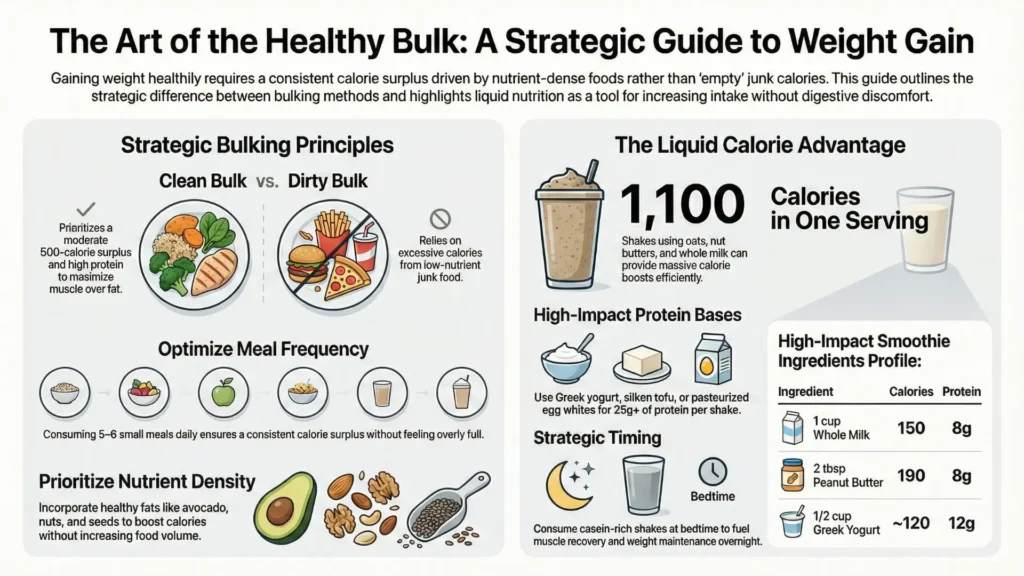
A weekly diet plan for weight gain is less about a single day of overeating and more about the cumulative caloric surplus at the end of seven days. Since gaining 1 kg of body weight requires a surplus of approximately 7,000 to 7,700 calories, a weekly plan aims for an aggregate surplus of 3,500 to 7,000 calories. This is achieved by systematically adding 500-1,000 calories to your daily intake. Using meal-prep strategies on Sundays can help busy professionals avoid skipping meals during the workweek, which is the most common reason for weight-loss failure.
Follow a structured weekly diet plan for weight gain
Monthly Weight Gain Diet Plan
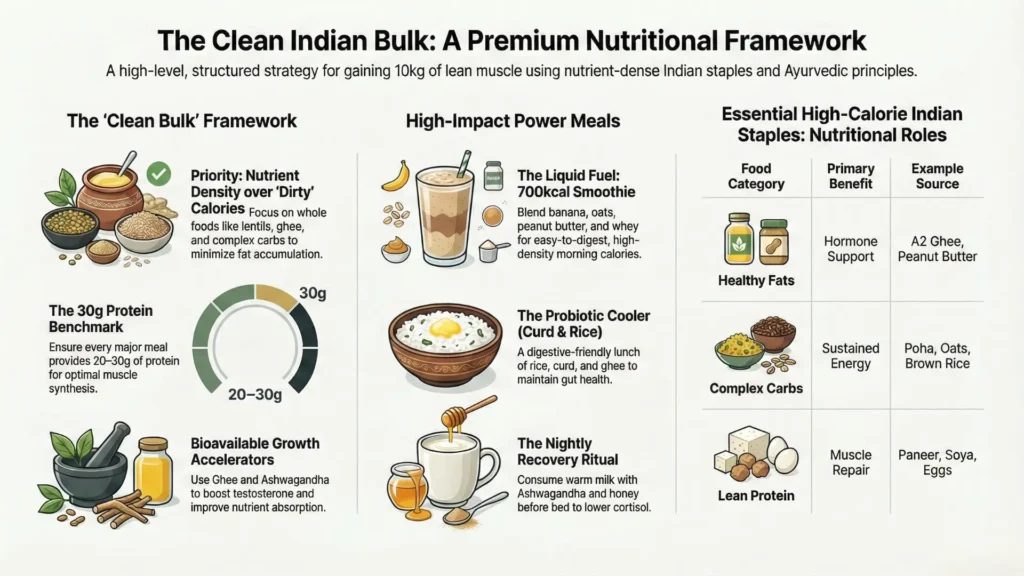
The logic of a monthly weight gain diet plan is to achieve a sustainable transformation of 2 to 4 kg per month. Gaining weight faster than this often indicates water retention or rapid fat gain, which can lead to metabolic stress. Over a 30-day period, the body begins to adapt to the higher caloric load, and muscle tissue has time to repair and grow when paired with light resistance training. Tracking progress monthly—including waist-to-hip ratios and energy levels—allows for caloric auditing, where you can increase your intake by another 10% if your progress has plateaued.
👉 Get a long-term monthly weight gain diet plan
Vegetarian Weight Gain Diet Plan
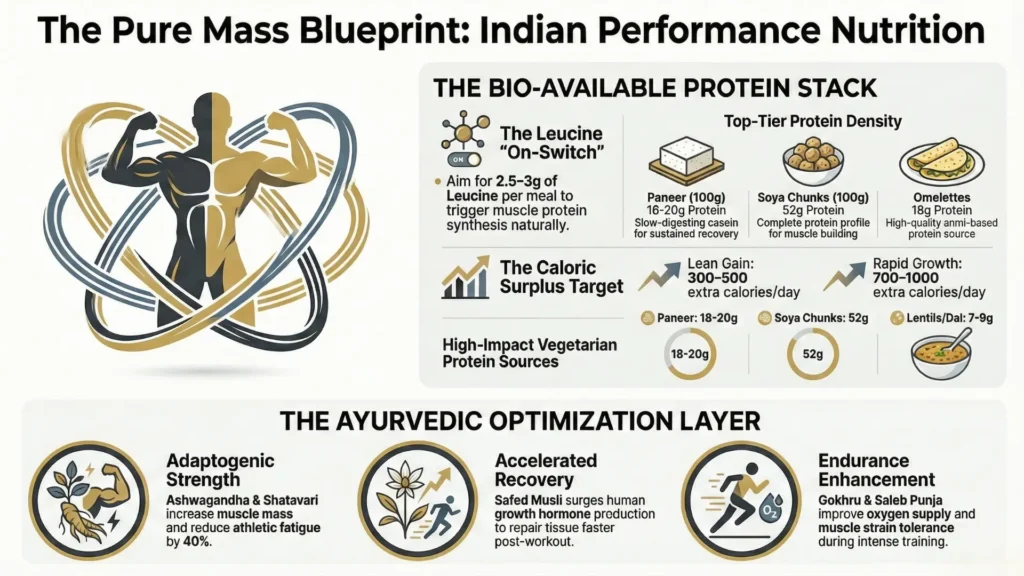
A common myth is that it’s hard to build muscle on a vegetarian diet, but a vegetarian diet plan for weight gain is highly effective when focused on complete protein sources. By pairing cereals with legumes—such as rice with dal or roti with soy—you achieve all essential amino acids. Paneer, Greek yogurt, and chickpeas are the vegetarian powerhouses, providing the necessary leucine to trigger muscle synthesis. Incorporating 150-200 grams of paneer daily can significantly boost both protein and fat intake. Vegetarians should avoid relying on junk snacks and instead use calorie boosters like nuts, seeds, and extra virgin oils.
👉 Check a vegetarian diet plan for healthy weight gain
Foods That Support Healthy Weight Gain
Weight Gain Foods
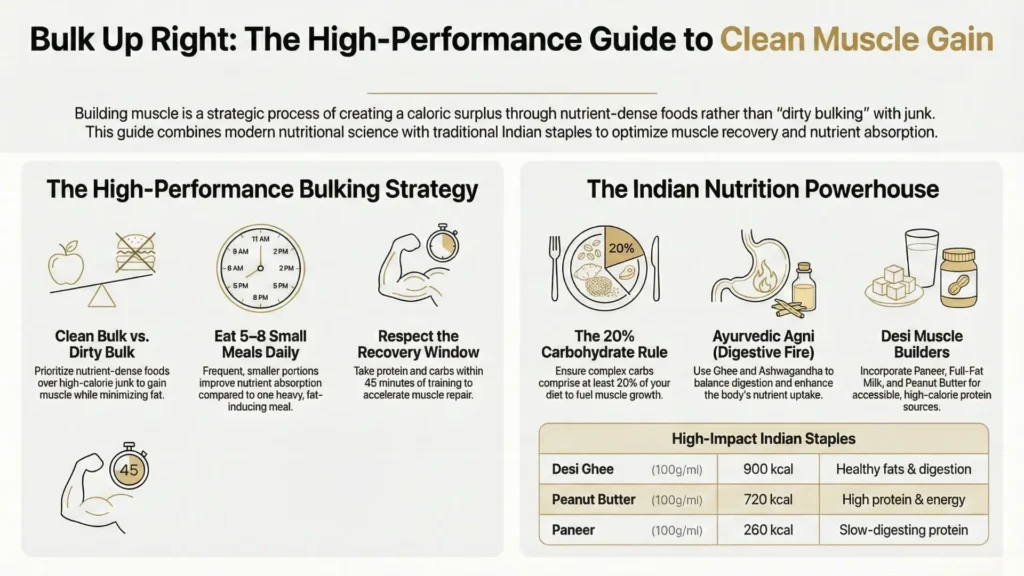
Selecting the right weight-gain foods involves choosing items that are high in calories but also rich in vitamins and minerals. In the Indian kitchen, this includes whole grains like ragi (finger millet) and bajra, starchy vegetables like sweet potatoes and yams, and energy-dense fruits like bananas and mangoes. Unlike junk food, these items provide sustained energy and support metabolic health. To maximize efficiency, you should avoid low-calorie, high-water-content foods like cucumbers or thin soups right before your main meal, as they can fill your stomach prematurely.
See the complete foods list for weight gain
High Calorie Foods for Weight Gain
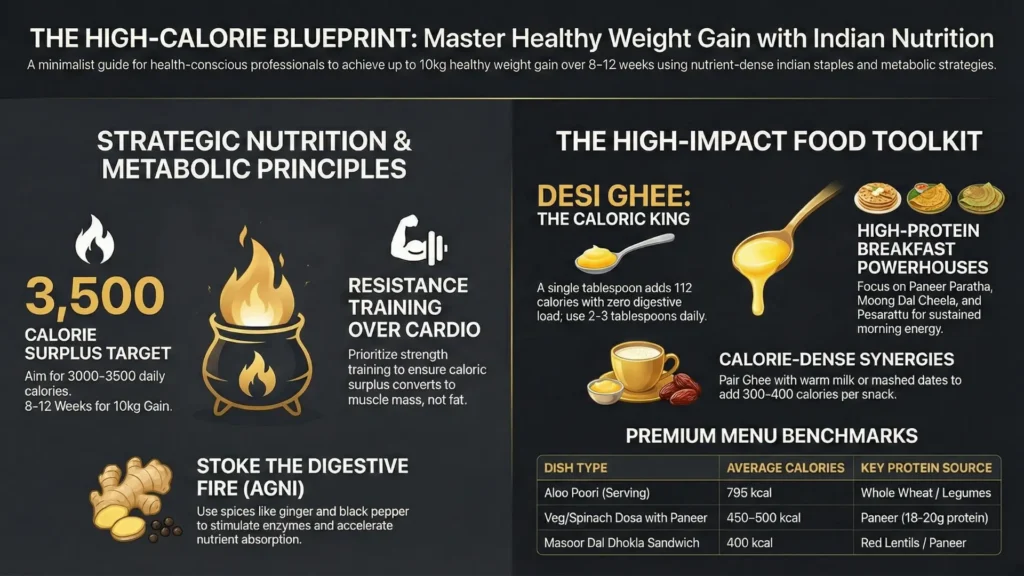
To achieve a clean bulk and avoid accumulating dangerous visceral fat, it is essential to prioritize nutrient-dense, high-calorie foods over empty junk calories. This means swapping refined white flour (maida) for whole grains like oats, brown rice, ragi, and bajra, which provide sustained energy and help build lean muscle mass without causing rapid blood sugar spikes. Additionally, incorporating traditional Indian superfoods like paneer offers a complete protein source crucial for muscle growth, while healthy fats from desi ghee, walnuts, and almonds deliver concentrated energy to efficiently boost your daily intake while supporting healthy digestion and brain health.
Discover the best high calorie Indian foods to add to your daily meals
Healthy Foods for Weight Gain
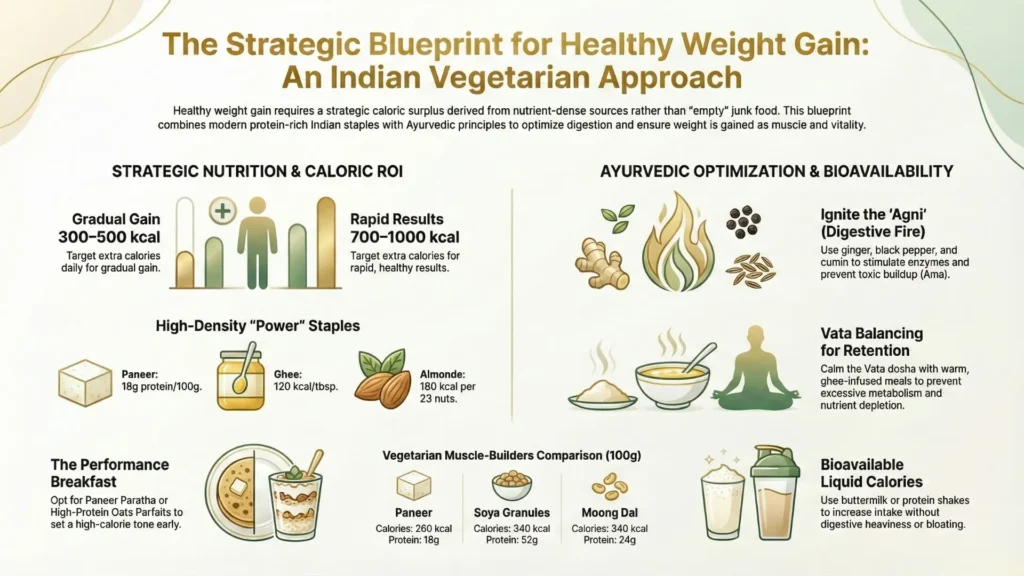
While calories are king, healthy foods for weight gain help keep your internal systems balanced. This means prioritizing complex carbohydrates like brown rice, oats, and quinoa over refined white flour (maida). These grains help prevent rapid blood sugar spikes and provide the fiber needed to prevent constipation that sometimes occurs when increasing food intake. Fatty fish like mackerel (bangda) or salmon are excellent for providing omega-3 fatty acids, which reduce inflammation and support heart health during a bulking phase.
Discover the best foods for natural weight gain
Best Foods for Weight Gain
The best foods for weight gain in India are affordable, accessible, and high in protein. Whole eggs are perhaps the most versatile, providing 160 calories and a complete amino acid profile per two-egg serving. Legumes like rajma, chana, and various dals are essential for both protein and complex carbohydrates, providing roughly 260-270 calories per cooked cup. Combining these with a calorie catalyst like butter or cream-based curries makes them the ultimate tools for mass gain. Avoid over-consuming raw salads, which are high in volume but very low in energy.
Avoid these foods that slow healthy weight gain
Weight Gain Drinks and Shakes Explained
Weight Gain Drinks
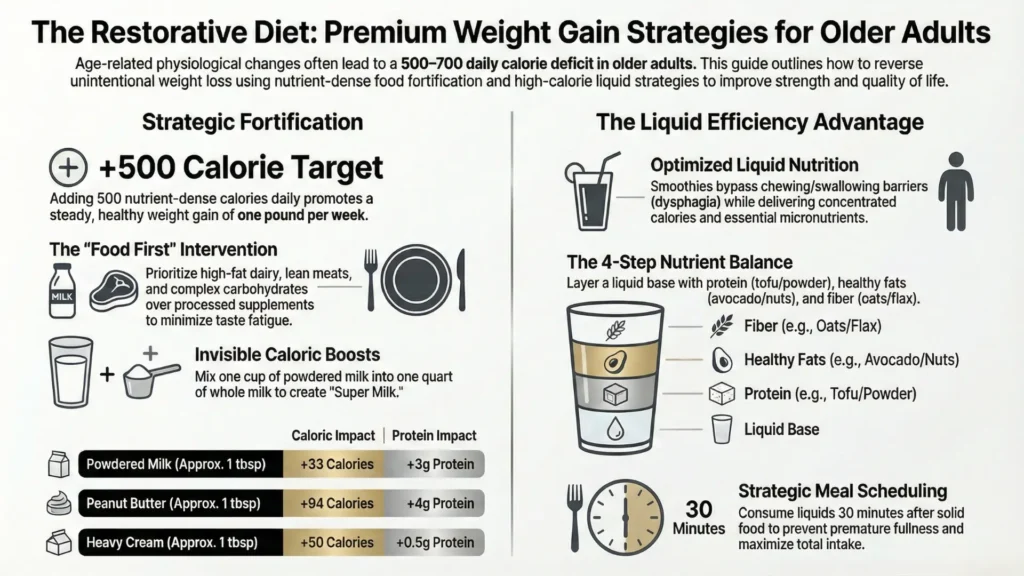
Weight-gain drinks are the most effective way to consume calories without the early satiety associated with solid foods. Liquids leave the stomach more quickly, allowing you to consume your next meal sooner. Traditional Indian beverages like full-fat lassi, mango shakes, and even badam milk (almond milk) can provide 300 to 500 calories per glass. These should be consumed between meals rather than with them to avoid diluting stomach acid and reducing your appetite for solid food.
Try easy weight gain drinks you can make at home
Homemade Weight Gain Drinks
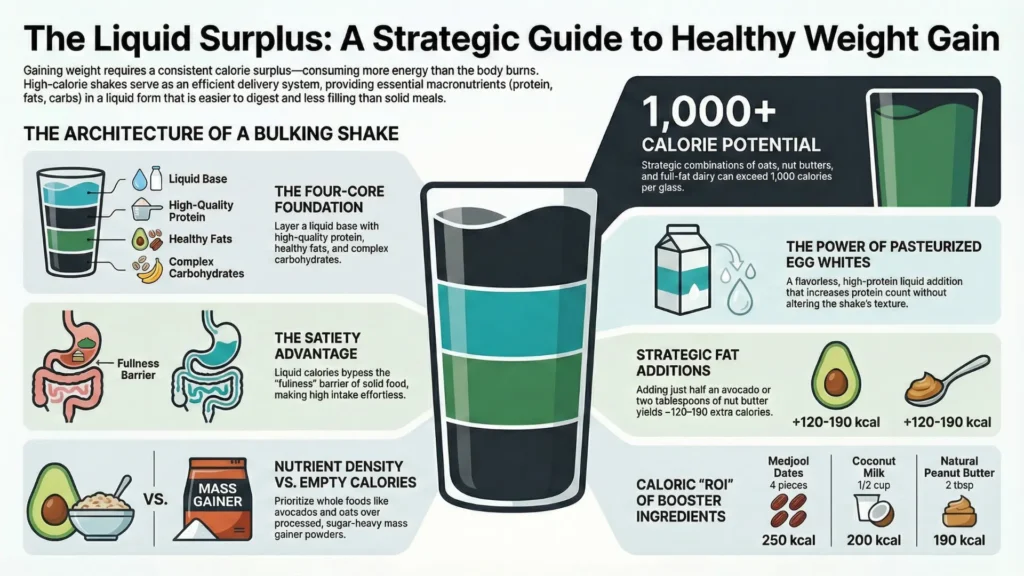
Creating homemade weight gain drinks ensures you avoid the hidden sugars and preservatives found in commercial health drinks. A simple yet potent recipe involves blending 2 cups of full-fat milk with a banana, two tablespoons of peanut butter, and a handful of soaked almonds. For a traditional twist, adding dates or jaggery provides natural sweetness and a boost of iron. These drinks are best taken in the evening or after a workout, when the body is primed for nutrient absorption and tissue repair.
Prepare homemade shakes for healthy weight gain
Protein Shakes for Weight Gain
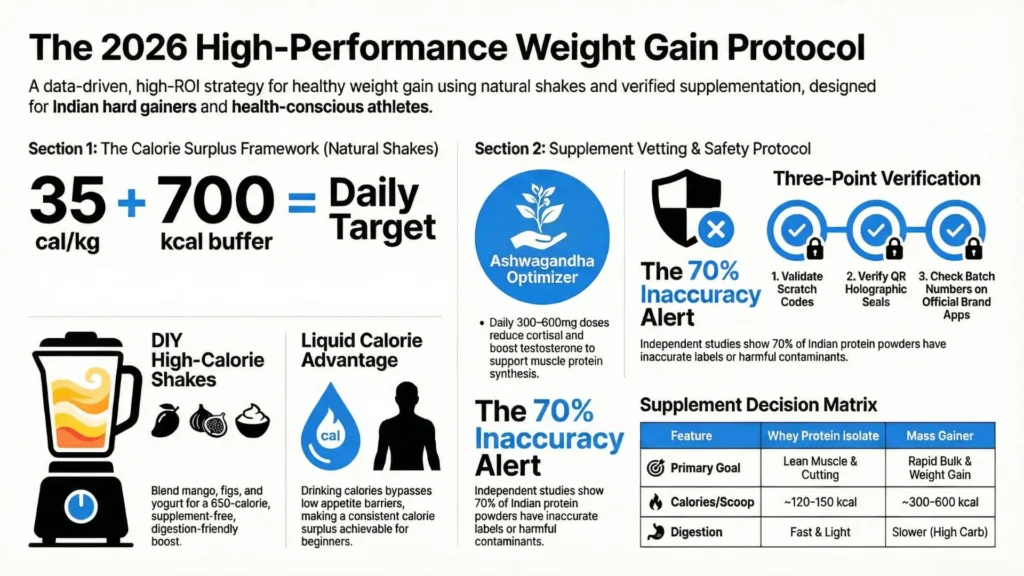
Protein shakes for weight gain often utilize supplements like whey protein concentrate or isolate to help hit protein targets of 1.2 to 2.0 grams per kg of body weight. Whey is highly bioavailable and rich in leucine, the primary trigger of muscle growth. For those who prefer plant-based options, soy or pea protein powders can be used. It is important to remember that protein shakes should supplement a whole-food diet, not replace it, and are most effective when taken within 30 minutes of resistance exercise.
Include protein shakes for better weight gain
Smoothies for Weight Gain
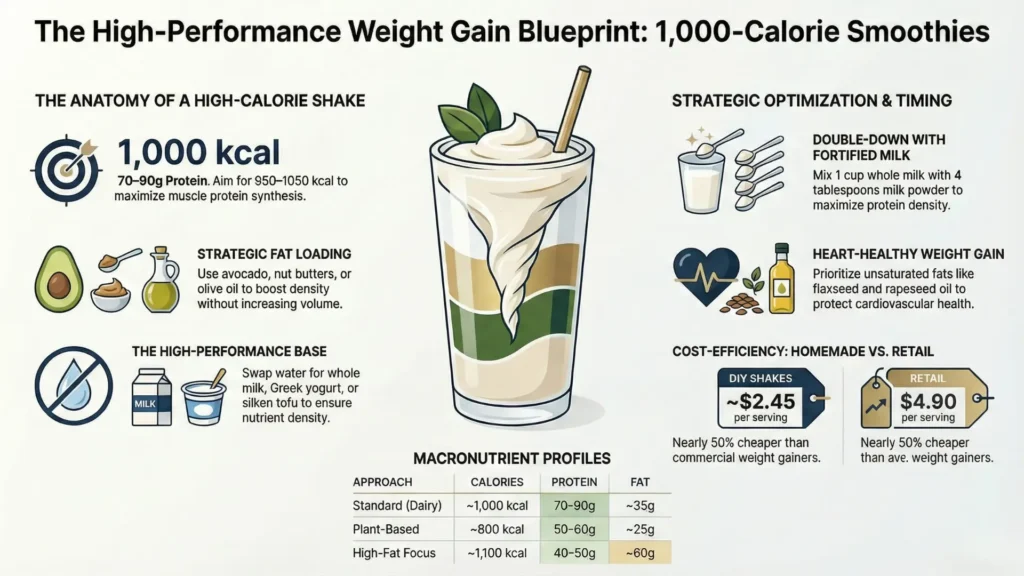
Smoothies for weight gain are distinguished by their inclusion of healthy fats and fruits, providing a more diverse nutritional profile than standard protein shakes. Incorporating ingredients like coconut milk, flaxseeds, chia seeds, or even half an avocado adds significant lipid-based calories and omega-3 fatty acids. A Dry Fruit Smoothie made with dates, cashews, and figs is an Indian favorite that supports both energy levels and iron status. Avoid adding plain ice, which increases volume without adding calories; use frozen fruit instead to maintain density.
Blend nutrient-rich smoothies for weight gain
Fast Weight Gain: What Actually Works Safely
Fast Weight Gain Diet
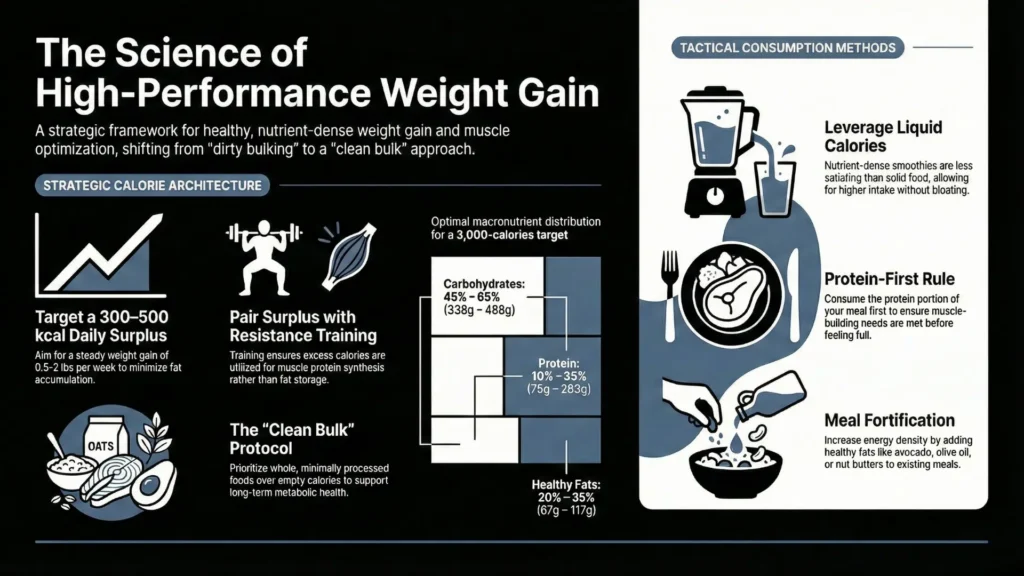
A fast weight gain diet requires a more aggressive caloric surplus of 700 to 1,000 calories above maintenance. While the goal is speed, safety is maintained by ensuring these calories come from nutrient-dense mass builders like milk, eggs, sattu, and ghee rather than deep-fried junk. This approach often involves eating every 2 to 3 hours to bypass the body’s natural satiety signals. It is vital to monitor for signs of digestive distress, such as bloating or acidity, and adjust the fiber and probiotic (curd) intake accordingly.
Learn how to gain weight fast and safely
How to Gain Weight Fast
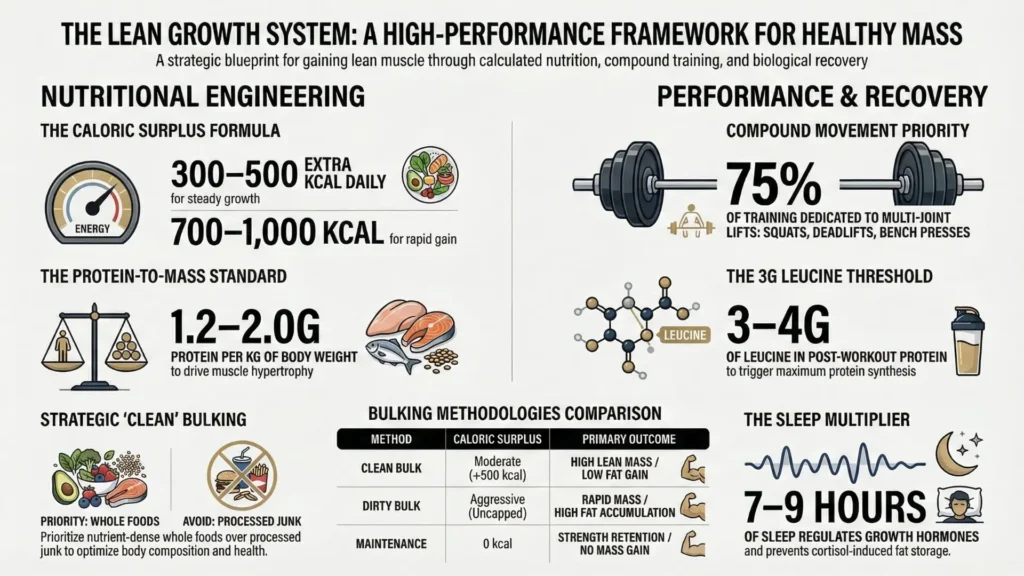
If you are wondering how to gain weight fast, the most evidence-based method is the strategic use of liquid calorie bombs and mass gainers. Mass gainers offer a convenient 1:3 protein-to-carb ratio, delivering up to 1,000 calories per serving. Additionally, you should limit non-exercise activity (NEAT)—such as excessive walking or cardio—to preserve your energy for weight-bearing exercises that drive muscle growth. High-intensity, low-volume weight training is superior to long cardio sessions for rapid, healthy muscle growth.
Follow a fast but healthy weight gain diet plan
Quick Weight Gain Plan
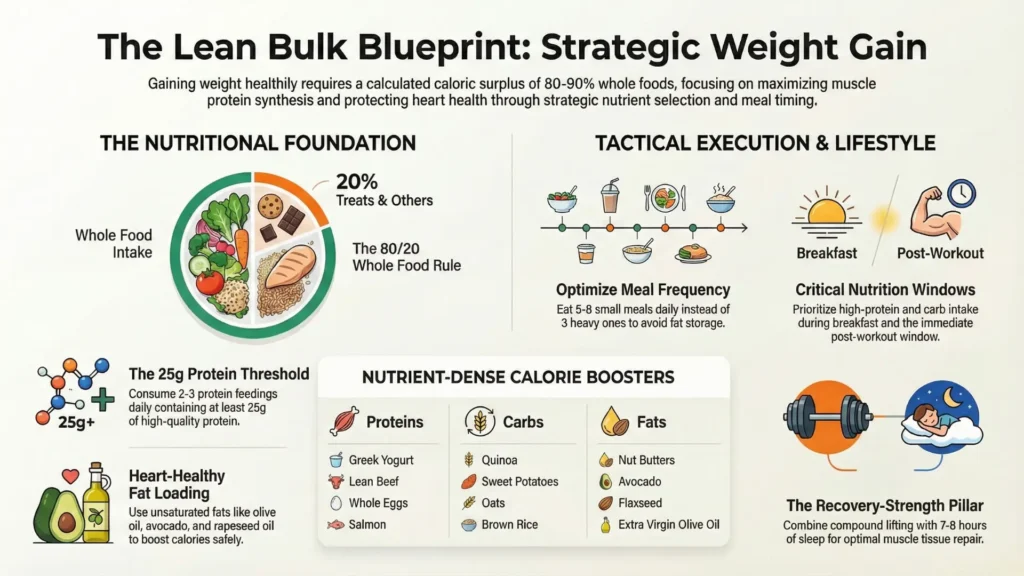
A quick weight-gain plan focuses on the immediate loading of muscle glycogen through high-carbohydrate intake. By increasing your intake of potatoes, white rice, and bananas, your muscles will appear fuller as they store water and energy. Pairing this with a creatine monohydrate supplement can further enhance cell volumization and strength, allowing you to train harder and gain size more rapidly. However, quick should still be sustainable; avoid dirty bulking on sweets, which can lead to insulin resistance and energy crashes.
See a quick weight gain plan that actually works
Weight Gain Diets for Different Age Groups and Genders
Weight Gain Diet for Women
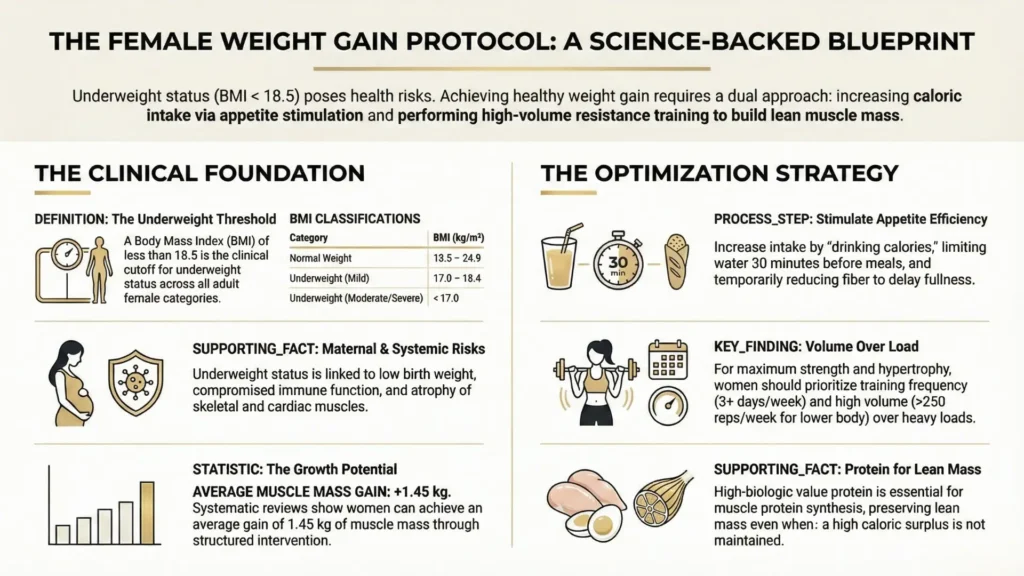
A weight gain diet for women must account for hormonal fluctuations and the higher risk of iron deficiency. Women typically require slightly fewer calories than men, so a modest surplus of 300 calories is often sufficient to see results. Focus on healthy fats from seeds (flax, pumpkin) and nuts, which are the building blocks of reproductive hormones. Including ragi and dates is essential for maintaining healthy hemoglobin levels while gaining mass. Strength training is particularly important for women to build functional mass and bone density.
Explore a weight gain diet plan for women
Weight Gain Diet for Men
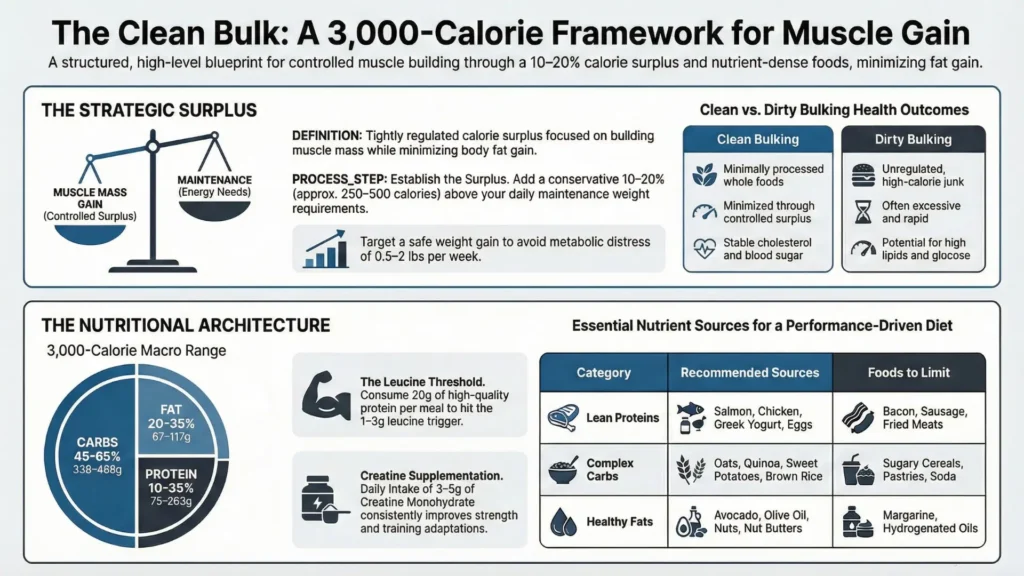
The weight gain diet for men is generally more aggressive, aiming for a 500-calorie surplus to support higher muscle protein synthesis. Men should prioritize high-leucine protein sources such as eggs, chicken, and dairy to stimulate muscle growth. Since many Indian men are prone to abdominal fat storage (the potbelly), monitoring waist circumference while gaining weight is a critical clinical safety measure. Compound movements like squats and deadlifts should be the centerpiece of their routine to ensure the surplus is used for building a strong frame.
See a diet plan designed for men’s weight gain
Weight Gain Diet for Girls
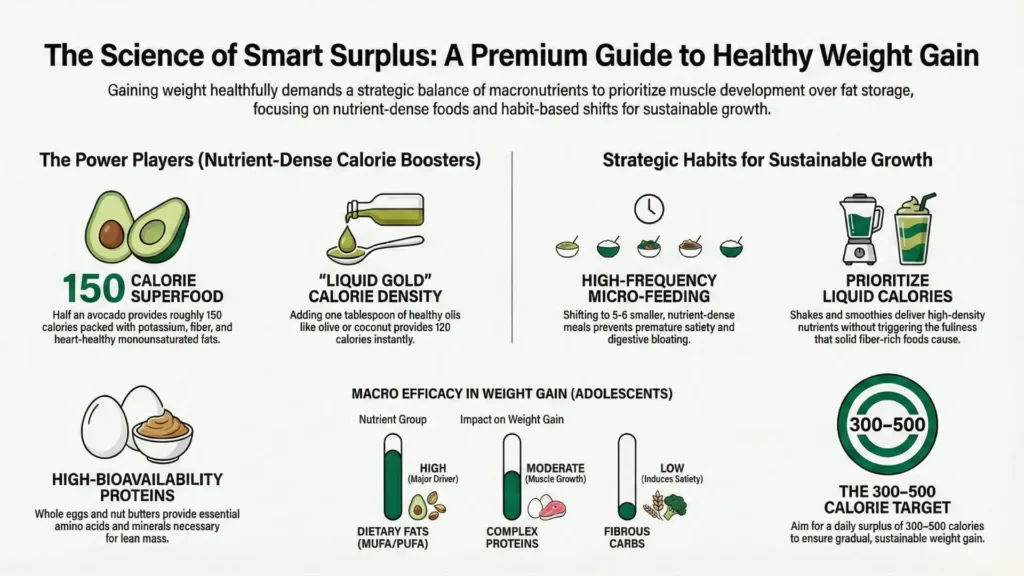
A weight-gain diet for girls during adolescent growth spurts should focus on calcium, iron, and zinc. For girls aged 13-18, the body is under immense pressure to develop skeletal structure and regulate menstrual cycles, requiring up to 2,500 calories daily. Parents should encourage calorie-dense traditional snacks like peanut chikki, sesame laddoos, and whole milk shakes. It is vital to foster a healthy relationship with food, focusing on becoming strong rather than just getting big, and avoiding processed junk that can disrupt hormonal balance.
Safe weight gain diet for teenage girls
Weight Gain Diet for Boys
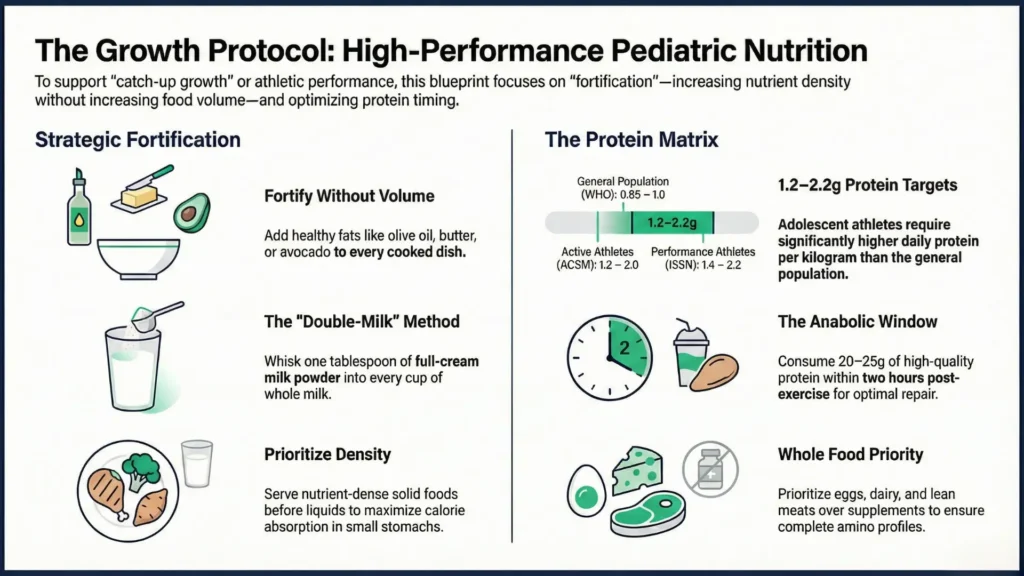
The weight gain diet for boys in their late teens (16-18) must meet the highest energy demands of any demographic—often requiring over 3,300 calories per day. During this stage, protein intake should be around 0.7-0.8 g/kg body weight to support tissue growth. Boys should be encouraged to eat large, frequent meals that include rotis slathered in ghee, paneer curries, and multiple servings of whole eggs. Since teenagers often move more (high NEAT), adding a nighttime bedtime shake of sattu and milk can ensure they stay in an anabolic state while they sleep.
Healthy weight gain diet for teenage boys
Weight Gain for Medical and Recovery Needs
Weight Gain Diet for Thyroid
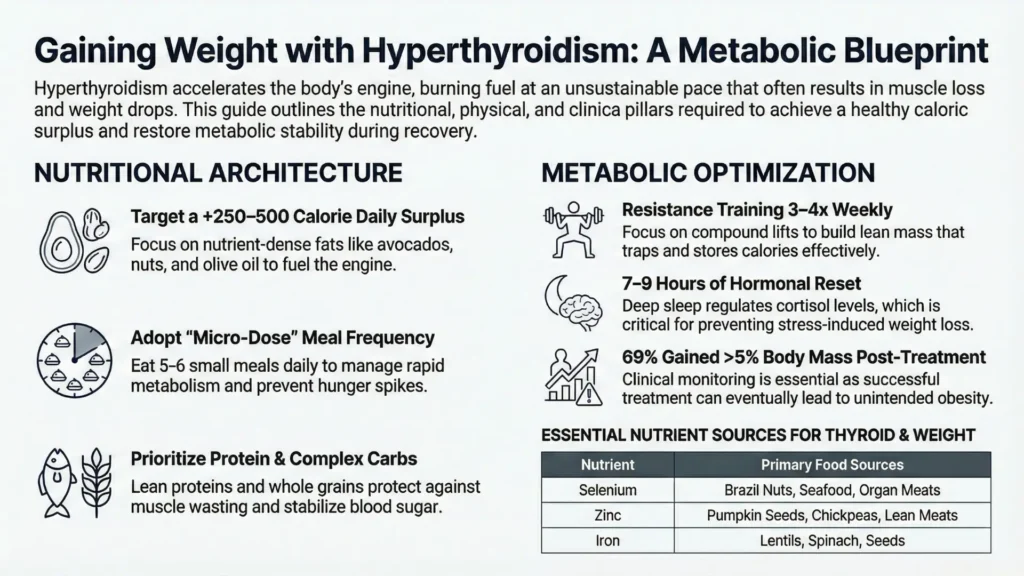
A weight gain diet for thyroid patients—specifically those with hypothyroidism who have lost weight or have poor appetite—requires hormone-friendly fats. Iodine and selenium are crucial; use only iodized salt and incorporate sunflower seeds and fish to support thyroid function. Avoid raw goitrogenic vegetables like cabbage and cauliflower; they must be thoroughly cooked to deactivate compounds that interfere with thyroid hormone function. Because thyroid patients often struggle with sluggish digestion, warm, cooked meals and digestive spices like ginger and fennel are recommended.
Weight gain diet plan for thyroid support
Weight Gain Diet for Diabetes
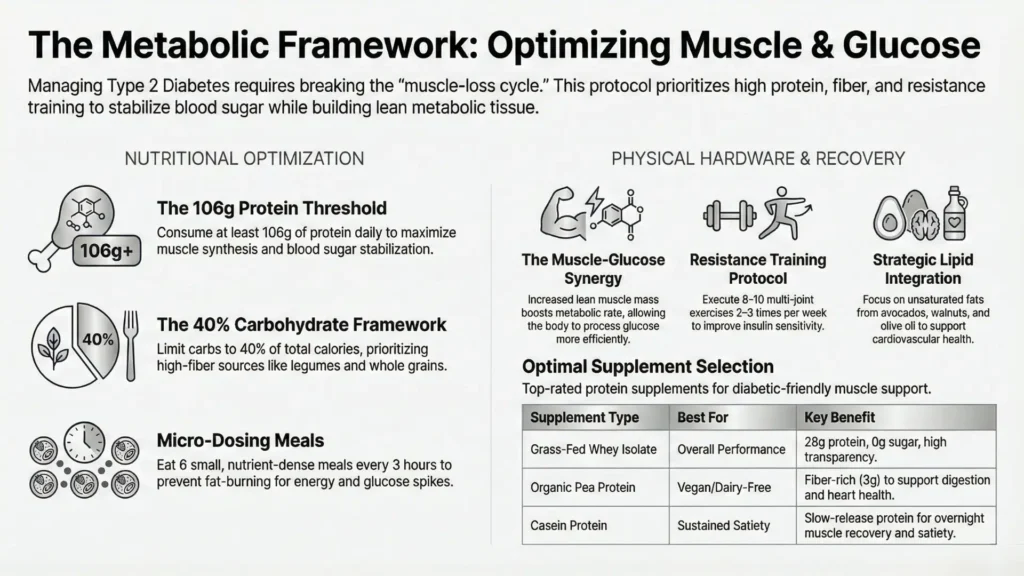
Gaining weight with diabetes is a delicate balance of increasing calories without causing dangerous blood sugar spikes. A weight-gain diet for diabetes must focus on low-glycemic index (GI) carbohydrates such as ragi, oats, and brown rice. Healthy fats from nuts and seeds are preferred calorie boosters over sugary supplements. It is essential to consume fiber-rich vegetables before carbohydrates to slow glucose absorption. Always consult a clinical dietitian to adjust insulin or medication as your body weight increases.
Diabetes-friendly diet for healthy weight gain
Weight Gain After Illness
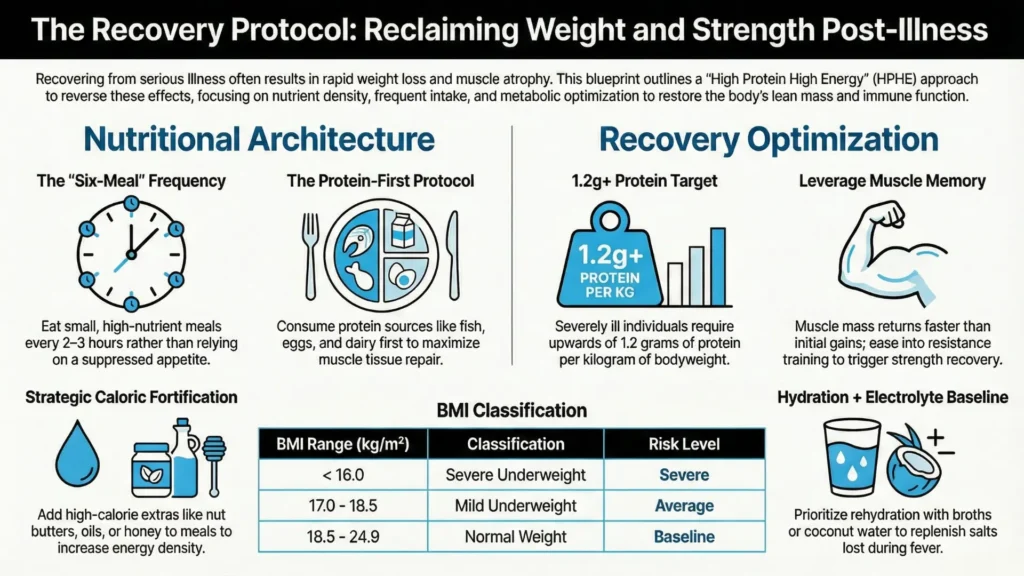
Weight gain after illness, such as typhoid, malaria, or the flu, follows a phased approach. Initially, the focus is on soft recovery using easy-to-digest foods like moong dal khichdi, boiled potatoes, and curd rice to soothe the inflamed gut. Once the acute phase passes, you must increase your protein intake through soft-boiled eggs, paneer, and clear chicken soups to help repair tissue damage. Hydration with coconut water and ORS is mandatory to restore lost electrolytes.
Regain weight safely after illness
Lifestyle and Habits That Support Healthy Weight Gain
Healthy Weight Gain Tips
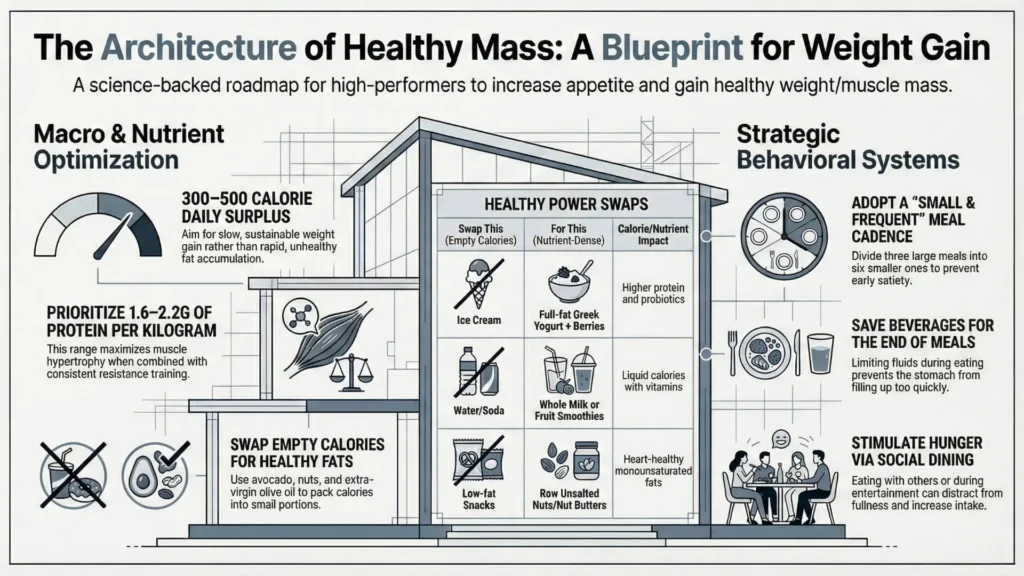
Implementing a few simple healthy weight gain tips can make a massive difference in your results. First, use larger plates; psychological cues often lead people to eat more when they have more space on their plate. Second, never skip breakfast, as it sets the anabolic tone for the entire day and prevents accidental fasting. Finally, dress your food—adding a teaspoon of olive oil or ghee to every dish can effortlessly add 300 to 500 calories to your daily total. Consistency is more important than perfection.
Follow practical tips for healthy weight gain
Appetite Improvement Tips
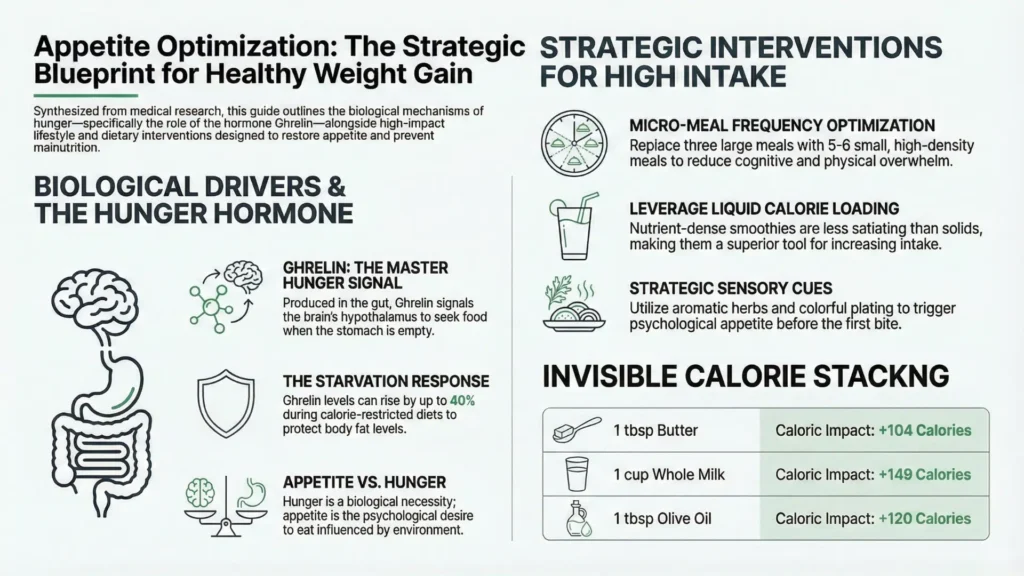
For those with a naturally small appetite, these appetite improvement tips can help. Try taking a short 10-minute walk before meals; light activity is a natural appetite stimulant. Use warming spices like ginger, black pepper, and cinnamon to kindle your digestive fire (Agni). Avoid drinking large amounts of water right before or during a meal, as it fills the stomach volume and reduces your desire to eat. Eating with friends or family can also distract you from the sensation of fullness, leading you to consume more.
Improve appetite naturally for better weight gain
Muscle Gain vs. Weight Gain
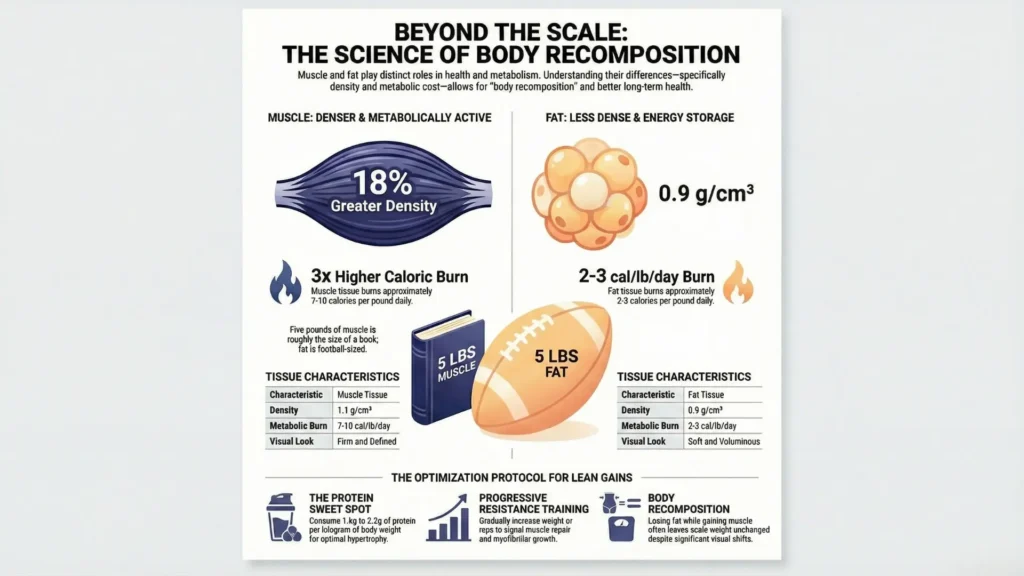
Understanding the difference between muscle gain and weight gain is crucial for long-term health. Simple weight gain often consists of a high percentage of adipose (fat) tissue, which can increase the risk of metabolic disorders even in thin people (the skinny-fat phenotype). Muscle gain, achieved through a high-protein diet and resistance training, improves your metabolic rate, strength, and overall vitality. Your goal should always be functional gains—building a body that is as strong as it looks.
Understand the difference between muscle gain and weight gain
Lifestyle Changes for Weight Gain
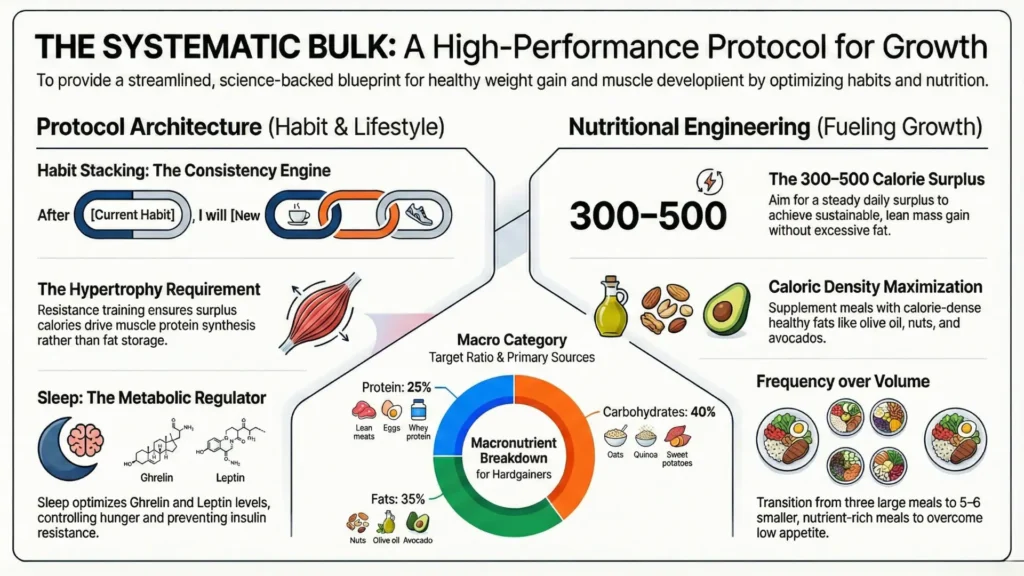
Weight gain isn’t just about food; lifestyle changes include prioritizing sleep and reducing stress. Chronic stress elevates cortisol, a catabolic hormone that breaks down muscle tissue for energy. Similarly, getting 7 to 9 hours of quality sleep is non-negotiable, as this is when the body releases growth hormones for tissue repair. Limit your screen time an hour before bed to ensure deep, restorative sleep.
Make simple lifestyle changes to support weight gain
Key Takeaways for Sustainable Weight Gain
- Maintain a consistent 300 to 500 calorie surplus through whole, nutrient-dense Indian foods like ghee, paneer, and rice.
- Eat 5 to 6 small, frequent meals throughout the day to avoid early satiety.
- Leverage liquid calories through homemade sattu, banana, and peanut butter shakes between meals.
- Prioritize muscle gain over simple fat gain by incorporating at least 3 sessions of resistance training per week.
- Ensure 7 to 9 hours of quality sleep to support growth hormone release and muscle repair.
- Manage underlying medical conditions, such as thyroid or diabetes, with specialized clinical guidance.
- Focus on consistency over perfection; weight gain is a slow, biological transformation that requires patience.
Frequently Asked Questions
Which Indian food is the best for healthy weight gain?
There is no single best food, but a combination of ghee, full-fat paneer, eggs, sattu, and rice provides a robust foundation for building both energy and muscle.
Can I gain weight without eating junk food?
Yes, it is much healthier to gain weight through nutrient-dense whole foods like nuts, avocados, whole grains, and dairy, which support long-term metabolic health.
How can a vegetarian gain weight fast?
Focus on high-protein vegetarian sources like paneer, Greek yogurt, and soybeans, and add calorie boosters like nuts, seeds, and extra ghee to every meal.
Does drinking milk at night help with weight gain?
Yes, a glass of full-fat milk with honey or turmeric at bedtime provides slow-digesting casein protein that helps in muscle repair and growth while you sleep.
How many eggs should I eat daily to gain muscle?
For most healthy individuals, consuming 2 to 5 whole eggs daily is a safe and effective way to increase bioavailable protein and healthy fats.
Is it safe to gain weight if I have diabetes?
Yes, but it must be done carefully by choosing low-GI carbohydrates like millets and healthy fats from nuts to avoid blood sugar spikes.
Why do I lose weight so quickly after getting sick?
Illness puts the body in a hypermetabolic state where it burns its own muscle for fuel. Recovery requires a soft, high-protein diet once the acute symptoms have passed.
What is a healthy rate of weight gain per week?
A healthy and sustainable rate of gain is approximately 0.5 to 1.0 kg per week, ensuring the body adapts without excessive fat accumulation.
Contact Us
We understand how overwhelming nutrition and weight loss information can feel. With so many opinions and confusing advice online, it’s easy to feel stuck or unsure about what to do next.
At Diet Dekho, you never have to figure it out alone. You can contact us anytime with any questions or concerns. Our expert dietitians are available 24/7 to guide, support, and help you stay on track. Whether your goal is weight loss or building healthier habits, we’re here to make the journey simpler and more sustainable for you.
Disclaimer
This blog is intended to help readers make healthier food choices. Your health should always be the top priority. Before starting any restrictive or special diet, especially if you have a medical condition or health concern, please consult a doctor or a qualified dietitian. Each body responds differently to food and lifestyle changes. Always choose what is safe and suitable for you.

Abhinav is the Founder of Diet Dekho, helping people manage weight and lifestyle health through simple, practical nutrition and personalized diet plans.