Struggling to find the right balance between a hectic Indian lifestyle and a healthy weight? Many people with a low BMI feel stuck. They often wonder if protein powder for weight gain is the missing link. At DietDekho, we help you bulk up safely. This is vital for busy professionals, homemakers, and those managing PCOS or diabetes.
Protein powder for weight gain provides high-quality amino acids for muscle growth. It is helpful when the whole food intake is too low. Most Indian diets are heavy in cereals and low in protein. These supplements help you reach a caloric surplus safely. They focus on building lean muscle rather than just increasing body fat.
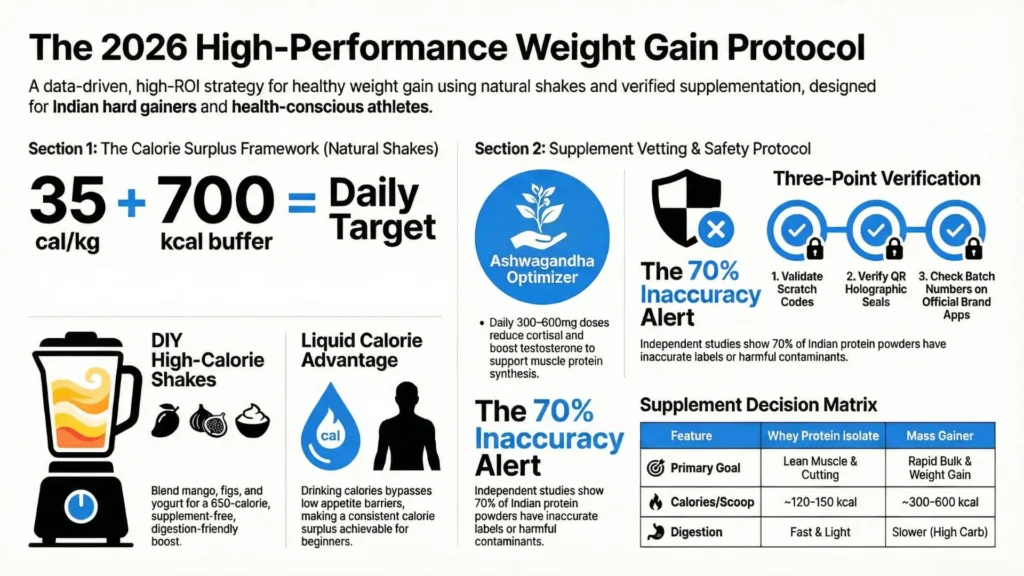
Struggling to see results? Why protein powder for weight gain might be your missing link
Gaining weight healthily is quite complex. It is not just about eating more calories. Many Indian diets rely heavily on carbohydrates. This creates a gap in the building blocks needed for muscle. Research from the ICMR and the National Institute of Nutrition (NIN) shows a clear trend. Nearly 40% of Indians consume less protein than required. This deficiency makes it very hard to overcome an underweight status.
Without enough protein, the body gains visceral fat instead of muscle. This leads to a skinny-fat physique. Protein powder for weight gain offers a metabolic advantage. It provides a dense nutrient source that is easy to absorb. Many people have small appetites. A liquid supplement allows them to get amino acids without feeling overly full.
The 2024 ICMR-NIN guidelines now prioritize protein quality. For healthy weight gain, you must focus on high biological value proteins. Even for the non-gym audience, muscle mass is vital. It supports basic metabolism, immune strength, and bone density.
| ICMR-NIN 2024 Protein Perspective | Details and Recommendations | Significance for Weight Gain |
| General RDA | 0.83\text{ g/kg/day} for adults | Baseline to maintain mass |
| Active Individual RDA | 1.0\text{–}1.2\text{ g/kg/day} | Needed to add new muscle |
| Protein Source Focus | Enhanced plant-based focus | Supports vegetarian patterns |
| Safety Upper Limit | 1.6\text{ g/kg/day} (Do not exceed) | Prevents kidney strain |

The frustration of being underweight despite eating everything
Do you feel underweight even though you eat a lot? This is a common source of frustration. Clinical terms describe these individuals as hardgainers. They often have a very fast metabolism. Their bodies burn fuel rapidly. This makes it hard to create the energy surplus needed for growth.
India faces a silent crisis in its food system. Nearly 50% of our protein comes from cereals. These have a poor amino acid profile and lower digestibility. This makes it difficult for the body to repair tissues. You might eat high calories but still lack the quality needed to build mass.
| Indian Nutritional Statistics (2024-2025) | Data Point | Implications for Growth |
| Prevalence of Malnutrition | 46.8% in studied groups | Chronic nutrient deficiency |
| Undernourished Population | ~172 million people | Large-scale struggle with BMI |
| Cereal Protein Contribution | ~50% of intake | Low-quality protein profile |
| Pulse Intake Gap | 11% vs 19% (Recommended) | Lack of essential amino acids |
Long gaps between meals can cause muscle breakdown. This is a challenge for busy professionals or NRIs. Protein powder for weight gain acts as a strategic tool. It helps stop this breakdown during long work hours.
Myth busting: Is protein powder only for bodybuilders and athletes?
Many Indians think protein supplements are only for gym-goers. However, science says otherwise. Protein is a basic building block for every cell. It is essential regardless of your activity level. For those with PCOS, diabetes, or thyroid issues, it is even more important. It helps with hormonal balance and metabolic stability.
Protein powder does not cause accidental bulk. Muscle growth is a slow process. It requires heavy lifting and a massive calorie surplus. For the average homemaker, protein powder for weight gain simply fills a nutritional gap. It helps you reach your daily target safely.
- Metabolic Support: Protein burns more energy during digestion than carbs.
- Immune Function: Your antibodies are made of protein. Proper intake helps fight infections.
- Healthy Aging: Muscle mass declines after age 30. Supplements help prevent frailty.
- Hormonal Balance: Proteins help create enzymes that regulate sleep and mood.
ICMR-NIN 2024 guidelines warn against overusing concentrates if your diet is already balanced. But for protein-deficient individuals, they are very helpful. They should be used as part of a therapeutic diet.

The real science: How high-quality protein helps in healthy weight and muscle gain
Healthy weight gain requires a specific balance. You want Muscle Protein Synthesis (MPS) to be higher than breakdown. High-quality protein powder for weight gain provides leucine. This amino acid triggers the growth pathway in your muscles.
If you eat too much sugar and fat, you gain adipose tissue. But if you add high-quality protein, you build lean muscle. This is vital for the sarcopenic phenotype. This refers to people who look thin but have high body fat.
Understanding Protein Bioavailability
The biological value (BV) tells us how well the body uses a protein. Whey protein has one of the highest BVs. This makes it very efficient for weight gain.
| Protein Type | Biological Value (Approx.) | Digestibility and Use |
| Whey Isolate | 100+ | Rapid absorption; high quality |
| Whole Egg | 100 | Contains all essential aminos |
| Soy Protein | 74 | Complete plant-based source |
| Sattu (Roasted Gram) | 74 | High fiber; easy to digest |
| Casein | 77 | Slow-digesting; night support |
The Protein-Sparing Effect
Total calories must be high enough. If they are too low, your body burns protein for energy. Your weight gain diet must include healthy fats and complex carbs. This spares the protein to build muscle tissue.
Top protein sources and shake recipes you can easily make at home
The best results combine science with traditional Indian wisdom. Commercial protein powder for weight gain works best with whole foods.
Sattu: The Indian Protein Powerhouse
Sattu is a native protein source. It provides about 20 grams of protein per 100 grams. It is also rich in fiber, which helps your digestion.
The Healthy Bulking Sattu Shake:
- Base: 1 glass of full-fat milk.
- Protein: 3-4 tablespoons of Chana Sattu.
- Calories: 1 tablespoon of natural peanut butter.
- Sweetener: 1-2 teaspoons of jaggery for minerals.
- Booster: 1 mashed banana for potassium and energy.
- Steps: Blend until smooth. Drink it as a mid-day snack.
Using Paneer Water (Whey)
Do you make paneer at home? Do not throw away the leftover liquid. This is natural whey protein. It is great for building muscle and immunity. Use it to knead roti dough or add it to dals.
Nut and Seed Laddus
Some people find it hard to drink shakes. You can make laddoos instead. Use almonds, walnuts, flaxseeds, and dates. Add a scoop of unflavored protein powder for weight gain for an extra boost.

Your daily weight gain routine: When and how to take your protein shake
Consistency is key to seeing a change. For busy Indians, timing helps manage energy.
The Morning Kickstart
Your body is in a fasted state when you wake up. This can cause muscle breakdown. A protein-rich shake stops this process. It sets a healthy tone for your metabolism.
After Activity
Did you go for a walk or do yoga? The 2-hour window after activity is important. Your muscles are ready to absorb nutrients. A whey protein shake is ideal for quick recovery.
Before Bed: Overnight Repair
Are you severely underweight? A slow-digesting protein before bed is effective. Casein is found in paneer and curd. It provides a steady supply of amino acids while you sleep.
| Daily Schedule | Recommended Protein Intake | Why It Works |
| Breakfast | Sattu Shake or Paneer Paratha | High energy and protein |
| Mid-Morning | Handful of Almonds or Chana | Prevents energy dips |
| Lunch | Dal-Roti with Curd/Raita | Balanced amino acid profile |
| Evening | Fruit and Nut Smoothie | Quick energy for work |
| Dinner | Soya Chunks or Chicken Curry | Complete protein for repair |
Common mistakes: Why relying only on shakes without a proper diet won’t work
Do not view protein powder for weight gain as a magic bullet. Supplements should never replace a balanced diet. Whole foods are still the most important part of your nutrition.
Ignoring Non-Protein Calories
If you skip carbs and fats, your body burns your protein. This is a waste of money. You must eat whole grains, mustard oil, and ghee. This ensures your protein is used for growth.
Avoiding Dirty Bulking
Do not gain weight through fried snacks and soda. This is called dirty bulking. it damages your heart and spikes blood sugar. It leads to hypertension, even if you look thin.
- Check Additives: Some powders have too much sugar or fillers.
- Kidney Health: Drink plenty of water. High protein can strain the kidneys without hydration.
- Mineral Balance: Pair protein with calcium-rich foods like milk or leafy greens.

Medical Considerations: PCOS, Diabetes, Thyroid, and BP
Medical conditions require a careful approach to supplementation.
PCOS and Insulin Sensitivity
For women with PCOS, insulin resistance is common. Protein helps slow down sugar absorption.
- Tip: Choose Whey Isolate or Pea Protein. They are low in sugar.
- Benefit: High protein can improve cycle regularity.
Diabetes and Weight Gain
Avoid gainers with added sugars or maltodextrin.
- Safe Approach: Use Diabetes-Specific Protein Supplements (DSPS).
- Science: Aim for 19-20% protein for better sugar control.
Thyroid Health
Are you managing hypothyroidism? Be careful with soy protein. It contains goitrogens that may interfere with meds.
- Better Option: Whey protein is safer. It contains tyrosine, which supports thyroid function.
Hypertension and Sodium
Many flavored powders have hidden salt. If you have high blood pressure, check the label.
- Strategy: Choose unflavored raw powders. Add your own cocoa or cardamom for taste.
Stay consistent: Why slow and steady muscle gain is the healthiest approach
Healthy weight gain is a marathon. Rapid gains are usually just water or fat. Harvard Health suggests a slow trajectory of less than one pound per week. This ensures you gain quality muscle mass.
A proper weight gain diet uses whole foods first. Use protein powder for weight gain as a helper. Stay consistent with 7-8 hours of sleep and 8-10 glasses of water. These habits are vital for your success.

FAQs
Q1: Can I give protein powder to my child for weight gain?
ICMR guidelines advise against regular supplements for children. Focus on whole foods like eggs, milk, pulses, and nuts instead.
Q2: Will taking protein powder make me look like a bodybuilder?
No. Looking like a bodybuilder takes years of heavy lifting. For most, protein powder for weight gain simply helps reach a healthy BMI.
Q3: Which is better: Whey protein or plant protein?
Both work well. Whey is absorbed faster. Plant proteins (like pea or brown rice) are great if you are lactose intolerant.
Q4: Can I mix protein powder in hot dal or sabzi?
Do not mix it into boiling food. High heat can change the texture. Let the food cool down to a warm temperature first.
Q5: Is protein powder safe for people with high blood pressure?
Yes, but choose low-sodium versions. Many flavored versions have added salts. Always read the nutrition label.
Contact Us
We understand how overwhelming nutrition and weight loss information can feel. With so many opinions and confusing advice online, it’s easy to feel stuck or unsure about what to do next.
At Diet Dekho, you never have to figure it out alone. You can contact us anytime with any questions or concerns. Our expert dietitians are available 24/7 to guide, support, and help you stay on track. Whether your goal is weight loss or building healthier habits, we’re here to make the journey simpler and more sustainable for you.
Disclaimer
This blog is intended to help readers make healthier food choices. Your health should always be the top priority. Before starting any restrictive or special diet, especially if you have a medical condition or health concern, please consult a doctor or a qualified dietitian. Each body responds differently to food and lifestyle changes. Always choose what is safe and suitable for you.

Dr. Ritika is a nutrition and lifestyle expert with 2+ years of experience, helping clients manage weight and health through practical, personalized diet plans.