Have you ever looked in the mirror and felt that no matter how much you eat, your body just refuses to fill out? At DietDekho, we often see clients who are exhausted from eating double portions of parathas and rice but still find themselves in the underweight category on the BMI scale. It is a unique kind of frustration that many Indian professionals and homemakers face. You might have tried various weight gain shakes to bridge the gap, only to feel bloated rather than stronger.
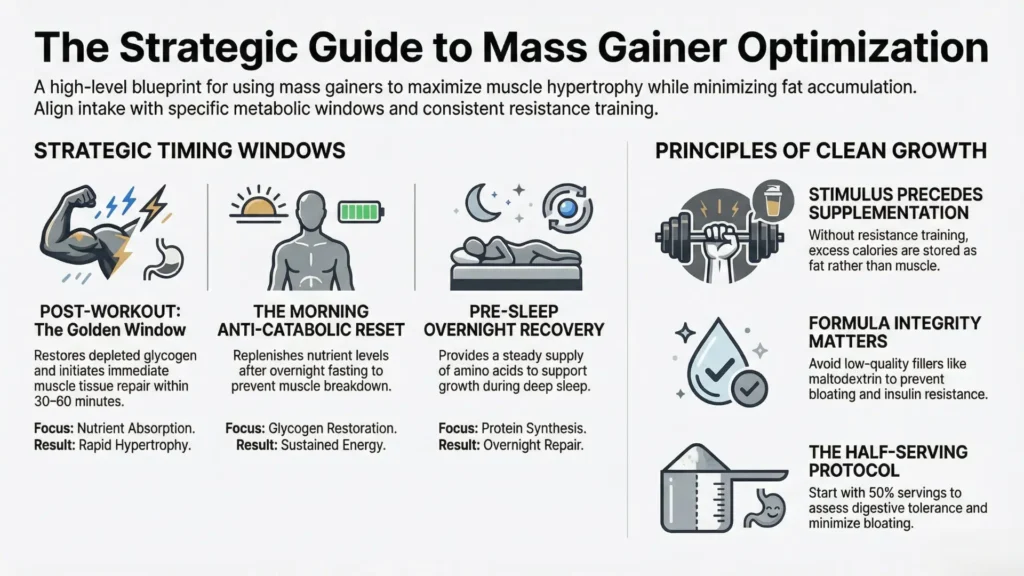
The best time to drink weight gain shakes for maximum results is either 30 to 45 minutes after a workout or 30 minutes before sleep. Post-workout consumption utilizes the body’s increased insulin sensitivity to repair muscles, while pre-sleep intake provides a steady supply of protein to prevent overnight muscle breakdown. Consuming weight gain smoothies as a high-calorie mid-morning or evening snack is also effective for those with busy lifestyles.
Struggle to Bulk Up? Why Your Weight Gain Shakes Aren’t Working
I know it’s hard to find time to eat six meals a day when you are balancing a corporate career in Bangalore or managing a household in Delhi. Many people believe that simply adding weight gain shakes to their diet will lead to instant results. However, the truth is more complex. If you are drinking these shakes at random times, your body might not be in the right metabolic state to use those calories for building healthy tissue. Instead of muscle, you might just be adding empty weight or, worse, experiencing digestive distress.
Let’s simplify this issue. The Indian thin-fat phenotype is a real concern where individuals look skinny but carry hidden abdominal fat that increases the risk of diabetes. When we haphazardly consume mass gainer shakes, we risk spiking our blood sugar too high, which can lead to insulin resistance rather than healthy weight gain. For my clients with PCOS or diabetes, this is particularly dangerous. We need a strategy that focuses on quality, not just quantity.
Decoding Gastric Emptying and Nutrient Absorption
The reason your current weight gain shakes might not be working is likely due to the Architecture of Food. When we blend ingredients, we change how the body processes them. Liquid calories pass through the stomach faster than solid food—a process known as fast gastric emptying. This can lead to a sharp rise in insulin, but without proper timing, those nutrients are often wasted. We must align your intake with your body’s natural building windows.
| Factor Affecting Results | Description | Recommendation |
| Metabolic Rate | High BMR burns calories faster than they are consumed. | Increase daily surplus by 300–500 kcal. |
| Nutrient Absorption | Poor gut health prevents the uptake of dense calories. | Use ginger and black pepper to boost digestion. |
| Exercise Synergy | Muscles are most receptive to protein after mechanical stress. | Pair shakes with basic strength training or yoga. |
| Liquid Satiety | The brain doesn’t register liquid calories as well as solid food. | Use shakes as additions, not total meal replacements. |
Understanding the Underweight Statistics in India
According to the National Family Health Survey (NFHS-5), malnutrition in India is a dual burden. While obesity is rising, a significant portion of the population remains underweight. Statistics show that 32.1% of children under five are underweight, and 18.7% of women aged 15-49 years struggle with low BMI. In regions like West Bengal, the underweight prevalence among preschoolers is 32.2%, slightly above the national average. These numbers tell us that being underweight is not just a personal struggle but a national health priority.
What this means for your daily routine is that we need to be more intentional. In my decade of experience at DietDekho, I have found that many Indian adults are functionally underweight—they have enough energy for basic tasks but lack the reserves to fight off infections or maintain muscle mass as they age. For these individuals, protein shakes for weight gain are not a luxury; they are a necessary nutritional intervention to prevent future health complications.

The Frustration of Being Underweight Despite Eating Everything
I often hear clients say, I eat more than my husband, but I’m still a stick! This struggle is particularly common among busy professionals who move constantly or NRIs who are adjusting to different climates and food qualities abroad. The frustration of being underweight often stems from a hyperactive metabolism or a genetic predisposition where the body is highly efficient at burning energy.
In simple terms, your body is like a high-performance engine that requires constant fueling. If you miss even one meal, your body starts to tap into its own muscle reserves for energy. This is why a weight gain diet must be relentless and consistent. The problem isn’t just not eating enough; it’s that the body’s demand for calories exceeds the supply provided by three traditional Indian meals of dal, sabzi, and roti.
| State/UT (NFHS-5) | Underweight Prevalence in Children (%) |
| Bihar | 41.0% |
| West Bengal | 32.2% |
| Andhra Pradesh | 29.6% |
| Delhi | 21.8% |
| National Average | 32.1% |
As the data from the Economic Survey 2023-24 indicates, the percentage of underweight individuals varies significantly across states, reflecting regional dietary habits and economic factors. For example, Bihar shows a high rate of 41%, while Delhi is lower at 21.8%. Regardless of where you live, if you are struggling to maintain weight, we must look at nutrient-dense homemade weight gain drinks that provide concentrated energy without overwhelming your stomach.
Medical Conditions That Complicate Weight Gain
It is essential to recognize that being underweight can sometimes be linked to underlying medical issues. Conditions like hyperthyroidism can cause the body to burn calories at an alarming rate. On the other hand, individuals with skinny PCOS might struggle to gain weight while simultaneously dealing with insulin resistance. In these cases, reaching for a high-sugar commercial weight gainer can be counterproductive.
What we recommend at DietDekho is a tailored approach. For thyroid patients, we incorporate herbs like ashwagandha and ginger into their weight gain shakes to support metabolic balance. For those with PCOS, we focus on low-glycemic index (GI) carbohydrates like ragi and jowar to ensure that the weight gain is healthy and doesn’t disrupt their hormones. Managing weight is not a one-size-fits-all journey, especially when your health is on the line.
Myth Buster: Are Weight Gain Shakes Just Sugar Water?
A common misconception among Indian families is that weight gain shakes are just artificial sugar water that will harm the kidneys. While some cheap commercial mass gainer shakes are indeed loaded with maltodextrin and refined sugars, the smoothies we advocate at DietDekho are built on whole-food foundations. We believe in the power of traditional Indian superfoods like sattu, makhana, and nuts to provide the calories you need.
Let’s look at the numbers to see the difference. A standard commercial gainer might give you 500 calories, but 60% of that could come from sugar. In contrast, a homemade shake using 100g of sattu provides approximately 380-413 calories, but with 20-26g of high-quality plant protein and 18g of dietary fiber. This fiber is crucial because it prevents the rapid insulin spikes that lead to the sugar crash and fat storage rather than muscle gain.
| Ingredient (Per 100g) | Calories (kcal) | Protein (g) | Fiber (g) | Key Minerals |
| Sattu (Roasted Gram) | 380–413 | 20–26 | 9–18 | Iron, Magnesium |
| Makhana (Fox Nuts) | 347 | 9.7 | 14.5 | Calcium, Potassium |
| Almonds | 579 | 21 | 12 | Vitamin E, Magnesium |
| Dates | 277 | 1.8 | 6.7 | Potassium, Iron |
In simple terms, homemade weight gain smoothies allow you to control the quality of your fuel. By using full-fat milk or curd as a base and adding calorie-dense nuts and seeds, you are giving your body a macro-balanced meal in a glass. This is much safer for individuals managing hypertension or diabetes, as you can eliminate added sodium and refined sugars entirely.

The Power of Sattu and Makhana in Weight Gain
Sattu, often called the poor man’s protein, is actually a nutritional goldmine. It has a low glycemic index of about 30–35, which means it releases energy slowly and keeps you fueled for longer. This is perfect for busy professionals who might skip a meal during a hectic workday. When mixed with milk and a bit of jaggery, it becomes a calorie-dense drink that supports healthy weight gain without the bloating associated with whey protein.
Makhana, or fox nuts, are another Indian superstar. They are naturally low in sodium and high in magnesium, making them an excellent choice for our clients with hypertension. Adding roasted and powdered makhana to your weight gain shakes provides a creamy texture and a significant boost in minerals like calcium and phosphorus, which are essential for bone health in underweight individuals.
The Science of Timing: Why When You Drink Matters More Than What
The most heralded aspect of nutrient timing involves consuming protein immediately after exercise to take advantage of the anabolic window. During this period, which lasts roughly 45 minutes to an hour, your muscles are highly sensitive to nutrients. Consuming a weight gain smoothie during this time can increase muscle protein synthesis (MPS) rates significantly. In fact, one study showed that consuming 10g of protein immediately post-exercise increased lean mass, whereas waiting two hours blunted the response.
However, the window might be wider than we once thought. Some research suggests that if you’ve had a solid meal before your workout, the post-workout window can extend to several hours. But for the busy professional who might be exercising on a relatively empty stomach, that immediate post-workout shake is non-negotiable. It switches the body from a breakdown state to a building state almost instantly.
Achieving Positive Energy Balance Through Nutrient Timing
| Timing Window | Metabolic Effect | Goal |
| Pre-Workout | Provides immediate glucose for energy. | Prevent muscle catabolism during exercise. |
| Post-Workout | Rapidly refills glycogen and starts repair. | Maximize muscle hypertrophy and recovery. |
| Pre-Sleep | Increases overnight amino acid levels. | Sustained muscle building during the fast. |
| Between Meals | Maintains a positive energy balance. | Ensure a consistent calorie surplus. |
The mathematical equation for weight gain is simple:
Energy_{Balance} = Energy_{In} – Energy_{Out}
To gain weight, Energy_{In} must consistently be greater than Energy_{Out}. However, to ensure that the gained weight is muscle, the timing of protein intake must coincide with periods of high metabolic demand, such as after resistance training.

The Impact of Pre-Sleep Protein Ingestion
What this means for your daily routine is that the most neglected window is actually bedtime. Research published by the NIH indicates that protein ingested prior to sleep is effectively digested and absorbed during the night. This increases overnight muscle protein synthesis rates by approximately 22% compared to a placebo. For an underweight person, sleep is an 8-hour fast where the body might start breaking down muscle for energy. A pre-sleep weight gain smoothie acts as a drip-feed of nutrients to prevent this.
In older adults or those recovering from illness, pre-sleep protein is even more critical to preserve muscle mass. At DietDekho, we recommend a Golden Shake made with warm milk, turmeric, and a little ashwagandha. This not only provides the necessary protein but also aids in sleep quality and stress reduction, which are both vital for healthy weight gain.
Best Time to Drink Weight Gain Shakes: Post-Workout vs. Before Bed
Let’s simplify the choice between these two peak times. If your goal is to build strength and fill out your frame, you should ideally aim for both. However, if you have to choose one, your decision should be based on your lifestyle. A post-workout shake is essential if you are doing any form of resistance training, even if it’s just basic yoga or bodyweight squats at home.
On the other hand, a pre-bed shake is the best strategy for those who have a very high metabolism and wake up feeling smaller or weaker in the morning. The pre-sleep window is specifically designed to counteract the long fasting period of the night. In simple terms, the post-workout shake is for repairing what you used, and the pre-bed shake is for building while you rest.
| Shake Type | Post-Workout | Before Bed |
| Primary Ingredient | Fast-absorbing (Sattu with Water/Whey) | Slow-absorbing (Milk, Nuts, Paneer) |
| Digestion Speed | Rapid absorption is preferred. | Slow, sustained release is key. |
| Best For | Gym-goers, athletes, manual laborers. | Everyone, especially non-gym goers. |
| PCOS/Diabetes Note | Good for insulin sensitivity. | Avoid high sugar; focus on healthy fats. |
For those managing hypertension, the post-workout shake should be particularly rich in potassium (like bananas or coconut water) to help regulate blood pressure after the physical stress of exercise. Conversely, the pre-bed shake should be low in caffeine and stimulants to ensure deep, restorative sleep.
Synergy Between Exercise and Protein Timing
It is important to remember that weight gain shakes work best when paired with some form of muscle stimulation. Without exercise, the body may not see a reason to turn those extra calories into muscle. Even 20–30 minutes of daily physical activity—like brisk walking or climbing stairs—increases the body’s anabolic responsiveness to protein for up to 24 hours. This means your body becomes better at using the sattu or milk in your shake to build tissue rather than just storing it as fat.

Sample Indian Daily Routine for Healthy Weight Management
I know it’s hard to imagine adding more food to your day when you’re already feeling full. That’s why we use the 5-6 small meals approach at DietDekho. Instead of three giant meals that leave you lethargic, we spread the calories throughout the day to keep your energy levels steady and your metabolism supported.
Designing a Sustainable 6-Meal Daily Routine
Early Morning (6:30 AM – 7:00 AM): Start your day with a handful of soaked almonds and walnuts. This provides healthy fats that prime your hormones for the day. If you have thyroid issues, you can also have a small piece of ginger or a few fenugreek seeds soaked overnight.
Breakfast (8:30 AM): A hearty meal like two potato-stuffed parathas with a dollop of butter or a large bowl of vegetable upma with cashews. Pair this with a small glass of full-fat milk to ensure you are starting the day in a building phase.
Mid-Morning Shake (11:00 AM): This is a prime window for a Sattu Refresh. Mix 3 tablespoons of sattu with chilled buttermilk, a pinch of roasted cumin, and lemon. This is refreshing for Indian summers and provides about 10-15g of protein without feeling heavy.
Lunch (1:30 PM):
A traditional balanced plate. Aim for 1 bowl of rice, 2 rotis with ghee, 1 cup of thick paneer curry or dal, and a side of salad. In simple terms, try to include a protein, a carb, and a fat in every lunch.
Evening Weight Gain Smoothie (5:00 PM): This is often the best time for busy professionals to refuel. A smoothie made with 1 banana, 2 dates, 1 tablespoon of peanut butter, and 1 cup of milk provides roughly 400-500 calories. This bridges the long gap between lunch and dinner.
Dinner (8:30 PM): Keep it fulfilling but slightly lighter than lunch. A bowl of rajma-chawal or khichdi with plenty of ghee and a side of curd.
Bedtime (10:00 PM): A warm glass of turmeric milk with a teaspoon of honey or a few strands of saffron. This is your recovery window.

Adjustments for NRIs and Professionals Abroad
For our NRI community in the US or UK, finding fresh sattu can be difficult. You can substitute it with oat flour (blend dry oats into a powder) or use high-quality nut butters as your calorie base. If whole milk is not tolerated, Greek yogurt is a fantastic high-protein alternative that also supports gut health. The goal remains the same: hit your calorie targets using the most natural ingredients available in your local market.
Common Mistakes: Replacing Whole Meals with Liquid Calories
One of the most frequent errors I see at DietDekho is the liquid-only trap. People think that if they drink three massive weight gain shakes a day, they can skip lunch or dinner. This is a mistake. Liquids move through the digestive system much faster than solids. While this is good for adding extra calories, it is bad for long-term satiety and metabolic rhythm.
What this means for your daily routine is that your brain doesn’t register liquid calories the same way it does a meal you have to chew. Chewing sends signals to your brain that food is coming, which triggers the release of satiety hormones like PYY and GLP-1. Without these signals, you might find yourself feeling hungry again very quickly, leading to a cycle of hidden hunger despite consuming many calories.
| Comparison | Solid Calories (Meal) | Liquid Calories (Shake) |
| Satiety Level | High (Chewing triggers hormones). | Low (Brain registers it as a drink). |
| Digestion Speed | Slow (Controlled nutrient release). | Fast (Rapid gastric emptying). |
| Insulin Response | Moderate/Stable. | High (Potential for sharp spikes). |
| Best Use | Foundation of the diet. | Supplement to fill calorie gaps. |
In simple terms, use shakes to add to your day, not to replace your traditional Indian meals. A shake is a tool to get you that extra 500 calories you can’t seem to eat, not a way to avoid the dinner table.
The Fiber Paradox in Blending
Even if you blend healthy fruits like apples or bananas into your weight gain smoothies, you are changing how they work in your body. Blending pulverizes the physical structure of the fiber. While the fiber grams are still there on the label, they no longer act as a mesh in your gut to slow down sugar absorption. This is why a glass of juice or a very thin smoothie can spike your insulin much faster than eating the fruit whole. For those with PCOS or diabetes, we recommend adding thickness to your shakes using chia seeds or whole oats to slow down this process.

Your Journey to a Healthier You: Consistency Over Perfection
I know it can feel like a mountain to climb when you’re trying to gain even five kilograms. The most important thing to remember is that weight gain is a slow process of building tissue. Expecting to gain 5kg in a week is unrealistic and often leads to unhealthy fat deposition. Instead, focus on gaining 0.5kg per week. Over a few months, this adds up to a transformed, stronger version of yourself.
Consistency is more important than perfection. If you miss your post-workout shake one day, don’t worry—just make sure you have your pre-sleep milk. At DietDekho, we emphasize that your mental state matters too. High stress levels produce cortisol, which can actually prevent you from gaining muscle. Taking time to breathe, relax, and enjoy your food is just as important as the calories in your cup.
Ayurvedic Tips for a Stable Weight
In Ayurveda, being underweight is often a sign of a Vata imbalance. Vata is like the wind—light, dry, and always moving. To balance this, we use grounding foods that are warm, heavy, and oily. This is why we recommend adding ghee to your rotis and drinking warm milk instead of cold shakes.
Warmth is your best friend. Cold drinks can dampen your Agni or digestive fire, making it harder for your body to absorb those calorie-dense weight gain shakes. Try taking your shakes at room temperature or slightly warm, and add warming spices like cinnamon, cardamom, or ginger to help your body process the nutrients more effectively.
Get Your Personalized Weight Gain Diet Plan from Diet Dekho Experts
We have covered a lot of ground today—from the science of overnight muscle synthesis to the benefits of sattu and makhana. However, your body has its own unique story. Maybe you are balancing a high-stress job, or perhaps you are managing a condition like hypothyroidism that makes you feel tired even as you try to gain strength.
A generalized plan can only take you so far. To truly see maximum results, you need a macro-balanced plan that accounts for your specific BMI, lifestyle, and regional tastes. Whether you are in India or abroad, our experts at DietDekho are here to guide you with a science-backed, supportive approach.

FAQs
1. Is it better to make homemade weight gain drinks or buy a mass gainer?
While commercial mass gainer shakes are convenient, they often contain high amounts of sugar and artificial additives. We recommend homemade weight gain smoothies because they allow you to use whole-food ingredients like sattu, nuts, and full-fat milk, which provide better micronutrients and are easier on the gut.
2. I have diabetes; are weight gain shakes safe for me?
Yes, but you must avoid added sugars and honey. Use low-GI bases like sattu or oats and add ingredients like cinnamon and methi (fenugreek) which are known to help stabilize blood sugar. Always consult your doctor or a DietDekho expert to tailor the shake to your insulin needs.
3. Can I gain weight without going to the gym?
Absolutely. While resistance training helps ensure weight gain is mostly muscle, you can still gain healthy weight through a consistent calorie surplus. Activities like yoga, brisk walking, or even consistent household chores help keep your metabolism active so your body uses the nutrients from your protein shakes for weight gain effectively.
4. Why do I feel bloated after drinking protein shakes for weight gain?
Bloating is often caused by fast consumption or high-fiber ingredients that your body isn’t used to. Try sipping your shake slowly and ensure you are well-hydrated throughout the day. Using traditional ingredients like sattu is often easier on the Indian digestive system than foreign whey proteins.
5. How long does it take to see results from weight gain smoothies?
If you are consistent with your calorie surplus and timing, you should begin to see small changes in your energy levels and weight within 2–4 weeks. Remember, healthy weight gain is a marathon, not a sprint. Consistency over 3–6 months leads to the most sustainable changes.
Contact Us
We understand how overwhelming nutrition and weight loss information can feel. With so many opinions and confusing advice online, it’s easy to feel stuck or unsure about what to do next.
At Diet Dekho, you never have to figure it out alone. You can contact us anytime with any questions or concerns. Our expert dietitians are available 24/7 to guide, support, and help you stay on track. Whether your goal is weight loss or building healthier habits, we’re here to make the journey simpler and more sustainable for you.
Disclaimer
This blog is intended to help readers make healthier food choices. Your health should always be the top priority. Before starting any restrictive or special diet, especially if you have a medical condition or health concern, please consult a doctor or a qualified dietitian. Each body responds differently to food and lifestyle changes. Always choose what is safe and suitable for you.

Dr. Ritika is a nutrition and lifestyle expert with 2+ years of experience, helping clients manage weight and health through practical, personalized diet plans.