DietDekho research indicates that the challenge of achieving a healthy physique in the Indian subcontinent is often viewed through the lens of weight reduction, yet a significant portion of the population remains focused on how to gain weight fast due to persistent undernutrition and high metabolic rates. National health surveys reveal that approximately one-fifth of Indian adults are underweight, a condition that leads to muscle wasting, reduced physical capacity, and diminished economic productivity. For those with an ectomorph body type or medical conditions like hyperthyroidism and PCOS, simple overeating is rarely effective.
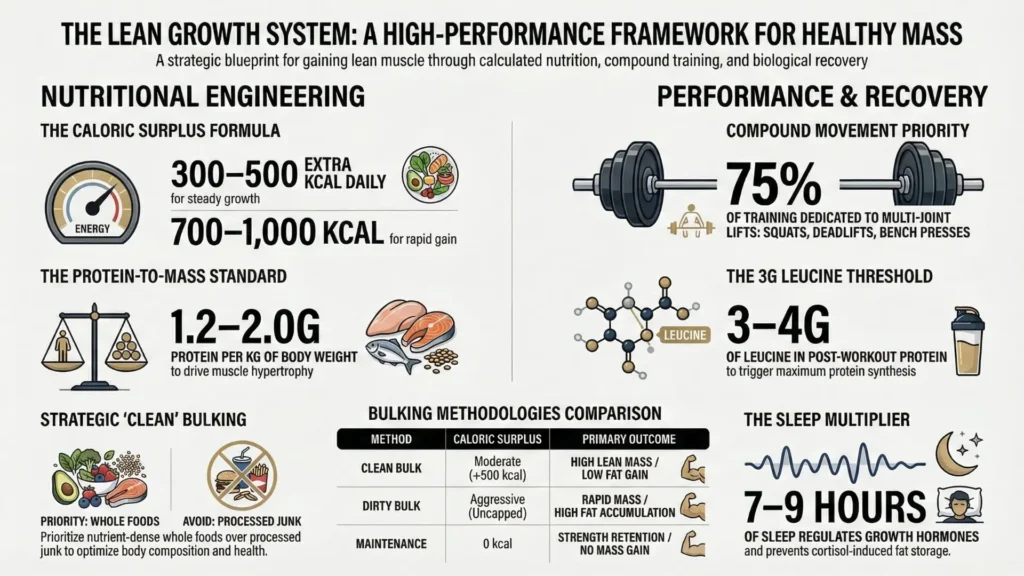
Gaining weight quickly and healthily requires a consistent caloric surplus of 300 to 500 calories above the daily maintenance level, achieved through nutrient-dense Indian whole foods. By prioritizing high-quality proteins such as paneer, soya, and lentils alongside healthy fats like ghee and complex carbohydrates such as millets, individuals can stimulate lean muscle growth and improve overall body composition.
Struggling to See Progress? Why Weight Gain Remains Elusive Despite Eating
The latest National Family Health Survey (NFHS-5) reports that undernutrition continues to affect a distressing percentage of the Indian population, with nearly 23% of women and 20% of men classified as underweight. Many individuals find that their efforts to increase mass are thwarted by a naturally fast metabolism or poor nutrient partitioning. In simple terms, the body burns calories faster than they are consumed, leaving no energy for tissue building or storage.
This physiological barrier is often seen in individuals with an ectomorph body type, characterized by long limbs, small joints, and a lean frame. For these hardgainers, the standard Indian diet, which is frequently high in low-quality carbohydrates like white rice and refined wheat, may provide volume but lacks the concentrated caloric density and protein required for anabolism. Furthermore, a reliance on cereals without adequate pulse intake results in a significant protein gap, particularly among vegetarians.
| Nutritional Status in India (Adults) | Prevalence (Percentage) | Associated Risks |
| Underweight Men | 19.7% | Muscle wasting, reduced work capacity |
| Underweight Women | 22.9% | Pregnancy complications, anemia |
| Adolescent Girls (Underweight) | 24% | Cognitive delays, stunting |
The lack of progress is also frequently linked to micronutrient deficiencies. Studies show that a high percentage of the Indian population suffers from deficiencies in Vitamin B12, Vitamin D, and iron, which are essential for metabolic efficiency and muscle repair. Without these catalysts, the body cannot effectively utilize the macronutrients provided in the diet, leading to a plateau in mass accumulation.
How Does Metabolic Rate Influence Weight Gain?
Metabolism is the complex chemical process by which the body converts nutrients into energy. In individuals struggling to increase their mass, the Basal Metabolic Rate (BMR) is often higher than average due to genetic factors or high levels of non-exercise activity thermogenesis (NEAT), such as fidgeting or frequent walking. The total energy expenditure can be calculated using the Mifflin-St Jeor formula:
BMR=10×weight(kg)+6.25×height(cm)−5×age(y)+s
In this equation, s is a constant (+5 for males and −161 for females). For those identifying with the ectomorph body type, the body’s high sensitivity to insulin allows it to process carbohydrates efficiently, but the rapid metabolic turnover prevents these nutrients from being stored as muscle or fat. Consequently, achieving a surplus requires a more aggressive approach to caloric density rather than just increasing the volume of standard meals.
Why Do Urban Professionals Struggle with Mass Gain?
In the modern corporate environment, erratic schedules and high stress levels create a catabolic state in the body. Cortisol, the stress hormone, can lead to the breakdown of muscle tissue for energy, further complicating the efforts of those looking for how to gain weight fast. Busy professionals often skip meals or rely on tea and biscuit culture, which provides empty calories without the protein necessary for muscle preservation.
This cycle of undereating followed by high-stress activity leads to a depletion of glycogen stores. When glycogen is low, the body may convert muscle protein into glucose through a process called gluconeogenesis, effectively shrinking the very muscle mass the individual is trying to build. Breaking this cycle requires a shift toward planned, frequent, and nutrient-dense feedings.

Beyond the Scale—The Frustration of Being Underweight in a Social Context
The psychological impact of being underweight in a culture that often equates health with a robust appearance cannot be understated. Many individuals face social stigma, being perceived as frail or less capable, which can lead to body dysmorphia and social anxiety. For homemakers and young professionals, this frustration is amplified when traditional advice centers exclusively on weight loss, leaving the underweight population without a clear, scientifically backed roadmap for growth.
Underweight status is not merely an aesthetic concern; it is a major risk factor for disease burden. According to ICMR data, low birth weight and child growth failure remain the biggest contributors to the disease burden in India, and these patterns often persist into adulthood. For women, being underweight is strongly correlated with menstrual irregularities, such as dysmenorrhea, and a higher risk of adverse birth outcomes.
| Demographic Group | Primary Health Hazard of Low Weight | Long-term Impact |
| Adolescent Girls | Chronic Anemia (96.6% prevalence) | Diminished future productivity |
| Working Men | Reduced Skeletal Muscle Mass | Lower physical stamina and output |
| Children < 5 years | Stunting and Wasting | ROB-IQ loss and cognitive impairment |
The emotional burden is further exacerbated for those managing chronic conditions like PCOS or thyroid disorders. While these conditions are often associated with weight gain, a subset of patients remains thin (lean PCOS) yet suffers from the same metabolic derangements, such as insulin resistance and hormonal imbalances. These individuals often feel ignored by general health guidelines, making a specialized Indian diet plan essential for their holistic well-being.
The Impact of Social Pressure on Dietary Habits
Social gatherings in India often revolve around food, but the options provided are frequently deep-fried or high in refined sugar. For an underweight person, there is a temptation to indulge in these empty calories to please others or to see a quick movement on the scale. However, this often leads to skinny fat syndrome, where fat accumulates around the organs (visceral fat) while the limbs remain thin and weak.
This visceral fat accumulation is particularly dangerous as it increases the risk of Type 2 diabetes and hypertension, even in individuals with a low Body Mass Index (BMI). Experts at NIH emphasize that the quality of weight gain is as important as the quantity. Promoting the growth of lean muscle tissue through balanced nutrition and resistance training is the only way to avoid these long-term health risks.
Why Eating Everything in Sight Is Not the Right Way to Gain Weight
A common misconception in the quest for how to gain weight fast is the idea of dirty bulking—consuming unlimited amounts of junk food, sweets, and fried items. While this will indeed create a caloric surplus, the results are often detrimental to metabolic health. Refined flours (maida), high-sugar sweets, and trans fats found in samosas and pakoras cause rapid spikes in blood sugar and insulin, promoting systemic inflammation rather than muscle growth.
Traditional Indian sweets like jalebi and gulab jamun are dense in empty calories but provide virtually no protein, vitamins, or minerals. Frequent consumption of these items can lead to insulin resistance, making it harder for the body to build muscle in the long run. The ICMR-NIN guidelines suggest that no more than 10% of total energy should come from saturated fats, yet a dirty bulk often exceeds this by a significant margin.
| Traditional Food Item | Negative Metabolic Impact | Healthy Alternative |
| Samosa/Pakora | High trans fats, inflammatory | Roasted Chana or Paneer Tikka |
| Refined Flour (Maida) | Spikes insulin, low fiber | Whole Wheat or Millet Roti |
| Sugary Mithai | Visceral fat accumulation | Dates or Fruit and Nut Chikki |
| Packaged Biscuits | Empty calories, high sodium | Soaked Nuts or Seeds |
The goal of a healthy weight gain plan is to support mitigating the risk of metabolic diseases while increasing mass. This means replacing refined cereals with whole grains and ensuring that every caloric increase is accompanied by a proportional increase in protein and micronutrients. A diet dominated by white rice and sugar may lead to a higher number on the scale, but it fails to build the strength and resilience necessary for long-term health.
The Misunderstood Role of Ghee in Weight Gain
Ghee is often both idolized and demonized in Indian households. Some believe it is a magical solution for thinness, while others avoid it entirely for fear of heart disease. Science suggests a middle ground. Ghee contains butyrate, a short-chain fatty acid that supports gut health and reduces inflammation, and Conjugated Linoleic Acid (CLA), which helps in healthy nutrient partitioning.
However, adding ghee to an already unhealthy, high-carb diet will only accelerate fat storage. When used correctly—for example, smeared on a whole-wheat roti or used to sauté vegetables—ghee aids in the absorption of fat-soluble vitamins (A, D, E, K) and provides a dense source of healthy energy. In simple terms, ghee is a tool for caloric density, not a license to ignore nutritional quality.

Understanding Metabolism and Why Caloric Surplus Matters for Your Body Type
To successfully navigate the journey of how to gain weight fast, one must understand their specific body type and its unique nutritional requirements. Body types are generally categorized into three somatotypes: ectomorphs, mesomorphs, and endomorphs. Ectomorphs, who are most commonly the hardgainers, have a light build, small joints, and a very fast metabolism that burns up calories before they can be stored.
For an ectomorph, the primary challenge is to consume more calories than the body burns through both daily activity and its high BMR. This requires a caloric surplus, typically defined as 500 calories above the daily maintenance requirement. This surplus provides the extra energy needed for muscle protein synthesis, provided there is a stimulus from resistance training.
| Body Type | Metabolic Characteristics | Recommended Focus for Gain |
| Ectomorph | Fast metabolism, high insulin sensitivity | High carb (50-60%), high calorie |
| Mesomorph | Efficient metabolism, easy muscle gain | Balanced macros, moderate surplus |
| Endomorph | Slower metabolism, easy fat storage | High protein, controlled surplus |
Ectomorphs respond best to a diet that is relatively high in carbohydrates (50–60% of total calories), as their bodies are highly sensitive to insulin and can utilize these carbs for energy and muscle glycogen replenishment. Without sufficient carbohydrates, the body may use protein for fuel, which is counterproductive for muscle growth.
The Importance of Progressive Overload
Consuming a surplus without physical activity will result in fat gain rather than muscle development. Resistance training is the signal the body needs to use the extra calories for building lean tissue. For those who cannot visit a gym, bodyweight exercises like push-ups and squats can provide the necessary stimulus. The short answer is that the combination of more food and muscle tension is the only formula for healthy mass gain.
Weight gain training at home is effective when individuals focus on progressive overload, which means gradually increasing the difficulty of the exercises over time. This can be achieved by doing more repetitions, slowing down the movement to increase time under tension, or using household items like water bottles or rice bags as weights.
Practical Food & Habit Solutions: Indian Superfoods and Simple Kitchen Swaps
The traditional Indian diet offers a variety of superfoods that are exceptionally effective for weight gain when used strategically. The key is to select foods that are energy-rich but also nutrient-dense. By focusing on these items, an individual can reach their caloric goals without feeling constantly overstuffed.
High-Calorie Vegetarian Powerhouses
Vegetarians often struggle with protein intake, but several Indian staples are excellent for building mass. Paneer (cottage cheese) is a standout, offering approximately 18–20g of protein per 100g, along with healthy fats. Similarly, soya chunks provide a complete protein profile, making them an ideal mock meat for muscle repair.
- Dals and Legumes: Moong, Masoor, and Urad dal are protein-rich and can be made more calorie-dense by adding a ghee tadka.
- Makhana (Fox Nuts): When roasted in ghee and seasoned with spices, makhana becomes a healthy, high-calorie snack that supports bone health.
- Sattu (Roasted Gram Flour): A traditional North Indian superfood, sattu is rich in protein and fiber. It can be consumed as a drink or stuffed into parathas for a massive caloric boost.
Healthy Fats and Caloric Density
Fats are the most efficient way to increase caloric intake, as they provide 9 calories per gram, compared to 4 calories per gram for protein and carbohydrates. Using healthy oils and fats is a cornerstone of the how to gain weight fast strategy.
| Instead of… | Use… | Caloric Benefit |
| Refined Sunflower Oil | Ghee or Cold-pressed Coconut Oil | Better nutrient absorption, stable fats |
| Water-based gravy | Coconut Milk or Cream-based gravy | Significant increase in healthy fats |
| Plain Curd | Full-fat Greek Yogurt (Hung Curd) | Higher protein and fat density |
| White Bread | Whole Wheat Roti with Ghee | Sustained energy, more fiber and protein |
Nuts and seeds are another vital addition. Almonds, walnuts, and peanuts are calorie-dense and provide essential minerals like magnesium and zinc. A handful of mixed nuts can easily add 150–200 calories to a daily total. Traditional chikki (made from peanuts and jaggery) is an excellent way to satisfy a sweet tooth while adding protein and healthy fats.

The Role of High-Calorie Smoothies
For those with a low appetite, drinking calories is often easier than eating them. A homemade weight gain smoothie can provide 500–800 calories in a single glass. Experts at Harvard Health suggest that blending whole fruits with a protein source and healthy fats can prevent the sugar crash associated with store-bought juices.
A simple Indian weight-gain shake could include a base of full-fat milk, two bananas, a tablespoon of peanut butter, a handful of soaked almonds, and a teaspoon of honey or dates for sweetness. This provides a balance of fast and slow-digesting carbohydrates, protein, and healthy fats.
Daily Routine Example: A Full Day Sample Indian Diet Chart for Healthy Weight Gain
Achieving results requires structure. The following diet chart is designed to provide approximately 3000–3200 calories, which is an ideal target for an underweight adult looking for how to gain weight fast through a balanced Indian meal plan.
Morning and Breakfast (6:00 AM – 9:00 AM)
The day should begin with a hit of protein and healthy fats to break the overnight catabolic state. A glass of warm full-fat milk with two tsp of skimmed milk powder (for extra protein) and a handful of soaked almonds is an excellent start.
For breakfast, a calorie-dense option is essential. Stuffed parathas (potato, paneer, or cauliflower) served with a bowl of curd and a dollop of butter can provide up to 500 calories. Alternatively, a large bowl of vegetable poha or upma with added peanuts and a side of two boiled eggs offers a balanced mix of complex carbs and high-quality protein.
| Meal Timing | Food Item | Protein Content (g) | Calories (approx.) |
| Early Morning | Milk (full fat) + 5 Soaked Almonds | 10g | 250 |
| Breakfast | 2 Paneer Parathas + 1 bowl Curd | 25g | 500 |
| Mid-Morning | 1 Banana + Handful of Roasted Chana | 8g | 200 |
Lunch and Afternoon (1:00 PM – 4:00 PM)
Lunch should be the most substantial meal of the day. A traditional Thali approach ensures a variety of nutrients. This includes two multigrain rotis smeared with ghee, a large bowl of dal (urad or moong), a cup of rice (preferably brown or red rice), and a serving of seasonal vegetable sabzi like Aloo-Gobi or Matar-Paneer.
The inclusion of a protein booster at lunch is vital. This could be a bowl of sprout salad or a piece of grilled chicken or fish for non-vegetarians. Finishing the meal with a glass of lassi (sweet or salted with roasted cumin) can add another 150 calories while aiding digestion.

Evening and Dinner (6:00 PM – 9:00 PM)
Evening snacks are often the most neglected part of a weight gain journey. Instead of tea and biscuits, one should opt for a peanut butter sandwich on whole-wheat bread or a small bowl of chicken soup. For those on the go, a portion of groundnut chikki or a handful of roasted soybeans provides the necessary caloric boost.
Dinner should be similar to lunch but slightly lighter on the stomach to ensure good sleep quality. A bowl of Dal Khichdi made with plenty of ghee and vegetables is both comforting and calorie-dense. Pairing this with a side of paneer bhurji or a boiled egg ensures that the body has a steady supply of amino acids throughout the night.
| Meal Timing | Food Item | Protein Content (g) | Calories (approx.) |
| Lunch | Dal + Rice + 2 Rotis + Sabzi + Curd | 20g | 750 |
| Evening Snack | Peanut Butter Toast + Tea | 12g | 300 |
| Dinner | Paneer Bhurji + 2 Rotis + Dal | 25g | 700 |
| Bedtime | 1 Glass Milk + 1 tsp Ghee/Honey | 8g | 250 |
Bedtime (10:00 PM)
A glass of warm turmeric milk (haldi doodh) with a teaspoon of honey or a few dates is a traditional bedtime ritual that supports recovery and muscle growth. For ectomorphs, eating a small protein-rich snack before bed is recommended to prevent muscle catabolism during the long fasting period of sleep.
Medical Considerations: Weight Gain with PCOS, Diabetes, and Hypertension
Gaining weight while managing a medical condition requires a specialized approach. The standard weight-gain diet might be too high in sugar for a diabetic or too high in sodium for someone with hypertension. It is essential to tailor the Indian diet plan to meet these specific safety considerations.
Lean PCOS and Weight Gain
In women with lean PCOS, the body often struggles with insulin resistance despite a low BMI. The focus must be on high-fiber, low-glycemic index (GI) carbohydrates to maintain hormonal balance while increasing calories.
- Foods to Include: Millets like ragi and jowar, which provide sustained energy without spiking insulin.
- Protein Focus: Lean proteins like moong dal, egg whites, and tofu are preferred over fatty red meats to reduce inflammation.
- Avoid: Refined sugar, maida, and excessive dairy if it triggers acne or inflammation.
Weight Gain for Diabetics
Underweight individuals with Type 2 diabetes must avoid rapid blood sugar spikes. This means that high-calorie fruits like mangoes should be eaten in moderation and always paired with a protein or fat source to slow sugar absorption.
| Medical Condition | Primary Dietary Restriction | Weight Gain Strategy |
| Diabetes | Refined sugar/High GI foods | Complex carbs + Healthy fats |
| Hypertension (BP) | Sodium/Salt (<1500mg/day) | Potassium-rich whole foods |
| Thyroid (Hyper) | Excess iodine (if specific) | High frequency, nutrient-dense meals |
Hypertension and the DASH Diet
For those with high blood pressure, the goal is to gain weight while managing sodium and potassium levels. The DASH (Dietary Approaches to Stop Hypertension) eating plan is the gold standard.
- Sodium Management: Avoid pickles, papads, and processed snacks, which are hidden sources of salt.
- Potassium Boost: Include bananas, sweet potatoes, and tomatoes, which help regulate blood pressure.
- Healthy Weight Gain: Use unsalted nuts and seeds as primary snacks instead of salted varieties.

Common Mistakes to Avoid: Are You Sabotaging Your Weight Gain Journey?
Even with the best intentions, many individuals make mistakes that stall their progress or lead to unhealthy fat accumulation. Recognizing these errors is the first step toward a successful transformation.
1. The Overreliance on Liquid Calories
While smoothies are a great tool, the body still needs solid food for optimal digestion and nutrient absorption. Relying solely on shakes can lead to a lazy digestive system and may not provide the full spectrum of micronutrients found in whole foods. In simple terms, liquid meals should supplement, not replace, traditional Indian cooking.
2. Ignoring Gut Health
A high-calorie diet can be taxing on the digestive system, leading to bloating and indigestion. If the body cannot digest the food, it cannot absorb the nutrients. Including probiotics like homemade curd (dahi) or fermented foods like idli and dhokla is essential for maintaining a healthy gut microbiome. Spices like ginger, fennel (saunf), and cumin also help stimulate appetite and aid in the breakdown of fats.
3. Inconsistency and Lack of Tracking
The most common reason for failure in how to gain weight fast is inconsistency. Eating a large meal once a day is not the same as maintaining a daily caloric surplus. Many people feel like they are eating a lot, but when the calories are tracked, they often fall short of their targets. Using a food diary or a simple tracking app can provide the accountability needed for long-term results.
4. Fear of Gaining Any Fat
Healthy weight gain almost always involves some level of fat gain alongside muscle. Trying to stay perfectly lean while gaining mass often leads to undereating, which prevents any significant muscle growth. The short answer is that a small, controlled increase in body fat is a normal part of the process and can be managed later through a maintenance phase.
Gentle Motivation + Hope: Consistency Over Speed
Building a stronger, healthier version of yourself is a journey that requires patience. In a world that promises instant results, it is easy to get discouraged when the scale doesn’t move every day. However, metabolic changes take time. Consistency in eating habits and moderate physical activity will yield results that are much more sustainable than any quick fix.
For the busy professional or the hardworking homemaker, finding time for self-care can be difficult. It is important to remember that even small changes—like adding an extra roti to your lunch or switching your evening tea for a glass of milk—can add up to significant progress over several months. You are not just changing your weight; you are building the physical foundation for a longer, more energetic life.
Building a Stronger Future
Every meal is an opportunity to nourish your body and move closer to your goals. Whether your motivation is to look better, have more energy for your family, or manage a medical condition more effectively, a structured Indian diet plan is your most powerful tool. The focus should always be on quality over quantity, ensuring that your new weight brings with it newfound strength and vitality.

Frequently Asked Questions (FAQs)
What is the fastest way to gain weight for an Indian vegetarian?
The most effective way is to increase the caloric density of traditional meals. This includes adding ghee to rotis and dals, consuming full-fat dairy products like paneer and curd, and snacking on calorie-dense items like peanuts, makhana, and chikki. Consistency in maintaining a 500-calorie surplus daily is key.
Can I gain weight without going to the gym?
Yes, muscle mass can be built at home using bodyweight exercises such as squats, push-ups, and lunges. You can also use household items like water bottles for resistance. The goal is to provide a growth signal to the muscles while maintaining a caloric surplus.
Is it safe to gain weight if I have PCOS?
Yes, but it must be done carefully. Focus on a high-protein, low-GI diet to manage insulin levels while increasing mass. Avoid refined sugars and processed junk foods, and prioritize whole grains like oats and ragi along with lean proteins.
How much weight can I realistically gain in a month?
A healthy and sustainable rate of weight gain is approximately 0.5 to 1 kilogram per week, which translates to 2 to 4 kilograms per month. Faster weight gain often results in excess fat accumulation rather than lean muscle.
Should I take supplements to gain weight fast?
While whole foods should be the priority, supplements like whey protein or mass gainers can be helpful for those with a very high caloric requirement or a low appetite. However, they should always be used as a supplement to, not a replacement for, a balanced diet.
Contact Us
We understand how overwhelming nutrition and weight loss information can feel. With so many opinions and confusing advice online, it’s easy to feel stuck or unsure about what to do next.
At Diet Dekho, you never have to figure it out alone. You can contact us anytime with any questions or concerns. Our expert dietitians are available 24/7 to guide, support, and help you stay on track. Whether your goal is weight loss or building healthier habits, we’re here to make the journey simpler and more sustainable for you.
Disclaimer
This blog is intended to help readers make healthier food choices. Your health should always be the top priority. Before starting any restrictive or special diet, especially if you have a medical condition or health concern, please consult a doctor or a qualified dietitian. Each body responds differently to food and lifestyle changes. Always choose what is safe and suitable for you.

Dr. Ritika is a nutrition and lifestyle expert with 2+ years of experience, helping clients manage weight and health through practical, personalized diet plans.