At DietDekho, we understand that gaining mass can be as challenging as losing it. If you feel stuck despite eating more, you are likely facing common weight gain myths that focus on quick fixes instead of metabolic health. Clearing these misconceptions is the first step toward a stronger, healthier version of yourself.
Common weight gain myths suggest that junk loading is a shortcut to growth. In reality, healthy progress requires a caloric surplus from nutrient-dense Indian foods like ghee, paneer, and lentils. This must be paired with resistance training to build lean muscle rather than storing dangerous visceral fat.
Why does scaling up feel harder than losing weight for many?
For many in India, gaining weight is a biological hurdle. Individuals known as ectomorphs often have a very high basal metabolic rate (BMR). This means your internal furnace burns calories faster than you can consume them.
How does the thin-fat phenotype affect progress?
The Indian thin-fat phenotype complicates this journey further. Many people look thin but carry visceral fat around their organs. This usually happens due to a diet high in refined carbs and low in protein. When you try to bulk up using wrong methods, you might only gain a belly while your arms stay thin.
Do your genes dictate your body size?
Genetics contribute significantly to your body composition. Some people have genes that dissipate extra energy as heat instead of storing it as tissue. For your daily routine, this means you need a specific strategy to override your body’s natural tendency to stay lean.
How does metabolism fight against your efforts?
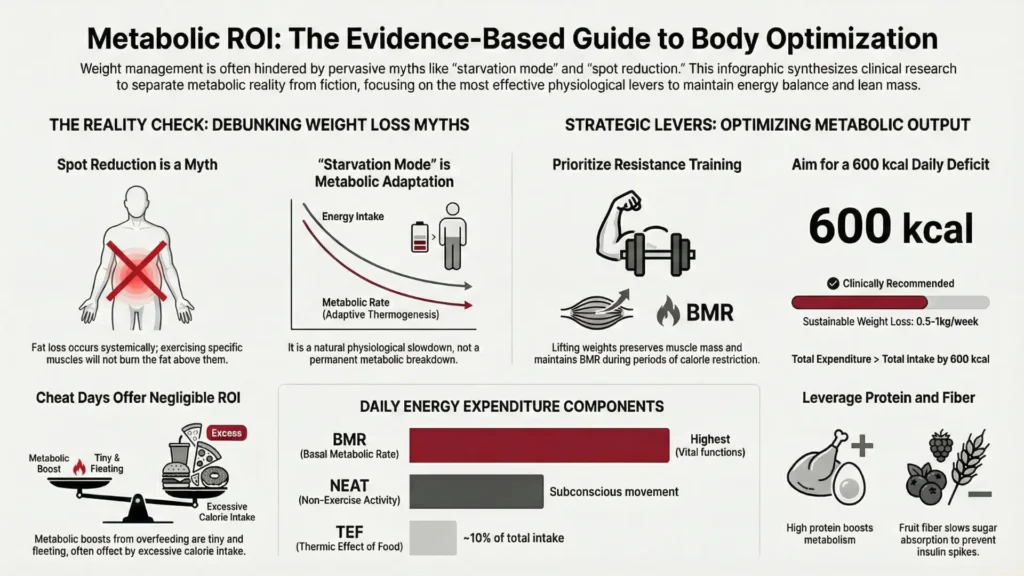
Your body may fight weight gain through small movements called NEAT. When you eat more, you might subconsciously fidget or pace to burn the extra energy. A structured, macro-balanced approach is necessary to beat these common weight gain mistakes.
Social media is full of weight gain lies that can take an emotional toll. Many clients come to DietDekho feeling defeated after 10kg in 10 days challenges. These viral trends often result in nothing but bloating and frustration.
The hidden pressure of thin-shaming in India
In Indian households, thin-shaming is a pervasive issue. Young men are pressured to look masculine, while women are told they look sickly. This pressure can lead to disordered eating habits. People often force-feed themselves junk food just to change the number on the scale.
Why miracle mass gainers are often a trap
The emotional cost is high when you buy expensive mass gainers that fail. Many of these are just jars of sugar and low-quality fillers. When you don’t see results, you may blame your body instead of the product. Let’s simplify this: your body isn’t the problem; the advice was.
| Factor | Description | Weight Gain Impact |
| BMR | Baseline calorie burn | Higher in hard gainers |
| TEF | Energy used for digestion | Boosted by protein |
| NEAT | Small, daily movements | Often increases with more food |

Common weight gain myths debunked: Is eating junk a recipe for disaster?
One of the most dangerous weight gain myths is that the source of calories doesn’t matter. Dirty bulking with samosas and sweets is a disaster for your long-term health. This approach is especially risky if you have a family history of diabetes or high BP.
The high cost of empty calories
Junk foods provide energy but no structural nutrients. Your body needs amino acids for muscle and healthy fats for hormones. Fried foods only provide glucose and trans fats. These are stored as dangerous fat around your organs rather than lean tissue.
The risk of insulin resistance and PCOS
A diet high in refined sugar can make your cells deaf to insulin. This is a major concern for Indian women managing PCOS. When insulin resistance happens, your body stores energy as fat instead of using it for growth. This leads to the skinny-fat look we want to avoid.
How junk food affects your daily energy
For a busy professional, a heavy, oily lunch leads to a food coma. These foods cause a sharp blood sugar spike followed by a crash. You feel sluggish and unfocused during your workday. A nutritious weight gain plan focuses on steady energy and productivity.
Why do we fall for the fast results trap?
We want results now, but biological tissue takes time to grow. Healthy weight gain involves building muscle and bone density. This is a slow process that cannot be rushed without health risks. Understanding these misconceptions about gaining weight is vital for success.
What is a realistic rate of growth?
Guidelines suggest a sustainable rate of 0.5 to 1 kg per week. To gain 1 kg of mass, you need a surplus of about 7,700 calories. If you gain 5 kg in a week, it is mostly water and fat. This bloat disappears quickly once you stop overeating.
The role of cortisol and stress
Weight gain is regulated by your thyroid and cortisol levels. Doubling your food intake overnight can trigger a stress response. Elevated cortisol actually encourages muscle breakdown. For those with thyroid issues, a fast results approach usually backfires.
Why your gut needs time to adapt
Your digestive system needs training to handle more food. A sudden jump in calories can cause severe gas and indigestion. Slowly increasing your portions allows your enzymes to adapt. This ensures you actually absorb the nutrients you are eating.

What are the best Indian superfood swaps for a healthy weight gain diet?
Weight gain isn’t just about eating more food; it’s about eating more energy. You can increase your intake without feeling overstuffed. By choosing the right swaps, you can build a successful healthy weight gain diet.
The truth about Desi Ghee
For years, ghee was a victim of weight gain myths that called it unhealthy. Modern science now recognizes moderate ghee intake as beneficial. One tablespoon adds about 130 calories to your meal. It also contains butyrate, which supports your gut health.
Swapping refined grains for millets
White rice is a staple, but millets like Ragi or Bajra offer more. Ragi is excellent for those with diabetes or PCOS. Its high fiber prevents sugar spikes while providing dense energy. This makes it a perfect addition to a nutritious weight gain plan.
| Traditional Food | Healthy Swap | Calorie Benefit |
| Plain Roti | Paneer Paratha | Adds ~150 calories |
| Tea & Biscuits | Milk & Dates | Better nutrient density |
| Fruit Juice | Curd Smoothie | Adds protein & probiotics |
| White Rice | Brown Rice/Quinoa | Better fiber & energy |
Using nuts and seeds as hidden calories
I know it’s hard to find time for large meals. Use toppings to increase density. Adding crushed peanuts to your upma adds 150 calories instantly. This is how you densify your food without increasing the volume. This is a core pillar of a balanced diet for gaining weight.
How does a structured meal flow look in a nutritious weight gain plan?
Consistency is the secret to seeing results. Having a template for the day removes the stress of planning. Here is a high-calorie flow that fits a busy Indian lifestyle.
Morning: The protein-rich start
- 7:00 AM: Start with 5 soaked almonds and 2 walnuts.
- Breakfast: Two paneer parathas with ghee and a glass of full-fat milk.
Mid-day: Sustained energy flow
- 11:00 AM: One large banana with a spoonful of peanut butter.
- Lunch: A large bowl of dal makhani, 2 rotis with ghee, and brown rice. For NRIs, a quinoa salad with chickpeas is a great modern choice.
Evening: Recovery and growth
- 4:00 PM: A bowl of roasted makhana or sprouts chaat.
- Dinner: Protein-heavy paneer tikka or chicken curry with a small serving of rice.
- Bedtime: Warm turmeric milk with honey to support muscle repair during sleep.

Which common weight gain mistakes should you avoid for gut health?
Treating your body like a garbage disposal will lead to long-term issues. Pushing too hard with supplements can harm your digestion. Avoiding common weight gain mistakes is essential for a healthy gut.
The danger of mass gainer over-reliance
Mass gainers are often sold as magic pills. However, many contain cheap protein and excess lactose. This leads to bloating, gas, and even diarrhea. If you rely on them, your body may stop producing its own digestive enzymes.
Why skipping breakfast is a major error
Many people skip breakfast to be hungrier for lunch. This is a mistake. When you skip meals, your body can enter a catabolic state. This means it breaks down its own muscle for energy. Every missed meal is a step backward in your journey.
Volume vs. Density: The salad mistake
Eating a giant bowl of salad might feel healthy, but it lacks calories. While fiber is good, filling up on low-calorie bulk prevents you from eating protein. In simple terms, eat your protein and fats first. Use the salad as a side dish instead.
Why do small wins matter in your bulking journey?
Scaling up is a marathon, not a sprint. There will be days when you don’t feel like eating. That is okay. The key is to stay consistent and patient with your body’s unique timeline.
How to track progress beyond the scale
The scale is a liar. It doesn’t know the difference between muscle and fat. Instead, track your non-scale victories. Are you sleeping better? Do your clothes fit better? Has your energy at work improved? These are the real signs of success.
The power of 500 extra calories
Adding just 500 extra calories a day is a massive win. Over a month, this adds up to 15,000 extra calories. This is enough to gain nearly 2 kg of healthy weight. I know it’s hard to wait, but buildings are built brick by brick.
Get your personalized plan: A journey tailored to you.
Every person has different nutritional needs. A homemaker with PCOD needs a different plan than a busy NRI professional. Following a generic viral video is often why people fail.
At DietDekho, we use a science-first approach. We analyze your metabolism and lifestyle to build a plan that works. Whether it is managing rice for diabetes or choosing foods for thyroid health , we provide the expertise you need. Stop falling for weight gain myths and start your real transformation today.

Frequently Asked Questions
Q1: What are the most common weight gain myths?
The most common myths include the idea that you should eat junk to gain weight and that mass gainers are mandatory. In truth, a balanced diet for gaining weight focused on whole foods like ghee and paneer is safer and more effective.
Q2: How can I gain weight safely if I have PCOS or Diabetes?
Focus on lean proteins and low-GI carbs like ragi and moong dal. Avoid sugary boosters that cause insulin spikes. A nutritious weight gain plan should prioritize muscle growth through strength training rather than fat gain.
Q3: Will lifting weights make me look bulky?
This is one of the top weight gain myths. Most people, especially women, do not have the hormones to look bulky without extreme training. Lifting weights helps you gain lean mass and creates a toned, healthy appearance.
Q4: Can I gain 10 kg in a month safely?
No. Gaining weight that fast usually means unhealthy fat gain or water retention. ICMR guidelines suggest a healthy rate of 0.5 to 1 kg per week. A gradual approach ensures your heart and hormones stay stable.
Q5: Are there specific Indian foods for fast results?
Calorie-dense staples include Desi ghee, paneer, bananas, milk, and nuts. These should be eaten in frequent, small meals to help you reach your goals without feeling bloated.
Contact Us
We understand how overwhelming nutrition and weight loss information can feel. With so many opinions and confusing advice online, it’s easy to feel stuck or unsure about what to do next.
At Diet Dekho, you never have to figure it out alone. You can contact us anytime with any questions or concerns. Our expert dietitians are available 24/7 to guide, support, and help you stay on track. Whether your goal is weight loss or building healthier habits, we’re here to make the journey simpler and more sustainable for you.
Disclaimer
This blog is intended to help readers make healthier food choices. Your health should always be the top priority. Before starting any restrictive or special diet, especially if you have a medical condition or health concern, please consult a doctor or a qualified dietitian. Each body responds differently to food and lifestyle changes. Always choose what is safe and suitable for you.

Dr. Ritika is a nutrition and lifestyle expert with 2+ years of experience, helping clients manage weight and health through practical, personalized diet plans.