Have you ever looked in the mirror and felt a deep sense of frustration because no matter how much you eat, your frame remains fragile? At DietDekho, we understand that learning how to gain weight for females is often a lonely journey in a world obsessed with weight loss. Consequently, it is not just about aesthetics; it is about feeling strong, energetic, and healthy in your own skin. This comprehensive guide on how to gain weight for females provides the clarity you need.
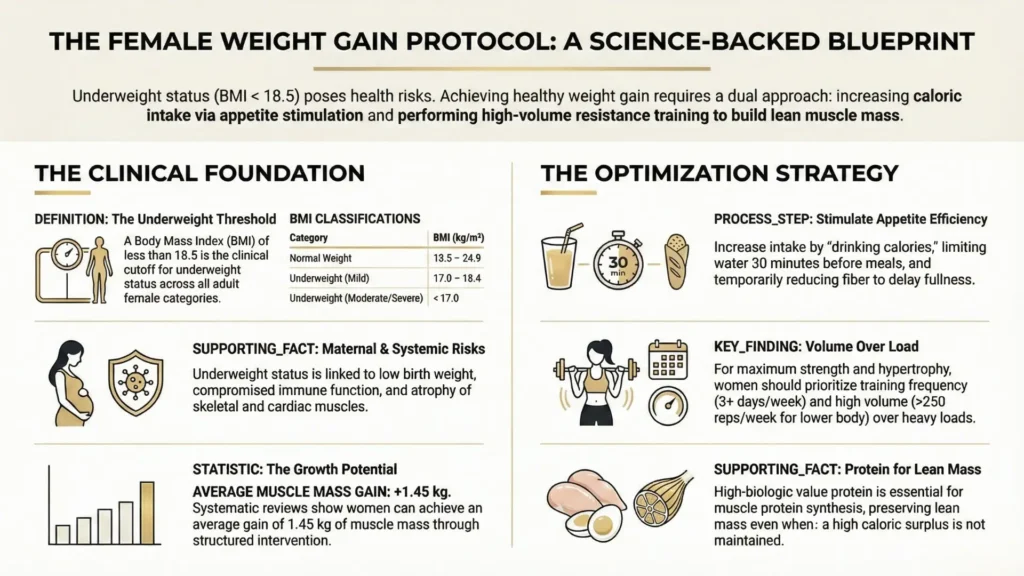
To understand how to gain weight for females, you must consume a nutrient-dense caloric surplus of 300–500 calories above your maintenance level. This involves eating high-quality Indian proteins like paneer and pulses, healthy fats like desi ghee, and complex carbohydrates. By eating frequent, macro-balanced meals and managing hormonal health, you can gain sustainable weight and improve overall vitality.
Why is it hard for some women to gain weight despite eating more?
It is a common misconception that being underweight is simply a result of not eating enough. In reality, many women find themselves struggling to increase their body mass due to complex physiological and genetic factors. I know it’s hard to feel like you’re doing everything right while the scale remains stuck, but the answer often lies deep within your body’s unique metabolic programming.
One of the most significant hurdles is a naturally high Basal Metabolic Rate (BMR). Specifically, some women are genetically predisposed to burn energy much faster than others, even while resting. This means that a standard 2,000-calorie diet, which might be sufficient for a peer, is barely enough to maintain your current weight. What this means for your daily routine is that you have to be much more intentional about every single bite you take.
Beyond simple metabolism, we must look at hormonal influences. For instance, conditions like hyperthyroidism or even the metabolic shifts associated with early postmenopause can dramatically alter how your body stores energy. In the Indian context, where dietary patterns are often rich in carbohydrates but sometimes lacking in concentrated protein, the body may prioritize immediate energy use over tissue building, leaving you feeling perpetually lean.
Is the frustration of being skinny-shamed affecting your health?
In our society, we often talk about the pain of fat-shaming, but the trauma of skinny-shaming is just as real and damaging. Women are frequently subjected to unsolicited comments like Don’t you eat anything? or You look so weak. Furthermore, these remarks can lead to internalized stigma, making you feel as though your body is failing you. Research indicates that this kind of social judgment often results in self-blame, anxiety, and even social withdrawal.
The psychological burden of being underweight can actually hinder your weight gain progress. Moreover, high stress levels trigger the release of cortisol, which can disrupt your appetite and lead to further muscle wasting. Let’s simplify this: your mind and body are on the same team. If you are constantly stressed about your appearance, your digestive system may not function at its best, making it harder to absorb the very nutrients you are trying to consume.
Furthermore, the pressure to conform to perfect body standards—whether those standards are for thinness or for a specific type of curvy fitness—can lead to disordered eating patterns. For some women, the fear of being judged leads to a control mechanism where they struggle to eat intuitively. Consequently, breaking this cycle of self-criticism is the first step in the DietDekho philosophy. We believe that a healthy weight gain journey must begin with self-compassion.

Why is the junk food and sweets myth dangerous for women looking for a female weight gain meal plan?
When you tell someone you want to gain weight, the most common advice you’ll hear is to just eat more pizza, burgers, and sweets. While it is true that these foods are high in calories, they are what we call empty calories. The short answer is that relying on junk food to bulk up is a recipe for poor long-term health. These foods are loaded with trans fats and refined sugars that can cause systemic inflammation.
For a woman, gaining weight should never be about just adding fat; it should be about building lean muscle mass and improving bone mineral density. In simple terms, if you only eat junk, you might see the number on the scale go up, but you won’t feel any stronger. You might even develop skinny-fat syndrome, where you have a low body weight but a high percentage of visceral fat, which is dangerous for your heart.
Refined grains like white bread and maida, along with sugary beverages, cause rapid spikes in blood sugar. Specifically, for women managing PCOS or pre-diabetes, this can be catastrophic. These spikes lead to a subsequent crash, leaving you feeling tired and hungrier for more sugar. Our approach at DietDekho focuses on traditional Indian superfoods that provide both the calories and the micronutrients your body craves for a sustainable way of how to gain weight for females.
What are the real reasons behind a struggle to increase weight for ladies?
Identifying the root cause of your low weight is essential for creating a successful plan. For many Indian women, the struggle is not a lack of willpower but a combination of medical and physiological factors that require a targeted approach. Let’s explore how to gain weight for females by addressing these root causes effectively.
How do hormonal imbalances like PCOS and Thyroid affect you?
While many associate Polycystic Ovary Syndrome (PCOS) with weight gain, Lean PCOS is a significant reality for many. Women with this condition may have a normal or low BMI but still suffer from insulin resistance. This means their bodies struggle to use glucose effectively, which can lead to muscle wasting. Similarly, an overactive thyroid (hyperthyroidism) can turn your metabolism into a furnace, burning through calories faster than you can replace them.
| Hormonal Factor | Impact on Weight Gain | Management Strategy |
| Lean PCOS | Insulin resistance hinders muscle growth. | Focus on low-GI complex carbs and protein. |
| Hyperthyroidism | Rapid caloric burn and muscle loss. | High-calorie, nutrient-dense diet with medical care. |
| Cortisol (Stress) | Appetite suppression and catabolism. | Stress management and frequent small meals. |
| Estrogen Shifts | Changes in fat distribution and energy use. | Resistance training to maintain muscle. |
Is poor nutrient absorption the hidden culprit?
Additionally, you could be eating the best diet in the world, but if your gut isn’t absorbing the nutrients, you won’t gain a gram. Malabsorption Syndrome (MAS) is fairly common in India, often caused by conditions like Celiac disease or Tropical Sprue. These conditions damage the lining of the small intestine, preventing the uptake of fats, proteins, and vitamins. Consequently, this can lead to persistent weakness and unintended weight loss.
Chronic infections or an imbalance in gut bacteria (SIBO) can also play a role. When your gut health is compromised, you may experience bloating, diarrhea, or foul-smelling stools—all signs that your food is passing through you without being used for growth. Improving your gut flora with traditional Indian probiotics like homemade curd is a vital part of the weight gain process for women.

What are the essential pillars of healthy weight gain for girls?
If you want to know how to gain weight for females in a way that lasts, you need to follow three fundamental pillars: a caloric surplus, adequate protein for muscle, and healthy fats for energy density. These aren’t just suggestions; they are the biological requirements for building a stronger body and achieving healthy weight gain for girls.
How to calculate and achieve a caloric surplus?
To gain weight, you must eat more calories than your body burns. For a steady gain of about 0.5 kg per week, you should aim for 300–500 extra calories every day. However, if you are very active or have a very high metabolism, you might need to push this to 700 extra calories. In simple terms, think of it as adding an extra substantial snack or increasing your portion sizes by about 25% at every meal.
Why is protein the most important building block?
Moreover, protein is what turns those extra calories into muscle rather than just body fat. The ICMR recommends about 0.83g of protein per kg of body weight for a regular person, but for someone trying to gain weight, we often suggest aiming for 1.2g to 1.5g per kg. For an Indian woman, this means prioritizing foods like paneer, dals, eggs, and full-fat milk at every meal.
| Protein Source | Protein per 100g (Approx.) | Caloric Value (Approx.) |
| Paneer (Cottage Cheese) | 18-20g | 265 kcal |
| Chicken Breast | 25-28g | 165 kcal |
| Moong Dal (Cooked) | 8-9g | 115 kcal |
| Whole Eggs (2 large) | 12g | 160 kcal |
| Soya Chunks | 52g | 345 kcal |
How do healthy fats help you eat more without feeling full?
Additionally, one of the biggest struggles for thin women is feeling full too quickly. This is where healthy fats come to the rescue. Fats contain 9 calories per gram, while protein and carbs only have 4. By adding a tablespoon of desi ghee to your roti or dal, you add over 100 calories without adding any bulk to the meal. This makes it much easier to reach your caloric goals without feeling like you’re forcing yourself to eat.
How can you swap low-calorie Indian foods for nutrient-dense versions?
Gaining weight doesn’t mean you have to change your entire palate. It’s about making smarter, denser choices within the food you already love. Let’s simplify this: instead of eating a plain wheat roti, try a stuffed paneer paratha. These small changes add up over a week and make a massive difference in your results.
Moving from refined grains to high-energy staples
Instead of white rice, which can spike your sugar and leave you hungry later, opt for basmati rice or brown rice, but always enrich it. Adding ghee, nuts, or mixing it with calorie-dense legumes like Rajma (kidney beans) or Chole (chickpeas) turns a simple meal into a weight-gain powerhouse. Furthermore, if you are an NRI or a busy professional, you can even prepare these in batches to save time.
Swapping light snacks for traditional superfoods
I know it’s tempting to grab a packet of chips when you’re busy, but those won’t help your muscles grow. Instead, keep a jar of homemade dry fruit laddus or peanut chikki nearby. These traditional Indian snacks are packed with healthy fats and proteins. Even a simple banana with a tablespoon of peanut butter is a far better choice for someone learning how to gain weight for females than any processed snack.
| Instead of This… | Try This DietDekho Swap! | Why it Works |
| Plain Tea & Rusks | Full-fat Milk with Almonds & Dates | Adds protein, healthy fats, and vitamins. |
| Steamed White Rice | Vegetable Pulao with Cashews & Ghee | Increases calorie density significantly. |
| Plain Wheat Roti | Aloo or Paneer Paratha with Butter | Adds complex carbs and protein. |
| Fruit Juice | Whole Fruit (Banana/Mango) with Nuts | Provides fiber and concentrated energy. |
| Clear Vegetable Soup | Dal Shorba or Creamy Chicken Soup | Increases protein and healthy fat intake. |

A sample 7-day routine: How to gain weight for females through a balanced diet
This plan is designed for a busy Indian lifestyle. Whether you are a homemaker in Delhi or a professional in London, these meals are easy to prepare and highly effective. This specific of how to gain weight for females starts with a focus on high-energy mornings to jumpstart your metabolism.
Starting with High Protein Day
- Early Morning (7:00 AM): 1 glass of full-fat milk with 1 tsp ghee and 2 soaked dates.
- Breakfast (8:30 AM): 2 Paneer parathas prepared with butter and a small bowl of sweetened curd.
- Mid-Morning (11:00 AM): 1 Banana with 1 tbsp peanut butter and a handful of walnuts.
- Lunch (1:30 PM): 1 cup Jeera rice with a large bowl of Dal Makhani, 1 cup seasonal sabzi, and 1 roti with ghee.
- Evening Snack (4:30 PM): A glass of Mango lassi or a thick fruit smoothie with honey.
- Dinner (8:30 PM): Chicken curry or Soya-Paneer bhurji with 2 buttered rotis and a side salad.
- Bedtime (10:00 PM): Warm turmeric milk with crushed almonds.
Focus on Traditional Millets Day
- Early Morning: 5-6 soaked almonds and 2 walnuts with warm water.
- Breakfast: 1 bowl of Ragi porridge with milk, jaggery, and chopped cashews.
- Mid-Morning: 1 cup Coconut water and 1 medium-sized apple or guava.
- Lunch: Rajma-Chawal topped with a tablespoon of ghee and a bowl of raita.
- Evening Snack: Roasted makhana in ghee with a cup of masala tea.
- Dinner: Mixed vegetable Khichdi with extra ghee and 1 boiled egg (or extra paneer).
- Bedtime: 1 glass of Banana milkshake.
Energy-Dense South Indian Flavors Day
- Early Morning: 2 figs soaked overnight with 1 cup of warm milk.
- Breakfast: 3-4 Idlis with coconut chutney and a bowl of sambhar enriched with vegetables.
- Mid-Morning: A cup of Greek yogurt with honey and sliced almonds.
- Lunch: 2 Multigrain rotis with Chole (chickpeas) and a portion of vegetable pulao.
- Evening Snack: Peanut butter toast on whole-wheat bread.
- Dinner: Palak Paneer with 2 buttered rotis and a kachumber salad.
- Bedtime: Warm milk with a pinch of cardamom and 2 dates.
Complex Carbohydrates for Strength Day
- Early Morning: Handful of raisins and 1 glass of milk.
- Breakfast: 1 bowl of Vegetable Poha with extra peanuts and 1 boiled egg.
- Mid-Morning: 1 Banana and a few dry fruit laddus.
- Lunch: 1 cup Basmati rice, 1 cup Moong dal, and a serving of Aloo-Gobi prepared in mustard oil.
- Evening Snack: Sprouts chaat with lemon and a cup of ginger tea.
- Dinner: Egg curry (2 eggs) with 2 rotis and a small bowl of curd.
- Bedtime: Saffron milk with a few pistachios.
Rich and Creamy Nutrient Boost Day
- Early Morning: 2-3 pieces of peanut chikki and warm milk.
- Breakfast: 2 Besan chillas stuffed with grated paneer and a glass of milk.
- Mid-Morning: A small bowl of fruit salad (mango/chikoo) with flaxseeds.
- Lunch: Chicken or Veg Biryani with raita and a serving of green beans.
- Evening Snack: 1 cup of baked Sweet potato with ghee and chaat masala.
- Dinner: 2 Rotis with Paneer Butter Masala (use less cream, more milk) and dal.
- Bedtime: A thick Chikoo or Strawberry milkshake.
Healthy Fats and Micronutrients Day
- Early Morning: 1 glass of milk with a scoop of mass gainer or protein powder.
- Breakfast: Oats Upma with peas, carrots, and a bowl of curd.
- Mid-Morning: Handful of cashews and a small piece of dark chocolate.
- Lunch: 1 cup Rice, 1 bowl Fish or Soyabean curry, and a serving of bhindi.
- Evening Snack: 1 cup Sabudana khichdi or 2 whole-grain crackers with cheese.
- Dinner: 2 Rotis with Masoor dal and a serving of grilled chicken or paneer.
- Bedtime: Warm milk with soaked figs.
Weekend Revitalizer Day
- Early Morning: 1 Banana and 5-6 soaked almonds.
- Breakfast: 2 slices of whole-wheat bread with avocado or 2 fried eggs.
- Mid-Morning: A glass of thick sweet lassi or a bowl of kheer.
- Lunch: 2 Rotis, 1 bowl of Paneer curry, 1 bowl of yellow dal, and salad.
- Evening Snack: 1 cup of mixed vegetable soup and a handful of roasted peanuts.
- Dinner: Chicken or Paneer stew with 1 cup of basmati rice.
- Bedtime: Turmeric milk with a teaspoon of honey.

What are the common mistakes to avoid in a weight gain diet for women?
Even with the best plan, it is easy to fall into habits that sabotage your progress. Consequently, I know it’s hard to find time for every meal, but consistency is the absolute key to seeing changes in your body.
Why should you never skip breakfast or snacks?
When you sleep, your body enters a fasting state. Furthermore, if you skip breakfast, your body may start breaking down muscle tissue for energy, which is exactly the opposite of what you want. Similarly, going more than 4 hours without a snack can cause your blood sugar to dip, making you feel weak and killing your appetite. Let’s simplify this: think of your body as a fire; you need to keep adding small logs (snacks) to keep it burning strong.
Are you relying too much on supplements?
Moreover, I see many women making the mistake of replacing real meals with protein shakes or mass gainers. While these are helpful add-ons, they should never be the foundation of your diet. Whole foods provide complex nutrients and fiber that your gut needs to function properly. Additionally, supplements can sometimes cause bloating or digestive distress if taken on an empty stomach, so always pair them with a small snack or a meal.
Why is ignoring your mental health a mistake?
As we discussed earlier, stress and anxiety are the enemies of weight gain. Specifically, if you are constantly checking the scale every day, you will become discouraged. Weight gain is not linear; your weight can fluctuate based on hydration and hormonal cycles. What this means for your daily routine is that you should only weigh yourself once a week and focus more on how your energy levels feel.
How to manage weight gain for females with existing medical conditions?
Gaining weight when you have a medical condition requires a more nuanced approach. At DietDekho, we specialize in ensuring your diet supports your recovery rather than creating more problems. Consequently, balancing your hormones while understanding how to gain weight for females safely is our priority.
How to gain weight safely with PCOS/PCOD?
If you have Lean PCOS, you must avoid sugary weight-gain supplements. Instead, focus on clean weight gain. This means using anti-inflammatory spices like turmeric and cinnamon and prioritizing healthy fats like omega-3s from walnuts and flaxseeds. This helps balance your hormones while giving you the calories you need to build muscle. Furthermore, choosing low-GI foods like oats and ragi is a great start.
What about gaining weight with Diabetes?
If you have type 2 diabetes and need to gain weight, the goal is to increase calories without causing blood sugar spikes. You can do this by increasing your intake of healthy fats and proteins. Specifically, adding an extra serving of paneer or chicken to your meal, or drizzling olive oil over your salad, provides calories with minimal impact on your glucose levels. Avoid fruit juices and stick to whole fruits with nuts to slow down the sugar release.
How to manage weight gain with High Blood Pressure?
For hypertensive women, the silent danger in a weight gain diet is sodium. Many high-calorie snacks are very salty. To gain weight safely, you must stick to home-cooked meals where you can control the salt. Specifically, focus on the DASH diet principles: plenty of fruits, vegetables, and low-fat dairy, but use high-calorie versions like whole milk. Potassium-rich foods like potatoes and bananas are your best friends here.

How can Indian superfoods accelerate your progress?
India is home to some of the most nutrient-dense foods on the planet. By incorporating these into your daily routine, you can reach your goals faster and feel better doing it. These foods are essential for a robust and wants to know how to gain weight for females.
Why is Desi Ghee considered liquid gold?
Ghee is a traditional fat that aids digestion and provides concentrated calories. Specifically, it contains butyric acid, which nourishes the cells of your intestine, improving your ability to absorb other nutrients. A tablespoon of ghee added to your meals can help you gain weight without making you feel uncomfortably full. It’s also stable at high temperatures, making it the perfect cooking medium.
What makes Makhana and Dates so effective?
Moreover, Makhana (lotus seeds) are rich in protein and calcium, making them a great snack for bone health. When roasted in ghee, they become a calorie-dense treat. Dates, on the other hand, provide natural sugars and fiber, along with essential minerals like potassium and iron. In simple terms, eating 2–3 dates with a glass of warm milk at night is one of the oldest and most effective Indian remedies for natural weight gain.
| Superfood | Primary Benefit for Weight Gain | Best Way to Consume |
| Desi Ghee | Concentrated calories & gut health. | Drizzled on rotis, dals, or in milk. |
| Amla | Boosts immunity & nutrient absorption. | Raw, as a juice, or in a chutney. |
| Ashwagandha | Reduces stress & aids muscle recovery. | Mixed in warm milk before bedtime. |
| Ragi | High in calcium & complex energy. | As a porridge, dosa, or in rotis. |
| Banana | Quick energy & potassium for muscle. | In shakes or with peanut butter. |
Is your lifestyle supporting your weight gain goals?
Nutrition is only one piece of the puzzle. Specifically, knowing how to gain weight for females effectively involves looking at your sleep and activity levels. If you are constantly running on 5 hours of sleep, your body will remain in a state of stress, making it nearly impossible to gain muscle. Aim for 7–8 hours of quality rest every night to allow your tissues to repair and grow.
Furthermore, while you don’t need a gym to gain weight, doing some light home-based resistance training is very helpful. Simple bodyweight exercises like squats, push-ups against a wall, or even carrying heavy grocery bags can signal your body to store those extra calories as muscle. I know it’s hard to find time, but even 15 minutes of movement 3 times a week can transform how your body looks and feels.
Lastly, hydration is key. While we recommend caloric drinks, don’t forget plain water. Water is necessary for every metabolic process, including the synthesis of new protein in your muscles. However, remember the golden rule: don’t drink water right before a meal, as it will fill your stomach and reduce the amount of food you can eat.

FAQs
Q1: How can I gain weight if I have a very low appetite?
The best way to increase weight for ladies with low appetites is to eat small, frequent meals every 2–3 hours. Focus on liquid calories like milkshakes and lassi, and always add a tablespoon of ghee or nut butter to your meals to increase calories without increasing volume.
Q2: Will I get a belly if I try to gain weight?
To avoid gaining only abdominal fat, you must focus on a high-protein diet and include some light resistance training. Moreover, avoiding refined sugars and processed junk food will also help ensure that weight is distributed healthily across your body.
Q3: Is it okay to eat sweets to gain weight?
While an occasional treat is fine, relying on sweets is not healthy. Sugary foods cause insulin spikes that can lead to fat storage and inflammation. Consequently, it is better to get your sweetness from natural sources like dates, honey, or jaggery.
Q4: How long does it take to see results?
Healthy weight gain is a slow process. Aiming for 0.5 kg to 1 kg per week is realistic and sustainable. Specifically, you may notice changes in your energy levels within the first two weeks, while visible changes in your frame usually take 4–8 weeks of consistency.
Q5: Can I gain weight at home without going to the gym?
Yes, absolutely. Most of your progress comes from your kitchen. Home-based bodyweight exercises and a consistent caloric surplus are more than enough to achieve a healthy weight for most women.
Contact Us
We understand how overwhelming nutrition and weight loss information can feel. With so many opinions and confusing advice online, it’s easy to feel stuck or unsure about what to do next.
At Diet Dekho, you never have to figure it out alone. You can contact us anytime with any questions or concerns. Our expert dietitians are available 24/7 to guide, support, and help you stay on track. Whether your goal is weight loss or building healthier habits, we’re here to make the journey simpler and more sustainable for you.
Disclaimer
This blog is intended to help readers make healthier food choices. Your health should always be the top priority. Before starting any restrictive or special diet, especially if you have a medical condition or health concern, please consult a doctor or a qualified dietitian. Each body responds differently to food and lifestyle changes. Always choose what is safe and suitable for you.

Dr. Ritika is a nutrition and lifestyle expert with 2+ years of experience, helping clients manage weight and health through practical, personalized diet plans.