DietDekho understands that achieving physical equilibrium is a nuanced challenge when the body’s metabolic master controller—the thyroid gland—does not function optimally. For many individuals in the Indian context, thyroid discussions often center on weight loss. However, the necessity for a structured weight gain diet for thyroid health is a critical concern for those struggling with muscle wasting, low energy, and the thin-fat phenotype. Finding a sustainable path to weight gain requires more than just increasing caloric intake; it demands a sophisticated understanding of how hormonal health, nutrient partitioning, and traditional Indian lifestyle habits intersect to support a healthy body mass.
The short answer is that a weight gain diet for thyroid health utilizes calorie-dense, nutrient-rich Indian whole foods like ghee, nuts, and whole grains to overcome metabolic sluggishness. By balancing iodine, selenium, and zinc-rich foods with progressive strength training, individuals can achieve healthy muscle mass and weight normalization despite the hormonal challenges of hypothyroidism, ensuring long-term metabolic stability and vitality.
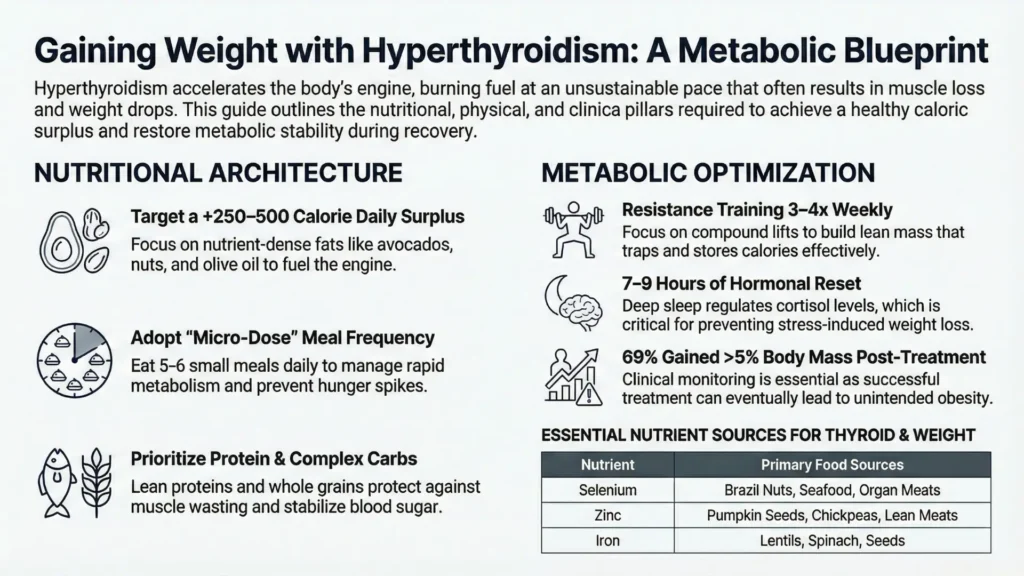
Why is a weight gain diet for thyroid so challenging for many?
The physiological landscape of thyroid dysfunction creates a unique paradox where the traditional laws of thermodynamics—calories in versus calories out—often fail to produce the desired physical outcomes. For the busy professional or the hardworking homemaker in India, the primary obstacle in a weight gain diet for thyroid management is the alteration of the Basal Metabolic Rate (BMR). The thyroid gland generates hormones, specifically triiodothyronine (T3) and thyroxine (T4), which act as the primary regulators of oxygen consumption and energy expenditure at the cellular level. When these levels remain insufficient, as seen in hypothyroidism, the body’s resting energy expenditure (REE) decreases significantly. This makes the process of building muscle mass and gaining healthy weight feel like an uphill struggle.

The Impact of Metabolism on Body Composition
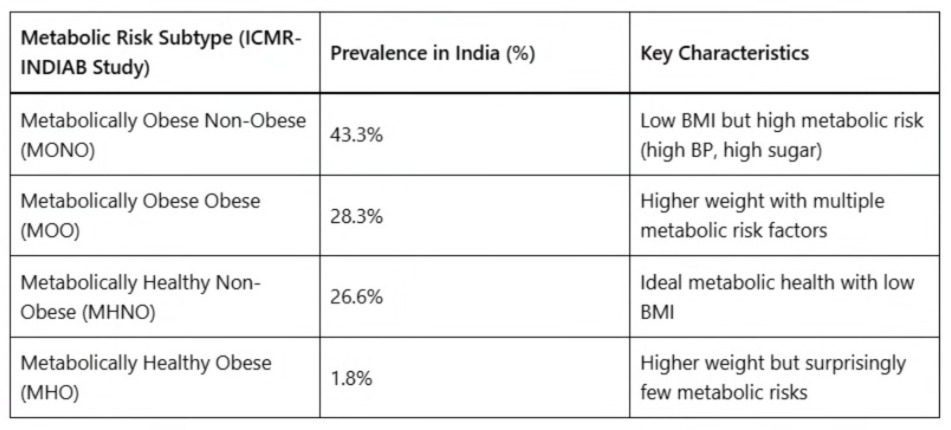
In the Indian population, this struggle further complicates a specific metabolic profile known as the Asian Indian Phenotype. This phenotype features higher body fat percentages, particularly visceral fat, even in individuals with a low Body Mass Index (BMI). Research from the ICMR-INDIAB study indicates that metabolic health risks are prevalent even among individuals who are not traditionally classified as having a higher weight. The MONO subtype affects 43.3% of the population. For someone with a thyroid condition trying to gain weight, this means that an indiscriminate increase in calories often leads to fat accumulation around the waist rather than the desired muscle growth or improved physical strength.
Navigating Co-existing Health Conditions
Furthermore, researchers estimate the prevalence of hypothyroidism in India at approximately 11%, frequently co-existing with other conditions like Type 2 Diabetes, hypertension, and dyslipidemia. This intersectionality means that a thyroid weight gain meal plan cannot simply be a high-calorie free-for-all. I recommend a carefully calibrated strategy that accounts for insulin sensitivity and heart health. The lethargy and muscle weakness associated with low thyroid levels—often termed hypothyroid myopathy—can make even light physical activity feel draining. This leads to a sedentary cycle that further hinders the body’s ability to utilize nutrients for building lean mass.
The psychological impact of managing a thyroid condition often weighs as heavily as the physical symptoms. Many patients report a profound sense of emotional frustration when their weight does not respond to dietary efforts. This is not just a matter of vanity; it is a clinical manifestation of the hormonal imbalance. Research confirms that overt hypothyroidism frequently slows thought, decreases attentiveness, and causes apathy, which clinicians can easily mistake for clinical depression. When an individual follows a diet for hypothyroidism weight gain and sees no progress, the resulting stress can further disrupt the delicate balance of the hypothalamic-pituitary-thyroid (HPT) axis.
Cultural Pressure and Hormonal Balance
In the Indian cultural context, social circles often scrutinize weight intensely. Whether it is the pressure to look a certain way for major life events or the casual comments from extended family members, the emotional toll is significant. Studies have shown that stress awareness significantly associates with weight fluctuations, particularly among women. The anxiety of not being healthy enough can lead to cortisol spikes. These spikes inhibit the conversion of T_4 to the active T_3 hormone, creating a physiological barrier to the very weight gain goals the individual is trying to achieve.
The Burden of an Invisible Condition
It is essential to recognize that self-knowledge of a thyroid condition can itself be a source of stress. A population-based survey found that the prevalence of fatigue increased from 34% in those unaware of their thyroid status to 50% in those with a known diagnosis, regardless of their actual TSH levels. This suggests that the emotional weight of the diagnosis can sometimes be heavier than the physical condition. For those seeking how to gain weight with thyroid disorders, acknowledging this emotional component is the first step toward a holistic recovery. It requires moving beyond the scale and focusing on energy levels, mental clarity, and overall well-being as markers of success.

What are the common myths about how to gain weight with thyroid?
A prevailing myth in both gym culture and general society is that weight gain is a simple matter of consuming more calories than one burns. While this is the fundamental law of thermodynamics, it ignores the biological complexities of the thyroid. For a thyroid patient, just eating more of the wrong foods can lead to dirty bulking, a practice that often results in increased systemic inflammation, insulin resistance, and undesirable fat gain rather than muscle development.
The Fallacy of the Caloric Surplus
In a hypothyroid state, the body’s ability to utilize energy is compromised. If a person consumes a massive caloric surplus consisting of refined carbohydrates and unhealthy fats—common in many processed Indian snacks—the body is more likely to store these calories as adipose tissue. This occurs because low thyroid levels reduce the rate of thermogenesis, meaning the body is less efficient at burning energy to produce heat. Instead of the calories serving muscle repair or metabolic activity, they sit as stored energy, often leading to the thin-fat phenotype mentioned earlier.
Clarifying the Goitrogen and Soy Scares
There is a long-standing myth that thyroid patients must strictly avoid all cruciferous vegetables like cabbage, cauliflower, and broccoli. While these foods contain goitrogens that can interfere with iodine uptake, the scientific consensus suggests they are generally safe for consumption when cooked. Cooking these vegetables neutralizes most of the goitrogenic activity. For a weight gain diet for thyroid health, these vegetables are actually beneficial as they provide essential fiber to combat the chronic constipation often associated with hypothyroidism.
Similarly, soy is often labeled as poison for thyroid patients. While it is true that soy can interfere with the absorption of thyroid medication, you do not need to eliminate it entirely. The guideline is to maintain a gap of at least 4 hours between consuming soy products and taking thyroid medication. In the Indian diet, where soy chunks or tofu can be a valuable source of protein for vegetarians, understanding this timing is crucial for anyone trying to build muscle mass while managing a thyroid condition.
How hypothyroidism affects your ability to gain muscle and weight?
The thyroid gland is effectively the pacemaker of the human body. It generates hormones that regulate the metabolic rate of every cell. In the context of a weight gain diet for thyroid health, we must look at how these hormones influence protein synthesis, energy production, and nutrient partitioning. Hypothyroidism, or an underactive thyroid, leads to a reduction in the body’s basal metabolic rate (BMR), which is the number of calories needed to keep the body functioning at rest.
How Thyroid Hormones Govern Energy Expenditure
When thyroid hormones are low, the mitochondria—the powerhouses of the cells—produce energy less efficiently. This leads to the characteristic fatigue and cold intolerance felt by patients. From a weight-gain perspective, this means the body is less capable of converting food into the ATP (Adenosine Triphosphate) required for muscle contractions and tissue growth. Furthermore, hypothyroidism affects thermogenesis, the process by which the body generates heat. With reduced thermogenesis, the body’s burn rate is lower, which actually makes gaining healthy weight harder because the body prefers to store energy as fat rather than utilize it for structural growth.
The Role of Muscle Fiber Repair
For those looking to build a better physique, the thyroid’s role in protein metabolism is paramount. Thyroid hormones are necessary for the synthesis of new proteins in the muscles. Chronic hypothyroidism can lead to muscle wasting or myopathy, where the muscles feel weak and do not recover well after exertion. This is why many thyroid patients feel weak even if they are eating enough. Without optimized hormone levels, the body cannot effectively repair the micro-tears in muscle fibers that occur during exercise, which is the fundamental mechanism of muscle growth.

Thyroid-Friendly Nutrient Powerhouses: Practical food swaps and calorie-dense additions?
To fuel the metabolic engine, the diet must be rich in specific minerals and vitamins that act as co-factors for thyroid hormone production and action. In the Indian kitchen, we have access to several superfoods perfectly suited for a weight gain diet for thyroid patients. These foods are not just high in calories; they are high in functional nutrients.
The Essential Trio: Iodine, Selenium, and Zinc
The thyroid gland requires iodine to manufacture T_3 and T_4. Selenium is the critical element that allows the body to activate T_4 by converting it into the more potent T_3 in the liver and kidneys. Zinc, meanwhile, helps the body recognize and use these hormones at the cellular level.
- Dairy (Iodine/Protein): Whole milk, fresh curd (dahi), and paneer are staples of the Indian diet that provide iodine and the protein necessary for muscle repair.
- Brazil Nuts (Selenium): Just 1–2 Brazil nuts a day provide more than 100% of the required daily intake of selenium.
- Pumpkin Seeds (Zinc/Iron): A handful of roasted pumpkin seeds can provide a significant boost to zinc levels, supporting both metabolism and hair health.
Smart Food Swaps for Metabolic Support
What this means for your daily routine is making small changes that add up to big results. Instead of reaching for a biscuit with your tea, consider a handful of roasted makhana or almonds. Instead of refined oils, use traditional Indian cooking fats like ghee and coconut oil, which contain medium-chain fatty acids that provide an immediate energy source.
| Common Food | Healthy Thyroid Swap | Why it works |
| Refined Oil | Ghee / Coconut Oil | Ghee supports digestion; Coconut oil aids metabolism |
| Maida (White Flour) | Bajra / Jowar / Ragi | Millets are rich in zinc, iron, and fiber |
| White Sugar | Dates / Jaggery (Gur) | Dates provide iron; Gur is less processed |
| Fruit Juice | Whole Fruits (Mango/Banana) | Whole fruits provide fiber for gut health |
| Fried Snacks | Roasted Chana / Makhana | High in protein and zinc; low in trans fats |
Your Daily Thyroid Weight Gain Routine: A sample meal flow from morning to night?
Consistency is the secret ingredient to any successful health journey. For the busy Indian professional or the NRI juggling multiple roles, having a structured flow can remove the decision fatigue that often leads to poor food choices. I designed this sample routine to provide approximately 2800–3000 calories, specifically tailored for a weight gain diet for thyroid patients.
Early Morning: The Activation Phase (6:00 AM – 7:00 AM)
- Hydration: 1–2 glasses of warm water. You can add soaked methi (fenugreek) seeds to improve digestion and insulin sensitivity.
- Medication: Take your thyroid medicine (Levothyroxine) on an empty stomach. Important: Do not eat or drink anything else (including tea/coffee) for at least 60 minutes to ensure full absorption.
Breakfast and Lunch: The Metabolic Core (8:30 AM – 2:00 PM)
Let’s simplify this: the goal is to eat every 3–4 hours. For breakfast, consider 2-3 paneer-stuffed parathas served with a bowl of homemade curd. For lunch, aim for a balanced plate: 3 thick rotis or 1.5 cups of brown rice, a bowl of thick dal (Moong or Masoor), and a side of grilled chicken or paneer. I recommend adding a spoonful of ghee to your dal and rotis to increase caloric density without increasing meal volume.

Evening and Night: The Sustenance Bridge (5:00 PM – 8:30 PM)
A mid-evening snack of roasted makhana or a handful of almonds prevents energy dips. Dinner should remain nutritious but lighter to promote better sleep quality. Options include 2 millet rotis with vegetable curry and a salad. Small, frequent, nutrient-dense meals are the gold standard for a weight gain diet for thyroid recovery.
| Meal Timing | Target Calories | Primary Goal |
| Breakfast | 600 – 700 kcal | Stable energy and protein for muscle synthesis |
| Lunch | 800 – 900 kcal | High-fiber carbs and micronutrients for metabolism |
| Snacks | 400 – 500 kcal | Caloric density and steady blood sugar |
| Dinner | 600 – 700 kcal | Recovery and preparation for rest |
Mistakes to Avoid: The danger of dirty bulking and skipping medication?
In the pursuit of weight gain, it is easy to fall into traps that can actually set your health back. When managing a thyroid condition, these mistakes can have amplified consequences.
Avoiding the Trap of Poor Quality Calories
As discussed earlier, dirty bulking involves eating high-calorie, processed foods without regard for their nutritional value. This approach dramatically increases the risk of high blood pressure, elevated cholesterol, and insulin resistance in the Indian population. Consuming high amounts of sugar and trans fats causes systemic inflammation, which worsens the brain fog and fatigue already associated with hypothyroidism. When the quality of fuel is poor, the body is less likely to use those calories for muscle repair.
Consistency in Medication and Rest
The weight gain diet for thyroid success is heavily dependent on the efficacy of your medication. Taking your pill with tea, coffee, or calcium-fortified milk reduces its absorption. Always wait at least one hour before consuming these. Furthermore, muscle gain happens while you sleep, not while you are at the gym. Chronic sleep deprivation increases stress hormones, which suppresses thyroid function. For the homemaker or busy professional, prioritizing 7–8 hours of rest is as important as any meal in your thyroid weight gain meal plan.
Small Wins and Consistency: Gentle motivation for your health journey?
Reaching your ideal weight is a journey of a thousand small steps. It is easy to get discouraged when the scale doesn’t move after a week of perfect eating. However, for a thyroid patient, progress often manifests in non-scale victories first. Are you waking up feeling more refreshed? Is the afternoon slump less intense? These are all indicators that your weight gain diet for thyroid health is working.
The Indian lifestyle can be chaotic, but consistency is about being mostly right, most of the time. I recommend logging your progress in a simple diary to see patterns and realize which foods give you the most energy. Whether it’s a friend, spouse, or a professional consultant, having external accountability can boost your motivation during low-energy phases. Focus on building muscle rather than just getting big. Strength training using your own body weight or resistance bands is a safe and effective way to start.

Frequently Asked Questions (FAQs)
1. Can I gain weight if my thyroid is underactive?
Yes, it is entirely possible. While hypothyroidism slows down your metabolism, you can gain weight healthily by focusing on a weight gain diet for thyroid that emphasizes clean caloric surpluses—meaning foods that are high in calories but also rich in the minerals (Selenium, Zinc, Iodine) that support thyroid function. Strength training is also essential to ensure the weight you gain is muscle, not just fat.
2. Which Indian foods are highest in calories but thyroid-friendly?
Ghee, whole milk, paneer, nuts (almonds, walnuts, Brazil nuts), and seeds (pumpkin, sunflower) are excellent choices. Traditional staples like Bajra and Jowar provide complex carbohydrates and essential minerals without the inflammatory effects of refined flour.
3. Is dirty bulking okay for short-term weight gain?
No, I generally discourage this for thyroid patients. Dirty bulking—consuming excessive amounts of junk and high-sugar foods—causes systemic inflammation and can worsen insulin resistance. For Indians, who have a high risk of metabolic health issues even at lower weights, this can lead to visceral fat accumulation and long-term health issues like Diabetes.
4. How does thyroid medication affect my weight gain journey?
Medication like Levothyroxine helps normalize your hormone levels, effectively restarting your metabolic engine. It is not a weight-gain pill itself, but it creates the internal environment where your diet and exercise can finally work. It is crucial to take it correctly on an empty stomach for it to be effective.
5. How much exercise is safe for a thyroid patient trying to gain weight?
Low-impact strength training, such as using resistance bands or body weight, is the best place to start. It helps build muscle without causing the excessive stress that can spike cortisol. Aim for 30 minutes, 3–4 times a week, and always prioritize rest if you feel overly fatigued.
Contact Us
We understand how overwhelming nutrition and weight loss information can feel. With so many opinions and confusing advice online, it’s easy to feel stuck or unsure about what to do next.
At Diet Dekho, you never have to figure it out alone. You can contact us anytime with any questions or concerns. Our expert dietitians are available 24/7 to guide, support, and help you stay on track. Whether your goal is weight loss or building healthier habits, we’re here to make the journey simpler and more sustainable for you.
Disclaimer
This blog is intended to help readers make healthier food choices. Your health should always be the top priority. Before starting any restrictive or special diet, especially if you have a medical condition or health concern, please consult a doctor or a qualified dietitian. Each body responds differently to food and lifestyle changes. Always choose what is safe and suitable for you.

Dr. Ritika is a nutrition and lifestyle expert with 2+ years of experience, helping clients manage weight and health through practical, personalized diet plans.