
Are you struggling to put on healthy pounds without sending your blood sugar levels into a tailspin? At Diet Dekho, we know how frustrating it feels to see the scale drop while you’re trying your best to manage your health. If you are looking for a weight gain diet for diabetes, you have come to the right place for a safe, Indian-context roadmap.
A weight gain diet for diabetes focuses on high-calorie, nutrient-dense foods that have a low glycemic impact. To increase weight safely, prioritize healthy fats like nuts and ghee, lean proteins like paneer, and complex carbohydrates like millets. Eating six small, frequent meals ensures a steady caloric surplus without causing dangerous blood sugar spikes.
The Struggle of Being Underweight with Diabetes: Why Does It Feel Like a Balancing Act?
I know it is hard to find time to eat more when you are already worried about your glucose readings. For many of our clients, managing a weight gain diet for diabetes feels like a tightrope walk between needing calories and fearing sugar spikes. Most conventional advice focuses on weight loss, which leaves lean or underweight individuals feeling neglected by the healthcare system.
Actually, being underweight can be just as taxing on the body as having excess weight. What this means for your daily routine is that you might feel more fatigued or prone to infections because your body lacks the energy reserves it needs. By shifting our focus from eating more to eating right, we can help you build muscle mass instead of just storing fat.
Why Am I Losing Weight? Understanding the Link Between Insulin and Glucose
In simple terms, weight loss happens in diabetes when your body cannot use the sugar in your blood for energy. Because there isn’t enough insulin—or the insulin isn’t working correctly—your cells essentially start to starve despite high blood sugar levels. Consequently, your body begins to burn its own muscle and fat stores to keep your organs running.
This catabolic state is often the reason for that sudden drop in clothing size or the feeling of physical weakness. Furthermore, when blood sugar is very high, the kidneys work overtime to flush it out through urine, which literally spills calories out of your body. Once we stabilize your sugar levels, your weight gain diet for diabetes can actually start working to rebuild your strength.

Common Myths: Why Just Eating More Sugar Is Dangerous
Let’s simplify this: many people think the easiest way to gain weight is to indulge in sweets or deep-fried snacks. However, for someone with diabetes, this is a dangerous trap. Rapidly increasing simple sugars or refined flours like maida causes massive insulin spikes that can damage your heart and kidneys over time.
Instead, complex carbohydrates are your best friends. Foods like oats, brown rice, and whole wheat provide a slow and steady release of energy. Specifically, the 2024 ICMR guidelines recommend that at least 50% of your grain intake should come from whole grains to maintain a healthy metabolism.
The Real Science of Diabetic Weight Gain: Prioritizing Nutrient Density
The short answer to successful weight gain is prioritizing nutrient density over empty calories. In a weight gain diet for diabetes, every bite must count toward building lean tissue. According to the Indian Council of Medical Research (ICMR), a balanced approach involves getting 50–55% of your energy from carbohydrates, 15–20% from protein, and 25–30% from healthy fats.
For people in a higher-weight body, the goal is often calorie restriction, but for you, the goal is fortification. This means adding high-calorie, low-volume ingredients to your existing meals. For example, adding two tablespoons of milk powder to a glass of milk or stirring a teaspoon of ghee into your dal adds calories without making the meal feel heavy.

Practical Indian Food Solutions: Smart Swaps for Healthy Weight Gain
Finding the right foods in an Indian kitchen is easier than you think. You don’t need expensive supplements to see results. Here are some simple swaps to enhance your weight gain diet for diabetes:
- Choose Full-Fat Paneer: Instead of low-fat versions, go for regular paneer. It is a powerhouse of slow-digesting casein protein that helps prevent muscle breakdown overnight.
- The Magic of Makhana: Roasted makhana (fox nuts) is a low-glycemic snack. If you roast them in ghee and add some peanuts, you’ve created a calorie-dense, diabetes-friendly treat.
- Don’t Fear Ghee: A tablespoon of desi ghee on your roti adds about 100 calories and helps your body absorb fat-soluble vitamins.
- Nutty Power: Handfuls of walnuts and almonds provide healthy Monounsaturated Fatty Acids (MUFAs) that protect your heart while providing the energy needed for weight gain.
A Sample Day on a Diabetic Weight Gain Diet: Your Step-by-Step Routine
Consistency is the key to any successful weight gain diet for diabetes. I know it’s hard to find time, but aim for six small, frequent meals to keep your metabolism active. Here is a sample routine:
| Time | Meal Option | Why it works |
| 6:30 AM | Soaked almonds and walnuts + 1 cup milk | Provides healthy fats and protein to start the day |
| 8:30 AM | Paneer-stuffed Multigrain Paratha with curd | High protein and complex carbs for sustained energy |
| 11:00 AM | 1 Apple with a tablespoon of peanut butter | Combines fiber with high-calorie healthy fats |
| 1:30 PM | Brown rice, heavy dal with ghee, and fish/tofu | Balanced macronutrients to avoid post-lunch sugar crashes |
| 4:30 PM | Roasted makhana or sprouts chaat | High-fiber snack that keeps you full until dinner |
| 8:00 PM | Bajra or Jowar roti with chicken or paneer curry | Millets have a lower GI, ensuring stable nighttime sugar |
| 10:00 PM | Warm turmeric milk with a pinch of cinnamon | Helps in muscle recovery and improves insulin sensitivity |

Common Mistakes to Avoid: Why Supplements Aren’t a Shortcut
Many of our clients think skipping a meal is fine as long as they eat more later. In reality, skipping meals leads to unstable blood sugar levels and can trigger further muscle loss. Additionally, over-relying on protein supplements without medical guidance can strain your kidneys, especially if you have high blood pressure or existing diabetic complications.
Another common error is avoiding all fats. While you should steer clear of trans fats found in bakery biscuits and vanaspati, your weight gain diet for diabetes actually needs healthy oils like mustard, olive, or peanut oil to reach your caloric goals.
Addressing PCOS, Thyroid, and Hypertension
If you are managing other conditions like PCOS or thyroid issues alongside diabetes, your approach must be even more precise. For instance, if you have hypertension, you must gain weight using unsalted nuts and home-cooked meals to keep your sodium intake below 2300 mg per day.
For those with PCOS, focusing on anti-inflammatory spices like turmeric and ginger is vital to combat insulin resistance while you increase your intake. Thyroid health also relies on specific minerals like selenium found in eggs and sunflower seeds, which can easily be incorporated into your daily meals.
Gentle Motivation: Managing Both Weight and Sugar Takes Time
I want to remind you that your body is unique. Managing both weight and sugar is not an overnight process, and it requires consistent effort and patience. According to authority sites like Harvard Health and the NIH, the healthiest weight gain is gradual—roughly 0.5 to 1 pound per week.
What this means for your daily routine is that small changes, like adding an extra snack or switching to whole-grain atta, will compound over time. Don’t be discouraged if the scale doesn’t move immediately. Focus on how your energy levels are improving and how much stronger you feel.

FAQs
1. Can I eat mangoes or bananas to gain weight with diabetes?
In moderation, yes. However, it is better to pair high-sugar fruits with a protein or fat, like a handful of nuts, to slow down the sugar absorption.
2. Is it safe to use ghee every day?
Yes, for most people, 1–2 teaspoons of ghee daily is safe and provides essential calories. However, if you have high cholesterol, consult your dietitian about the best fat sources for your weight gain diet for diabetes.
3. Why am I losing muscle even when I eat more?
If your blood sugar is not controlled, your body cannot use the food you eat for energy and will continue to break down muscle. Achieving glycemic control is the first step in any weight gain diet for diabetes.
4. Can exercise help me gain weight?
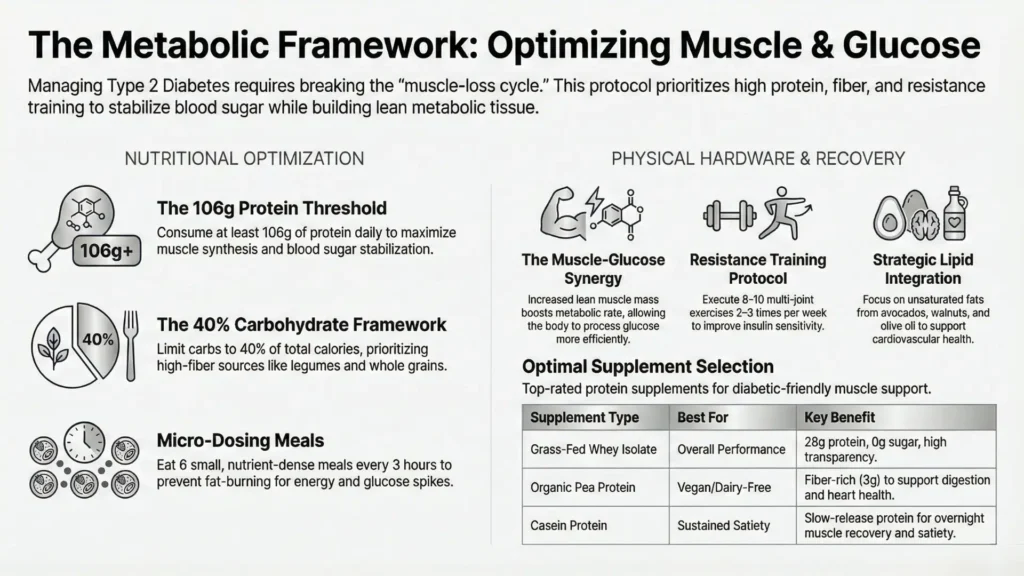
Absolutely. Strength training or gentle resistance exercises help convert those extra calories into muscle mass rather than fat, which actually improves your insulin sensitivity.
Contact Us
We understand how overwhelming nutrition and weight loss information can feel. With so many opinions and confusing advice online, it’s easy to feel stuck or unsure about what to do next.
At Diet Dekho, you never have to figure it out alone. You can contact us anytime with any questions or concerns. Our expert dietitians are available 24/7 to guide, support, and help you stay on track. Whether your goal is weight loss or building healthier habits, we’re here to make the journey simpler and more sustainable for you.
Disclaimer
This blog is intended to help readers make healthier food choices. Your health should always be the top priority. Before starting any restrictive or special diet, especially if you have a medical condition or health concern, please consult a doctor or a qualified dietitian. Each body responds differently to food and lifestyle changes. Always choose what is safe and suitable for you.

Dr. Ritika is a nutrition and lifestyle expert with 2+ years of experience, helping clients manage weight and health through practical, personalized diet plans.