A crash diet might seem like the perfect solution when you have a wedding or a major event in ten days, but the internal damage it causes is often permanent. At DietDekho, we often see clients who have trapped themselves in a cycle of metabolic failure by chasing “overnight miracles” that simply do not exist.
The primary side effects of a crash diet include a significantly slowed metabolic rate, muscle wasting, and severe nutritional deficiencies. Because a crash diet forces the body into “starvation mode,” it triggers the preservation of fat and the catabolism of lean muscle tissue. This leads to a “yo-yo effect” where weight is regained rapidly once normal eating resumes.
Why do we fall for a crash diet despite the metabolic risks?
I know it’s hard to find time for the gym when you are juggling a 9-to-5 job or managing a busy Indian household. Consequently, the allure of a “7-day detox” or a “liquid cleanse” feels like an easy out. However, these methods rely on manipulating your body’s natural processes rather than supporting them.
In simple terms, a crash diet is appealing because it promises high reward for short-term effort. Unfortunately, the mental toll is just as heavy as the physical one. Constantly fighting cravings and obsessing over calories leads to “decision fatigue.” Therefore, when your willpower eventually runs out, you are biologically driven to start consuming excessively, undoing all your progress in a single weekend.
What happens internally? Understanding the crash diet metabolic slump
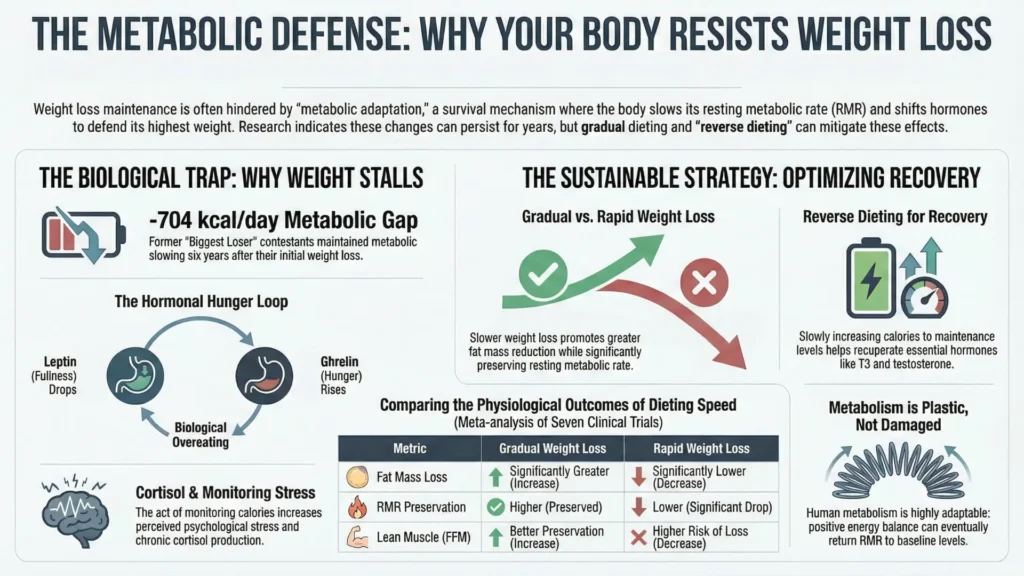
When you start a crash diet, your body doesn’t know you’re trying to fit into a new outfit; it thinks you are facing a survival threat. In response, it initiates “adaptive thermogenesis,” which is a fancy way of saying your metabolism slows down to save energy. This process makes it increasingly difficult to lose weight over time because your body becomes more efficient at storing fat.
Furthermore, the risks of rapid weight loss involve your hormones. A crash diet causes your “hunger hormone” (ghrelin) to spike while your “fullness hormone” (leptin) drops. This hormonal chaos means that even after the diet ends, your brain keeps telling you to eat, making long-term weight management almost impossible without professional guidance.
The Indian population presents a unique case in metabolic science due to what researchers call “thrifty genes.” These genes helped our ancestors survive famines but now make a crash diet particularly hazardous. Specifically, South Asians develop insulin resistance at much lower Body Mass Index (BMI) levels than other ethnic groups.
The Muscle Loss Catastrophe
One of the most devastating side effects of a crash diet for Indians is the rate of muscle loss. A groundbreaking 2024 study from the National Institute of Nutrition (NIN) revealed that Indians lose muscle mass 3.2 times faster than Europeans during caloric restriction. Because muscle is the primary engine that burns calories at rest, this “muscle slump” ensures that your metabolism remains damaged long after you stop dieting.
Nutritional Gaps and the “Detox” Myth
Many Indians believe that a “juice detox” is a healthy way to jumpstart wellness. In reality, these liquid-only plans are a crash diet in disguise. They remove the structural fiber from fruits, leading to blood sugar spikes and energy crashes. Moreover, they worsen existing deficiencies. For example, nearly 57% of Indian women are already anemic (NFHS-5); a restrictive crash diet further depletes iron, leading to hair loss, brittle nails, and chronic fatigue.

How a crash diet impacts PCOS, Diabetes, and Thyroid disorders
If you are managing a medical condition, the disadvantages of fad diets are even more severe. For women with PCOS, a crash diet spikes cortisol (the stress hormone), which triggers the body to store even more visceral fat around the abdomen. This exacerbates insulin resistance and can make menstrual cycles even more irregular.
Similarly, for those with Hypothyroidism, extreme restriction signals the body to slow down the conversion of thyroid hormones. Consequently, you may feel colder, more tired, and experience more stubborn weight gain. Furthermore, if you have Type 2 Diabetes, the sudden caloric drops in a crash diet can lead to life-threatening hypoglycemia (low blood sugar).
From deprivation to balance: Sustainable Indian food swaps
Let’s simplify this. You don’t need to starve to see results. The ICMR-NIN 2024 guidelines recommend a “Balanced Plate” approach that allows you to enjoy “Ghar ka Khana” while losing weight.
The 50-25-25 Plate Rule
Instead of a crash diet, structure your meals like this:
- 50% Vegetables: Load up on fiber-rich seasonal sabzis like bhindi, lauki, or tinda.
- 25% Lean Protein: Include dal, paneer, sprouts, eggs, or lean chicken to protect your muscle mass.
- 25% Whole Grains: Choose complex carbs like ragi, jowar, or brown rice over refined maida.
Office Pivots for the Busy Professional
Most weight gain doesn’t happen at parties; it happens at your office desk. Try these simple swaps to avoid the temptation of a crash diet:
- Swap Sugary Chai: Replace sweetened tea and biscuits with sugar-free ginger tea and a handful of almonds.
- Swap Evening Snacks: Instead of samosas or bhel puri, opt for roasted makhana, chana, or Greek yogurt.
- Swap Packaged Juice: Eat the whole fruit. Juice is essentially sugar without the fiber, which causes insulin spikes.

Your path to wellness: A daily routine without a crash diet
I know it feels like weight loss should be a race, but real transformation is a journey of small, consistent habits. Start with a “Two-Habit Minimum.” This could be as simple as drinking two liters of water daily and ensuring you have protein at every breakfast.
- Morning: Start with methi (fenugreek) water or amla juice to support digestion and insulin sensitivity.
- Movement: Aim for a 30-minute brisk walk. In addition, incorporate strength training twice a week to preserve the muscle mass that a crash diet would otherwise destroy.
- Rest: Prioritize 7-8 hours of sleep. Poor sleep disrupts your hunger hormones, making you crave high-calorie comfort foods the next day.
In simple terms, weight loss becomes a skill when you use data and balanced nutrition rather than self-punishment. According to the National Institutes of Health (NIH), losing 0.5 kg to 1 kg per week is the “sweet spot” for permanent fat loss that keeps your metabolism healthy.
FAQs: Common Questions About a Crash Diet
1. Is a 3-day liquid detox considered a crash diet? Yes. Any regimen that severely restricts whole food groups or calories to less than 800–1200 per day is a crash diet. These plans lead to water weight loss and muscle depletion rather than true fat loss.
2. Why do I get headaches and feel dizzy on a crash diet? These are immediate signs of dehydration and electrolyte imbalance. When you cut calories too fast, your body loses fluids and essential minerals like sodium and potassium, which are vital for nerve and brain function.
3. Can a crash diet cause permanent hair loss? While hair loss is often temporary, a chronic crash diet can lead to telogen effluvium. This happens because your body redirects protein and iron away from your hair follicles to support vital organs like your heart and liver.
4. How can I manage PCOS weight gain without a crash diet? Focus on insulin sensitivity. Swap white rice for red or brown rice, include methi seeds in your routine, and never skip breakfast. Small, balanced meals prevent the insulin spikes that drive PCOS fat storage.

Conclusion
The side effects of a crash diet prove that there are no shortcuts to a healthy body. For the Indian population, extreme restriction is a recipe for metabolic failure and chronic fatigue. By choosing “Ghar ka Khana,” prioritizing protein, and following the official
Don’t let another fad diet fail you. Start a sustainable, medically-backed journey that respects your unique biology today.
Contact Us
We understand how overwhelming nutrition and weight loss information can feel. With so many opinions and confusing advice online, it’s easy to feel stuck or unsure about what to do next.
At Diet Dekho, you never have to figure it out alone. You can contact us anytime with any questions or concerns. Our expert dietitians are available 24/7 to guide, support, and help you stay on track. Whether your goal is weight loss or building healthier habits, we’re here to make the journey simpler and more sustainable for you.
Disclaimer
This blog is intended to help readers make healthier food choices. Your health should always be the top priority. Before starting any restrictive or special diet, especially if you have a medical condition or health concern, please consult a doctor or a qualified dietitian. Each body responds differently to food and lifestyle changes. Always choose what is safe and suitable for you.

Dr. Ritika is a nutrition and lifestyle expert with 2+ years of experience, helping clients manage weight and health through practical, personalized diet plans.