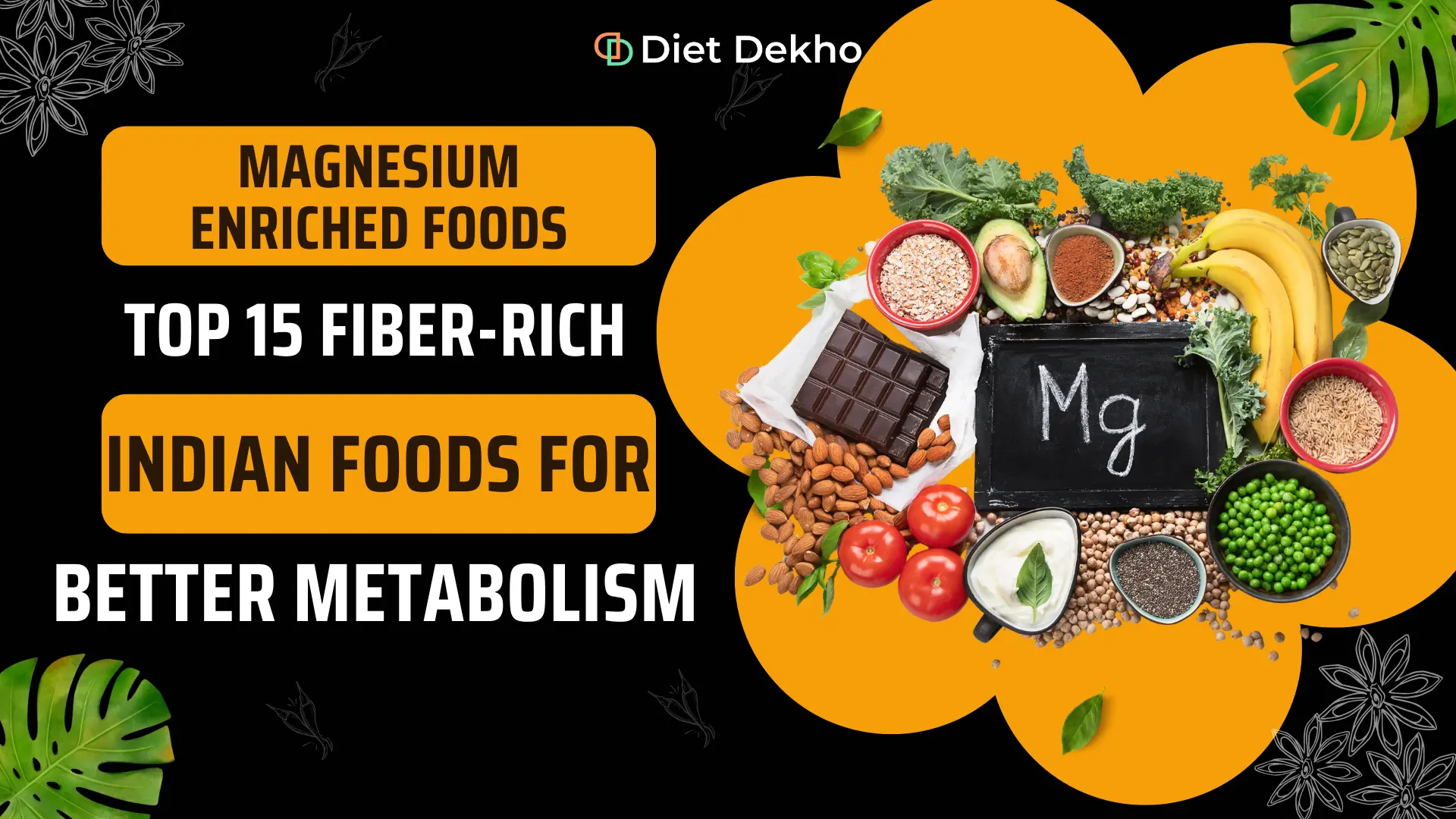
At DietDekho, we often see clients who are doing everything “right” but still feel completely drained. I know it is frustrating to deal with restless nights and low energy, but the short answer is that you might be missing magnesium enriched foods. Specifically, research indicates that nearly 75% of urban Indians exhibit signs of a magnesium gap.
Direct Answer: What are the best magnesium enriched foods in India? The best magnesium enriched foods in an Indian diet include pumpkin seeds (535mg/100g), almonds (270mg/100g), and millets like ragi and bajra (137mg/100g). Additionally, fiber-rich leafy greens like spinach and moringa provide natural magnesium sources that stabilize insulin signaling, improve metabolic rate, and support deep sleep for busy professionals.
Why Does Your Body Crave Magnesium Enriched Foods for Metabolism?
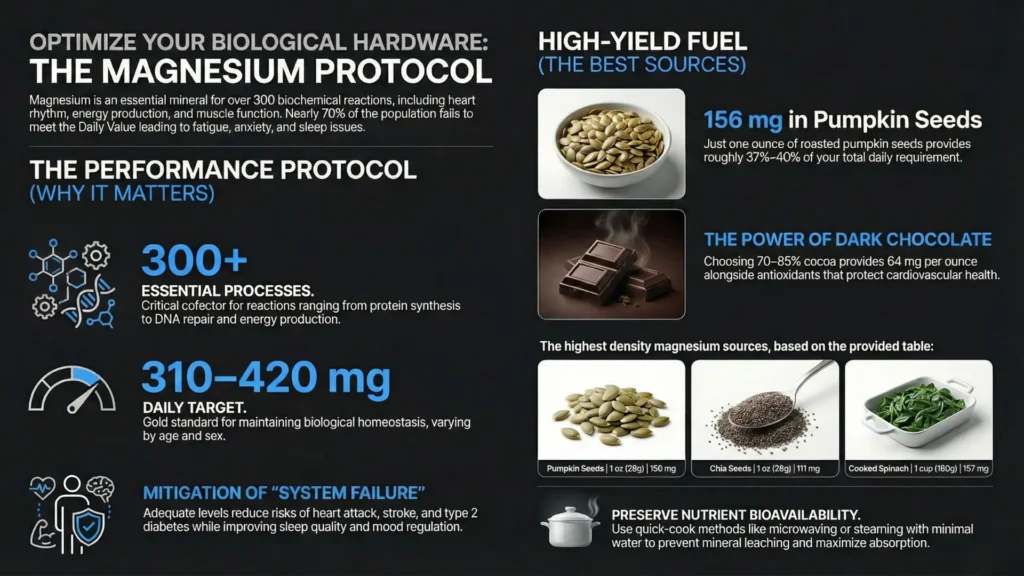
I know it is hard to find time for a perfect diet, but your body uses magnesium for over 300 biochemical reactions. For instance, magnesium is the spark plug for energy production at a cellular level. In simple terms, Adenosine Triphosphate (ATP)—your body’s energy currency—must bind to a magnesium ion to form the MgATP2− complex before it can be used.
Furthermore, if you are managing PCOD/PCOS or diabetes, these foods high in magnesium act as a second messenger for insulin signaling. Therefore, when you lack this mineral, your cells cannot utilize glucose effectively. Consequently, this leads to fat storage and fatigue. By focusing on magnesium rich Indian foods, you can effectively “reset” your metabolic engine and feel lighter every day.
How Can You Absorb Magnesium Enriched Foods More Effectively?
What this means for your daily routine is that eating the right foods is only half the battle; you must also absorb them. For example, many healthy Indian staples contain “anti-nutrients” like phytic acid and oxalates that can block mineral uptake. According to the(https://nutritionsource.hsph.harvard.edu/magnesium/), food processing and soil depletion can also lower the mineral density of our meals.
To simplify this, you can use traditional kitchen secrets to boost bioavailability. Specifically, soaking your nuts and sprouting your legumes helps neutralize these blockers. Additionally, the National Institutes of Health (NIH) suggests that approximately 30% to 40% of dietary magnesium is typically absorbed, making pairing with Vitamin D and B6 essential. As a result, your magnesium dietary sources will work much harder for your health.

Top 15 Magnesium Enriched Foods in Every Indian Kitchen
Finding natural magnesium sources does not require expensive imports. Instead, you can rely on these 15 staples that provide both magnesium and dietary fiber.
1. Magnesium Enriched Pumpkin Seeds (Kaddu ke Beej)
These seeds are the ultimate powerhouse, providing 535 mg of magnesium per 100g. Moreover, just one ounce (28g) offers 37% of your Daily Value. They are perfect for controlling cravings and improving sleep.
2. Fiber-Rich Ragi (Finger Millet)
Ragi is a favorite at DietDekho for its low glycemic index and 137 mg of magnesium per 100g. It is specifically beneficial for those managing diabetes and PCOD because it keeps you full for hours.
3. Soaked Almonds (Badam)
Almonds are dense magnesium enriched foods, offering roughly 270 mg per 100g. However, remember to soak them overnight to reduce phytic acid and ensure your body gets every milligram.
4. Leafy Green Spinach (Palak)
Cooked spinach provides about 87 mg to 157 mg of magnesium per cup. Furthermore, it is rich in Vitamin K and iron, which are vital for wound healing and energy.
5. Winter Staple Bajra (Pearl Millet)
Bajra contains 137 mg of magnesium per 100g. Additionally, its high fiber content supports heart health and keeps blood pressure in check.
6. Flax Seeds for Hormonal Balance (Alsi)
With 392 mg of magnesium per 100g, flax seeds are a premier choice for women with PCOS. Specifically, their Omega-3 content helps reduce systemic inflammation.
7. Superfood Moringa (Sahjan/Drumstick)
Moringa leaves offer 97 mg of magnesium per 100g and are 11.83% dietary fiber. Therefore, adding them to your dal is an easy way to boost metabolism without a gym routine.
8. Protein-Packed Peanuts (Moongfali)
Peanuts provide a budget-friendly way to eat foods high in magnesium, with 168 mg to 210 mg per 100g. They also supply the healthy fats needed for hormone synthesis.
9. Rajma for Blood Sugar (Kidney Beans)
Rajma delivers up to 173 mg of magnesium per 100g. Because it is a “fiber bomb,” it prevents the insulin spikes that lead to weight gain.

10. Calcium-Rich Sesame Seeds (Til)
Sesame seeds contain 350 mg of magnesium per 100g. In fact, unhulled seeds are also an exceptional source of calcium, supporting bone health during menopause.
11. Jowar for Heart Health (Sorghum)
Jowar provides 130 mg of magnesium per 100g. It is particularly useful for hypertension management because it promotes vascular relaxation.
12. Selenium-Rich Sunflower Seeds
These seeds provide 325 mg of magnesium per 100g. Moreover, their high selenium content supports thyroid health and helps combat oxidative stress.
13. Fermented Urad Dal (Black Gram)
The urad dal in your idli and dosa provides 57 mg of magnesium. Crucially, the fermentation process increases the bioavailability of this mineral.
14. Plant-Based Tofu (Soy Paneer)
Tofu provides 30 mg to 50 mg of magnesium and is a complete lean protein source. For this reason, it is an ideal option for weight loss seekers.
15. Magnesium in Bananas (Kela)
A large banana provides 37 mg to 43 mg of magnesium. While lower than seeds, it contains Vitamin B6, which helps transport magnesium into your cells.
Common Mistakes: Why You Might Lack Magnesium Enriched Foods
I know it’s hard to find time for meal prep, but certain habits can drain your mineral stores.
- Caffeine Timing: Caffeine acts as a diuretic, causing your kidneys to flush out magnesium. Consequently, try to have your tea or coffee 2 hours away from meals.
- Refined Flour (Maida): Processed grains are stripped of nearly 80-90% of their natural magnesium. Therefore, swap your white bread for our(https://dietdekho.com/form/).
- Over-boiling: Boiling spinach and throwing away the water causes significant mineral loss. Light steaming is always better.

Simple Routine Swaps for More Magnesium Enriched Foods
Let’s simplify this with home-based solutions for a busy day:
- Morning: 5 soaked almonds + 1 tsp pumpkin seeds.
- Breakfast: Add palak (spinach) to your moong dal chilla.
- Lunch: Swap white rice for ragi or brown rice.
- Snack: Roasted peanuts or makhana with seeds.
- Dinner: Bajra roti with a bowl of rajma or dal palak.
Safety Considerations for PCOS, Diabetes, and Hypertension
If you are managing PCOS/PCOD, magnesium helps lower the testosterone levels that cause acne and hair thinning. For those with Diabetes, magnesium improves insulin sensitivity, helping you avoid sugar spikes.
However, if you have chronic kidney disease, please be careful. Since the kidneys regulate magnesium levels, taking extra minerals can lead to a dangerous buildup. Always consult a(https://dietdekho.com/form/) before making major dietary changes.
FAQs on Magnesium Enriched Foods
Q1: Can I get enough magnesium from an Indian vegetarian diet?
Yes, absolutely. By incorporating millets like ragi, seeds like pumpkin, and leafy greens like spinach, most people can meet their daily requirements naturally without supplements.
Q2: What are the early signs of low magnesium?
Common signs of low magnesium include fatigue, muscle cramps, and poor sleep. If ignored, it can lead to anxiety, high blood pressure, and irregular heart rhythms.
Q3: How does magnesium help with weight loss?
Magnesium regulates insulin. When your insulin is stable, your body is less likely to store calories as belly fat. It also supports the energy needed for physical activity.
Q4: Is it safe to take magnesium supplements?
Doses under 350 mg are generally safe for most adults. However, food sources are always preferred. If you have kidney issues, you must avoid extra magnesium unless prescribed.

Conclusion: Reclaim Your Energy with DietDekho
Reclaiming your metabolism starts with small, intentional swaps in your kitchen. By focusing on magnesium enriched foods like seeds, millets, and greens, you are giving your body the fuel it needs for energy and hormonal balance.
If you are ready for a personalized, macro-balanced plan, we are here to guide you.
Contact Us
We understand how overwhelming nutrition and weight loss information can feel. With so many opinions and confusing advice online, it’s easy to feel stuck or unsure about what to do next.
At Diet Dekho, you never have to figure it out alone. You can contact us anytime with any questions or concerns. Our expert dietitians are available 24/7 to guide, support, and help you stay on track. Whether your goal is weight loss or building healthier habits, we’re here to make the journey simpler and more sustainable for you.
Disclaimer
This blog is intended to help readers make healthier food choices. Your health should always be the top priority. Before starting any restrictive or special diet, especially if you have a medical condition or health concern, please consult a doctor or a qualified dietitian. Each body responds differently to food and lifestyle changes. Always choose what is safe and suitable for you.

Dr. Ritika is a nutrition and lifestyle expert with 2+ years of experience, helping clients manage weight and health through practical, personalized diet plans.