Struggling with stubborn belly fat despite a clean diet? You are not alone, as many individuals in the DietDekho community find that traditional weight loss methods often fail to address the root cause of metabolic stagnation. Finding a natural solution like papaya for weight loss can be a game-changer for those who feel stuck on a plateau despite their best efforts.
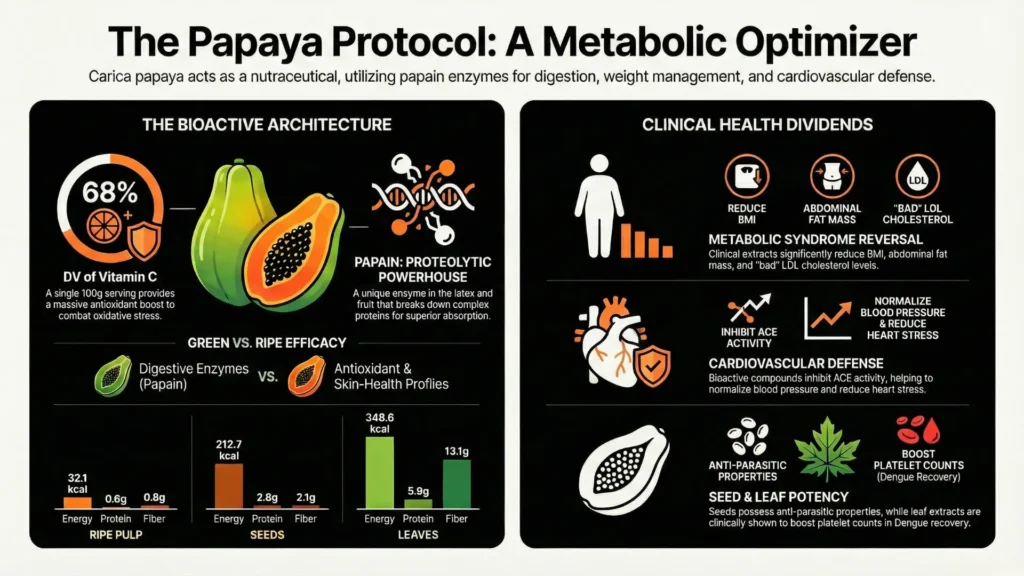
Papaya for weight loss is highly effective because it contains the papain enzyme, which accelerates protein digestion and reduces bloating. It is a low-calorie fruit, providing only 43 to 55 calories per 100 grams, with a low glycemic load and high fiber content. These factors promote prolonged satiety and prevent overeating, making it a powerful natural fat burner for the Indian lifestyle.
Struggling with stubborn belly fat despite a clean diet?
I know it’s hard to find time to exercise when you are balancing a high-pressure job or managing a busy household. You might feel that even when you eat healthy home-cooked meals, the scale refuses to budge. What this means for your daily routine is that your body might be struggling with more than just calories; it might be dealing with internal inflammation and a sluggish metabolism.
In the Indian context, our diets are often very high in carbohydrates. Statistics from the Indian Council of Medical Research (ICMR) indicate that approximately 62% of our daily calories come from carbs, mostly from refined sources like white rice and flour. This high carb load can lead to a heavy feeling and persistent abdominal fat.
When we talk about a clean diet, we often forget that digestion is the engine of weight loss. If the engine is clogged, the fuel no matter how high quality cannot be burned efficiently. This is where the role of papaya for weight loss becomes essential, as it acts as a natural cleaner for your internal system.
Let’s simplify this: weight loss is not just about eating less; it is about making sure what you eat is processed and eliminated correctly. Many of my clients at DietDekho struggle with what we call silent weight gain, which is often just undigested food and water retention caused by poor gut health.

The Digestive connection: Why poor gut health might be stalling your progress
The short answer is that your gut is the command center for your metabolism. Papaya contains a unique proteolytic enzyme called papain, along with chymopapain, which are specialized in breaking down tough protein fibers. If you enjoy your dal, paneer, or lean meats, you need these enzymes to ensure that protein helps build muscle rather than causing gas and bloating.
In simple terms, papain acts like a pair of biological scissors. It snips long protein chains into smaller pieces that your body can actually use for energy. When digestion is smooth, the body does not have to store as much waste, which often shows up as that stubborn layer of fat around the midsection.
| Digestive Component | Mechanism of Action | Weight Loss Impact |
| Papain Enzyme | Breaks down dietary proteins into peptides | Reduces bloating and improves nutrient absorption |
| Chymopapain | Assists in protein hydrolysis in various pH levels | Ensures efficient digestion even with irregular meal timings |
| Dietary Fiber | Slows down gastric emptying and adds bulk to stool | Enhances satiety and prevents mid-meal snacking |
| High Water Content | Maintains hydration and flushes out metabolic toxins | Supports the liver in processing fats more effectively |
I have seen many professionals who eat a protein-rich diet but still feel lethargic. This happens because their bodies are working overtime to digest that protein. By using papaya to lose weight, you are essentially giving your stomach a helping hand, allowing your metabolic rate to focus on burning stored fat rather than just dealing with your last meal.

How inflammation in fat cells prevents weight loss
What many people do not realize is that fat cells are not just storage units; they are active tissue that can become inflamed. Research has shown that papain can significantly reduce inflammation within fat cells by regulating specific fat-burning switches like AMPK (AMP-activated protein kinase).
Think of AMPK as your body’s internal fuel sensor. When it is activated, it tells your cells to stop storing fat and start burning it for energy. Studies in animal models have demonstrated that papaya extracts can inhibit the enzymes that help the body accumulate fat, particularly in the liver.
For the non-gym audience, this is fantastic news. While exercise is important, managing the internal environment of your cells through nutrition can help you lose weight even during your most sedentary weeks. This is why we emphasize the benefits of eating papaya for fat loss at DietDekho.
Let’s look at the statistics. The ICMR-INDIAB study found that abdominal obesity is prevalent in over 53% of the urban population in India. This type of fat is highly inflammatory. Incorporating anti-inflammatory fruits like papaya is a science-backed way to fight this internal heat and reset your metabolism.

Nutritional Breakdown: Why Papaya is an Indian Superfruit
When we compare papaya to other common Indian fruits, its profile as a fat burner becomes even clearer. Most people reach for mangoes or bananas, which are delicious but can be very high in sugar and calories if you are not careful.
| Fruit (100g) | Calories (kcal) | Fiber (g) | Glycemic Index (GI) | Primary Benefit |
| Papaya | 43 | 2.5 | 60 (Moderate) | Digestion and Fat Metabolism |
| Banana | 89 | 2.6 | 51 (Low) | Quick Energy and Potassium |
| Mango | 60 | 1.6 | 51-56 (Low/Med) | Vitamin A and Sweetness |
| Apple | 52 | 2.4 | 36 (Low) | Pectin for Satiety |
| Watermelon | 30 | 0.4 | 72 (High) | Hydration and Volume |
As you can see, papaya strikes a perfect balance. It is lower in calories than a banana or mango but offers superior digestive support. For someone managing weight, this means you can eat a larger portion of papaya to feel full without exceeding your daily calorie limit.
Furthermore, papaya is an excellent source of Vitamin C. One small fruit can provide more than 150% of your daily requirement. Vitamin C is not just for immunity; it is a vital cofactor in the production of carnitine, which is the molecule that carries fat molecules to be burned for fuel in your cells.
Role of papaya in fat burning: The AMPK activation theory
Recent scientific findings suggest that the role of papaya in fat burning goes deeper than just fiber. The fruit’s bioactive compounds, particularly in the seeds and unripe flesh, may influence gene expression related to obesity.
In simple terms, eating papaya might help turn off the genes that tell your body to store fat. This metabolic reprogramming is a significant reason why we suggest papaya for weight loss to our clients at DietDekho. It’s not just about the calories you eat today; it’s about how your body handles food tomorrow.
What this means for your daily routine is that consistency is key. You cannot just eat papaya once and expect results. By making it a regular part of your breakfast or mid-morning snack, you are providing your body with a steady supply of these metabolic triggers.
Let’s simplify the science: when your internal fat-burning switch (AMPK) is on, your body becomes more efficient at using stored energy. This is especially helpful for homemakers and professionals who may not have two hours a day for the gym but can easily make small, powerful changes to their plates.

Common Myths: Can eating too much papaya cause heat in the body?
In many Indian households, elders might warn you that papaya is hot (Ushna) and should be avoided during the summer. It is important to respect traditional wisdom while also understanding the science behind these claims.
The Ayurvedic concept of heat or Ushna Virya refers to a food’s potency and its effect on the Agni (digestive fire). Papaya does indeed stimulate the digestive fire, which is exactly why it is so good for weight loss. It speeds up a sluggish metabolism.
However, for a person with a Pitta constitution (someone who already feels very warm or is prone to acidity), eating too much papaya in the peak of an Indian summer might cause some discomfort like rashes or acidity. This is not a reason to avoid it entirely, but rather to enjoy it with cooling accompaniments.
Let’s simplify this: if you’re worried about body heat, try adding a few drops of lime juice or a pinch of fennel (saunf) powder to your papaya. This balances the Ushna property while still giving you all the weight loss benefits. Science also suggests that the heat people feel is simply the thermogenic effect the energy your body spends to digest the fruit.
Addressing the myth of papaya and pregnancy
A major cultural concern in India is the safety of papaya during pregnancy. While ripe papaya is generally considered safe and nutritious, unripe (green) papaya contains high levels of latex and papain that can trigger uterine contractions.
At DietDekho, we always advise pregnant people or those trying to conceive to avoid green papaya. However, for weight loss seekers, the green version is often used in salads specifically because it has even more of those fat-burning enzymes.
I know it can be confusing when you hear conflicting advice from family and doctors. The short answer is: if you are looking for fat loss, ripe or semi-ripe papaya is your best friend. If you are pregnant, consult your healthcare provider and stick to other safe fruits.
The key is awareness and care, as noted in Ayurvedic texts. Papaya is like a fire; it can cook your food (aid digestion) or burn the house (cause imbalance) if not used wisely. By following a structured plan, you can avoid these pitfalls.

Practical Ways to include Papaya in your Indian meal plan
I know it’s hard to find time to prep elaborate healthy meals. The beauty of papaya is its simplicity. You don’t need a blender or a stove; you just need a knife and five minutes.
For a busy professional, a Papaya Breakfast Bowl is a perfect start. Instead of oily parathas, try a bowl of cubed papaya with a handful of walnuts or soaked almonds. The healthy fats in the nuts help your body absorb the fat-soluble vitamins found in the papaya.
Homemakers can try making a Papaya Chaat as an evening snack. Toss the fruit with some black salt (Kala Namak), roasted cumin powder (Jeera), and lemon. This is far better than fried samosas or biscuits and helps in reducing that evening bloating that many of us feel.
| Meal Timing | Papaya Integration | Why it Works |
| Mid-Morning (11 AM) | 1 small bowl of fresh cubes | Prevents lunch-time overeating |
| Post-Lunch | Small portion (30 mins after) | Assists in protein breakdown from dal/paneer |
| Evening Snack | Papaya Chaat with Jeera | Replaces high-calorie fried snacks |
| Pre-Workout | Papaya + 2 Walnuts | Light energy without the heaviness |
If you are someone who finds plain papaya boring, you can blend it into a smoothie with some curd (yogurt). The probiotics in the curd work beautifully with the papain in the fruit to create a gut-health powerhouse. This is a great home-based solution for those managing PCOD or slow digestion.
Managing PCOD and PCOS with Papaya
Weight gain in PCOD/PCOS is often driven by insulin resistance where your body produces insulin but cannot use it effectively to burn sugar. This results in the sugar being stored as fat, particularly around the belly. Papaya helps break this cycle.
In simple terms, the fiber in papaya slows down the speed at which sugar enters your bloodstream. This prevents the insulin spikes that cause the production of excess hormones that lead to acne and facial hair. Using papaya to lose weight is a cornerstone of our PCOS-friendly plans at DietDekho.
What this means for your daily routine is that you can satisfy your sweet tooth without the guilt. People with PCOS often have intense sugar cravings. A bowl of sweet, ripe papaya provides that natural sugar along with fiber to keep your hormones balanced.
Experts suggest that a high-fiber, low-glycemic diet is the most effective way to manage PCOS symptoms. Substituting high-carb snacks with papaya for weight loss not only helps you shed inches but also supports metabolic health.

Is Papaya safe for Diabetes and High Blood Pressure?
Many of my diabetic clients ask, Is papaya too sweet for me? The short answer is no, provided you manage the portion. Papaya has a moderate Glycemic Index of about 60, but because it is mostly water and fiber, its Glycemic Load is quite low.
For someone with diabetes, the best way to eat papaya is to pair it with a protein. For example, have a small bowl of papaya after a protein-rich meal of moong dal or sprouts. The protein and fiber together act like a brake, ensuring your blood sugar rises slowly and steadily rather than spiking.
| Health Condition | Safe Intake of Papaya | Expert Tip |
| Diabetes | 100g – 150g (1 small bowl) | Pair with nuts or yogurt to lower GL |
| Hypertension | Daily serving is beneficial | High potassium helps lower BP |
| PCOS | Beneficial as a snack | Helps manage insulin and sugar cravings |
| Thyroid | Moderate intake is fine | Avoid excessive raw amounts if iodine-deficient |
If you are managing hypertension (High BP), papaya is a hidden gem. It is rich in potassium and antioxidants like lycopene, which help relax your blood vessels and improve blood flow. Research suggests that papaya extracts can inhibit ACE (Angiotensin-Converting Enzyme), which is exactly how many BP medications work.
The Thyroid Connection: Can Papaya interfere with medication?
This is a common concern for people with hypothyroidism. Some reports suggest that papaya contains goitrogens substances that could potentially interfere with thyroid hormone production. However, the medical consensus is that you would have to eat an enormous, unrealistic amount of raw papaya for this to be a real problem.
I know it’s worrying to read about foods to avoid on the internet. Let’s simplify this: if you have a thyroid condition, you can still enjoy papaya. In fact, its fiber helps with the constipation that often comes with a slow thyroid.
Just a small precaution: if you take thyroid medication, it’s best to eat your papaya a few hours after your pill. This ensures the fiber doesn’t interfere with the absorption of your medicine. Always listen to your body and consult your DietDekho consultant for a personalized plan.
Mistakes to Avoid: Why Papaya-only diets do more harm than good
I have seen many people try a 3-day papaya detox to lose weight fast. While you might see the scale move, most of that weight is just water and muscle. When you stop the diet, the weight comes back even faster because your metabolism has slowed down.
A papaya-only diet lacks the protein and healthy fats your body needs to function. Without protein, your body starts breaking down your own muscle tissue for energy. Muscle is your primary fat-burning engine; the less muscle you have, the harder it becomes to lose weight in the long run.
At DietDekho, we believe in balance, not restriction. Papaya should be an addition to a healthy Indian meal plan, not a replacement for it. Think of it as a booster for your metabolism, helping you digest the other nutritious foods you are eating.
Another mistake is eating overripe papaya. As the fruit gets mushy, its sugar content increases. Choose a firm, bright orange fruit for the best weight loss benefits. And remember, the seeds are edible too! They have a peppery taste and are even more concentrated in digestive enzymes, though you only need a few.

Start your journey today: Consult a Diet Dekho expert for a personalized fat-loss plan
I know you want to feel lighter and more energetic, but navigating the world of nutrition can be overwhelming. Every person’s body responds differently to fruits, especially if you are managing conditions like PCOS or Diabetes. A one-size-fits-all approach rarely works for the unique Indian lifestyle.
At DietDekho, we don’t just give you a diet chart; we provide a lifestyle shift. We look at your work timings, your family commitments, and your medical history to create a macro-balanced plan that actually fits your life. Papaya is just one of the many powerful tools we use to help you achieve holistic health.
Let’s simplify your path to fitness. You don’t need to starve yourself or spend hours at the gym. You need a science-backed plan that works with your body, not against it. Our consultants are here to guide you every step of the way, ensuring that your journey is safe, sustainable, and successful.
Frequently Asked Questions (FAQs)
1. Can I eat papaya for weight loss on an empty stomach?
Yes, eating papaya on an empty stomach in the morning is highly beneficial for most people. It helps kickstart your digestion for the day and can help stabilize blood sugar levels. However, if you are diabetic, some experts suggest pairing it with a few nuts to prevent any potential sugar spikes.
2. Is it true that papaya melts fat?
The short answer is that papaya does not literally melt fat like heat melts butter. Instead, it improves the efficiency of your metabolism through enzymes like papain and by activating AMPK pathways. This makes it easier for your body to use stored fat as fuel.
3. Does papaya help with flat stomach or bloating?
Absolutely. One of the primary benefits of papaya is its ability to reduce bloating and water retention. By breaking down undigested proteins and improving bowel movements, it helps reduce the puffiness around your waist, leading to a flatter-looking stomach.
4. Can papaya help with weight loss in PCOS?
Yes, it is very helpful. Papaya is a low-glycemic fruit that provides the sweetness individuals with PCOS often crave without causing a massive insulin surge. It also contains antioxidants that help reduce low-grade inflammation associated with PCOS.
5. Are papaya seeds good for weight loss?
Papaya seeds are very potent. They contain high levels of papain and have been shown in some studies to have anti-obesity effects. However, they are very spicy and should be eaten in small quantities no more than a teaspoon a day.
Conclusion
Losing weight in our busy Indian environment requires a combination of traditional wisdom and modern science. Papaya for weight loss offers a simple, home-based solution that fits perfectly into our routines. Whether you are a professional working from home or a homemaker looking after everyone else, don’t forget to look after yourself.
Start by adding a bowl of papaya to your daily routine and focus on consistent, healthy habits. If you feel you need more guidance or a plan tailored specifically to your medical needs, remember that DietDekho is just a click away. You don’t have to do this alone; let’s work together to build a healthier, happier you.
Contact Us
We understand how overwhelming nutrition and weight loss information can feel. With so many opinions and confusing advice online, it’s easy to feel stuck or unsure about what to do next.
At Diet Dekho, you never have to figure it out alone. You can contact us anytime with any questions or concerns. Our expert dietitians are available 24/7 to guide, support, and help you stay on track. Whether your goal is weight loss or building healthier habits, we’re here to make the journey simpler and more sustainable for you.
Disclaimer
This blog is intended to help readers make healthier food choices. Your health should always be the top priority. Before starting any restrictive or special diet, especially if you have a medical condition or health concern, please consult a doctor or a qualified dietitian. Each body responds differently to food and lifestyle changes. Always choose what is safe and suitable for you.

Dr. Ritika is a nutrition and lifestyle expert with 2+ years of experience, helping clients manage weight and health through practical, personalized diet plans.