
DietDekho understands that while most health conversations revolve around weight loss, a significant number of individuals struggle with the opposite challenge: an inability to eat enough. If the thought of a heavy meal makes you feel overwhelmed or if you find yourself skipping breakfast because your stomach feels shut, you are not alone. Finding effective appetite improvement tips is about more than just forced feeding; it is about retraining your body’s natural hunger signals and metabolic fire to support a healthier, stronger you.
The short answer is that you can naturally increase hunger by consuming smaller, frequent meals every three hours, incorporating carminative Indian spices like ginger and ajwain to spark digestive enzymes, and choosing high-calorie, nutrient-dense foods like ghee, nuts, and paneer. These appetite improvement tips work by balancing your digestive fire (Agni) and ensuring your body is physiologically prepared for healthy weight gain.
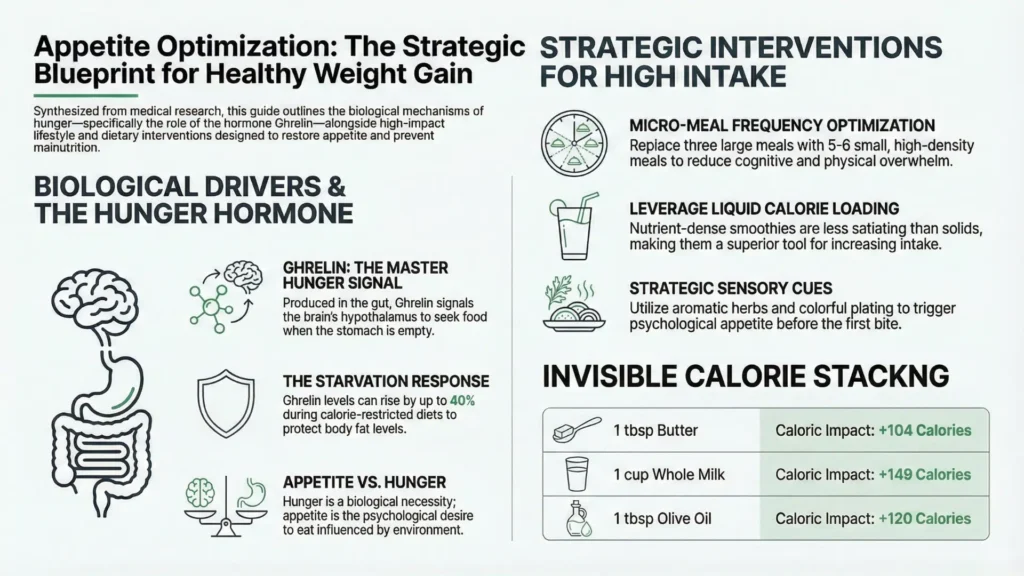
Why am I not feeling hungry? Understanding the Struggle
Table of Contents
- 1 Why am I not feeling hungry? Understanding the Struggle
- 2 The Frustration of Low Appetite: Why Just Eating More Doesn’t Work
- 3 Common Myths: Is Skipping Meals Actually Shrinking Your Stomach?
- 4 Real Reasons Behind Low Hunger: From Poor Routine to Digestive Sluggishness
- 5 Practical Indian Food Swaps to Stimulate Your Taste Buds
- 6 Your Daily Hunger-Boosting Routine: A Step-by-Step Guide
- 7 Natural Hunger Stimulants: The Magic of Indian Spices
- 8 Mistakes to Avoid: Stop Filling Up on Water and Empty Calories
- 9 Hope for a Healthier You: Small Wins Lead to Big Gains
- 10 Managing Special Conditions: Diabetes, Thyroid, and Hypertension
- 11 Frequently Asked Questions (FAQs)
- 12 Contact Us
- 13 Disclaimer
Low appetite is rarely just a phase; it is often the body’s way of communicating that the internal metabolic machinery is running a bit slow. In the Indian context, where family life often revolves around shared meals, not being able to join in or finish a plate can be socially isolating and physically draining. To address this, we must look at the biological and cultural factors that suppress our drive to eat.
The prevalence of undernutrition in India remains a complex issue. According to the National Family Health Survey (NFHS-5), nearly 32.1% of children under the age of five are underweight, and while obesity is rising in urban centers, a large portion of adult men (10.0%) and women (14.2%) still fall into the thin or underweight category with a Body Mass Index (BMI) below 18.5kg/m
This status is often linked to chronic low appetite, which can be triggered by anything from iron deficiency to high levels of emotional stress.
What this means for your daily routine is that just eating more is an incomplete solution. Hunger is a highly regulated signal managed by the vagus nerve and hormones like ghrelin (the hunger hormone) and leptin (the satiety hormone). When these signals are muffled by high cortisol levels from a busy job or digestive sluggishness, you lose the natural urge to refuel. Recognizing that low appetite is a physiological state—not a lack of willpower—is the first step toward a successful weight gain journey.
The Role of Metabolism and the Thin-Fat Phenotype
Many Indians experience what researchers call the thin-fat phenotype. This means that even if a person appears underweight or has a low BMI, they may carry higher amounts of internal (visceral) fat and have lower muscle mass compared to Western populations. This metabolic pattern is often a remnant of the thrifty genetic pattern, where historical generations survived famines by evolving a body that conserves energy very efficiently.
| Factor | Impact on Appetite and Weight |
| Thrifty Metabolism | Causes the body to store fat even on low calories, often suppressing the urge to eat more. |
| Ghrelin Levels | Lower production in the stomach can lead to a lack of hunger cues throughout the day. |
| Muscle Mass | Low muscle mass lowers the metabolic rate, making the body feel it needs less food. |
| Visceral Fat | Internal fat can trigger inflammation, which further disrupts natural satiety signals. |
For a busy professional or a homemaker managing a household, this metabolic reality suggests that focus should shift toward building muscle through resistance training and protein-rich foods, rather than just seeking calories from sugary snacks. Building muscle actually increases your metabolic demand, which is one of the most sustainable appetite improvement tips available.

The Frustration of Low Appetite: Why Just Eating More Doesn’t Work
I know it’s hard when friends or family members tell you to just have one more roti. When your appetite is low, your stomach’s receptive relaxation—the process where stomach muscles relax to hold food—is not fully engaged. Forcing large quantities of food when the stomach isn’t ready can lead to indigestion, bloating, and a mental association of food with discomfort.
The science of appetite suggests that the force-feeding approach often backfires because it ignores the body’s Agni, or digestive fire. In Ayurvedic principles, which deeply influence the Indian lifestyle, if the Agni is weak (Manda Agni), food turns into Ama (toxins) instead of nourishment. This creates a vicious cycle: you feel heavy and sluggish, so you don’t feel hungry, so you eat less, and your metabolism slows down even further.
Instead of fighting your body, the goal should be to kindle that fire. Think of your stomach like a small campfire; you wouldn’t throw a massive log on a tiny flame. You start with small twigs—frequent, light snacks—and gradually build up to larger meals as the fire grows stronger. This is why many nutritionists recommend breaking three large meals into five or six smaller, nutrient-dense portions.
Understanding the Physiological Barrier to Satiety
When we talk about the frustration of low appetite, we are really talking about the gut-brain axis. Your brain receives signals from your stomach via the vagus nerve. If your stomach is used to small volumes, it sends full signals prematurely. This isn’t a permanent condition; it’s a learned response that can be unlearned through consistent, scheduled eating.
Let’s simplify this: your stomach isn’t just a bag; it’s a muscle. Like any muscle, it needs the right stimulus to perform. Scheduling your meals—even if it’s just a small bowl of curd or a handful of roasted makhana—trains your hormones to expect food at specific times, which can naturally boost your hunger over time.
Common Myths: Is Skipping Meals Actually Shrinking Your Stomach?
One of the most persistent myths is that skipping meals or eating less will physically shrink the size of your stomach. Scientifically, this is not true for adults. The stomach is an elastic organ that expands when food enters and returns to its resting size (about 12 inches by 6 inches) once empty. Skipping breakfast won’t make your stomach smaller, but it will definitely confuse your hunger hormones, making it harder to eat enough later in the day.
Another common misconception in Indian households is that drinking water during meals helps digestion. In reality, filling your stomach with water before or during a meal takes up valuable space that should be reserved for nutrient-dense food. This is particularly problematic for NRIs or professionals who might drink large amounts of tea or coffee to stay alert, inadvertently suppressing their appetite for actual meals.
| Myth | Scientific Reality |
| Skipping meals shrinks the stomach. | The stomach returns to a fixed resting size; only surgery changes physical size. |
| Brown bread is always a diet food. | Most commercial brown bread in India is simply white bread with caramel color. |
| Rice is the enemy of weight gain. | Rice is an easily digestible carbohydrate that is excellent for healthy weight gain when paired with protein. |
| Dal is enough protein for a day. | A standard bowl of dal provides only 6-8g of protein; it must be supplemented with paneer, eggs, or nuts. |
We also need to address the any brown food is healthy myth. Whether it’s biscuits or bread, brown often just means added color. For healthy weight gain, we should focus on whole grains like ragi, bajra, and whole wheat, which provide the fiber and B-vitamins necessary for long-term health, rather than just looking at the color of the package.

Real Reasons Behind Low Hunger: From Poor Routine to Digestive Sluggishness
If you’re asking why your hunger has disappeared, the answer often lies in the intersection of your routine and your gut health. In today’s work culture, many professionals survive on liquid diets of caffeine and stress. High stress levels trigger the release of epinephrine, which temporarily shuts down digestion as part of the body’s survival response.
Furthermore, digestive sluggishness is a common result of a sedentary lifestyle. If you aren’t moving, your body doesn’t perceive a need for more energy. Even a simple 15-minute walk can increase your metabolic rate enough to trigger a hunger signal for your next meal.
Clinical Factors and Medical Conditions
For many, low appetite isn’t just a lifestyle choice but a side effect of a clinical condition. It is important to look at these through a medical lens:
- Hypothyroidism: Low levels of thyroid hormone slow down every system in the body, including digestion. This leads to constipation and a lack of hunger, making healthy weight gain a struggle.
- PCOD/PCOS: While often associated with weight gain, the insulin resistance in PCOS can cause erratic hunger cues and a preference for sugary foods over nourishing meals.
- Diabetes: High blood sugar can sometimes lead to gastroparesis, a condition where the stomach empties too slowly, leaving you feeling full for hours.
- Hypertension: Managing high blood pressure requires a low-sodium diet, but many people find low-sodium food bland, which further reduces their desire to eat.
Understanding these connections allows us to use specific appetite improvement tips tailored to each condition. For example, if you have hypothyroidism, focusing on selenium-rich nuts like walnuts and iodine-rich dairy can support your thyroid, which in turn fixes your appetite.
Practical Indian Food Swaps to Stimulate Your Taste Buds
In simple terms, weight gain isn’t just about eating more food; it’s about eating smarter food. If you have a small appetite, you need foods that pack a lot of calories into a small volume. This is where traditional Indian ingredients shine. A tablespoon of desi ghee adds roughly 100-115 calories but occupies almost no space in your stomach.
I know it’s hard to find time to cook elaborate meals, so let’s look at some easy, high-calorie swaps you can make in your existing Indian diet:
- Swap Skim Milk for Whole Milk: Whole milk provides essential healthy fats and more calories per glass.
- Swap Plain Roti for Stuffed Paratha: Stuffing your roti with paneer, potatoes, or sattu instantly triples the protein and calorie count.
- Swap Water for Lassi or Chaas: If you’re thirsty, drink your calories. A thick, sweet lassi with malai is a fantastic way to add energy without feeling heavy.
- Swap Salads for Sprout Bhel with Peanuts: Instead of watery cucumber slices, have a protein-packed chaat with boiled peanuts, sprouts, and a dash of lemon.

Nutrient Density Comparison Table
| Common Food | High-Calorie Swap | Calorie Increase (approx.) | Nutritional Benefit |
| 1 cup Steamed Rice | 1 cup Vegetable Biryani | +150-200 kcal | Added fats from ghee and protein from veggies/meat. |
| 1 Apple | 1 Apple with 2 tbsp Peanut Butter | +190 kcal | Healthy fats and plant-based protein. |
| 1 bowl Plain Dal | 1 bowl Tadka Dal with extra Ghee | +100 kcal | Better absorption of fat-soluble vitamins. |
| 1 cup Black Coffee | 1 glass Banana Milkshake | +300 kcal | Potassium, carbohydrates, and calcium. |
By making these shifts, you are following the core appetite improvement tips of increasing caloric density without increasing the volume of food to an unmanageable level.
Your Daily Hunger-Boosting Routine: A Step-by-Step Guide
Consistency is the secret ingredient. To rebuild your appetite, you need to treat your meals like an appointment you can’t miss. Even if you only eat two bites, sitting down to eat at the same time every day helps regulate your circadian rhythm and your digestive enzymes.
Step 1: The Morning Kickstart (7:00 AM – 8:30 AM)
Start your day with a glass of warm water and a small piece of ginger sprinkled with rock salt. In simple terms, this wakes up your stomach acid. Follow this with a nutrient-dense breakfast like a moong dal cheela or a paneer-stuffed paratha. If you aren’t a breakfast person, try a high-calorie smoothie with milk, banana, and dates.
Step 2: Mid-Morning Calorie Boost (11:00 AM)
Don’t let the gap between breakfast and lunch be too long. This is the perfect time for a handful of nuts (almonds, cashews, walnuts) or a piece of fruit like a mango or chickoo. These are calorie-dense but won’t fill you up so much that you skip lunch.
Step 3: Balanced Lunch (1:30 PM)
A traditional Indian thali is actually very well-designed for weight gain. Ensure your plate has a source of carbohydrate (rice or roti), a protein (dal, paneer, or chicken), and a healthy fat (ghee). According to the Indian Council of Medical Research (ICMR) and the National Institute of Nutrition (NIN) 2024 guidelines, adults should aim for a variety of food groups to ensure they get enough micronutrients like zinc and iron, which are themselves linked to a healthy appetite.
Step 4: The Evening Refuel (4:30 PM – 5:30 PM)
This is where many people make the mistake of having just a cup of tea. Instead, have a mini-meal. Options like roasted peanuts, makhana, or a peanut butter toast are excellent. This prevents your blood sugar from dipping, which can often cause nausea or a loss of appetite by dinner time.
Step 5: Early and Light-but-Rich Dinner (8:00 PM)
Keep dinner slightly lighter in volume but rich in nutrients. A bowl of khichdi with plenty of ghee and a side of curd is easy on the stomach but high in calories. Finish your day with a glass of warm milk with turmeric or honey before bed to support muscle recovery overnight.

Natural Hunger Stimulants: The Magic of Indian Spices
One of the best appetite improvement tips from our traditional wisdom is the use of carminative spices. These aren’t just for flavor; they are medicinal tools that help your body process food more efficiently.
- Ajwain (Carom Seeds): Known for its carminative properties, ajwain helps relieve bloating and indigestion. If your stomach feels heavy, drinking ajwain water can help clear the space for your next meal.
- Ginger: This is perhaps the most powerful natural hunger stimulant. Ginger increases the secretion of gastric enzymes and can even help with nausea, making it easier to face a meal.
- Fennel (Saunf): Chewing fennel after a meal isn’t just a tradition; it helps calm the digestive system and freshen the breath, which can improve your overall taste perception for the next meal.
- Cardamom (Elaichi): Often added to tea or sweets, cardamom essential oil acts as a gentle appetite stimulant when taken with milk.
Integrating these into your cooking or as small infusions throughout the day is a natural way to support your journey to healthy weight gain without relying on synthetic supplements.
Mistakes to Avoid: Stop Filling Up on Water and Empty Calories
We’ve all been there—trying to do the right thing but accidentally slowing our progress. One major pitfall is water loading. While hydration is essential for health, drinking two glasses of water right before you sit down for lunch is a guaranteed way to kill your appetite.
Another mistake is relying on empty calories from sugary sweets or fried snacks. While these are high in calories, they don’t provide the protein or vitamins your body needs to actually build weight in a healthy way. In fact, high sugar intake can lead to systemic inflammation and insulin resistance, which can eventually mess with your natural hunger signals.
What this means for your daily routine is that you should prioritize real food. If you’re craving something sweet, choose a banana or dates instead of a piece of candy. If you want something crunchy, go for roasted chana or peanuts instead of potato chips. Your body will recognize the nutrients and respond with more consistent energy and a better appetite.
The Danger of Excessive Caffeine
For the busy professional, coffee and tea are often meal replacements. However, caffeine is a natural appetite suppressant. If you find yourself having four or five cups of chai a day, try cutting back to two, and make sure you don’t have them within an hour of your main meals. This allows your stomach acid to work on your food rather than being diluted or disrupted by caffeine.

Hope for a Healthier You: Small Wins Lead to Big Gains
Gaining weight is often a slower process than losing it, and that’s okay. Celebrate the small wins: maybe today you felt hungry enough to have a mid-morning snack, or perhaps you finished your dinner without feeling uncomfortably full. These are signs that your metabolism is waking up.
Research from the Harvard Health Publishing suggests that building healthy habits through small, incremental changes is the most effective way to sustain long-term health improvements. Similarly, the National Institutes of Health (NIH) emphasizes that a combination of a nutrient-dense diet and light physical activity is the gold standard for healthy weight gain in adults.
Remember, your body is resilient. Whether you are managing PCOS, recovering from an illness, or just have a naturally fast metabolism, your appetite can be retrained. By following these appetite improvement tips and staying consistent, you are building a stronger foundation for your future self.
Managing Special Conditions: Diabetes, Thyroid, and Hypertension
If you are managing a medical condition, your appetite improvement tips need to be a bit more nuanced. It is all about finding the balance between caloric surplus and therapeutic safety.
Weight Gain for Diabetics
For those with diabetes, weight gain must be managed without causing blood sugar spikes. Focus on complex calories—pairing fats and proteins with your carbs to slow down sugar absorption. For example, instead of plain rice, have a bowl of rajma-chawal with a big dollop of ghee. The fiber in the beans and the fat in the ghee help keep your glucose stable while providing the energy you need for weight gain.
Weight Gain for Hypertension (High BP)
If you have high BP, your main challenge is the bland nature of low-sodium diets. Use natural flavor enhancers like lemon, tamarind, and fresh coriander instead of salt. Calorie-dense snacks like unsalted peanuts, avocados, and homemade smoothies are perfect. According to British Heart Foundation research, potassium-rich foods like bananas and potatoes can actually help manage blood pressure while providing the calories needed for weight gain.
| Condition | Strategy | Key Foods |
| PCOS | Lean protein and high fiber to manage insulin. | Paneer, sprouts, ragi, chicken. |
| Thyroid | Iodine and selenium to support metabolism. | Whole eggs, walnuts, seafood, dairy. |
| Hypertension | Low-sodium, heart-healthy fats. | Unsalted nuts, avocado, bananas, olive oil. |
| Diabetes | High fiber, complex carbs, and protein pairing. | Brown rice, quinoa, lentils, whole milk. |

Frequently Asked Questions (FAQs)
Q1: What are the best appetite improvement tips for someone who is always busy?
The best tip for busy professionals is to drink your calories. Instead of trying to find time for a sit-down meal, carry a high-calorie smoothie made with whole milk, oats, and peanut butter. Additionally, keep a jar of unsalted nuts at your desk for quick, calorie-dense snacking throughout the day.
Q2: How can I increase my hunger naturally without medicine?
You can naturally increase hunger by incorporating carminative spices like ginger and ajwain into your diet. Also, scheduling your meals at the same time every day and doing light exercise, like a 15-minute walk before eating, helps signal your brain that it’s time to refuel.
Q3: Is it true that skipping breakfast makes you less hungry for the rest of the day?
Yes, skipping breakfast can disrupt your metabolism and hunger hormones for the entire day. Having a nutritious, high-protein breakfast helps set your metabolic fire and ensures your body expects and signals for food at regular intervals later on.
Q4: Can I gain weight while managing high blood pressure?
Absolutely. The key is to choose heart-healthy high-calorie foods. Focus on unsalted nuts, seeds, avocados, and whole grains. Avoid processed snacks that are high in salt, and use herbs and spices to flavor your meals instead of extra sodium.
Q5: What should I eat if I feel full very quickly?
If you suffer from early satiety, focus on nutrient-dense foods. Use calorie boosters like ghee, nut butters, and seeds that add energy without adding bulk. Also, avoid drinking water right before or during your meals to save space for food.
Contact Us
We understand how overwhelming nutrition and weight loss information can feel. With so many opinions and confusing advice online, it’s easy to feel stuck or unsure about what to do next.
At Diet Dekho, you never have to figure it out alone. You can contact us anytime with any questions or concerns. Our expert dietitians are available 24/7 to guide, support, and help you stay on track. Whether your goal is weight loss or building healthier habits, we’re here to make the journey simpler and more sustainable for you.
Disclaimer
This blog is intended to help readers make healthier food choices. Your health should always be the top priority. Before starting any restrictive or special diet, especially if you have a medical condition or health concern, please consult a doctor or a qualified dietitian. Each body responds differently to food and lifestyle changes. Always choose what is safe and suitable for you.

Dr. Ritika is a nutrition and lifestyle expert with 2+ years of experience, helping clients manage weight and health through practical, personalized diet plans.