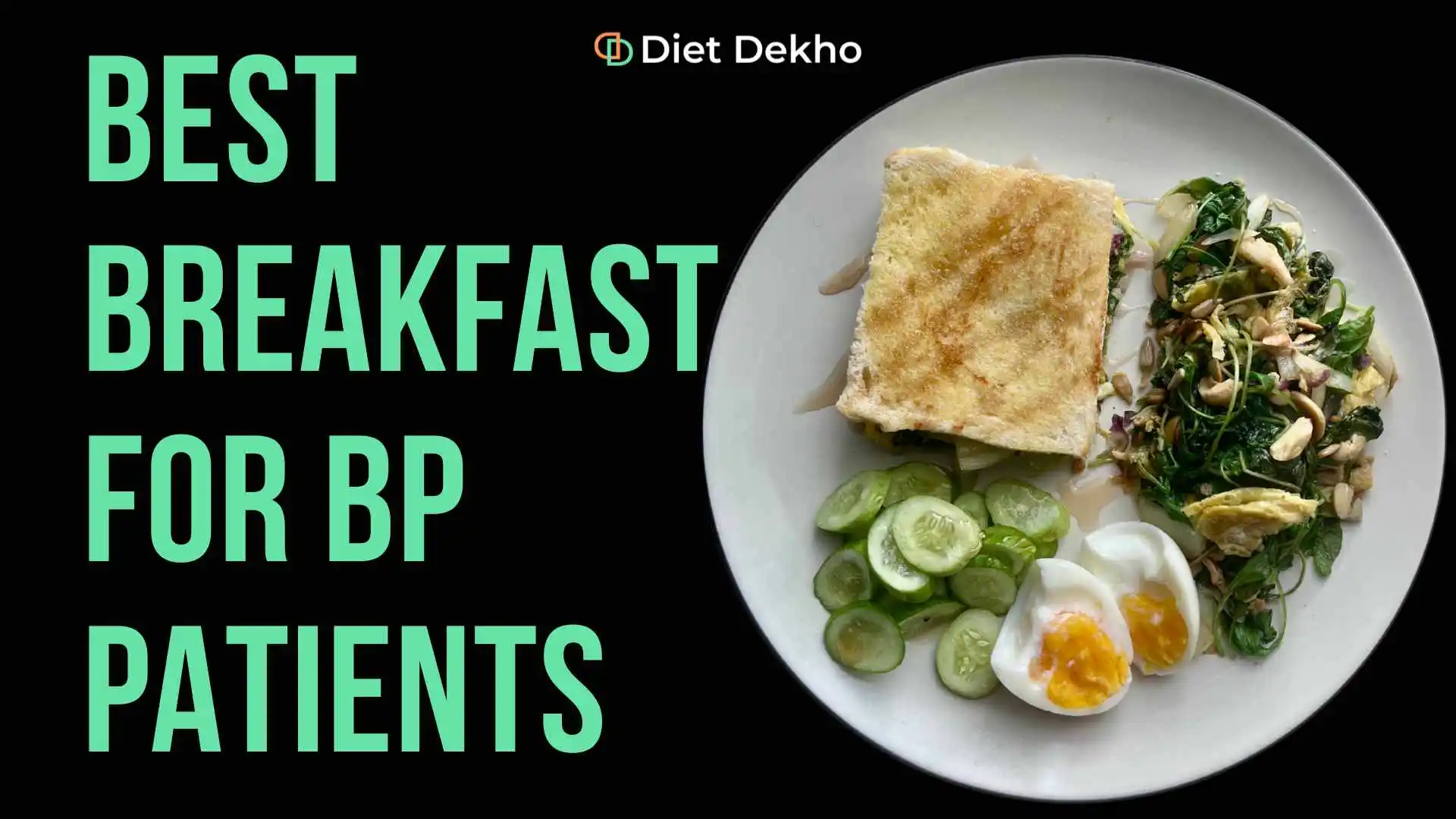
Imagine your morning starts not with a jarring alarm, but with the quiet realization that your body feels lighter and your heart is beating with a steady, calm rhythm. I know it’s hard to find time for a complicated health routine when you are juggling back-to-back meetings or managing a household, but choosing the right breakfast for BP is the single most effective way to reclaim your health. Whether you are a busy professional or a homemaker looking after everyone else first, simplifying your morning meal can stabilize your blood pressure and transform your energy levels from the very first bite.
The best breakfast for BP patients focuses on the DASH diet principles by prioritizing high-potassium, high-fiber, and low-sodium whole foods. Heart-healthy Indian options like Moong Dal Cheela, vegetable-loaded Oats Upma, and Ragi Idli are ideal because they provide essential minerals like magnesium and calcium. These nutrient-dense meals help relax blood vessels and flush out excess salt, effectively supporting natural blood pressure regulation throughout the day.
Understanding the Morning Surge and Your Arteries
Table of Contents
- 1 Understanding the Morning Surge and Your Arteries
- 2 The Alarming Reality of Hypertension in India
- 3 Why Potassium is Your Heart’s Best Friend
- 4 Decoding the DASH Diet for the Indian Kitchen
- 5 The Hidden Sodium Traps in Indian Mornings
- 6 Moong Dal Cheela: The Ultimate Heart-Starter
- 7 Oats Upma: Fiber That Cleanses Your Arteries
- 8 Ragi: The Ancient Grain for Modern Pressure
- 9 The Power of Probiotics: Curd and Your Heart
- 10 Eggs: A Protein Goldmine for Hypertension
- 11 Besan Cheela: The 10-Minute Protein Solution
- 12 Managing Your Salt: Tips from a Dietitian’s Kitchen
- 13 The Role of Whole Grains: Dalia and Poha
- 14 Fruit and Nut Synergies for Your Morning
- 15 Dealing with Stress and the “Non-Gym” Lifestyle
- 16 Why Your Morning Coffee Might Need a Tweak
- 17 The Connection Between BP, Diabetes, and Kidney Health
- 18 Planning for Success: The Sunday Routine
- 19 Frequently Asked Questions (FAQs)
- 20 A Final Word of Encouragement
- 21 Contact Us
- 22 Disclaimer
When we talk about managing your health, we need to look at what happens the moment you wake up. Your body undergoes a natural phenomenon called the morning surge, where your blood pressure naturally climbs to help you transition from sleep to activity. For many of my clients at DietDekho, this is the most critical window of time. If you start your day with a high-salt or high-sugar meal, you are essentially adding fuel to a fire that is already burning. What this means for your daily routine is that your breakfast isn’t just a meal; it’s a medical intervention that can either soothe your arteries or strain them.

The physiological formula for blood pressure is quite straightforward. It is the product of your cardiac output and your total peripheral resistance:
BP = CO \ TPR
In this equation, BP represents blood pressure, CO is the amount of blood your heart pumps, and TPR is the resistance the blood meets in your vessels. When you eat a breakfast rich in potassium, you are directly lowering that TPR by helping your blood vessel walls relax. If the walls are relaxed, the resistance drops, and your blood pressure follows suit. It is a beautiful, natural harmony that starts right at your dining table.
The Alarming Reality of Hypertension in India
I don’t want to scare you, but I do want you to understand the scale of what we are facing together. Recent data from the Indian Council of Medical Research (ICMR) reveals a staggering reality: nearly one in four Indian adults is now dealing with hypertension. This isn’t just an “old person’s problem” anymore. We are seeing a doubling of high blood pressure cases in children and teenagers over the last 20 years, often linked to the rise in processed snacks and sedentary lifestyles.
| Category | Rural Prevalence (%) | Urban Prevalence (%) | National Average (%) |
| Hypertension | 27.6 | 33.8 | 29.8 |
| Diabetes | 10.0 (est.) | 11.4 | 11.4 |
| Pre-diabetes | 15.0 (est.) | 15.3 | 15.3 |
| Dyslipidemia | 79.0 (est.) | 81.1 | 81.1 |
Data synthesized from ICMR-INDIAB and related studies.
What these numbers tell us is that our traditional dietary habits are being overshadowed by “convenience” foods that are hurting our hearts. In urban areas, awareness is slightly higher at 42%, but in our rural communities, only about 25% of people even know they have high blood pressure. This is why I am so passionate about making a heart-healthy breakfast for BP accessible to everyone. Whether you live in a bustling city or a quiet village, the food you choose at 8:00 AM defines your cardiovascular future.
Why Potassium is Your Heart’s Best Friend
I often tell my friends that if sodium is the villain in the story of hypertension, potassium is the superhero. Potassium and sodium work together like a seesaw to maintain fluid balance in your body. Most of us are eating way too much salt, which keeps our bodies holding onto water and increases the pressure in our pipes. Potassium does the opposite; it helps your kidneys flush out that extra sodium and eases the tension in your blood vessel walls.
The ideal ratio we should aim for is about three parts potassium to one part sodium. However, the typical modern diet in India is often the exact reverse. Recent modeling studies suggest that simply adding more potassium-rich foods—like a banana or a handful of spinach—to your diet might actually have a bigger positive impact on your blood pressure than just cutting back on salt alone. For men especially, this potassium-to-sodium ratio is a powerful predictor of heart health.

Decoding the DASH Diet for the Indian Kitchen
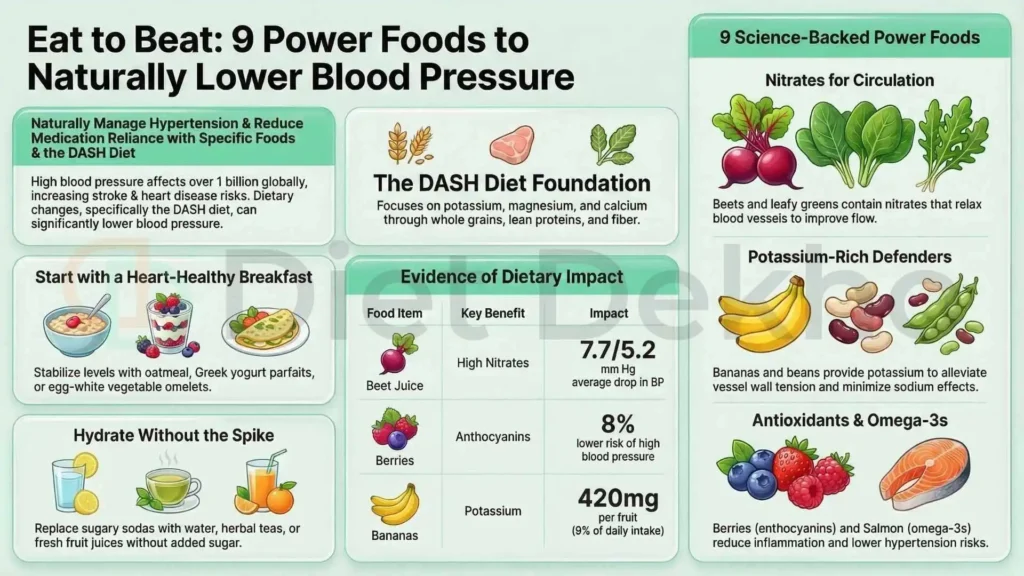
You might have heard of the DASH diet, which stands for Dietary Approaches to Stop Hypertension. It is the gold standard for heart health, backed by the NIH and Harvard Health. But I know what you’re thinking—those Western meal plans don’t always fit our Indian tastes or the ingredients in our pantry. Let’s translate those high-level goals into a plan that works for you. The DASH plan isn’t about restriction; it’s about abundance. It asks you to eat more fruits, vegetables, and whole grains while being mindful of fats and sweets.
| Food Group | Daily Servings (2000 Calorie Plan) | Indian Examples |
| Grains | 6–8 | Whole wheat roti, Oats, Brown rice, Ragi |
| Vegetables | 4–5 | Spinach, Lauki, Gourd, Carrots, Beans |
| Fruits | 4–5 | Banana, Papaya, Guava, Apple, Berries |
| Low-fat Dairy | 2–3 | Low-fat curd, Skimmed milk, Paneer |
| Lean Protein | 6 or less (oz) | Moong dal, Egg whites, Soya, Fish |
| Nuts & Seeds | 4–5 (weekly) | Walnuts, Almonds, Flaxseeds, Chia |
Based on NIH and DASH guidelines.
When we follow this plan, we are aiming for less than 2,300 milligrams of sodium a day, which is about one teaspoon of salt. If we can get that down to 1,500 milligrams, the blood pressure benefits are even more significant. I know it sounds like a lot of measuring, but if we focus on choosing the right breakfast for BP, the rest of the day usually falls into place naturally.
The Hidden Sodium Traps in Indian Mornings
Let’s be honest for a moment. We Indians love our flavors, and salt is often the easiest way to get them. But there is a “hidden sodium” problem in our kitchens that we need to address. Many things that don’t even taste salty are packed with sodium used as a preservative. If you’re grabbing a piece of papad or a spoonful of pickle with your morning meal, you might be consuming 200–300 mg of sodium in just one bite.
Commercial batters for idli and dosa are another common culprit. Some store-bought batters contain nearly 800 mg of sodium per 100 grams to help them stay “fresh” on the shelf. This is why I always encourage my busy clients to spend twenty minutes on a Sunday making their own batter or choosing options that don’t require fermentation, like a quick Besan Cheela. Even the “healthy” brown bread from the local bakery can have hidden salts that push you over your daily limit.

Moong Dal Cheela: The Ultimate Heart-Starter
I truly believe that the Moong Dal Cheela is the king of a heart-healthy breakfast for BP. Green moong is naturally rich in potassium and magnesium, two minerals that act as natural vasodilators—they literally help your blood vessels open up. One cheela provides about 10 to 14 grams of protein, which is vital because high-protein meals keep you full longer and prevent you from reaching for those office biscuits at 11 AM.
To make it even better for your blood pressure, I suggest adding a handful of finely chopped spinach or methi leaves to the batter. These greens are rich in nitrates, which the body converts into nitric oxide. Nitric oxide is like a spa treatment for your arteries; it helps them stay flexible and relaxed. Skip the heavy oil and use a non-stick pan with just a drop of olive oil or cold-pressed mustard oil.
Oats Upma: Fiber That Cleanses Your Arteries
If you prefer a savory breakfast that feels like home, Oats Upma is a wonderful alternative to traditional semolina (suji). While suji is refined and can cause blood sugar spikes, oats are loaded with a special kind of fiber called beta-glucan. This soluble fiber forms a gel-like substance in your gut that traps cholesterol and slows down the absorption of sugar. This is crucial because heart health and blood sugar levels are closely linked—nearly 8% of people with both hypertension and diabetes face a much higher risk of complications.
When you’re making your Oats Upma, think of it as a vegetable delivery system. I know it’s hard to find time to cook separate veggie dishes, so throw your peas, carrots, and beans right into the oats. This boosts the potassium content of your meal significantly. One serving of vegetable oats upma contains roughly 207 calories and is very filling, which helps with weight management—a key factor since obesity is a major driver of high blood pressure.
Ragi: The Ancient Grain for Modern Pressure
Ragi, or finger millet, is a gem of Indian nutrition that we often forget. It is exceptionally high in calcium—it actually has more calcium than any other cereal. Why does calcium matter for your blood pressure? Because your blood vessels need calcium to contract and relax properly. When you have enough calcium and magnesium in your diet, your heart doesn’t have to work as hard to pump blood.
I recommend trying Ragi Idlis or Ragi Dosa. Because ragi has a low glycemic index, it releases energy slowly into your bloodstream. This means you won’t have that mid-morning energy crash that leaves you feeling stressed and reaching for caffeine. If you’re a busy professional, you can even make a quick Ragi porridge with low-fat milk or water, a pinch of cinnamon, and some crushed walnuts. It’s a fast, warm, and comforting breakfast for BP that takes less than five minutes.

The Power of Probiotics: Curd and Your Heart
Did you know that your gut health can actually influence your blood pressure? It’s true! Most dairy products, especially low-fat yogurt and curd, contain a combination of magnesium, calcium, and potassium that helps regulate blood pressure. But the real secret is the “good bacteria” or probiotics. Studies have shown that people who regularly include probiotics in their diet are 30% less likely to develop hypertension.
For a quick morning fix, I love suggesting a bowl of low-fat curd topped with fresh fruits like pomegranate or berries. Pomegranates are rich in antioxidants that protect your artery walls from damage. If you’re in a rush, a tall glass of homemade buttermilk (chaas) with a pinch of roasted cumin and no extra salt is an excellent way to stay hydrated and keep your heart happy. It’s a perfect, cooling option for those who don’t want a heavy cooked meal.
Eggs: A Protein Goldmine for Hypertension
There is often a lot of confusion about eggs and heart health. Let’s clear that up. Eggs are a fantastic source of high-quality protein, which is perfect for a breakfast for BP. The key is how you prepare them. Fried eggs in heavy butter or loaded with cheese are not the answer. Instead, go for poached or boiled eggs. Egg whites are particularly beneficial because they provide all the protein without the saturated fats that can contribute to arterial clogging.
What this means for your daily routine is that two boiled eggs with a side of sautéed spinach and a slice of whole-wheat toast can be a complete, heart-healthy meal. The protein in the eggs helps repair your tissues, while the fiber in the toast and spinach keeps your digestion moving. It’s a simple, no-fuss solution for anyone who needs a quick, reliable shot of energy in the morning.
Besan Cheela: The 10-Minute Protein Solution
I know some mornings are just chaotic. If you have ten minutes before you need to leave, Besan Cheela is your best friend. Gram flour (besan) is high in protein and fiber, and it has a low glycemic index, which is great for maintaining steady energy levels. It’s much more nutritious than a bowl of sugary cereal or a white-bread sandwich.
To make it blood-pressure friendly, I suggest adding carom seeds (ajwain) to the batter. Ajwain is great for digestion and adds a wonderful flavor so you don’t feel the need to add extra salt. You can also grate some bottle gourd (lauki) into the batter. Lauki is very hydrating and low in calories, making your cheela extra soft and nutrient-dense. This kind of home-based solution is exactly what your heart needs to stay healthy without requiring a “gym-focused” lifestyle.

Managing Your Salt: Tips from a Dietitian’s Kitchen
Reducing salt is often the hardest part of the journey, but let’s simplify this. Your taste buds actually take about two to four weeks to adjust to lower salt levels. Once they do, you’ll find that you can taste the actual flavor of the food much better. Instead of reaching for the salt shaker, I want you to experiment with “flavor boosters” that don’t raise your blood pressure.
| Instead of Salt, Try… | Why it Works |
| Lemon Juice | Adds a bright tanginess and Vitamin C for artery health. |
| Tamarind (Imly) | Provides a deep, sour flavor perfect for poha or upma. |
| Black Pepper | Adds a bit of heat and helps with nutrient absorption. |
| Roasted Cumin Powder | Gives a smoky, earthy flavor that makes curd taste amazing. |
| Fresh Herbs | Coriander, mint, and curry leaves add aroma and antioxidants. |
I know it’s a big change, but avoiding processed meats like sausages or bacon during breakfast is also vital. These are often loaded with sodium and saturated fats that directly contribute to arterial stiffness. By sticking to fresh, home-cooked meals, you are taking the most significant step toward a healthier heart.

The Role of Whole Grains: Dalia and Poha
When we talk about a heart-healthy breakfast for BP, we can’t ignore our beloved Poha and Dalia. These are staples in most Indian homes for a reason—they are versatile and easy to digest. However, to make them truly heart-healthy, we need to make a few simple adjustments. For Poha, try using red or brown poha instead of the white variety. Red poha is less processed and retains more of its fiber and minerals.
Dalia, or broken wheat, is another fantastic option. It is a complex carbohydrate, meaning it breaks down slowly and provides a steady stream of energy. I love a vegetable dalia khichdi for breakfast because it’s a one-pot meal that you can set in the pressure cooker while you’re getting ready. Loading it with carrots, beans, and peas ensures you’re getting a good dose of potassium and fiber before you even start your workday.
Fruit and Nut Synergies for Your Morning
If you’re someone who isn’t very hungry in the morning, a small bowl of fruit and nuts can be the perfect breakfast for BP. I always recommend bananas because they are a world-famous source of potassium. But don’t stop there. Berries like strawberries and blueberries are packed with antioxidants called anthocyanins, which have been shown to reduce blood pressure by helping arteries stay wide and flexible.
Pair your fruit with a handful of unsalted nuts. Walnuts and almonds are excellent choices because they contain healthy fats that protect your heart. Flaxseeds and chia seeds are also great additions to your morning bowl; they provide Omega-3 fatty acids, which reduce inflammation in your blood vessels. Just a tablespoon of these seeds can have a ripple effect on your vascular health throughout the day.
Dealing with Stress and the “Non-Gym” Lifestyle
I know that not everyone has the time or the desire to hit the gym for an hour every day. And that’s okay! Managing your blood pressure is 70% about what you eat. However, movement is still important. For my “non-gym” audience, I suggest what I call “lifestyle movement.” This could be a ten-minute walk after your breakfast, taking the stairs instead of the elevator, or even doing some light stretching while your tea is brewing.
Stress is another major factor that can spike your blood pressure. When you’re stressed, your body stays in a “fight or flight” mode, which keeps your blood pressure elevated. I know it’s easier said than done, but try to eat your breakfast without looking at your phone or checking your emails. Give yourself ten minutes of peace to enjoy your meal. This small act of mindfulness can actually help lower your cortisol levels and, in turn, your blood pressure.
Why Your Morning Coffee Might Need a Tweak
Many of us can’t imagine a morning without our chai or coffee. While moderate caffeine intake is generally okay for most people, it can cause a temporary spike in blood pressure. If you already have hypertension, I suggest being mindful of your intake. Try to avoid adding too much sugar or full-fat milk to your morning brew. Sugar, in particular, can inhibit the production of nitric oxide, which we know is essential for keeping your arteries relaxed.
Instead, consider switching to herbal teas like hibiscus or green tea occasionally. Hibiscus tea has actually been shown in some studies to have a similar effect on blood pressure as some mild medications, thanks to its high antioxidant content. If you must have your milk tea, try using skimmed milk and a natural sweetener like a tiny bit of jaggery or, better yet, no sugar at all. Your heart will definitely feel the difference.
The Connection Between BP, Diabetes, and Kidney Health
It’s important to understand that our bodies don’t work in silos. High blood pressure is often a “silent” condition that can lead to other issues if not managed. According to the ICMR-INDIAB study, there is a strong link between hypertension and impaired kidney function in India. When your blood pressure is high, it puts extra strain on the small blood vessels in your kidneys, making it harder for them to filter toxins.
What this means for your daily routine is that every time you choose a low-sodium, heart-healthy breakfast for BP, you are also protecting your kidneys and reducing your risk of developing type 2 diabetes. The risk of impaired kidney function is six times higher in individuals who have both hypertension and diabetes. This is why I am so insistent on choosing whole grains and plant-based proteins—they are gentler on your system and provide a protective shield for your long-term health.
Planning for Success: The Sunday Routine
I know you’re busy. The best way to make sure you actually eat a healthy breakfast is to prepare ahead. I call this “setting yourself up for a win.” On Sundays, spend an hour prepping for the week. You can grind your moong dal batter, chop your vegetables, or even boil some eggs. Having these items ready in the fridge means that even on your most chaotic mornings, you can still have a five-minute breakfast for BP.
- Prep Your Veggies: Wash and chop spinach, carrots, and beans.
- Batter Up: Make a batch of Besan or Ragi batter; it stays fresh for 2–3 days.
- Nut Mix: Create a small jar of unsalted walnuts, almonds, and seeds.
- Fruit Bowl: Keep a bowl of bananas and apples within eye-reaching distance.
When you have healthy choices ready to go, you’re much less likely to reach for a packet of biscuits or a greasy vada from the street vendor. It’s about making the healthy choice the easiest choice.
Frequently Asked Questions (FAQs)
What is the best breakfast for BP patients who are always in a rush?
The best quick breakfast for BP is a bowl of low-fat curd with a banana and a handful of walnuts. It requires zero cooking, provides a massive hit of potassium and probiotics, and keeps you full for hours. Another great option is a quick Besan Cheela, which takes only ten minutes to whip up and cook.
Can I drink fruit juice in the morning if I have high blood pressure?
It is always better to eat the whole fruit rather than drinking the juice. Whole fruits contain fiber, which helps slow down sugar absorption and is better for your heart. If you do have juice, make sure it is fresh and has no added sugar. Be cautious with store-bought juices as they often contain hidden sodium and preservatives.
Is it okay to skip breakfast if my BP is high?
I generally don’t recommend skipping breakfast. Skipping meals can lead to overeating later in the day and can cause your blood sugar and blood pressure to fluctuate. A small, light meal like a bowl of oats or a piece of fruit is much better than nothing at all to help manage that natural morning BP surge.
Which is better for BP: Poha or Upma?
Both can be healthy if made correctly. However, Oats Upma is generally superior to traditional Suji Upma because of the higher fiber content. If you love Poha, try to use red poha and load it with vegetables and peanuts to increase the protein and fiber, making it a more balanced breakfast for BP.
How much salt should I actually use in my breakfast?
The goal is to stay under 1,500/mg of sodium per day for the best results. For breakfast, try to use just a tiny pinch of rock salt or skip it entirely by using lemon juice, black pepper, and fresh herbs for flavor. Remember, many ingredients like bread and commercial batters already have hidden salt!
A Final Word of Encouragement
I know that making lifestyle changes can feel overwhelming, especially when you’re already busy looking after everyone else. But I want you to remember that your health is the foundation that everything else is built on. By choosing a heart-healthy breakfast for BP, you aren’t just lowering a number on a machine; you are giving yourself more energy to play with your kids, more focus to excel at your job, and more years to enjoy your life.
Start small. Maybe tomorrow morning, you just swap your white toast for a banana and some curd. Or perhaps you try adding a few more veggies to your poha. These small, consistent steps are what lead to big results. You don’t have to be perfect; you just have to be better than you were yesterday. We at DietDekho are here to support you every step of the way.
Ready to take the next step in your heart-health journey? Let our expert dietitians create a meal plan that fits your life and your tastes perfectly.
Contact Us
We understand how overwhelming nutrition and weight loss information can feel. With so many opinions and confusing advice online, it’s easy to feel stuck or unsure about what to do next.
At Diet Dekho, you never have to figure it out alone. You can contact us anytime with any questions or concerns. Our expert dietitians are available 24/7 to guide, support, and help you stay on track. Whether your goal is weight loss or building healthier habits, we’re here to make the journey simpler and more sustainable for you.
Disclaimer
This blog is intended to help readers make healthier food choices. Your health should always be the top priority. Before starting any restrictive or special diet, especially if you have a medical condition or health concern, please consult a doctor or a qualified dietitian. Each body responds differently to food and lifestyle changes. Always choose what is safe and suitable for you.

Abhinav is the Founder of Diet Dekho, helping people manage weight and lifestyle health through simple, practical nutrition and personalized diet plans.