
A person finishing a long workday often finds comfort in a simple plate of dal, rice, and a small spoonful of spicy mango achaar, yet the hidden connection between pickle and BP remains a vital health consideration. For the busy professional or the dedicated homemaker, these small dietary habits often determine long-term cardiovascular health. Understanding the sodium load in traditional condiments is not just a nutritional exercise but a necessary step for anyone aiming to manage hypertension without sacrificing the joy of a traditional Indian meal.
Can BP Patients Eat Pickle?
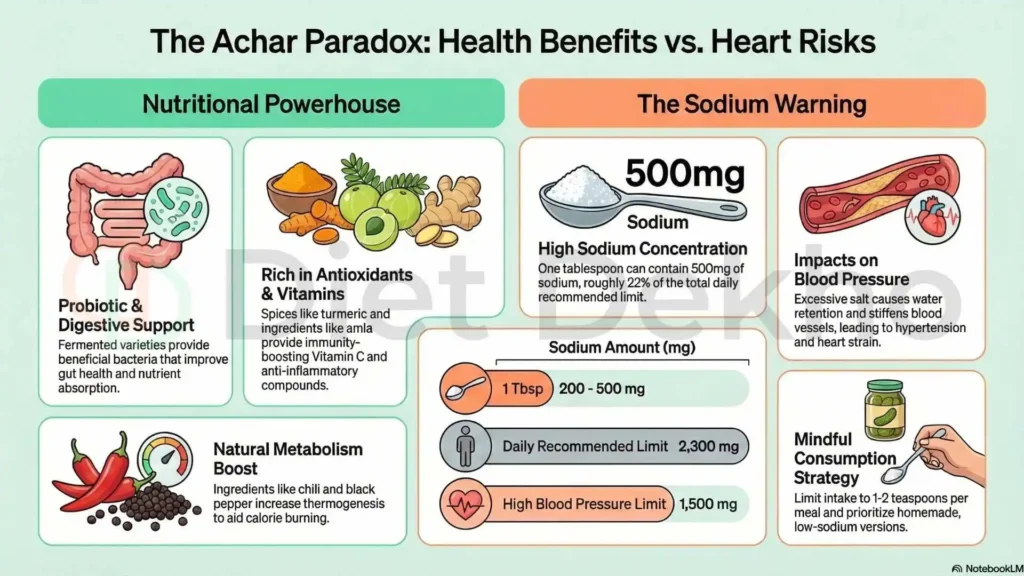
Individuals with hypertension should strictly limit traditional pickles or switch to low-sodium, vinegar-based versions. A single tablespoon of standard pickle contains 200–500 mg of sodium, which quickly consumes the 1,500 mg daily limit. While homemade, oil-free, or rinsed varieties are safer, moderation is essential to prevent water retention and maintain healthy blood pressure levels.
The Physiological Mechanism of Sodium and Vascular Resistance
Table of Contents
- 1 The Physiological Mechanism of Sodium and Vascular Resistance
- 2 The Indian Salt Crisis and National Health Statistics
- 3 The Anatomy of an Indian Pickle and Its Sodium Density
- 4 Why Busy Professionals and Homemakers are at Risk
- 5 Analyzing the ICMR-NIN 2024 Dietary Guidelines
- 6 The DASH Diet: An Indian Perspective on Heart Health
- 7 The Role of Potassium in Counteracting Salt
- 8 Low-Sodium Pickle Alternatives and Recipes
- 9 Strategic Moderation: How to Safely Enjoy Traditional Flavors
- 10 The Impact of Regional Cuisines on Hypertension
- 11 Smart Shopping: Identifying Low-Sodium Brands
- 12 The Link Between Stress, Lifestyle, and Salt Cravings
- 13 Navigating Social Dining and Travel with Hypertension
- 14 Future Outlook: Technology and Salt Reduction in India
- 15 Frequently Asked Questions (FAQs)
- 16 Conclusion: Balancing Tradition with Modern Health
- 17 Contact Us
- 18 Disclaimer
The human body relies on a delicate balance of minerals to maintain the pressure within the circulatory system. Sodium acts as the primary regulator of extracellular fluid volume. When an individual consumes excess salt, the body retains water to dilute the sodium concentration in the blood. This increase in fluid volume directly elevates the pressure against arterial walls. For someone already managing high blood pressure, this extra volume acts as a persistent stressor on the heart.

Vascular resistance is further complicated by the physical state of the blood vessels. High sodium intake leads to the stiffening of the endothelium, which is the inner lining of the arteries. As these vessels become less flexible, the heart must pump with greater force to move blood through the body. This cycle of volume expansion and vessel stiffening is why a high-sodium diet is considered a primary driver of heart failure and stroke risk.
The kidneys serve as the filtration centers that attempt to flush out this excess. However, many individuals possess genetic variations that make their kidneys less efficient at processing salt. Research indicates that about sixty percent of hypertensive patients are salt-sensitive. For these people, even a small increase in salt intake, such as that found in a traditional pickle, can cause a sharp rise in blood pressure.
| Mechanism | Physiological Impact | Long-Term Health Risk |
| Water Retention | Increased blood volume and vessel pressure | Hypertension and edema |
| Vascular Stiffening | Reduced arterial elasticity and narrowing | Atherosclerosis and heart attack |
| Renal Strain | Kidney’s inability to filter excess minerals | Chronic kidney disease |
| Hormonal Response | Inappropriate aldosterone elevation | Persistent fluid imbalance |
The Indian Salt Crisis and National Health Statistics
The health landscape in India is currently defined by an alarming rise in non-communicable diseases. Data from the World Health Organization and national surveys suggest that the average Indian consumes nearly double the recommended daily salt limit. While the WHO suggests a cap of 5 grams of salt per day, the average intake across India is approximately 10.98 grams.
This excessive consumption is not limited to any one demographic. Both rural and urban populations show high salt intake, though the sources differ. Urban residents often consume more processed foods, whereas rural populations rely heavily on traditional salted condiments like pickles and papads to enhance their meals. This habit contributes significantly to the fact that nearly one in every four Indian adults is now hypertensive.
Regional data shows that states in Southern and Eastern India have particularly high rates of salt consumption. In Tripura, for instance, the average daily intake reaches 14 grams, which is nearly three times the healthy limit. This high salt load correlates directly with a higher prevalence of stroke and coronary heart disease in these regions.
| Population Group | Average Salt Intake (g/day) | Recommended Limit (g/day) | Hypertension Prevalence |
| Urban Indian Men | 10.5 – 11.0 | < 5.0 | ~33.2% |
| Rural Indian Men | 10.0 – 10.5 | < 5.0 | ~27.6% |
| Overall Average | 10.98 | < 5.0 | ~29.8% |
| High-Risk States (e.g., Punjab) | > 12.0 | < 5.0 | ~51.8% |

The Anatomy of an Indian Pickle and Its Sodium Density
The traditional method of pickling in India is designed for long-term preservation in a hot and humid climate. Salt is the primary preservative used to inhibit the growth of harmful bacteria. In a standard mango or lemon pickle, salt often makes up a significant portion of the total volume. When this salt is combined with oil and spices, it creates a flavor-dense condiment that is easy to overconsume.
A typical tablespoon of commercial pickle contains between 300 mg and 500 mg of sodium. For a professional or homemaker following the 1,500 mg daily sodium restriction recommended for heart health, eating just two tablespoons of pickle accounts for two-thirds of the entire day’s allowance. This leaves very little room for the sodium naturally present in other foods like whole grains, vegetables, and dairy.
Beyond sodium, many store-bought pickles use heavy amounts of oil and chemical preservatives. These additives can lead to weight gain and inflammation, further complicating the health of a person with high blood pressure. While the spices used, such as turmeric and fenugreek, have antioxidant properties, their benefits are often overshadowed by the high salt load in the final product.

Why Busy Professionals and Homemakers are at Risk
The daily routine for a busy professional often involves quick meals and reliance on the office dabba. Pickles are frequently included in these packed lunches because they require no refrigeration and provide a quick flavor hit to simple dishes. However, this convenience comes at a cost. The sluggishness felt after a high-sodium lunch is often due to the body’s struggle to manage the sudden fluid shift caused by the salt.
For homemakers, the challenge often lies in the traditional methods of food preparation. Preparing large batches of pickle is a cultural tradition, but the habit of tasting and adding extra salt for shelf-life can lead to unintended health consequences for the whole family. The dabba culture in India makes it easy for pickles to become a daily staple rather than an occasional garnish.
Transitioning to fresh, homemade alternatives is a practical step that fits into a busy schedule. Simple swaps like fresh mint-coriander chutney or lemon-soaked ginger can provide the same tangy satisfaction without the vascular strain. Understanding the daily sodium budget is the first step toward a heart-healthy routine that doesn’t feel restrictive.

Analyzing the ICMR-NIN 2024 Dietary Guidelines
The Indian Council of Medical Research (ICMR) and the National Institute of Nutrition (NIN) recently released updated dietary guidelines for 2024. These guidelines specifically address the rising burden of hypertension and obesity in the country. A key recommendation is the strict restriction of salt intake to less than 5 grams per day for the general population, with even lower targets for those with existing health conditions.
The guidelines emphasize the My Plate for the Day model, which suggests that half of every meal should consist of fruits and vegetables. This approach naturally increases the intake of potassium, a mineral that helps the kidneys flush out excess sodium and relaxes blood vessel walls. The ICMR also highlights the danger of hidden salt in condiments, advising families to minimize the consumption of pickles, papads, and high-fat snacks.
For the older people and those with chronic illnesses, the guidelines recommend easily digestible foods and a focus on dietary fiber. This means moving away from heavily preserved items and toward fresh, minimally processed home-cooked meals. Reading food labels is also stressed as a vital skill for modern consumers to identify high sodium levels in packaged products.
| Guideline Focus | Recommendation for Hypertensives | Impact on BP |
| Salt Intake | < 5g total salt per day | Reduces fluid retention |
| Vegetable Intake | 400g daily minimum | Increases potassium and fiber |
| Processed Foods | Avoid pickles, papads, namkeen | Limits hidden sodium surges |
| Cooking Method | Steam, boil, or bake | Reduces unhealthy fat intake |

The DASH Diet: An Indian Perspective on Heart Health
The Dietary Approaches to Stop Hypertension (DASH) diet is a scientifically proven eating plan that can lower blood pressure in as little as two weeks. While it was originally developed in the West, its principles are highly applicable to the Indian kitchen. The core of the DASH diet is a high intake of potassium, magnesium, and calcium, combined with a low intake of sodium and saturated fats.
In an Indian context, following the DASH diet means prioritizing dals, whole grains like bajra and ragi, and plenty of seasonal vegetables. Instead of using a high-sodium pickle as a side, one can use curd or a fresh salad. Curd is particularly beneficial as it provides calcium and probiotics, supporting both vascular and digestive health.
Clinical research shows that reducing sodium to 1,500 mg per day provides the greatest benefit for those with existing hypertension. This level of restriction requires a mindful approach to every component of the meal. Simple changes, such as reducing the salt used in the tadka and eliminating the daily pickle, can lead to a significant drop in blood pressure numbers.

The Role of Potassium in Counteracting Salt
Potassium acts as a natural antagonist to sodium. When potassium levels are high, the kidneys are more efficient at excreting salt through urine. This process is essential for anyone who occasionally indulges in high-sodium foods like a traditional pickle. Foods like bananas, spinach, sweet potatoes, and coconut water are excellent sources of this vital mineral.
A diet rich in potassium not only helps with sodium excretion but also helps the walls of the blood vessels to relax. This reduction in vascular tension is a primary goal in managing hypertension. For someone with a busy schedule, grabbing a banana or a handful of nuts is an easy way to support heart health during a hectic day.
However, it is important to maintain a balance. For patients with certain types of kidney disease, high potassium levels can be dangerous. It is always best to consult with a dietitian to determine the appropriate balance of minerals for an individual’s specific health profile. For most people, however, increasing the intake of fresh fruits and vegetables is a safe and effective way to lower blood pressure.
Low-Sodium Pickle Alternatives and Recipes
For those who find it difficult to give up the tangy flavor of a pickle, there are several heart-healthy ways to enjoy similar tastes. One of the best methods is to create instant, vinegar-based pickles at home. Vinegar provides the necessary acidity and preservation without the need for massive amounts of salt.
Instant Healthy Mango Pickle
A simple recipe involves using raw mango cubes, a pinch of turmeric, red chili powder, and a minimal amount of salt. Instead of fermenting this for weeks in a salt brine, it can be tempered with a small amount of oil and mustard seeds and then refrigerated. This instant version stays fresh for several weeks and contains a fraction of the sodium found in commercial varieties.
Oil-Free Lemon Pickle
Lemon pickles can be prepared by pressure-cooking whole lemons until the skin is soft, then slicing them and adding a small amount of salt, red chili powder, and jaggery. This method relies on the natural acidity of the lemon and the sweetness of the jaggery for flavor, eliminating the need for oil and high salt levels. This version is particularly helpful for digestion and provides a hit of Vitamin C.
Fresh Vegetable Sookha Achaar
Another alternative is to soak fresh carrot, cucumber, and ginger sticks in a solution of apple cider vinegar and water with a few peppercorns. This provides a crunchy, tangy accompaniment to meals that is completely heart-safe. These pickles can be made in small batches and refreshed every few days, ensuring a constant supply of healthy flavor.
| Alternative | Key Ingredient | Health Benefit |
| Vinegar-based | Apple Cider Vinegar | Low sodium, aids digestion |
| Instant Mango | Raw Mango, Turmeric | High Vitamin C, minimal salt |
| Fresh Chutney | Mint, Coriander, Lemon | Zero salt preservation, fresh |
| Curd-based | Yogurt, Roasted Cumin | Calcium and probiotics |
Strategic Moderation: How to Safely Enjoy Traditional Flavors
If an individual chooses to eat a traditional pickle, there are ways to mitigate the risk. Rinsing the pickle under running water can remove a significant amount of the surface salt and oil. While this might slightly reduce the intensity of the flavor, it makes the condiment much safer for a hypertensive heart.
Portion control is equally critical. A clinical dietitian often suggests a limit of half a teaspoon of pickle for the entire day. This should be spread out across meals rather than consumed at once. By treating pickle as a potent seasoning rather than a side dish, one can still enjoy the nostalgic taste without the dangerous sodium spike.
Choosing homemade pickles over store-bought versions is another vital strategy. When making achaar at home, one can use high-quality oils like mustard or cold-pressed sesame and significantly reduce the salt content. Adding more aromatics like garlic, ginger, and hing (asafoetida) can enhance the flavor profile so that less salt is needed for satisfaction.
The Impact of Regional Cuisines on Hypertension
The diverse culinary landscape of India means that salt intake varies significantly by region. In South India, the prevalence of salted pickles like Avakaya is high, often consumed with rice and ghee. In North India, stuffed parathas are frequently paired with mango or chili pickles. These regional habits contribute to the local statistics of high blood pressure.
Understanding these regional patterns allows for targeted dietary changes. For example, a South Indian family might benefit from switching to more curd-based accompaniments, while a North Indian household might use fresh raita or mint chutney instead of a bottled pickle. By adapting local recipes to be heart-healthy, families can maintain their cultural identity while improving their longevity.
Public health experts suggest that regional educational programs are necessary to teach communities about the hidden salt in their traditional dishes. These programs can provide local recipes for low-sodium alternatives, making the transition to a heart-healthy diet feel more like a natural evolution of the cuisine rather than a forced restriction.
Smart Shopping: Identifying Low-Sodium Brands
For the busy professional who doesn’t have time to make pickles at home, identifying healthy commercial options is a key skill. Several brands in India have started offering low-sodium or low salt versions of popular pickles. These products often use specialized salts that contain forty percent less sodium or use vinegar as the primary preservative.
When shopping, it is essential to read the nutrition facts panel. Look for products that list sodium content per serving and choose those with the lowest numbers. Labels such as No added preservatives or Homemade-style can sometimes be misleading, so the actual sodium count in milligrams is the only reliable metric. Many organic brands also offer oil-free and low-salt varieties that are safer for those with high blood pressure.
Storing pickles in the refrigerator can also help reduce the need for salt. Since cold temperatures naturally inhibit bacterial growth, a refrigerated pickle requires less chemical or mineral preservation. This allows for the consumption of fresher, less salty condiments that are better for vascular health.
| Brand Type | Typical Feature | Sodium Profile |
| Standard Commercial | High salt, oil, preservatives | 400 – 550 mg / serving |
| Low-Sodium Specialized | 40-50% less sodium | 130 – 200 mg / serving |
| Organic / Oil-Free | Natural ingredients, vinegar | 50 – 150 mg / serving |
| Instant Homemade | Fresh, refrigerated | < 50 mg / serving |
The Link Between Stress, Lifestyle, and Salt Cravings
For many professionals, a high-stress workday leads to cravings for salty, spicy foods. This is a physiological response to stress, but it can be a dangerous cycle for those with high blood pressure. Salt provides a temporary sensory hit that can feel like a comfort, but it ultimately increases the physical stress on the cardiovascular system.
Managing these cravings involves addressing the underlying stress and ensuring adequate hydration. Sometimes, what feels like a craving for a salty pickle is actually a sign of thirst or fatigue. Drinking a glass of water or taking a short walk can often reduce the urge for a high-sodium snack. For the non-gym audience, simple activities like brisk walking for 30 minutes a day can improve vascular elasticity and help the body better manage mineral levels.
Prioritizing sleep is another overlooked factor in managing blood pressure and cravings. Lack of sleep disrupts the hormones that regulate hunger and mineral balance, making an individual more likely to reach for high-salt foods. A consistent sleep routine, combined with a balanced diet, provides a strong foundation for heart health that the occasional pickle cannot undermine.

Eating out or traveling can be a major challenge for anyone trying to limit salt. Restaurant food is notoriously high in sodium, and pickles are often served as a free accompaniment. When dining out, it is best to ask for dishes to be prepared with less salt and to avoid the pickle jar on the table entirely.
When traveling, packing small containers of low-sodium snacks or homemade fresh chutneys can prevent the need to rely on high-salt roadside food. Many Indian snacks, such as roasted makhana or chana chaat with lemon juice, provide a satisfying crunch and tang without the dangerous sodium load. These portable options make it easier to stay on track even when away from home.
Communicating dietary needs to hosts or servers is also important. Most people are understanding of health restrictions, and asking for a bowl of curd or a fresh salad instead of a pickle is a simple request that can save hundreds of milligrams of sodium. Being proactive about these choices ensures that social occasions don’t become a setback for heart health.
Future Outlook: Technology and Salt Reduction in India
The future of heart health in India will likely be supported by technological advances in food science. Researchers are currently working on salt substitutes that mimic the taste of sodium chloride perfectly but provide the benefits of potassium or magnesium. These innovations could allow for the production of traditional pickles that are inherently heart-healthy.
There is also a growing movement toward digital health monitoring. Wearable devices and apps can now help individuals track their daily sodium intake and monitor their blood pressure in real-time. This immediate feedback can be a powerful motivator for making better dietary choices, such as skipping the daily pickle or choosing a lower-sodium alternative.
At the national level, policy changes regarding food labeling and advertising are being discussed to help the public make more informed choices. As awareness of the dangers of hidden salt grows, it is likely that more manufacturers will reformulate their products to meet lower sodium standards. This collective effort could lead to a significant reduction in the national burden of hypertension and heart disease.
Frequently Asked Questions (FAQs)
Can I eat homemade pickle if I have high BP?
While homemade pickles allow you to control the amount of salt, they still typically require significant sodium for preservation. For those managing pickle and BP, it is best to use minimal salt and switch to vinegar-based, instant recipes that can be stored in the refrigerator to ensure they are heart-safe.
Does rinsing store-bought pickle help with blood pressure?
Yes, rinsing store-bought pickles under running water can remove a large portion of the surface salt and brine. This simple step significantly reduces the sodium load per serving, making it a much safer option for individuals with high blood pressure who still want to enjoy a bit of traditional flavor.
Are there any heart-healthy pickles available in India?
Several brands now offer low-sodium or low salt pickles specifically designed for health-conscious consumers. Look for labels indicating 40–50% less sodium. Additionally, oil-free organic pickles or fermented varieties that rely on natural lactic acid rather than heavy salt brining are better choices for heart health.
What is the best alternative to pickle for a hypertensive patient?
The best alternatives are fresh chutneys made with mint, coriander, ginger, and lemon juice. These provide a tangy, spicy flavor without any added sodium. Other great options include fresh cucumber and carrot sticks soaked in vinegar or a small serving of plain curd with roasted cumin powder.
How much sodium is actually in one tablespoon of mango pickle?
A single tablespoon of traditional mango pickle can contain between 300 mg and 500 mg of sodium. For a person with high blood pressure, this represents a massive portion of the recommended 1,500 mg daily limit, making it very easy to overconsume salt if pickles are a regular part of the diet.
Conclusion: Balancing Tradition with Modern Health
Taking control of heart health does not mean an end to enjoying traditional Indian flavors. It simply requires a mindful shift in how we approach condiments like pickles. By understanding the profound impact of sodium on vascular resistance and utilizing modern strategies like the DASH diet and ICMR guidelines, anyone can manage their blood pressure effectively. Whether it is choosing a low-sodium brand, making a quick vinegar-based version at home, or simply practicing strict portion control, these small steps lead to a longer, healthier life. For personalized guidance on your journey to better heart health, please visit our consultation form.
Start your journey to a healthier heart here:
Contact Us
We understand how overwhelming nutrition and weight loss information can feel. With so many opinions and confusing advice online, it’s easy to feel stuck or unsure about what to do next.
At Diet Dekho, you never have to figure it out alone. You can contact us anytime with any questions or concerns. Our expert dietitians are available 24/7 to guide, support, and help you stay on track. Whether your goal is weight loss or building healthier habits, we’re here to make the journey simpler and more sustainable for you.
Disclaimer
This blog is intended to help readers make healthier food choices. Your health should always be the top priority. Before starting any restrictive or special diet, especially if you have a medical condition or health concern, please consult a doctor or a qualified dietitian. Each body responds differently to food and lifestyle changes. Always choose what is safe and suitable for you.

Abhinav is the Founder of Diet Dekho, helping people manage weight and lifestyle health through simple, practical nutrition and personalized diet plans.