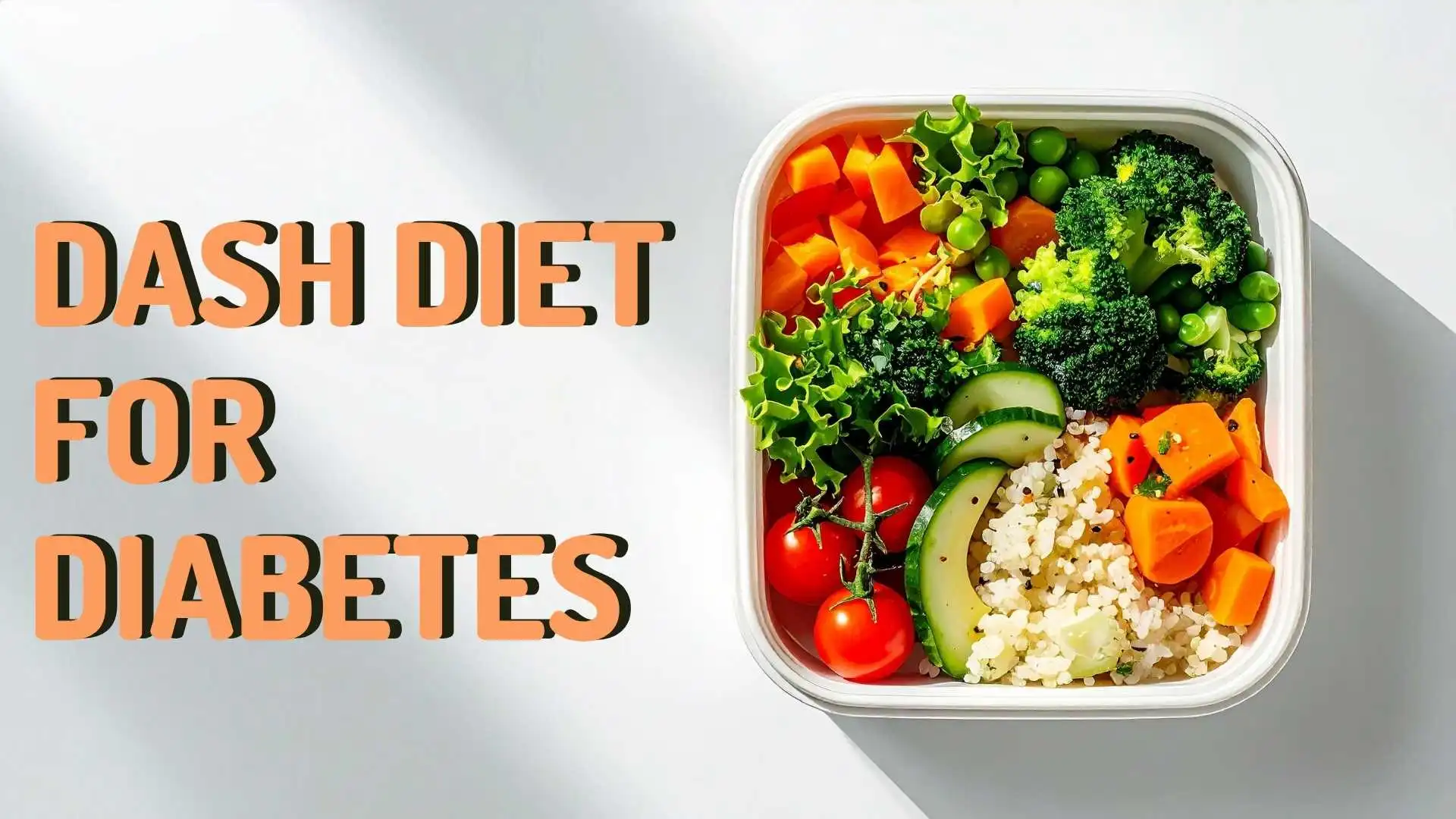
Rohan, a 42-year-old software architect in Bengaluru, recently sat across from a clinical screen that displayed a number he couldn’t ignore: an HbA1c of 8.4%. Like millions of urban Indians, Rohan’s life was a whirlwind of back-to-back Zoom calls, late-night project deployments, and a diet increasingly dominated by quick office-canteen snacks and convenience foods. When his physician mentioned the DASH diet for diabetes, Rohan’s first thought was of restrictive, bland Western meals, kale salads and unseasoned chicken breasts that felt entirely alien to his palate. However, as we explore at DietDekho, the DASH eating plan is not a culinary exile; it is a scientifically robust, culturally adaptable framework that can be seamlessly integrated into the Indian household to manage both blood sugar and the silent killer of hypertension.
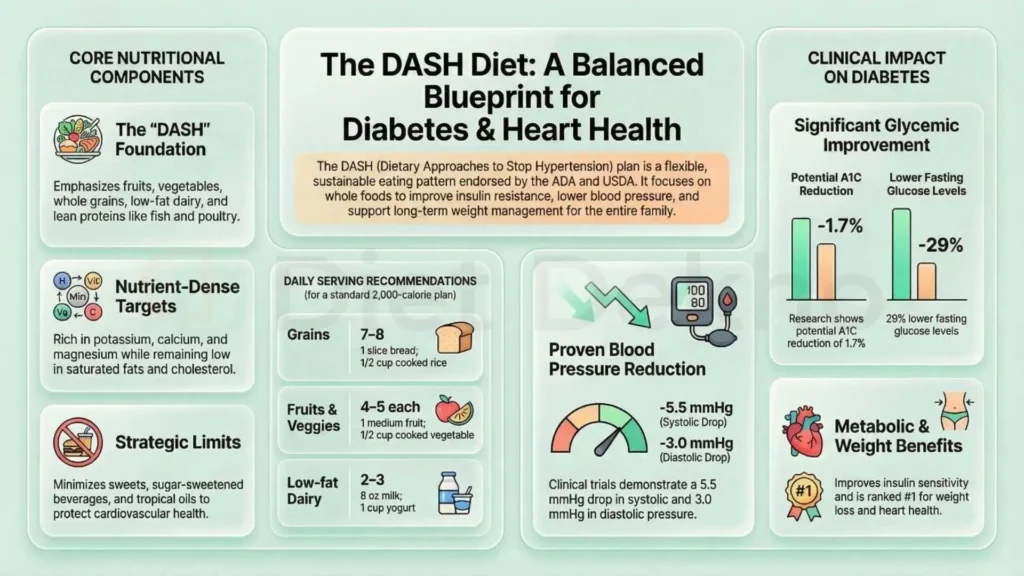
The DASH diet for diabetes is a heart-healthy nutrition plan emphasizing fiber, potassium, magnesium, and calcium to optimize insulin sensitivity and lower blood pressure. By prioritizing Indian staples like millets, pulses, and non-starchy vegetables while strictly limiting sodium and refined sugars, it provides a sustainable roadmap for long-term glycemic control and cardiovascular health.
The Epidemiology of the Metabolic Crisis in India
Table of Contents
- 1 The Epidemiology of the Metabolic Crisis in India
- 2 Deconstructing the DASH Protocol: Biochemistry and Mechanism
- 3 DASH4D: The Clinical Evolution for Diabetes
- 4 The Indianization of DASH: Cultural Synergy
- 5 Navigating the Sodium Paradox in Indian Cuisine
- 6 The 7-Day Indian DASH Roadmap for Diabetes
- 7 Metabolic Movement: Beyond the Gym
- 8 Frequently Asked Questions
- 9 Conclusion: Reclaiming Your Health with DietDekho
The burden of diabetes in the Indian subcontinent has transitioned from a looming threat to a full-scale public health emergency. According to the landmark ICMR-INDIAB-17 study, the prevalence of diabetes in India has reached 11.4%, equating to approximately 101 million individuals. Perhaps more concerning is the prediabetic reservoir of an additional 136 million people who stand on the precipice of clinical diagnosis. This metabolic vulnerability is driven by the Asian Indian Phenotype, a unique physiological profile characterized by a higher percentage of body fat and profound insulin resistance even at relatively low Body Mass Indices (BMI).

The geographical distribution of this epidemic reveals a complex story of demographic transition. Data from PharmEasy Labs, analyzing over 4 million tests, shows a striking state-level heterogeneity. While states like Puducherry report prevalence rates as high as 63%, northern regions like Himachal Pradesh remain lower at 41%. This urban-rural convergence suggests that the sedentary lifestyles and processed-food dependencies once limited to metros are now infiltrating every tier of Indian society.
| Metric | India Statistic (2024-2025) | Clinical Implication |
| Total Diabetic Population | 101 Million | Massive healthcare infrastructure strain |
| Prediabetes Prevalence | 15.3% (136 Million) | Imminent risk of type 2 diabetes surge |
| Undiagnosed Rate | 43% to 50% | High risk of late-stage complications |
| Early Onset | 1 decade earlier than West | Longer duration of hyperglycemia exposure |
| Insulin Resistance (HOMA-IR) | 58% of tested population | Need for specific insulin-sensitizing diets |
The clinical urgency of the DASH diet for diabetes is further highlighted by the fact that nearly 90% of individuals with high blood sugar also exhibit abnormalities in lipid profiles, liver function, or cardiovascular markers. In India, diabetes is rarely an isolated condition; it is almost always a component of a larger metabolic syndrome involving hypertension and dyslipidemia.

Deconstructing the DASH Protocol: Biochemistry and Mechanism
The Dietary Approaches to Stop Hypertension (DASH) eating plan was originally developed by the National Institutes of Health (NIH) to combat high blood pressure. However, over three decades of research have revealed that its benefits extend far beyond the arterial walls. For the diabetic patient, the DASH diet serves as a multi-target metabolic regulator that optimizes glucose homeostasis, reduces oxidative stress, and inhibits systemic inflammation.
The foundational mechanism of the DASH diet for diabetes lies in its micronutrient density. The diet is intentionally rich in potassium, calcium, and magnesium minerals that serve as critical cofactors in insulin signaling and glucose transport. Magnesium, for instance, is required for the proper functioning of the tyrosine kinase enzyme in the insulin receptor. A deficiency in these minerals, common in highly processed diets, can exacerbate insulin resistance and pancreatic β-cell dysfunction.
Furthermore, the high dietary fiber content ranging from 30g to 40g per day acts as a physical and chemical barrier to rapid sugar absorption. Soluble fiber found in Indian dals and millets forms a viscous gel in the small intestine, slowing the action of α-amylase and ensuring a gradual release of glucose into the bloodstream. This prevents the postprandial glycemic spikes that contribute to glycosylation and the eventual damage of small blood vessels in the retina, kidneys, and nerves.
DASH4D: The Clinical Evolution for Diabetes
While the standard DASH diet is exceptionally healthy, researchers at Johns Hopkins University recognized that patients with established type 2 diabetes might require a more nuanced macronutrient balance. This led to the development of DASH4D (DASH for Diabetes), a modified protocol specifically tested for glycemic efficacy. In a randomized crossover clinical trial, the DASH4D model adjusted the original framework by lowering the carbohydrate percentage and increasing healthy unsaturated fats.
The results of the DASH4D study were statistically significant and clinically transformative. Participants following the low-sodium DASH4D diet experienced an average of 75 to 180 additional minutes per day within their target blood glucose range. Furthermore, mean glucose levels were reduced by 11 mg/dl compared to a typical modern diet. For those with the highest baseline blood sugar (HbA1c > 8%), the benefits were even more pronounced, offering a potent non-pharmacological tool to complement medication.
| Nutrient Parameter | Standard DASH Diet | DASH4D (Modified for Diabetes) |
| Carbohydrate Ratio | 55% of total calories | 45% of total calories |
| Fat Source | Primarily low-fat dairy | Enhanced Unsaturated Fats (Oils, Nuts) |
| Potassium Levels | High (4,700 mg) | Adjusted for Renal Safety |
| Sodium Target | 2,300 mg / 1,500 mg | Strictly 1,500 mg for maximum BP effect |
| Fiber Focus | High | Enhanced (Wholegrains, Legumes) |
This modification addresses the specific carb-sensitivity of many Indian patients, ensuring that the diet provides enough energy through healthy fats (like mustard or olive oil) while keeping the insulin demand manageable.

The Indianization of DASH: Cultural Synergy
The biggest myth in Indian nutrition is that heart-healthy diets are synonymous with Western foods like quinoa or avocados. As a senior dietitian at DietDekho, I frequently tell my clients: Your grandmother’s kitchen was already a DASH kitchen; we just need to remove the excess salt and oil. Traditional Indian diets are naturally rich in pulses, seasonal vegetables, and ancient grains, the very pillars of the DASH eating plan.
For more information on the clinical benefits of dietary patterns, visit the National Institutes of Health (NIH) and Harvard Health.
Ancient Grains and the Starch Hack
Modern Indian meals are often dominated by refined wheat (maida) and highly polished white rice, both of which have high Glycemic Indices (GI) that trigger rapid insulin release. The DASH diet for diabetes encourages a return to millets Jowar (Sorghum), Bajra (Pearl Millet), and Ragi (Finger Millet). These grains are not only lower in GI but are rich in the magnesium and potassium central to the DASH protocol.
A significant second-order insight for the Indian consumer is the process of Retrogradation. Research suggests that if you cook rice or potatoes and then refrigerate them for 16–24 hours, the digestible starch is converted into resistant starch . This process reduces the glycemic load by 30-40% even when the food is reheated, making your favorite rice-based meals much safer for blood sugar management.

The Pulse Powerhouse: Bioavailability and Satiety
Pulses (Dals) are the primary protein source for the Indian vegetarian, but they are also exceptionally lente carbohydrates. Foods like Moong Dal, Chana (chickpeas), and Rajma (kidney beans) release their energy slowly over several hours, providing sustained satiety. To maximize the nutritional benefits, DietDekho recommends soaking pulses overnight. This reduces anti-nutritional factors like phytates and tannins, which can inhibit mineral absorption and cause the bloating often associated with high-fiber diets.
| Pulse / Legume Type | Protein (per 100g) | Primary DASH Benefit |
| Moong Dal (Green Gram) | 24g | High bioavailability, easy on digestion |
| Chana (Chickpeas) | 19g | Rich in soluble fiber and folate |
| Rajma (Kidney Beans) | 24g | Strong potassium and magnesium profile |
| Soybean | 36g | Highest protein-to-carb ratio for diabetics |
| Horse Gram (Kulthi) | 22g | Traditional anti-diabetic properties |

The standard Indian diet currently contains 10–12 grams of salt per day more than double the World Health Organization’s recommended limit. While Western diets derive most of their sodium from ultra-processed packaged goods, the Indian challenge is unique: 70–75% of our salt comes from home cooking and traditional accompaniments.
This is the Sodium Paradox. We believe home-cooked food is healthy, yet we inadvertently load it with salt bombs like pickles (achar), papads, and spicy chutneys. For a diabetic patient, this excess sodium pulls water into the bloodstream, increasing blood volume and pressure on the vascular walls. Over time, this accelerates the decline of renal function, a major concern given that India already faces high rates of diabetic nephropathy.
Deconstructing the Salt Bombs
- Pickles (Achar): The traditional brining process uses salt as a preservative. A single tablespoon can contain 300mg of sodium, nearly 20% of the optimal DASH daily limit.
- Papads: These are concentrated sources of alkaline salts and sodium chloride. Commercial brands often range from 1,200mg to 4,000mg of sodium per 100g.
- Street Food & Chaat: Black salt (Kala Namak) and Chaat Masala are heavily used in Bhel Puri and Pani Puri. A single teaspoon of Chaat Masala can contain up to 990mg of sodium.
- Hidden Bakery Sodium: Many sugar-free biscuits or whole-wheat breads contain significant sodium as a dough conditioner or flavor enhancer.
To manage this, the DASH diet for diabetes advocates for Souring Agents. Using Amchoor (dried mango powder), Kokum, tamarind, or fresh lemon can provide a sharp tang that tricks the palate into needing less salt. This simple swap is one of the most effective ways for Indian homemakers to reduce the family’s sodium load without sacrificing flavor.

The 7-Day Indian DASH Roadmap for Diabetes
Success in diabetes management is not found in sporadic efforts but in a consistent, science-backed routine. This plan is designed for the busy professional who needs energy and the homemaker who needs simplicity.
One: The Fiber Foundation
- Early Morning: Warm water with 1 tsp of soaked fenugreek (methi) seeds.
- Breakfast: Vegetable Oats Upma made with steel-cut oats, carrots, and peas + 1 cup of low-fat curd.
- Lunch: 2 Multigrain rotis (Jowar + Whole Wheat) + 1 bowl of Moong Dal + 1 bowl of sautéed Palak (Spinach) + Cucumber salad.
- Evening Snack: 1 cup of unsweetened buttermilk (chaas) + a handful of roasted chana.
- Dinner: Vegetable Daliya with seasonal gourds (Lauki/Tinda) + 1 small bowl of Masoor Dal.
Two: The Protein Power Day
- Early Morning: Cinnamon water (supports insulin sensitivity) + 5 soaked almonds.
- Breakfast: 2 Moong Dal Chillas with ginger and green chili + Mint chutney.
- Lunch: 1 cup Brown Rice + 1 bowl of Rajma + Mixed vegetable stir-fry (Bhindi/Beans).
- Evening Snack: 1 medium apple or pear.
- Dinner: Grilled low-fat Paneer or Tofu stir-fry with broccoli and bell peppers.
Three: The Millet Magic
- Early Morning: Warm lemon water (no sugar).
- Breakfast: Vegetable Poha with curry leaves and peanuts (avoid potatoes).
- Lunch: 1 Bajra Roti + 1 bowl of Chana Masala (low oil) + Steamed Lauki.
- Evening Snack: A handful of walnuts + green tea.
- Dinner: Quinoa Khichdi with Moong Dal and mixed vegetables + 1 small bowl of curd.
Four: The Fermented Gut Health Day
- Early Morning: Tulsi and ginger water.
- Breakfast: 2 Ragi Idlis + Vegetable Sambar (rich in drumstick and pumpkin).
- Lunch: 1 Millet Roti + Tur Dal + Cabbage and Peas Poriyal.
- Evening Snack: Roasted Makhana (Fox Nuts) with black pepper.
- Dinner: Vegetable Clear Soup + Grilled Chicken or Fish (for non-veg) or Soya stir-fry with spinach.
Five : The Heart-Healthy Fat Focus
- Early Morning: Plain warm water + 5 soaked almonds.
- Breakfast: Vegetable Upma made with cracked wheat (Daliya) + 1 cup buttermilk.
- Lunch: 1 cup Brown Rice + Masoor Dal + Okra (Bhindi) sautéed in mustard oil.
- Evening Snack: 1 bowl of papaya or watermelon.
- Dinner: 1 Whole Wheat Phulka + 1 bowl of Palak Paneer (low fat) + Salad.
Six : The Low-GI Rotation
- Early Morning: Jeera (Cumin) water.
- Breakfast: Scrambled eggs (egg whites) with onions and tomatoes + 1 slice multigrain toast.
- Lunch: 2 Multigrain Rotis + Mixed Dal + Beans and Carrot stir-fry.
- Evening Snack: 1 cup of green tea + 1 pear.
- Dinner: Vegetable Stew with 1 whole wheat appam or ragi phulka.
Seven: The Sunday Satiety Plan
- Early Morning: Warm water with lemon.
- Breakfast: 1 Ragi Dosa with tomato-garlic chutney.
- Lunch: Vegetable Khichdi (Millet-based) + Cucumber raita + 1 small bowl of Soya bhurji.
- Evening Snack: Sprouts Chaat with lemon and fresh coriander.
- Dinner: Grilled vegetables with low-fat paneer cubes or grilled fish.

Metabolic Movement: Beyond the Gym
For the busy Indian professional or homemaker, the idea of a 60-minute gym session is often unrealistic. However, the DASH diet for diabetes is significantly more effective when combined with glucose-clearing movements. Any activity that raises the heart rate forces the muscles to use glucose for fuel, improving insulin sensitivity without the need for high doses of medication.
The American Diabetes Association (ADA) recommends at least 150 minutes of moderate aerobic activity and two days of muscle-strengthening exercises per week. For our audience, these can be achieved entirely at home through Micro-Workouts.
| Activity | Recommendation | Metabolic Benefit |
| Post-Meal Walking | 15–20 Mins (30 min after eating) | Reduces postprandial sugar spikes |
| Wall Push-Ups | 3 Sets of 10 Reps | Builds upper body strength safely |
| Chair Squats | 3 Sets of 12 Reps | Uses the body’s largest muscle groups to burn sugar |
| Yoga (Surya Namaskar) | 5–10 Repetitions | Combines cardio, flexibility, and stress reduction |
| Household Gardening | 20–30 Minutes | Functional movement, stretching, and Vitamin D |
| Floor Bridges | 2 Sets of 15 Reps | Strengthens core and lower body |
Consistency is the key. Research shows that even 12 minutes of bodyweight training at home can improve HbA1c levels and preserve muscle mass, which is critical as we age.

Frequently Asked Questions
1. Is the DASH diet better than the Mediterranean diet for diabetes?
Both are excellent, but the DASH diet has more precise guidelines regarding sodium and mineral intake (calcium, magnesium), making it slightly more targeted for those who also struggle with high blood pressure.
2. Can I eat mangoes on the DASH diet?
Yes, but portion control is essential. Fruits like mangoes and grapes are high in natural sugars (fructose). The DASH diet recommends limiting these to small servings and prioritizing low-GI fruits like apples, guavas, and berries.
3. I am a strict vegetarian. Can I still follow the DASH diet?
Absolutely. The DASH diet is highly flexible. You can get all your protein from dals, legumes, sprouts, paneer, and tofu. In fact, plant-based DASH patterns often show superior results in reducing inflammation.
4. How soon can I see results in my blood sugar?
Many patients observe improvements in their fasting blood glucose within 2 to 4 weeks of consistent adherence. However, significant changes in HbA1c typically require 3 months, reflecting the average lifespan of a red blood cell.
5. Do I need to stop taking my diabetes medication to start DASH?
Never stop or adjust medication without consulting your doctor. As your blood sugar improves through the DASH diet, your physician may choose to reduce your dosage, but this must be a supervised medical decision.

Conclusion: Reclaiming Your Health with DietDekho
The DASH diet for diabetes is not a temporary fix or a restrictive fad; it is a sustainable lifestyle shift that empowers you to take control of your metabolic destiny. By understanding the Asian Indian Phenotype and adapting global clinical research to our local flavors replacing salt with amchoor, and white rice with Jowar we can turn the tide on the diabetes epidemic.
The science is clear: adherence to this pattern can lower blood pressure, stabilize glucose, and protect your heart for decades to come. Remember, every small change you make in your kitchen today like soaking your dal or choosing a 15-minute walk over a sedentary evening is a deposit into your long-term health bank.
Ready to personalize your DASH journey?
At DietDekho.com, our expert dietitians are ready to help you craft a meal plan that fits your work schedule, your family’s taste buds, and your health goals. Start your transformation today and move from surviving with diabetes to thriving beyond it.

Abhinav is the Founder of Diet Dekho, helping people manage weight and lifestyle health through simple, practical nutrition and personalized diet plans.