Trying to follow a diet plan for weight loss while balancing a demanding career, family responsibilities, and the constant lure of a hot samosa can honestly feel overwhelming. I know it’s hard to find time, harder to filter advice, and exhausting to feel judged for every food choice. Somewhere between endless scrolling and pressure to look a certain way, we forget one simple thing: health should feel like home, not like a daily punishment.
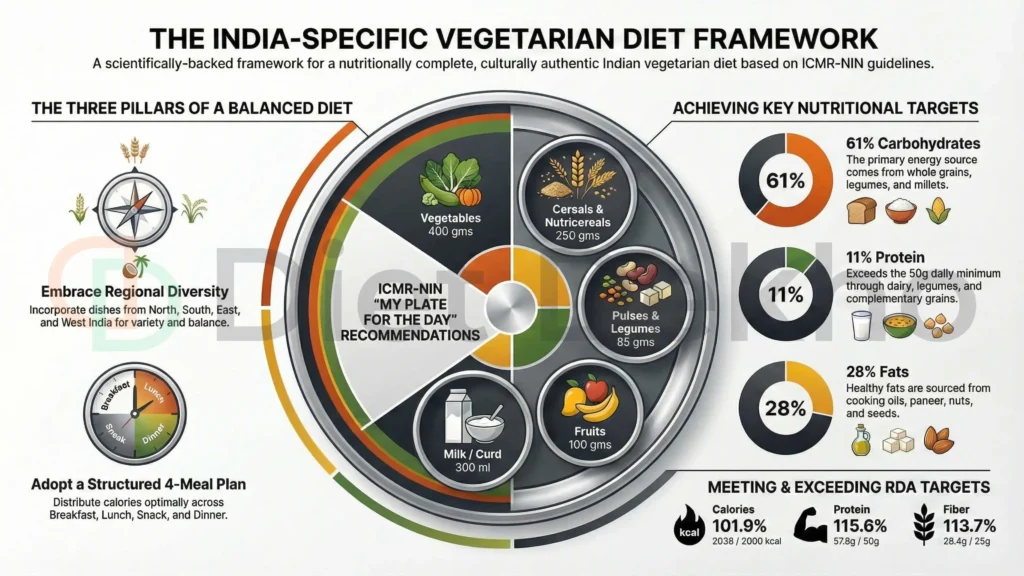
Finding a sustainable diet plan for weight loss is not about cutting calories aggressively or surviving on boiled food. What this really means for your daily routine is learning how to eat in a way that gives you energy, supports your hormones, and fits into a busy Indian lifestyle. A realistic diet plan for weight loss focuses on nutrient-dense, familiar foods and a gentle calorie reduction, aiming for steady progress of about 0.5 to 1 kg per week. This approach protects your metabolism, keeps cravings manageable, and helps results actually last instead of bouncing back.
Structured Indian Diet Plan for Weight Loss Options
Table of Contents
- 1 Structured Indian Diet Plan for Weight Loss Options
- 2 Creating an Effective Weight Loss Diet Plan Chart
- 3 High-Protein Foods for Your Weight Loss Diet Plan
- 4 Weight Loss Drinks Explained Simply
- 5 Fast Weight Loss: What to Know Before Trying
- 6 Choosing the Right Diet Plan for Weight Loss with Health Conditions
- 7 Lifestyle and Eating Habits That Make Weight Loss Easier
- 8 Frequently Asked Questions (FAQs)
- 9 Contact Us
- 10 Disclaimer
7 Day Diet Plan for Weight Loss
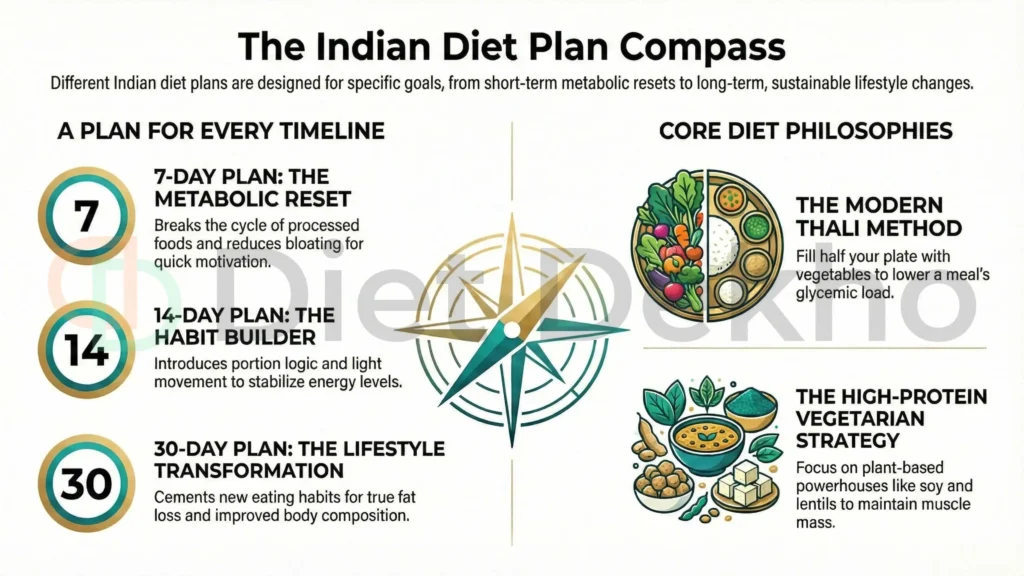
The 7 day diet plan for weight loss is ideally suited for those looking to kickstart their journey by breaking the cycle of ultra-processed food (UPF) consumption. This short-term gateway focuses on immediate hydration and a sharp reduction in sodium, which helps the body shed excess water weight and reduce visible bloating. For a busy Indian professional, this plan typically includes simple, home-cooked staples like moong dal khichdi and vegetable soups. The goal here is not long-term fat loss, but a metabolic reset that makes you feel lighter and more motivated.
14 Day Diet Plan for Weight Loss
Moving into a 14 day diet plan for weight loss marks the transition from a detox phase to a habit-building phase. This plan is for individuals who have completed a kickstart and are ready to introduce light movement, such as 20-minute brisk walks, alongside their nutrition. At this stage, the body begins to stabilize its insulin response, meaning you will likely notice fewer mid-afternoon energy crashes. We focus on portion logic, ensuring that your lunch thali is balanced with enough protein to prevent evening hunger.
Choosing a 30 Day Diet Plan for Weight Loss
A 30 day diet plan for weight loss is the gold standard for true lifestyle transformation. It takes approximately 21 to 30 days of consistency to cement new neural pathways around eating habits. This plan is designed for those committed to seeing actual fat loss and improved body composition. By the third and fourth weeks, your basal metabolic rate (BMR) begins to adapt, and healthy choices start to feel like second nature rather than a daily struggle. It incorporates a wider variety of Indian grains and proteins to ensure you never feel deprived.
Weekly Diet Chart for Weight Loss
A weekly diet chart for weight loss acts as a logistical map for the time-poor individual. It helps eliminate decision fatigue, which is the leading cause of ordering unhealthy takeout after a long workday. By planning your week, you can ensure that protein-rich ingredients like soaked sprouts or marinated paneer are ready in your fridge. This chart focuses on rotating different lentils and seasonal vegetables to provide a full spectrum of micronutrients.
Monthly Weight Loss Diet Plan
The monthly weight loss diet plan is designed for sustainable, long-term success, focusing on a safe 2-4 kg weight reduction over four weeks. This approach is best for individuals managing long-term health goals who want to avoid the yo-yo effect of crash diets. It allows for mindful indulgence, such as a small portion of a favorite sweet once a week, preventing the feeling of restriction that leads to consuming excessively later.

Indian Diet Plan for Weight Loss
An Indian diet plan for weight loss celebrates our traditional food wisdom while adjusting for modern, sedentary lifestyles. This plan is for the “thali lover” who wants to enjoy dal, sabzi, and roti without the guilt. According to data from the NCBI, abdominal obesity is a rising concern in India, affecting 40% of women. The logic centers on the Plate Method, where half the plate is filled with non-starchy vegetables to lower the overall glycemic load of the meal.
Vegetarian Diet Plan for Weight Loss
The vegetarian diet plan for weight loss is a high-protein strategy tailored for those who do not consume meat or eggs. It focuses on plant-based powerhouses like soy chunks, which offer 52g of protein per 100g, and pulses like masoor and moong dal. For the Indian vegetarian, maintaining muscle mass is key to keeping the metabolism active during weight loss. This plan balances these proteins with complex carbohydrates like bajra or jowar to ensure satiety.
Creating an Effective Weight Loss Diet Plan Chart
Diet Chart for Weight Loss

A diet chart for weight loss provides the essential rules of engagement for your daily meals. It defines when to eat and how much, emphasizing the importance of not skipping breakfast to keep your metabolism active.
Structure: Focuses on small, frequent meals every 3-4 hours to stabilize blood sugar.
Balance: Every meal must have a fiber, protein, and complex carb component.
Timing: Encourages a heavy lunch and a light dinner before 8 PM to align with your body’s circadian rhythm.
Weight Loss Meal Plan
A weight loss meal plan is the practical application of your diet chart, translated into actual food on your plate.
Balance: Uses the 3:2:1 rule—3 parts grains, 2 parts dal/sabzi, and 1 part salad/curd.
Efficiency: Encourages batch-cooking lentils and chopping vegetables on Sundays to save time during the week.
Flexibility: Offers swaps for those who might be traveling or eating at a social event.
Weight Loss Diet Chart Indian
The weight loss diet chart Indian style is specifically designed to navigate the high-carb nature of traditional meals. According to the RSSDI Guidelines, managing the glycemic load is essential for metabolic health.
Grain Swap: Recommends brown rice, ragi, or oats over white rice and maida.
Thali Balance: Half the plate should be seasonal sabzis like lauki or bhindi.
Fat Control: Uses a brush for ghee or oil instead of pouring, saving hundreds of hidden calories.

Healthy Meal Plan for Weight Loss
A healthy meal plan for weight loss prioritizes nutrient density over mere calorie counting. It ensures your body receives the Zinc, Selenium, and Vitamin D it needs to keep your hormones in balance.
Focus: Includes superfoods like walnuts, flaxseeds, and green leafy vegetables.
Hydration: Includes 2.5–3 liters of water to aid metabolism and skin health.
Quality: Replaces fat-free packaged snacks with whole nuts and seeds.
Balanced Diet Chart for Weight Loss
The balanced diet chart for weight loss is about the harmony of macronutrients—aiming for roughly 45-55% carbs, 15-25% protein, and 20-30% healthy fats.
Macro-Balance: Ensures you aren’t over-consuming fats in the form of heavy tadkas.
Micronutrients: Prioritizes colorful plates to ensure a wide range of antioxidants.
Sustainability: Focuses on foods you actually enjoy so you don’t quit after a week.
High-Protein Foods for Your Weight Loss Diet Plan

Weight Loss Foods
In a typical Indian kitchen, weight loss foods are those that provide high volume with low calories.
Lauki (Bottle Gourd): 92% water and only 20 calories per 100g, making it incredibly hydrating.
Palak (Spinach): High in fiber and iron, perfect for keeping you full and energized.
Papaya: Contains enzymes that aid digestion and reduce bloating.
Makhana: A great low-calorie crunch to replace deep-fried namkeen.
Foods for Weight Loss
Choosing the right foods for weight loss means picking items that naturally curb your hunger.
Millets (Ragi/Bajra): Slow-release energy that prevents insulin spikes.
Sprouts: Pre-digested protein that is easy on the gut and high in fiber.
Curd: A natural probiotic that improves the gut-brain axis for better appetite control.
Cucumber: The ultimate zero-effort weight loss snack.
Fat Burning Foods
While no food “melts” fat, fat burning foods are those that increase thermogenesis—the heat production in your body.
Black Pepper: Contains piperine, which can enhance metabolism.
Ginger: Known to stimulate “Agni” (digestive fire) and improve metabolic activity.
Turmeric: Contains curcumin which reduces the chronic inflammation often associated with obesity.
Cinnamon: Helps regulate blood sugar levels, reducing the “storage” signal to your fat cells.

Low Calorie Foods for Weight Loss
Low calorie foods for weight loss allow you to eat larger portions without exceeding your energy budget.
Moong Dal Soup: Filling, protein-rich, and under 160 calories.
Vegetable Dalia: High in fiber and very low in calorie density.
Buttermilk (Chaas): A refreshing way to stay full for only 40-50 calories per glass.
Egg Whites: Pure protein with almost zero fat and only 17 calories per white.
High Protein Foods for Weight Loss
High protein foods for weight loss are essential for preserving the muscle mass that keeps your metabolic rate high.
Soy Chunks: The vegetarian king of protein, offering more protein than chicken per 100g.
Paneer (Low Fat): A versatile staple that provides calcium and long-lasting satiety.
Sattu: A traditional roasted gram flour that is a fantastic, cheap protein source.
Chicken Breast/Fish: Excellent lean options for non-vegetarians.
Weight Loss Drinks Explained Simply
Weight Loss Drinks
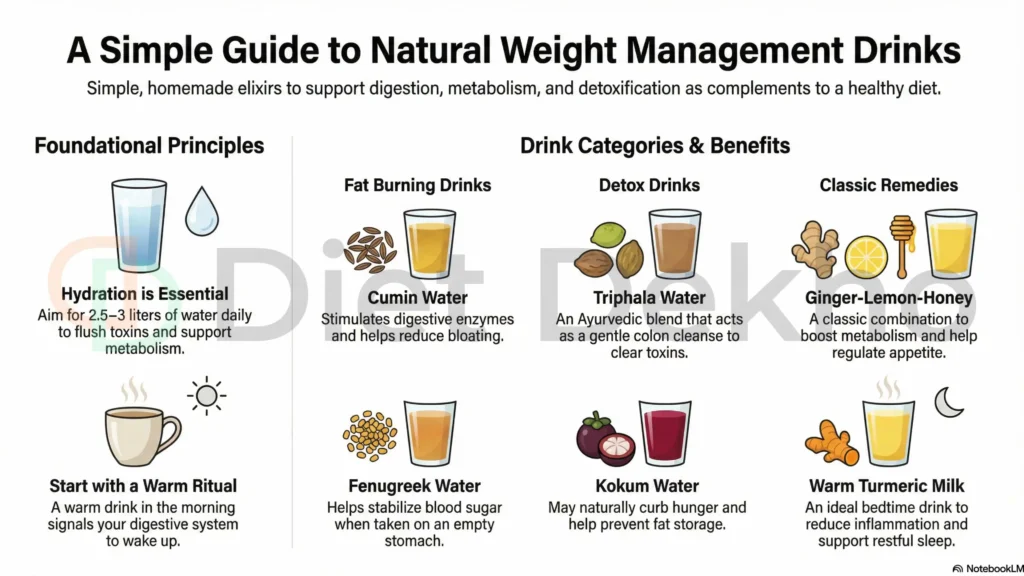
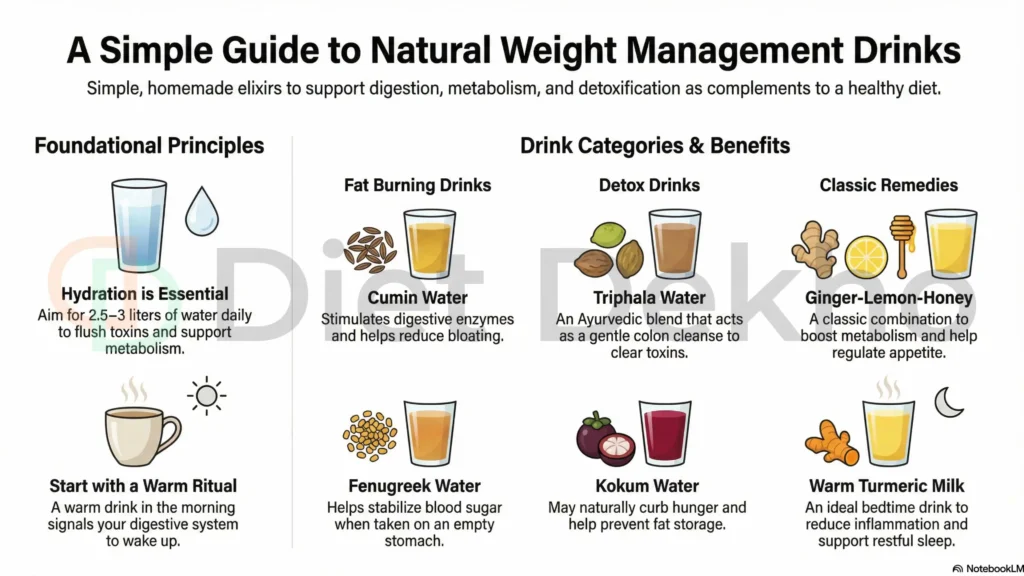
Effective weight loss drinks are simple, homemade elixirs that support your body’s natural processes.
Hydration Rule: Aim for 2.5–3 liters of water daily to flush toxins and support metabolism.
The Ritual: Starting your day with a warm drink signals your digestive system to wake up.
Expectations: These drinks help with bloating and digestion but won’t compensate for a poor diet.
Drinks for Weight Loss
Drinks for weight loss should always be sugar-free and naturally sourced.
Green Tea with Tulsi: Rich in catechins that can slightly boost fat oxidation.
Coconut Water: A natural electrolyte-rich drink that is far better than sugary sports drinks.
Vegetable Juice: Freshly pressed (not packaged) juices like lauki or tomato juice.
Fat Burning Drinks
Traditional fat burning drinks focus on spices that stimulate the metabolic rate.
Jeera (Cumin) Water: Helps secrete digestive enzymes and reduces bloating.
Ajwain (Carom) Water: Specifically effective for water retention and gut health.
Fenugreek (Methi) Water: Excellent for stabilizing blood sugar if taken on an empty stomach.

Detox Drinks for Weight Loss
Detox drinks for weight loss focus on clearing Ama (toxins) from the gut.
Triphala Water: A traditional Ayurvedic blend that acts as a gentle colon cleanse.
Lemon Water: A simple way to detoxify the liver and provide a Vitamin C boost.
Kokum Water: Contains HCA, which may naturally curb hunger and prevent fat storage.
Homemade Weight Loss Drinks
Creating homemade weight loss drinks ensures you avoid the preservatives found in store-bought options.
Ginger-Lemon-Honey: A classic for driving thermogenesis and regulating appetite.
Warm Turmeric Milk: Great before bed to reduce inflammation and support sleep.
Herbal Tea: Infusions of cinnamon or fennel to curb late-night sugar cravings.
Fast Weight Loss: What to Know Before Trying
Fast Weight Loss Diet
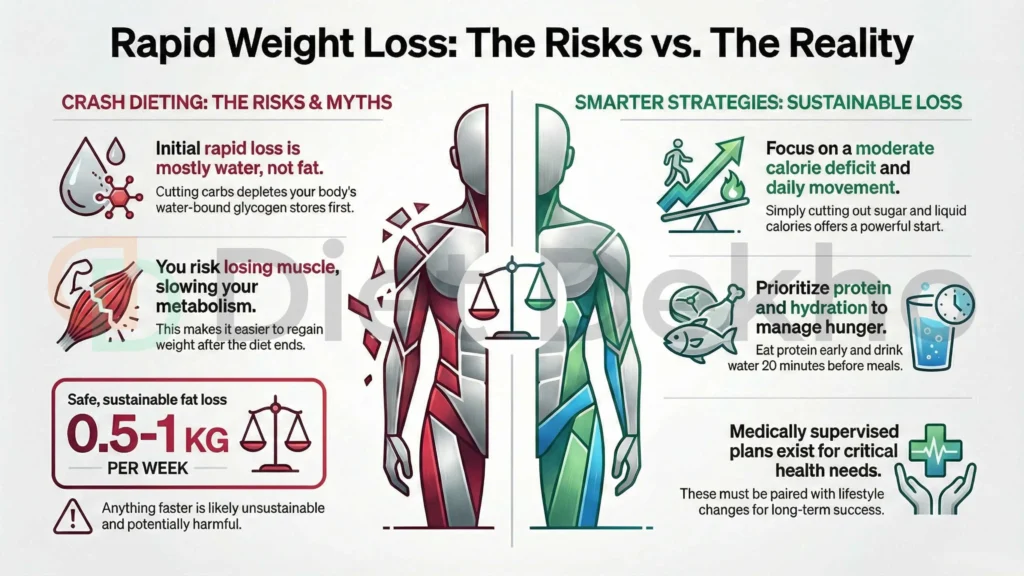
A fast weight loss diet often results in a rapid drop on the scale during the first week, but this is largely water weight. When you cut carbs, your body uses its stored glycogen, which is bound to water.
Reality Check: Safe fat loss is 0.5-1 kg per week.
Who to Avoid: Anyone with a history of heart or kidney issues should avoid rapid plans.
Diet for Quick Weight Loss
Searching for a diet for quick weight loss is common, but crash diets can permanently slow your metabolic rate.
The Risk: You may lose muscle instead of fat, making it easier to gain the weight back later.
The Signs: If a plan suggests under 1000 calories or cuts out entire food groups, it is likely unsustainable.

Lose Weight Fast Naturally
To lose weight fast naturally, you must combine a moderate calorie deficit with increased daily movement (NEAT).
The Secret: Cutting out sugar and liquid calories alone can result in a noticeable drop.
Protein is Key: Eating 30g of protein within 30 minutes of waking up can drastically reduce cravings.
Hydration: Drinking water 20 minutes before meals naturally reduces your calorie intake.
Rapid Weight Loss Plan
In medical contexts, a rapid weight loss plan might be necessary for those with Stage 2 obesity and related complications.
Clinical Tools: In 2026, doctors are increasingly using GLP-1 medications like semaglutide for medically necessary weight loss.
Support: These must be paired with aggressive lifestyle modification to ensure long-term success.
Choosing the Right Diet Plan for Weight Loss with Health Conditions
Weight Loss Diet for Women
For Indian women, a weight loss diet for weight loss often centers on managing abdominal obesity. Data from the mohfw suggests that 5–6 out of 10 women in their 30s-40s are abdominally higher weight.
Hormonal Factor: Muscle mass tends to be lower in women, making protein intake even more critical.
Lifestyle: Busy homemakers and professionals must prioritize sleep to keep hunger hormones in check.
Weight Loss Diet for Men
A weight loss diet for men typically focuses on whole food, plant-based (WFPB) strategies that include lean animal proteins.
Metabolic Edge: Men often have a higher BMR, allowing for slightly larger portions of complex carbs.
Strategy: Combine a protein-rich diet with strength training to preserve muscle.
Weight Loss Diet for Thyroid
Managing weight with hypothyroidism requires a diet that supports the conversion of T4 to T3 hormones.
Iodine: Ensure you use only iodized salt as your primary seasoning.
Goitrogens: You do not need to avoid gobhi or saag; just ensure they are cooked.
Timing: Keep a 3-4 hour gap between your thyroid medication and soy or fiber-rich meals.

Weight Loss Diet for PCOS
For those with PCOS, the main goal of a diet plan for weight loss is fighting insulin resistance through a low Glycemic Index (GI) diet.
The Plate: Half the plate should be fiber-rich vegetables to slow sugar absorption.
Key Foods: Include cinnamon, flaxseeds, and methi water to improve insulin sensitivity.
Avoid: Reduce refined carbs and sugary drinks to prevent insulin spikes that trigger excessive consumption.
Weight Loss Diet for Diabetes
The 2025 RSSDI guidelines emphasize the critical role of fiber and the reduction of refined grains in managing diabetes.
The Shift: Move from white rice to millets like bajra or jowar to prevent blood sugar spikes.
Routine: Small, frequent meals are essential to avoid hypoglycemia and overeating.
Monitoring: Work closely with a professional to adjust your macros as your medications change.
Lifestyle and Eating Habits That Make Weight Loss Easier
Healthy Diet for Weight Loss
A healthy diet for weight loss is built on the foundation of fresh, home-cooked Indian meals.
Home Over Restaurant: Cooking at home allows you to control hidden sugar and low-quality oils.
Simple Swaps: Use stevia or small amounts of jaggery instead of refined white sugar.
Consistency: It’s about what you do 80% of the time, not 100% of the time.
Lifestyle Changes for Weight Loss
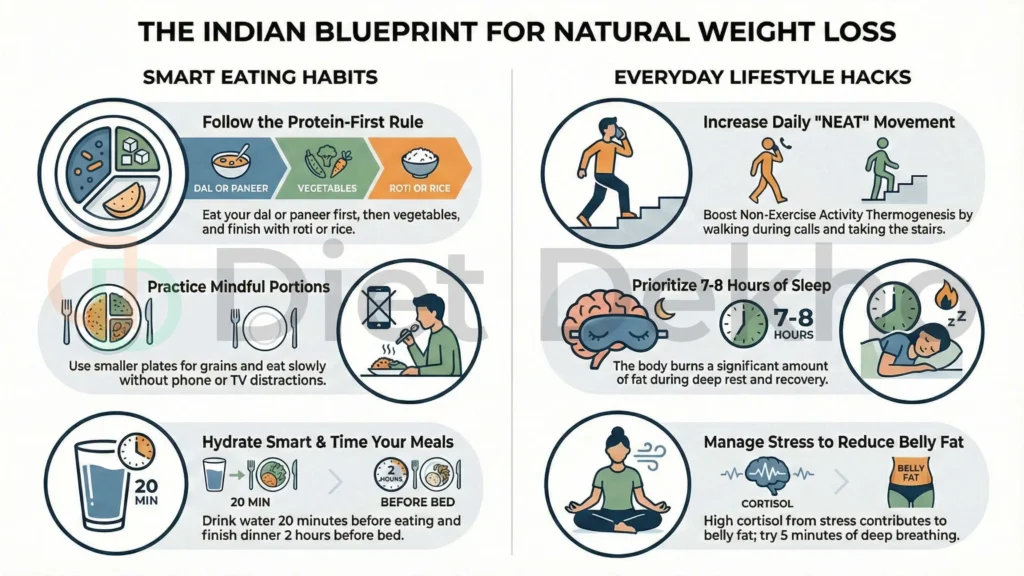
Losing weight without a gym is entirely possible by focusing on NEAT (Non-Exercise Activity Thermogenesis).
Movement Hacks: Walk while on phone calls, take the stairs, and do 10 minutes of stretching between meetings.
Sleep Health: Aim for 7-8 hours of sleep; the body burns a significant amount of fat during rest.
Stress Management: High cortisol levels lead to belly fat; find 5 minutes for deep breathing.
Weight Loss Tips at Home
You can transform your health right in your living room with these simple weight loss tips at home.
Mindful Eating: Eat without your phone or TV; chewing slowly helps you realize when you are 80% full.
Smaller Plates: Use a katori-sized portion for grains and a larger bowl for your sabzi.
Smart Snacking: Keep roasted makhana or chana ready so you don’t reach for a packet of chips.
Eating Habits for Weight Loss
Long-term success depends on the eating habits for weight loss that you build over time.
Protein-First: Eat your dal or paneer first, then your sabzi, and finish with your roti/rice.
Hydration: Drink a glass of water 20 minutes before you eat.
The 8 PM Rule: Try to finish your last meal at least 2 hours before you go to bed.
Key Takeaways
Plate Balance: Follow the 3:2:1 rule—50% grains, 35% protein/dal, and 15% salad/curd.
Safe Pacing: Aim for a steady 0.5–1 kg per week for sustainable fat loss.
Traditional Wisdom: Use jeera water and methi water to support digestion naturally.
Thyroid/PCOS Care: Cook your cruciferous veggies and focus on low-GI foods for balance.
Home Advantage: Prioritize home-cooked meals to eliminate hidden calories from refined fats.
Sleep is Fuel: Get 7–8 hours of rest to keep your hunger-regulating hormones balanced.
Frequently Asked Questions (FAQs)
What is a realistic diet plan for weight loss in one month?
I know it’s tempting to want fast results, but let’s keep this doable. A realistic and healthy target is 2 to 4 kg per month. Crash diets often show quick drops, but that’s mostly water and muscle, not fat. What this means for your daily routine is simple meals, controlled portions, and consistency. A balanced Diet Plan for Weight Loss based on Indian foods works far better for long-term fat loss.
Is rice allowed in an Indian diet plan for weight loss?
Yes, rice is allowed. You don’t need to fear it. Choose brown or unpolished rice, limit it to one-quarter of your plate, and always pair it with vegetables and protein like dal or curd. I know giving up rice feels impossible for many households, but portion control matters more than complete avoidance in a sustainable Diet Plan for Weight Loss.
Can I lose weight without going to the gym?
Absolutely. Weight loss doesn’t start in the gym, it starts in your daily habits. NEAT activities like walking while talking on the phone, using stairs, or staying active at home add up. When these movements are paired with a structured Diet Plan for Weight Loss, steady fat loss is very much possible even without formal workouts.
Are detox drinks actually effective for fat burning?
Let’s simplify this. Drinks like jeera water or methi water help digestion and reduce bloating, but they do not burn fat on their own. Think of them as support tools, not magic solutions. Real results come only when these are combined with a balanced, calorie-controlled Diet Plan for Weight Loss.
What is the best breakfast for an Indian weight loss plan?
Breakfast should keep you full and calm your cravings. A high-protein breakfast does exactly that. Options like moong dal chilla, paneer bhurji, or egg whites prevent mid-morning hunger and energy crashes. This small habit makes it much easier to stick to your Diet Plan for Weight Loss through the day.
How does sleep affect my weight loss progress?
Sleep plays a bigger role than most people realise. Poor sleep increases hunger hormones and reduces fullness signals. That’s why cravings hit harder after a bad night. Lack of sleep also drains motivation, making it harder to follow your Diet Plan for Weight Loss consistently.
Do I need to avoid dairy if I have PCOS?
Not necessarily. If you tolerate dairy well, curd and low-fat paneer can be included in moderation. They provide protein, which supports fullness and helps with hormone balance. For PCOS, consistency and balance matter more than cutting entire food groups from your Diet Plan for Weight Loss.
Why does my weight fluctuate so much day-to-day?
This is very common, so don’t panic. Daily weight changes usually come from water retention, not fat gain. Salt intake, hormones, digestion, and hydration all affect the scale. True fat loss shows up as a slow downward trend over weeks, not daily drops, even on a well-followed Diet Plan for Weight Loss.
Contact Us
We understand how overwhelming nutrition and weight loss information can feel. With so many opinions and confusing advice online, it’s easy to feel stuck or unsure about what to do next.
At Diet Dekho, you never have to figure it out alone. You can contact us anytime with any questions or concerns. Our expert dietitians are available 24/7 to guide, support, and help you stay on track. Whether your goal is weight loss or building healthier habits, we’re here to make the journey simpler and more sustainable for you.
Disclaimer
This blog is intended to help readers make healthier food choices. Your health should always be the top priority. Before starting any restrictive or special diet, especially if you have a medical condition or health concern, please consult a doctor or a qualified dietitian. Each body responds differently to food and lifestyle changes. Always choose what is safe and suitable for you.

Abhinav is the Founder of Diet Dekho, helping people manage weight and lifestyle health through simple, practical nutrition and personalized diet plans.