Are you tired of doing everything right—skipping the sweets and drinking the water—only to find that your weight hasn’t budged an inch? I know it’s hard to find time for the gym between work meetings and family duties, making a fast weight loss diet feel like an impossible dream. However, starting a fast weight loss diet is much simpler when you follow a structured Indian weight loss plan that respects your busy schedule.
The Short Answer to Fast Weight Loss A successful fast weight loss diet in India involves creating a sustainable 500–1,000 calorie deficit while prioritizing high-protein, fiber-rich local foods like millets, pulses, and leafy greens. By stabilizing insulin through low-glycemic swaps and staying hydrated, you can achieve rapid results while managing conditions like PCOS or diabetes without feeling starved.
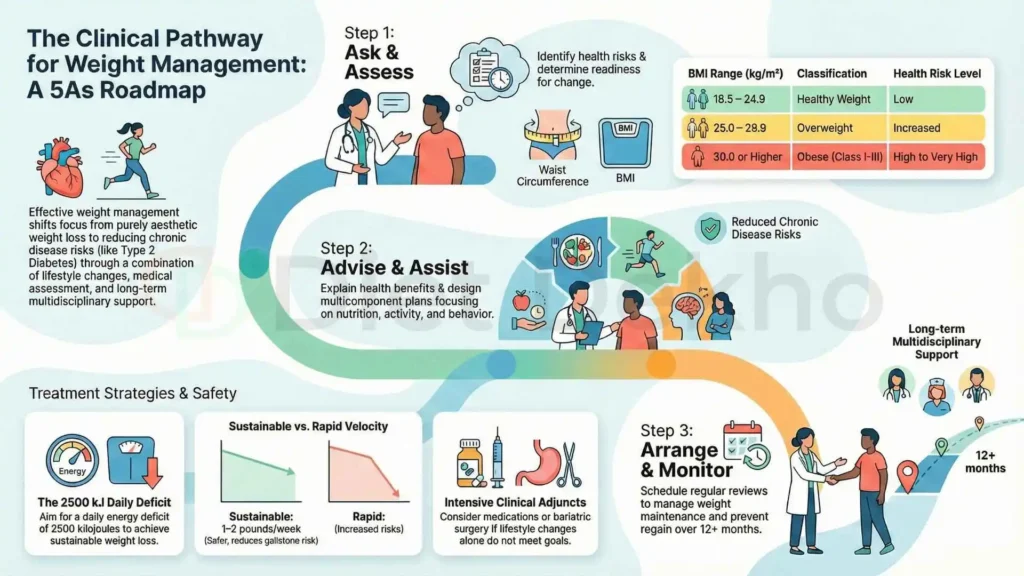
Why is it so hard to see results from a fast weight loss diet?
Table of Contents
- 1 Why is it so hard to see results from a fast weight loss diet?
- 2 The frustration of following a quick weight loss plan without seeing the scale move
- 3 Common myths: Why eating less isn’t the same as a rapid fat loss diet
- 4 The science of fat loss: Understanding metabolism and an Indian weight loss plan
- 5 Practical food solutions: Swapping staples for fast-track weight reduction
- 6 A sample 7-day structure: Your journey to sustainable fat loss
- 7 Common mistakes: Why skipping meals ruins a fast weight loss diet
- 8 Small wins matter: Why slow progress is still progress.
- 9 Take the first step: Book a consultation with a Diet Dekho nutritionist today.
- 10 FAQs for Fast Weight Loss in India
- 11 Contact Us
- 12 Disclaimer
The frustration usually starts when the initial excitement fades. In simple terms, your body has an evolutionary power-saving mode called metabolic adaptation. Consequently, when you start a quick weight loss plan, your body thinks it is starving and starts burning fewer calories to survive.
For many Indians, this is even trickier because of the skinny fat phenotype. This means you might look thin, but your body could be carrying high levels of internal fat around your organs. Furthermore, recent data show that unhealthy diets now account for over 56% of the disease burden in India, making it harder for our metabolisms to function properly.
Let’s simplify this: if your metabolism is shut down due to stress or lack of sleep, even the most restrictive fast weight loss diet won’t show results until you address the internal environment first. Indeed, a rapid fat-loss diet requires metabolic safety to work effectively.
The frustration of following a quick weight loss plan without seeing the scale move
It is heartbreaking to step on the scale after a week of discipline only to see the same number. But here is some hope: a Harvard study found that nearly 28% of people are weight loss-resistant but still see significant health improvements, such as better cholesterol and less hunger.
What this means for your daily routine is that the scale is often a liar. Specifically, you might be losing dangerous visceral fat (the kind around your belly) while your weight stays the same because your body is holding onto water or building a little muscle. Similarly, this metabolic shift is a win for your long-term health, even if the number doesn’t move immediately.
| Metabolic Marker | Impact of Every 1kg Loss | Health Significance |
| Good Cholesterol (HDL) | +1.44% | Heart protection |
| Triglycerides | -1.37% | Clearer arteries |
| Satiety (Leptin) | -2.79% | Less hunger |
If you are managing PCOD or thyroid, your hormones are actively fighting to store fat. For you, success might look like better periods or more energy before it shows up as a lower number on the scale. Therefore, staying consistent with your fast-track weight reduction is vital.

Common myths: Why eating less isn’t the same as a rapid fat loss diet
In many Indian homes, dieting means eating just one roti or skipping breakfast. However, this is actually the fastest way to crash your metabolism and stall your Indian weight loss plan.
The Ghee Myth : I know you’ve been told to stay away from fat, but pure desi ghee in moderation (1-2 teaspoons) can actually help your metabolism. Notably, it contains something called CLA, which research suggests can help lower body fat.
The Diet Food Trap: Think about those lite biscuits or digestive rusks you have with your chai. These are nutritional ninjas often loaded with hidden sugars and maltodextrin that spike your insulin. In fact, four or five Marie biscuits can equal a whole teaspoon of sugar. This is why a fast weight loss diet must focus on whole foods instead.
The science of fat loss: Understanding metabolism and an Indian weight loss plan
To make a rapid fat loss diet work, we have to talk about insulin. Specifically, when you eat a big bowl of white rice, your insulin spikes, telling your body to lock your fat cells and store more energy.
The Indian Council of Medical Research (ICMR) suggests that we should get no more than 45% of our calories from cereals. Additionally, we need to leverage protein to stay full. Protein has a high thermic effect, meaning your body burns more calories just digesting a bowl of dal than it does a bowl of rice. By incorporating these balances, your Indian weight loss plan becomes biologically efficient.
| Food Group | Weight Loss Target | Indian Example |
| Carbohydrates | 45% – 55% | Jowar, Bajra, Oats |
| Proteins | 15% – 25% | Paneer, Soya, Eggs |
| Healthy Fats | 20% – 30% | Walnuts, Seeds, Ghee |
Practical food solutions: Swapping staples for fast-track weight reduction
You don’t need to eat expensive foreign superfoods to see results. Instead, small, local swaps within your Indian weight-loss plan make the biggest difference in fat mobilization.
- White Rice to Millets: Millets like Ragi or Bajra have 3 times more fiber than rice. This fiber acts like a sponge, slowing the rate at which sugar enters your blood.
- Biscuits to Makhana: Roasted makhana (fox nuts) is high in protein and fiber but very low in calories.
- Fruit Juice to Whole Fruit: Juices lack fiber and cause sugar spikes. For example, an apple or a guava will keep you full for two hours, whereas a juice will leave you hungry in 20 minutes.
- Sugary Chai to Buttermilk: Swap your second cup of sweet tea for a glass of masala chhachh (buttermilk). It’s a natural probiotic that supports digestion and helps keep you cool.

A sample 7-day structure: Your journey to sustainable fat loss
Here is how a fast weight loss diet looks in practice. This structure is designed to keep your blood sugar stable from morning to night while following a healthy Indian weight loss plan.
Day 1: The Energizing Start
Begin your morning with warm lemon water and 5 soaked almonds to wake up your digestion. For breakfast, try a moong dal chilla with mint chutney. Your lunch should include one multigrain roti, a bowl of lauki sabzi, and a side of dal. In the evening, sip on green tea with roasted makhana. Finally, finish with a clear vegetable soup and 100 g of grilled paneer for dinner.
Day 2: The Fiber Boost
Start with jeera water and 2 walnuts to reduce inflammation. Breakfast is a warm bowl of oat porridge with skimmed milk and seeds. For lunch, enjoy a cup of brown rice or millet with palak paneer and cucumber raita. Enjoy a seasonal fruit, such as a pear or a guava, in the afternoon. End your day with a jowar roti and mixed vegetable curry.
Day 3: The Protein Focus
Drink methi water upon waking to help manage blood sugar. Breakfast features a vegetable upma made with sprouts and nuts. Your lunch is two multigrain rotis paired with a protein-rich soya chunk curry. For an evening snack, have roasted chana and a glass of buttermilk. For dinner, a light moong dal khichdi with plenty of vegetables is perfect.
Day 4: Heart Health & BP Focus
Wake up to a cup of cinnamon water to boost your metabolism. Breakfast includes two steamed idlis with a vegetable-rich sambar. Lunch is a brown rice pulao with mixed vegetables and curd. Have a small bowl of papaya in the afternoon for enzymes. Your dinner consists of two bajra rotis with baingan bharta and masoor dal.
Day 5: Hormonal Balance (PCOD/PCOS)
Try apple cider vinegar in warm water as your morning tonic. Breakfast is a besan-oats pancake with green chutney. Lunch features quinoa or millet with a bowl of rajma and salad. Snack on a handful of pumpkin and sunflower seeds for healthy fats. Dinner is paneer tikka with sautéed bell peppers and broccoli.
Day 6: Metabolic Support (Thyroid)
Take your medication as directed, then wait 40 minutes for soaked almonds. Breakfast is a fiber-rich ragi dosa with tomato chutney. For lunch, have two jowar rotis with chole and a side of carrot-beans poriyal. In the evening, enjoy herbal tea with a boiled egg white or roasted peanuts. Dinner is a comforting bowl of vegetable dalia with moong dal.
Day 7: The Sustainable Reset
Sip on ginger-tulsi tea for its antioxidant properties to start the final day. Breakfast is paneer bhurji with one slice of whole wheat toast. For lunch, have one cup of brown rice with mixed dal and cabbage sabzi. Your evening snack is a simple glass of buttermilk with 5 almonds. Wrap up the week with two ragi rotis, mixed vegetable curry, and a small bowl of curd.

Common mistakes: Why skipping meals ruins a fast weight loss diet
I know you’re busy, but skipping lunch is the worst thing you can do for a quick weight loss plan. When you skip meals, your body produces a surge of insulin at your next meal, which signals your body to store that food as fat. Furthermore, this can lead to late-night indulging that undoes all your hard work.
Also, be careful with sugar-free labels on your Indian weight loss plan. Many Indian snacks use maltodextrin, corn syrup, or date syrup. They might not be called sugar, but they affect your blood glucose the same way. Therefore, always read the back of the packet before you buy.
| Healthy Item | The Hidden Trap | Better Choice |
| Digestive Biscuits | Refined flour and palm oil | Roasted makhana |
| Diet Namkeen | High sodium and hidden sugar | Home-made sprouts chaat |
| Fruit Smoothies | Concentrated fruit sugars | Whole seasonal fruit |
| Flavored Oats | Added glucose syrup | Plain oats with home spices |
Small wins matter: Why slow progress is still progress.
In 2025, we are moving away from crash diets. While a fast-track weight reduction gives you a great jumpstart, sustainability comes from your daily habits. For instance, choosing a bowl of dal over a samosa at a party is a massive win for your future self.
True health isn’t just about what you eat. Specifically, it’s about getting 7-8 hours of sleep so your hunger hormones stay balanced. Similarly, a 30-minute walk after dinner helps your body process sugar and prevents fat storage. According to global research, those who focus on these small lifestyle shifts are the ones who keep the weight off for years.
Take the first step: Book a consultation with a Diet Dekho nutritionist today.
Everybody is different. What works for your neighbor might not work for your PCOS or thyroid condition. You deserve a fast weight loss diet that fits your busy life, your favorite Indian flavors, and your medical needs.
At Diet Dekho, we don’t believe in starving. Instead, we believe in eating right. Let our senior nutritionists build a macro-balanced, science-backed Indian weight loss plan just for you.

FAQs for Fast Weight Loss in India
What is a fast weight loss diet?
A fast weight loss diet is a short-term eating plan that creates a large calorie deficit to produce quick weight reduction. Most rapid weight loss comes from water and muscle loss rather than body fat.
Is fast weight loss safe?
Fast weight loss is generally not recommended because it increases the risk of muscle loss, nutrient deficiencies, hormonal disruption, gallstones, and weight regain. Medically supervised programs are the only safer exception.
How much weight can you realistically lose in a month?
A realistic and safe weight loss range is about 2 to 4 kg per month for most adults. Faster loss usually indicates water or muscle loss rather than fat.
Which diet plan works best for fast weight loss?
No single diet works best for fast weight loss. Plans that emphasize protein, fiber, whole foods, and calorie control tend to work better short-term, but long-term success depends on sustainability rather than speed.
Can I lose weight fast without exercise?
Yes, weight loss can occur without exercise by reducing calorie intake. However, exercise helps preserve muscle, improves metabolism, and reduces the risk of weight regain.
Why do people regain weight after fast diets?
People regain weight after fast diets because extreme calorie restriction slows metabolism, increases hunger hormones, and is difficult to maintain long term. This leads to overeating once the diet ends.
Who should avoid fast weight loss diets?
Fast weight loss diets should be avoided by people with diabetes, thyroid disorders, PCOD, eating disorders, heart disease, pregnant or breastfeeding women, and adolescents.
What is a safer alternative to crash dieting?
A safer alternative is gradual weight loss through balanced meals, adequate protein, fiber-rich foods, moderate calorie reduction, regular physical activity, and consistent routines. This approach preserves muscle and reduces weight regain.
Contact Us
We understand how overwhelming nutrition and weight loss information can feel. With so many opinions and confusing advice online, it’s easy to feel stuck or unsure about what to do next.
At Diet Dekho, you never have to figure it out alone. You can contact us anytime with any questions or concerns. Our expert dietitians are available 24/7 to guide, support, and help you stay on track. Whether your goal is weight loss or building healthier habits, we’re here to make the journey simpler and more sustainable for you.
Disclaimer
This blog is intended to help readers make healthier food choices. Your health should always be the top priority. Before starting any restrictive or special diet, especially if you have a medical condition or health concern, please consult a doctor or a qualified dietitian. Each body responds differently to food and lifestyle changes. Always choose what is safe and suitable for you.

Dr. Ritika is a nutrition and lifestyle expert with 2+ years of experience, helping clients manage weight and health through practical, personalized diet plans.