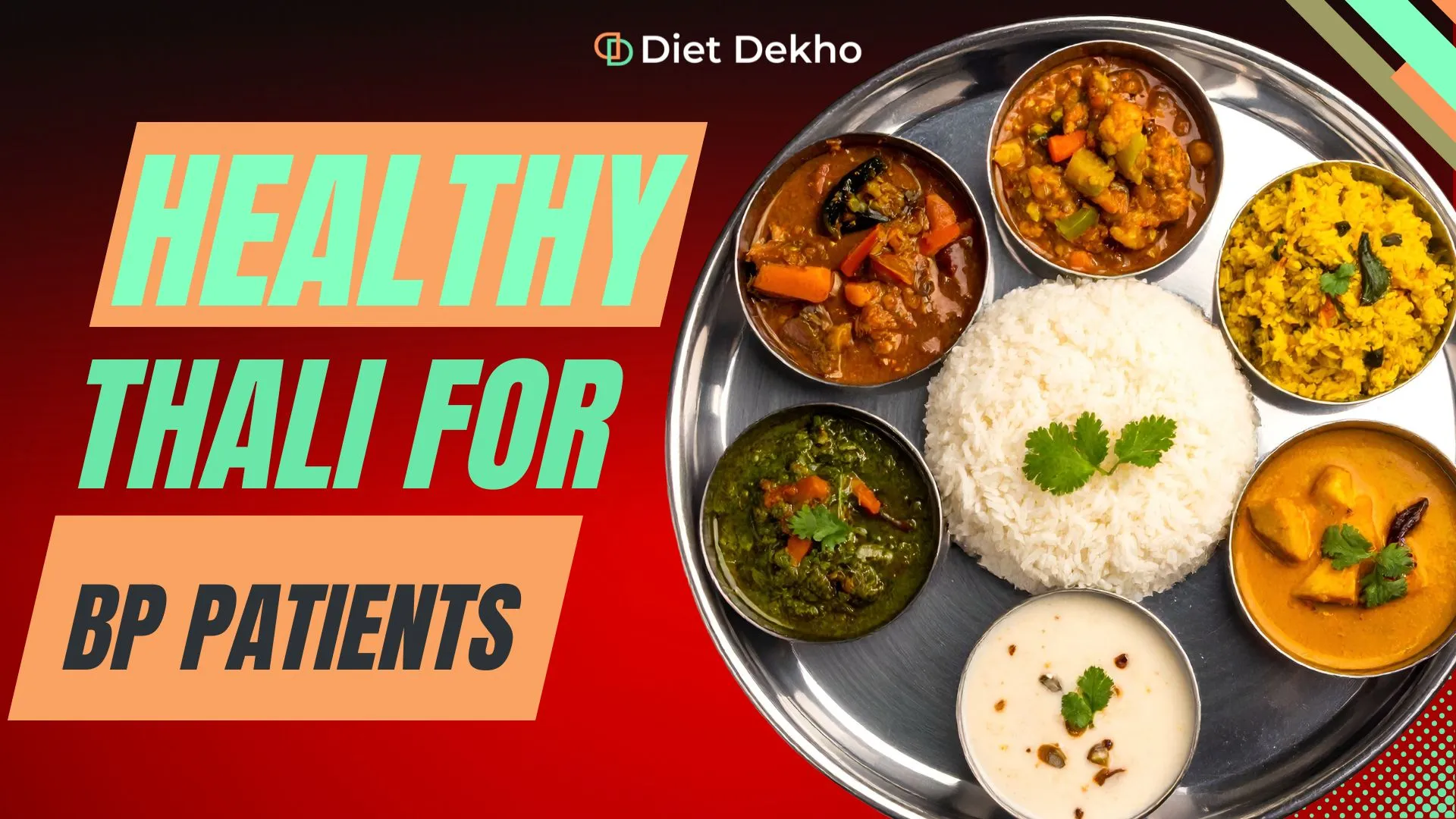
Imagine coming home after a long shift, feeling the familiar throb of a headache, and realizing that your evening meal-the comfort of a traditional plate-might be the very thing pushing your numbers higher. It is time to rethink the BP thali diet as a source of healing rather than just a habit for busy families.
A healthy BP thali diet focuses on the DASH (Dietary Approaches to Stop Hypertension) principles, emphasizing high potassium, magnesium, and fiber while limiting sodium to under 1,500mg. It features a balanced mix of 50% non-starchy vegetables, 25% whole grains or millets, and 25% lean plant proteins like lentils or sprouts to effectively lower blood pressure.
The Current State of Hypertension in India
Table of Contents
- 1 The Current State of Hypertension in India
- 2 The Biological Foundations of Blood Pressure Control
- 3 The DASH Framework in an Indian Context
- 4 Rethinking the Grain Portion of the Thali
- 5 Proteins: The Plant-Based Advantage
- 6 The Vegetable Half-Plate: Fiber and Nitrates
- 7 The Salt Challenge: Navigating the 1,500mg Limit
- 8 Natural Souring Agents as Salt Substitutes
- 9 The Role of Spices in Heart Health
- 10 Practical Thali Examples for Different Lifestyles
- 11 Time-Saving Meal Prep for the Hypertensive Diet
- 12 The ICMR 2024 Dietary Guidelines: A New Standard
- 13 Lifestyle Synergy: Beyond the Plate
- 14 Navigating Social Situations and Eating Out
- 15 Common Myths About High Blood Pressure and Diet
- 16 The Importance of Early Screening
- 17 Frequently Asked Questions
- 18 Contact Us
- 19 Disclaimer
The prevalence of hypertension in the South Asian population has reached a critical juncture, necessitating a massive shift in how the daily meal is constructed. Recent meta-analyses indicate that nearly 27.2% of Indian adults are hypertensive, with urban populations showing even higher rates around 33%. This burden is exacerbated by the South Asian Paradox, where individuals exhibit higher rates of heart disease and prediabetes despite reporting healthier habits, such as lower alcohol intake and comparable activity levels to other groups.

Medical evidence suggests that South Asians possess a higher predisposition to abdominal obesity and ectopic fat, which accumulates around organs even when the Body Mass Index remains within a normal range. This physiological reality means that a standard diet is often insufficient. Instead, a targeted nutritional framework is required to mitigate the 2.5 times higher risk of cardiovascular disease faced by this demographic. The Indian Council of Medical Research (ICMR) notes that 56.4% of the country’s disease burden is directly linked to unhealthy dietary patterns, emphasizing the urgent need for a structured BP thali diet.
| Population Group | Hypertension Prevalence (%) | Diabetes/Prediabetes Risk |
| South Asian Men (Age 45) | 25.5% | 31% |
| White Men (Age 45) | 18.4% | 4% |
| South Asian Women (Age 45) | High | ~18% |
| National Indian Average | 27.2% – 29.8% | Rising |

The Biological Foundations of Blood Pressure Control
Blood pressure is the measure of the force of blood against the walls of the arteries. Over time, high pressure damages these vessels, leading to heart attacks, strokes, and kidney failure. The clinical goal for most adults is to maintain a reading below 130/80 mmHg. Diet plays a central role in this because certain nutrients act as natural vasodilators or diuretics.
The Mean Arterial Pressure (MAP) is influenced by the intake of minerals that regulate the sodium-potassium pump in the cells. For a professional or homemaker, this means the food on the plate is not just fuel but a biological intervention. The formula for blood pressure is:
BP = CO times SVR
Where CO is Cardiac Output and SVR is Systemic Vascular Resistance. A diet high in potassium and magnesium reduces SVR by relaxing the smooth muscles of the blood vessels, while reducing sodium reduces CO by decreasing blood volume.

The DASH Framework in an Indian Context
The Dietary Approaches to Stop Hypertension (DASH) diet is a plant-heavy eating plan that is internationally recognized for its efficacy. Harvard Health and the NIH both endorse this model, which prioritizes fruits, vegetables, and low-fat dairy. For an Indian household, the challenge lies in adapting these global standards to traditional flavor profiles and cooking methods.
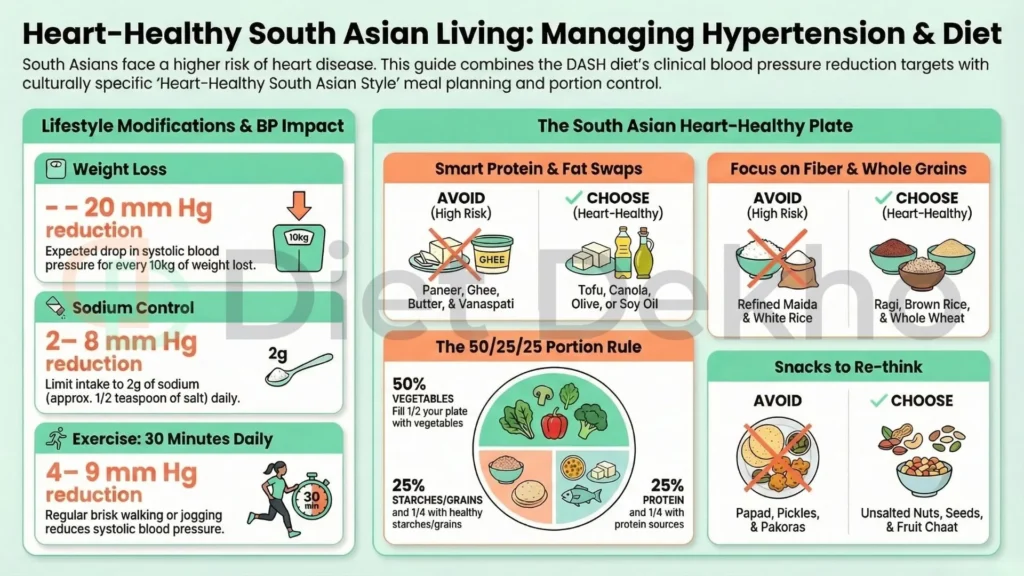
The standard DASH model recommends 6 to 8 servings of grains, 4 to 5 servings of vegetables, and 4 to 5 servings of fruit daily. In a typical Indian thali, this translates to filling half the plate with diverse sabzis and salads, a quarter with whole-grain rotis or brown rice, and the remaining quarter with protein-rich dals or sprouts. By adhering to these ratios, the body receives a synergistic blend of fiber and minerals that can lower blood pressure within as little as two weeks.
Rethinking the Grain Portion of the Thali
In many Indian homes, white rice or refined wheat (maida) forms the bulk of the meal. However, these refined carbohydrates are linked to metabolic syndrome and spikes in blood sugar, which further strain the cardiovascular system. Transitioning to whole grains is the first major step in the BP thali diet.
The Power of Millets
Millets like Jowar (sorghum), Bajra (pearl millet), and Ragi (finger millet) are traditional staples that offer significant heart benefits. Jowar is packed with potassium and phosphorus, which help flush out extra sodium from the system. Ragi is exceptionally high in calcium and fiber, which support vascular elasticity. For a busy professional, swapping a wheat roti for a Jowar or Bajra roti provides a lower Glycemic Index (GI) and sustained energy without the crash.
Whole Wheat and Brown Rice
If millets are not immediately available, choosing 100% whole wheat flour or semi-polished brown rice is a sustainable alternative. Whole grains contain the bran and germ, which are rich in magnesium. Magnesium acts as a natural calcium channel blocker, helping blood vessels to dilate and improving overall endothelial function. The ICMR 2024 guidelines suggest that at least 50% of total cereal intake should come from whole grains.
| Grain Type | Primary Mineral | Benefit for BP Patients |
| Jowar | Potassium | Flushes excess sodium |
| Ragi | Calcium | Improves vascular reactivity |
| Oats | Soluble Fiber | Lowers LDL cholesterol |
| Brown Rice | Magnesium | Relaxes blood vessel walls |

Proteins: The Plant-Based Advantage
The protein component of a thali should focus on lean, heart-healthy sources. For the vegetarian Indian population, lentils and pulses are the primary providers of protein and fiber. Dals such as moong, masoor, and toor should be staples, as they provide high amounts of protein without the saturated fats found in red meat.
Legumes and Satiety
Chickpeas (chole) and kidney beans (rajma) are excellent sources of magnesium and potassium. These legumes also have a high satiety index, meaning they keep a person full for longer, which prevents unhealthy snacking. For non-vegetarians, the focus should shift to fatty fish like mackerel or pomfret, which are rich in omega-3 fatty acids that reduce systemic inflammation.
Dairy and Calcium
Low-fat dairy is a crucial but often misunderstood part of the hypertensive diet. The calcium in non-fat milk, curd (dahi), and buttermilk (chaas) helps regulate blood pressure by supporting the contraction and relaxation of muscles in the vascular system. However, full-fat dairy and salt-laden butter should be avoided, as they increase saturated fat and sodium intake.

The Vegetable Half-Plate: Fiber and Nitrates
The most effective way to transform a standard meal into a healthy thali is to ensure that vegetables occupy at least 50% of the plate. This ensures a massive dose of fiber and micronutrients that counteract the effects of sodium.
Leafy Greens and Potassium
Spinach (palak) and fenugreek (methi) are powerhouses of potassium, which is essential for regulating sodium levels. Adding palak to a dal or making a methi-stuffed roti is an easy way to sneak these greens into the diet of a busy professional who might not have time for a separate salad.
The Role of Beets and Gourds
Beets are rich in nitrates, which the body converts into nitric oxide. This compound relaxes the blood vessels and improves blood flow. Similarly, water-heavy vegetables like Lauki (bottle gourd) and Tinda are naturally low in calories and sodium, making them perfect for weight management. Weight loss is one of the strongest recommendations in current AHA guidelines, as even a 5% reduction in body weight can significantly lower blood pressure.
| Vegetable | Key Nutrient | Practical Application |
| Spinach | Potassium | Add to dals or rotis |
| Beetroot | Nitrates | Fresh juice or grated in raita |
| Lauki | Low Sodium | Light evening sabzi |
| Garlic | Allicin | Use in every tempering (tadka) |

Salt reduction is the cornerstone of hypertension management. The World Health Organization (WHO) and ICMR both recommend limiting salt intake to less than 5 grams (roughly one teaspoon) per day. However, many Indians consume more than twice this amount, largely from hidden sources.
Identifying Hidden Sodium
In a typical Indian kitchen, the salt shaker is only one part of the problem. High-sodium culprits include pickles (achaar), papads, salted namkeens, and even store-bought bread. A single tablespoon of pickle can contain a significant portion of the daily sodium limit. For a professional who frequently eats at the office or relies on packaged snacks, these hidden salts can derail even a well-intentioned diet.
The Taste Modification Strategy
Reducing salt does not mean the food must be bland. The Taste Modification strategy involves using aromatics, spices, and souring agents to enhance flavor. Using fresh ginger, garlic, and onions creates a savory base (umami) that reduces the need for salt. Spices like turmeric and cumin provide depth, while black pepper adds a heat that distracts the palate from the lack of salt.
Natural Souring Agents as Salt Substitutes
One of the best secrets for a successful BP thali diet is the use of traditional souring agents. These ingredients provide the tang that many people mistake for a need for salt.
Amchur and Kokum
Amchur (dry mango powder) is a staple that can be added to dry vegetable dishes or dals to provide a sharp, citrusy kick. Kokum, frequently used in Western and Southern India, is not only sour but also rich in antioxidants. Adding a few pieces of kokum to a curry or using it to make a salt-free beverage can satisfy the taste buds while protecting the heart.
Lemon and Tamarind
A simple squeeze of lemon at the end of the cooking process brightens the flavor of a dish and makes the existing salt feel more pronounced. Tamarind water can also be used in moderate amounts to provide acidity. By focusing on these acidic components, the brain’s salt craving is often satisfied, making the transition to a low-sodium diet much easier for the household.

The Role of Spices in Heart Health
Indian spices are not just for flavor; they are bioactive compounds. Turmeric contains curcumin, which has anti-inflammatory properties and may improve the function of the endothelium, the lining of the blood vessels. Garlic contains allicin, which has been shown in some studies to reduce blood pressure as effectively as certain medications by increasing nitric oxide production.
Cumin, Coriander, and Fenugreek
Cumin (jeera) and coriander (dhaniya) seeds are rich in antioxidants that help combat arterial stiffness. Fenugreek (methi) seeds have been noted for their ability to improve sodium retention and support metabolic health. For a busy professional, keeping a pre-made blend of these roasted and ground spices can make a quick, low-salt meal taste like an elaborate preparation.
Practical Thali Examples for Different Lifestyles
The beauty of the thali is its versatility. It can be adapted to fit the time constraints of a working professional or the diverse needs of a homemaker.
The Busy Professional’s Quick Thali
For someone with limited time, the focus should be on one-pot or assembly-style meals.
- Base: 1 cup of vegetable dalia or brown rice.
- Protein: A bowl of moong dal or boiled chickpea salad.
- Veggie: Sautéed spinach with garlic or a quick lauki sabzi.
- Dairy: A glass of plain buttermilk with roasted cumin.
- Snack Tip: Carry a handful of unsalted almonds or walnuts to avoid the office pantry.
The Homemaker’s Family Thali
A homemaker can influence the health of the entire family by making small, consistent swaps.
- Base: Rotis made with a mix of wheat and ragi flour.
- Protein: A hearty rajma or chole curry (cooked with minimal oil and salt).
- Veggie: A mixed vegetable thoran or a large bowl of cucumber-tomato salad.
- Dairy: Homemade curd with a sprinkle of roasted flaxseed powder.
- Cooking Tip: Use the Salt at the End rule, where salt is added only after the dish is cooked, making it more impactful on the taste buds.
Time-Saving Meal Prep for the Hypertensive Diet
It is a common misconception that eating healthy takes more time. In reality, strategic preparation can make a heart-healthy thali the easiest option in the house.
Weekend Batch Cooking
Dedicate two hours on Sunday to prep ingredients. Boil a large batch of lentils, chickpeas, and beans and freeze them in single-serving containers. These can be pulled out and tempered with spices in minutes. Pre-chopping vegetables like onions, carrots, and beans and storing them in airtight containers ensures that they are ready for a quick stir-fry on a busy Tuesday night.
Smart Kitchen Tools
Investing in tools like an Instant Pot or a pressure cooker can significantly reduce cooking time for grains and legumes. An air fryer can be used to roast vegetables or even make healthy pakoras without the deep-frying that adds dangerous trans fats and excess calories. These modern appliances allow for the preparation of traditional tastes with modern health standards.
The ICMR 2024 Dietary Guidelines: A New Standard
The updated 2024 guidelines from the ICMR and National Institute of Nutrition (NIN) represent a shift toward food-based recommendations rather than just focusing on nutrients. These guidelines emphasize dietary diversity and the consumption of nutrient-dense foods to combat the rising burden of non-communicable diseases (NCDs) like hypertension.
Key Recommendations for BP Management
The guidelines suggest a significant increase in vegetable intake, moving from 300g to 400g daily, with a specific focus on green leafy vegetables. They also highlight the importance of Nutri-cereals (millets) and recommend that at least 25-30g of fiber be consumed daily to support heart and digestive health. For the hypertensive patient, these guidelines provide a clear roadmap for thali construction.
| Food Group | ICMR 2024 Target | Role in BP Control |
| Vegetables | 400g daily | Potassium and fiber provision |
| Pulses/Beans | 85g daily | Lean protein source |
| Salt | < 5g daily | Reduces fluid retention |
| Whole Grains | 50% of total cereals | Magnesium and complex carbs |
Lifestyle Synergy: Beyond the Plate
While the thali is the foundation, blood pressure management is a holistic endeavor. The interaction between diet, physical activity, and stress cannot be ignored.
The Power of Movement
The 2025 AHA guidelines recommend at least 150 minutes of moderate-intensity aerobic activity per week. For a non-gym audience, this can be as simple as a 20-minute brisk walk after dinner. Movement helps improve circulation and reduces arterial stiffness, working in tandem with the nutrients in the thali to lower overall pressure.
Stress and Sleep
Stress causes a temporary spike in blood pressure, but chronic stress can lead to long-term issues. Techniques such as deep breathing, meditation, and ensuring 7 to 9 hours of quality sleep are essential components of the treatment plan. A homemaker or professional who manages their stress effectively will find their body more responsive to the healthy changes made in the kitchen.
One of the hardest parts of maintaining a healthy diet is dealing with weddings, festivals, and restaurants. However, it is possible to navigate these without compromising heart health.
Restaurant Strategies
When eating out, always ask for dishes to be prepared with less salt and no MSG. Opt for grilled or tandoori options like tandoori chicken or grilled fish instead of deep-fried curries. Choose whole wheat rotis over naans and ask for dals without the extra butter or cream tadka on top.
Festive Adaptations
During festivals, try to make sweets using dates or stevia instead of refined sugar, and use low-fat milk for preparations like kheer. Instead of deep-fried snacks, offer roasted nuts, seeds, or makhana. By providing these options, a homemaker not only protects their own health but also sets a positive example for guests and family members.
Common Myths About High Blood Pressure and Diet
There are several misconceptions that can lead patients astray. Addressing these is vital for effective management.
I don’t add salt, so my intake is low.
As discussed, most salt in the modern diet comes from processed and packaged foods, not the salt shaker. Even healthy sounding items like whole wheat bread or canned soups can be high in sodium. Reading labels is a non-negotiable skill for anyone managing hypertension.
Pink salt or sea salt is better for BP.
While Himalayan pink salt or sea salt might contain trace minerals, they are still primarily sodium chloride. For a person with high blood pressure, the sodium content is what matters most. Switching to these fancy salts without reducing the total quantity will not lower blood pressure. Using potassium-based salt substitutes is a better alternative, provided there are no underlying kidney issues.
The Importance of Early Screening
Because hypertension is often asymptomatic (the silent killer), many South Asians do not realize they have a problem until a major event occurs. The 2025 guidelines emphasize the need for earlier and more aggressive screening, particularly for South Asian individuals starting in their 20s or 30s. Regularly monitoring blood pressure at home and keeping a log is a simple but powerful way to track the effectiveness of the BP thali diet.
Frequently Asked Questions
What is the best BP thali diet for an Indian vegetarian?
A vegetarian thali should focus on whole grains like Ragi or Jowar, a large serving of moong or masoor dal for protein, and at least two types of green vegetables. Including a bowl of low-fat curd and a fresh salad with lemon juice instead of salt completes the nutritional profile for blood pressure management.
Can I eat pickles or papad if I have high blood pressure?
It is strongly recommended to avoid or strictly limit pickles and papad. These are extremely high in sodium due to the preservation and brining processes. If you must have them, look for homemade versions that use minimal salt or replace them with fresh chutneys made from coriander, mint, and lemon.
Is white rice completely banned in a BP thali diet?
White rice is not banned, but it should be limited. It is better to use brown rice, red rice, or parboiled rice which have more fiber. If you prefer white rice, try to mix it with millets or ensure that the rest of your thali is very high in fiber-rich vegetables to balance the glycemic load.
How does potassium help lower blood pressure?
Potassium helps the body excrete excess sodium through urine and also helps to relax the walls of the blood vessels. By increasing potassium-rich foods like bananas, spinach, and sweet potatoes, you naturally counteract the pressure-raising effects of salt in your diet.
Why is weight loss important for managing high blood pressure?
Excess weight, especially abdominal fat, increases the strain on the heart and blood vessels. Research shows that even a modest weight loss of 4-5 kg can lead to a significant reduction in both systolic and diastolic blood pressure, making your thali’s nutrients even more effective.
Ready to start your personalized journey?
Contact Us
We understand how overwhelming nutrition and weight loss information can feel. With so many opinions and confusing advice online, it’s easy to feel stuck or unsure about what to do next.
At Diet Dekho, you never have to figure it out alone. You can contact us anytime with any questions or concerns. Our expert dietitians are available 24/7 to guide, support, and help you stay on track. Whether your goal is weight loss or building healthier habits, we’re here to make the journey simpler and more sustainable for you.
Disclaimer
This blog is intended to help readers make healthier food choices. Your health should always be the top priority. Before starting any restrictive or special diet, especially if you have a medical condition or health concern, please consult a doctor or a qualified dietitian. Each body responds differently to food and lifestyle changes. Always choose what is safe and suitable for you.

Abhinav is the Founder of Diet Dekho, helping people manage weight and lifestyle health through simple, practical nutrition and personalized diet plans.