
DietDekho realizes that while the world is fixated on weight loss, finding effective healthy weight gain tips for an Indian lifestyle can be just as frustrating. Therefore, we have created this guide to help you move beyond the eat more mantra and embrace a scientifically backed approach to building a stronger, healthier body.
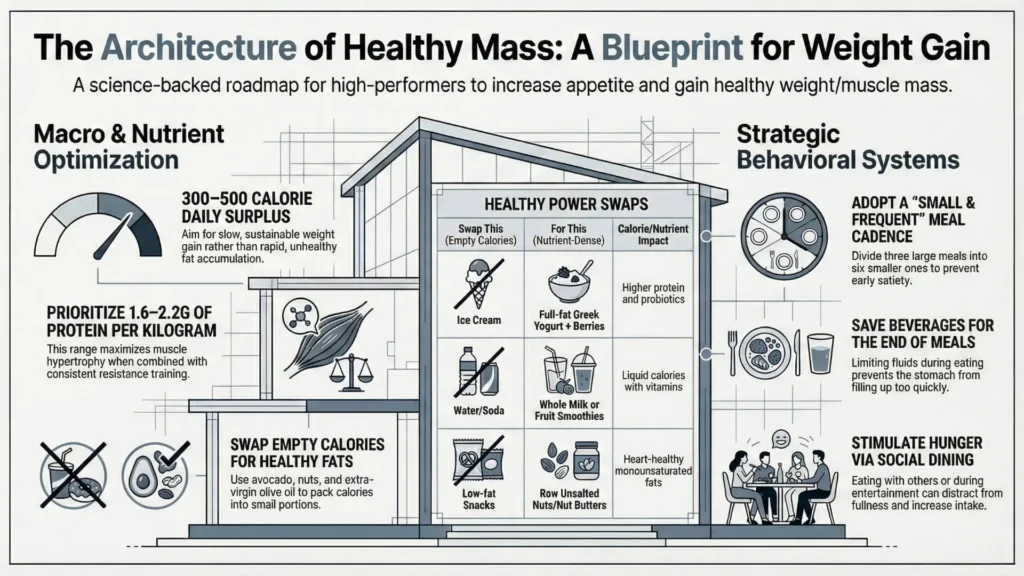
To gain weight safely, you should consistently maintain a daily calorie surplus of 300 to 500 calories above your maintenance level. Specifically, you should focus on nutrient-dense Indian staples like desi ghee, paneer, and millets while consuming 1.2 to 1.6 grams of protein per kilogram of body weight. Pairing this weight gain diet plan with regular resistance training ensures that the extra weight is lean muscle rather than visceral fat.
Why is it hard for some to follow natural weight gain advice?
Table of Contents
- 1 Why is it hard for some to follow natural weight gain advice?
- 2 Myth: Junk food is one of the best healthy weight gain tips
- 3 The science of calorie surplus: Healthy muscle building tips
- 4 Top Indian superfoods: Nutritional strategies for weight gain
- 5 A sample weight gain diet plan for your daily routine
- 6 Managing medical conditions with healthy weight gain tips
- 7 Ayurvedic weight gain tips and herbal support
- 8 Simple ways to gain weight healthily with home exercise
- 9 Common mistakes: Skipping meals and ignoring healthy muscle building tips
- 10 Small steps lead to big results: Stay consistent
- 11 Frequently Asked Questions
- 12 Contact Us
- 13 Disclaimer
I know it’s hard to find time to eat more when you have a busy schedule, but understanding your metabolism is the first step. For many, a high basal metabolic rate (BMR) means the body burns calories faster than they can be consumed. Consequently, even when you feel like you are eating plenty, your body might still be in a deficit due to high levels of daily activity or genetic factors that favor a lean build.
Moreover, chronic stress in the modern Indian workspace can elevate cortisol levels. In simple terms, this hormone can trigger muscle breakdown and make fat storage around the midsection more likely, even if you are thin. Because of this, following generic natural weight gain advice without addressing stress and recovery often leads to poor results.
The struggle of being underweight: Finding ways to gain weight healthily
The emotional toll of being underweight in a weight-obsessed society is significant. According to the National Family Health Survey (NFHS-5), approximately 20.1% of women in India are underweight. This condition is not just about aesthetics; rather, it is a health state that increases your risk for bone density loss and frequent infections.
Similarly, a study by AIIMS revealed that nearly 47.1% of underweight young adults suffer from moderate to severe body image concerns and low confidence. What this means for your daily routine is that the pressure to bulk up can feel just as heavy as the pressure to slim down. Therefore, finding ways to gain weight healthily requires a supportive environment and a sustainable plan.
Table 1: Underweight Status in India (NFHS-5 Data)
| Demographic Group | Percentage Underweight (BMI < 18.5) | Contributing Factors |
| All India (Women) | 20.1% | High BMR, stress, nutrition gaps |
| Age 18-24 | 31.1% | High activity, education stress |
| Rural Areas | ~25.0% | Physical labor, limited access |
| Illiterate Population | 23.8% | Lack of nutritional awareness |
Note: Statistics based on national surveys of Indian adults.

Myth: Junk food is one of the best healthy weight gain tips
A common misconception in many Indian households is that spreeing on samosas, namkeens, or sugary biscuits is a good way to bulk up. However, these are empty calories that lack the essential proteins and minerals your body needs to build tissue. Consequently, relying on junk food often leads to a skinny-fat physique, where a person has a normal BMI but carries unhealthy internal fat.
In addition, consuming excessive refined flour (maida) and sugar can lead to insulin resistance, even in thin individuals. This is particularly dangerous for South Asians who are genetically prone to metabolic dysfunction at lower weights. Therefore, the most effective healthy weight gain tips prioritize clean bulking with whole foods like nuts, seeds, and full-fat dairy.
The danger of the thin-fat phenotype in India
South Asians frequently exhibit a distinct phenotype characterized by low muscle mass and high levels of visceral fat. Even a person in a lower weight body can face a high risk of Type 2 Diabetes if their diet is dominated by refined carbs and trans fats. Thus, instead of just aiming to increase the number on the scale, your weight gain diet plan must focus on improving your metabolic health.
The science of calorie surplus: Healthy muscle building tips
To achieve sustainable growth, you must understand the balance of energy. A calorie surplus is necessary, but if the surplus is too large, it results in excessive fat gain rather than muscle. Specifically, research suggests that a modest surplus of 100 to 300 calories per day is the sweet spot for most individuals seeking healthy muscle building tips.
Furthermore, the quality of your macronutrients determines your body composition. For instance, protein provides the building blocks for your muscles, while carbohydrates provide the energy for your workouts. If you consume extra calories but do not exercise, your body will simply store that energy as fat. Therefore, resistance training is a non-negotiable part of any diet chart for gaining weight.
Table 2: Daily Calorie Needs for Weight Gain (ICMR 2024 Guidelines)
| Activity Level | Maintenance (Avg. Indian Women) | Surplus Target for Weight Gain |
| Sedentary | 1,900 kcal | 2,200 – 2,400 kcal |
| Moderate | 2,100 kcal | 2,400 – 2,700 kcal |
| Heavy Labor | 2,500 kcal | 2,800 – 3,100 kcal |
Note: Calculations based on energy requirements for 0.25-0.5% weight gain per week.

Top Indian superfoods: Nutritional strategies for weight gain
Your kitchen is already stocked with powerful ingredients that can support your journey. Let’s look at the best nutritional strategies for weight gain using traditional Indian staples.
High-Calorie Dairy and Desi Ghee
Desi Ghee is perhaps the most efficient calorie-booster in an Indian diet. One tablespoon provides approximately 120 calories and healthy fatty acids that support digestion. Similarly, paneer is an excellent source of vegetarian protein and fat. Because it contains casein protein, which is slow-digesting, it is an ideal snack before bed to support muscle recovery overnight.
Millets and Complex Carbohydrates
While white rice is easy to digest, millets like Ragi (Finger Millet) and Bajra (Pearl Millet) are superior nutritional strategies for weight gain because they are rich in calcium and minerals. In addition, sweet potatoes and whole-wheat rotis provide sustained energy that prevents the body from using its own muscle tissue for fuel during busy work hours.
Table 3: Nutritional Profile of Indian Weight-Gain Foods
| Food Item | Portion Size | Calories | Protein (g) | Primary Benefit |
| Paneer | 100g | 265 kcal | 18.0g | Muscle synthesis |
| Desi Ghee | 1 tbsp | 120 kcal | 0.0g | Calorie density |
| Full-Fat Milk | 250ml | 150 kcal | 8.0g | Recovery fuel |
| Ragi (Millet) | 100g | 330 kcal | 7.3g | Bone health |
| Peanuts | 30g | 170 kcal | 7.5g | Healthy fats |
| Dates | 3-4 fruits | 80 kcal | 0.8g | Natural energy |
Data compiled from Indian nutritional databases.
A sample weight gain diet plan for your daily routine
I know it’s hard to find time for heavy meals, so the secret is frequency. Eating 5 to 6 small, calorie-dense meals is much more effective than forcing yourself to eat three massive plates.
Your Step-by-Step Daily Meal Guide
- Early Morning (7:00 AM): Start with 5 soaked almonds, 2 walnuts, and a banana. For an extra boost, have a glass of warm milk with jaggery.
- Breakfast (8:30 AM): Two stuffed Paneer or Aloo parathas with ghee and a bowl of curd. Alternatively, have vegetable Poha with plenty of peanuts.
- Mid-Morning (11:00 AM): A bowl of fruit salad with seeds or a glass of lassi sweetened with honey.
- Lunch (1:30 PM): A large bowl of Rajma or Dal Tadka with ghee, 2 Rotis, a cup of rice, and seasonal vegetables.
- Evening Snack (5:00 PM): Roasted Chana or a Peanut Butter sandwich. Busy professionals can also try a homemade smoothie made of milk, oats, and dates.
- Dinner (8:30 PM): Chicken or Paneer curry with Jowar or Bajra rotis and a side of salad for micronutrients.
- Post-Dinner (10:00 PM): A glass of milk with Ashwagandha powder to aid muscle repair and sleep.

Managing medical conditions with healthy weight gain tips
If you are managing PCOS, diabetes, or hypertension, you might think you cannot follow a healthy bulking meal plan. However, you can gain weight safely by making specific adjustments to your food choices.
PCOS and Hormonal Health
For women with PCOS, weight gain often comes with the risk of insulin spikes. Therefore, your healthy weight gain tips must focus on low-glycemic index (GI) carbohydrates like millets and fiber-rich vegetables. In addition, always pair your carbs with a protein source, such as lentils or seeds, to keep your hormones balanced.
Diabetes and Hypertension
If you have diabetes, focus on gaining weight through healthy fats and proteins rather than sugars. For instance, nuts, avocados, and eggs provide calories without causing dangerous blood sugar spikes. Similarly, for those with hypertension, it is vital to avoid salty boosters like pickles and papads. Instead, use unsalted walnuts and olive oil to increase your calorie intake safely.
Table 4: Safe Calorie Boosters for Specific Conditions
| Medical Condition | Recommended Booster | Why it Works |
| PCOS | Walnuts & Seeds | Lowers inflammation |
| Diabetes | Greek Yogurt & Eggs | Stabilizes blood sugar |
| Hypertension | Unsalted Peanuts | Rich in potassium |
| Thyroid | Brazil Nuts & Eggs | Supports metabolism |
Recommendations sourced from specialized clinical guidelines.
Ayurvedic weight gain tips and herbal support
Ayurveda provides a holistic approach to natural weight gain advice by focusing on strengthening your Dhatus or body tissues. If your digestion (Agni) is weak, you will not absorb the nutrients you eat.
- Ashwagandha: This herb is excellent for reducing stress and building muscle mass. Taking 3-5 grams of Ashwagandha powder with warm milk and ghee before bed is a traditional way to improve strength.
- Shatavari: Known as a rejuvenating herb, it supports hormonal balance and helps improve appetite and nutrient absorption in women.
- Abhyanga: Practicing a daily oil massage with warm sesame oil calms the nervous system and encourages tissue growth.

Simple ways to gain weight healthily with home exercise
Gaining weight doesn’t mean you have to spend hours at the gym. In fact, traditional Indian Vyayam and bodyweight exercises are perfect for building muscle at home.
- Dand (Indian Push-ups): These target the chest, shoulders, and triceps while improving core strength.
- Baithak (Squats): These are essential for building the large muscles of your legs, which significantly contributes to healthy weight gain.
- Household Resistance: If you don’t have dumbbells, use heavy water cans or bags of rice to provide the progressive overload your muscles need to grow.
Consistency is the most important factor here. Aim for 30 minutes of exercise three times a week, and always ensure you get 7 to 8 hours of sleep for recovery.
Common mistakes: Skipping meals and ignoring healthy muscle building tips
The biggest barrier to success is often inconsistency. If you skip even one meal, you risk falling below your maintenance calories, which halts your progress immediately.
Another mistake is relying on protein supplements without eating enough whole food calories. In contrast, DietDekho experts recommend getting your protein from natural sources like paneer, dals, and eggs first. Furthermore, avoiding tea and biscuits as a meal replacement is crucial, as these provide temporary energy but no real nutrition for muscle growth.
Small steps lead to big results: Stay consistent
Healthy weight gain is a gradual process that requires patience. Gaining 1 to 2 kg per month is a realistic and sustainable target. By following these healthy weight gain tips and focusing on nutrient-dense Indian foods, you can achieve a stronger and more energetic version of yourself.
Ultimately, your health is about more than just a number on the scale. Improvements in your energy levels, immunity, and strength are the true indicators of success.

Frequently Asked Questions
Q1: Can I use these healthy weight gain tips to see results in just 7 days?
In simple terms, healthy muscle gain takes months. However, in 7 days, you can establish the habit of eating every 3 hours and adding calorie boosters like ghee and nuts to your meals to start the process.
Q2: Which deal is best for a weight gain diet plan?
Urad dal and Moong dal are excellent choices. Specifically, when paired with rice or roti, they provide a complete protein profile that helps in building lean muscle mass.
Q3: Are there ways to gain weight healthily for busy professionals?
Yes! Focus on carrying office-friendly high-calorie snacks like roasted chana, peanut butter sandwiches, and handfuls of nuts. These allow you to reach your calorie goals even when you are on the move.
Q4: Is Ashwagandha safe for everyone?
While it is a natural herb, individuals with thyroid issues (especially hyperthyroidism) should consult a doctor before use, as it can influence hormone levels.
Contact Us
We understand how overwhelming nutrition and weight loss information can feel. With so many opinions and confusing advice online, it’s easy to feel stuck or unsure about what to do next.
At Diet Dekho, you never have to figure it out alone. You can contact us anytime with any questions or concerns. Our expert dietitians are available 24/7 to guide, support, and help you stay on track. Whether your goal is weight loss or building healthier habits, we’re here to make the journey simpler and more sustainable for you.
Disclaimer
This blog is intended to help readers make healthier food choices. Your health should always be the top priority. Before starting any restrictive or special diet, especially if you have a medical condition or health concern, please consult a doctor or a qualified dietitian. Each body responds differently to food and lifestyle changes. Always choose what is safe and suitable for you.

Dr. Ritika is a nutrition and lifestyle expert with 2+ years of experience, helping clients manage weight and health through practical, personalized diet plans.