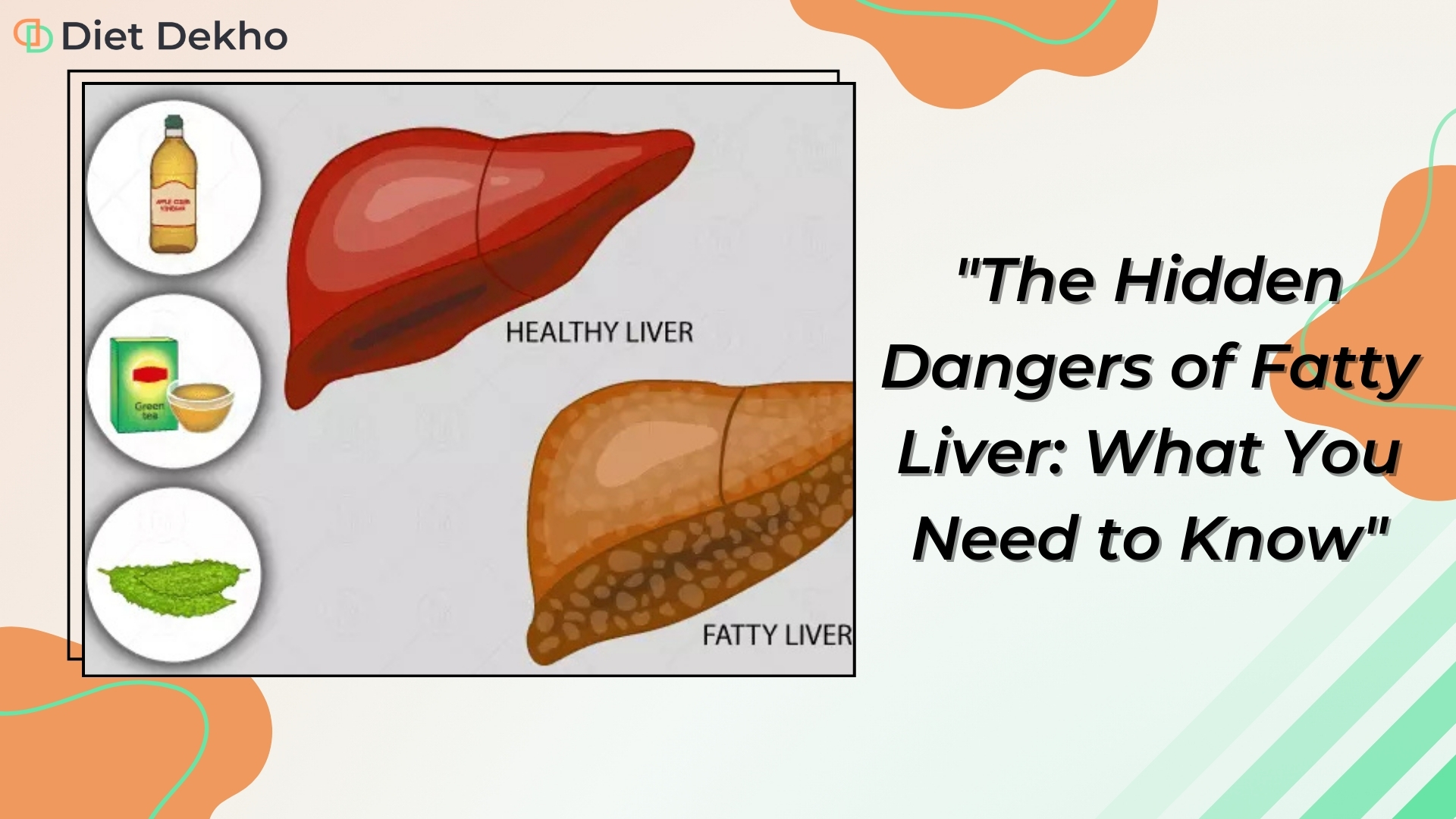
Meet Sarah. She is a 42-year-old marketing executive who prioritizes her wellness. Frequently, she hits the gym three times a week and strictly avoids fast food. Despite this healthy routine, Sarah feels a bit sluggish in the afternoon. She usually blames her busy schedule or lack of sleep. During a routine physical, however, her doctor finds elevated liver enzymes. An ultrasound soon reveals a shocking truth: Sarah has a liver packed with fat. Because she does not drink alcohol, the diagnosis is confusing. This represents the reality of silent killer liver disease. It sneaks up on even the most health-conscious individuals by hiding behind a normal exterior and waiting until damage is severe to show its face.
What Sarah is experiencing is non-alcoholic fatty liver disease (NAFLD). Medical professionals now call this metabolic dysfunction-associated steatotic liver disease or MASLD. It currently stands as the most common chronic liver condition globally. Recent data suggests that over one-third of the global population lives with this condition. Most of these people have no idea. Essentially, they are walking around with a ticking time bomb in their abdomen. Let’s break down the hidden dangers of this condition and how you can take control of your health.
Understanding the Liver Spectrum
Table of Contents
- 1 Understanding the Liver Spectrum
- 2 The Global Scale of the Problem
- 3 Why the Liver Accumulates Fat
- 4 The Silent Nature of Symptoms
- 5 The Deadly Trio of Risk Factors
- 6 Challenges in Diagnosis
- 7 Reversing the Damage Through Diet
- 8 Foods You Must Avoid
- 9 Exercise as a Liver Shield
- 10 The Magic of Weight Loss
- 11 Managing the Whole Body
- 12 The Future of Liver Health
- 13 Why You Should Act Now
- 14 FAQs About Fatty Liver
- 15 Taking Control of Your Liver Health
The liver is a powerhouse organ that performs over 500 vital functions. It filters toxins, produces bile, and stores energy for your muscles. But even the strongest organ has a breaking point. When fat begins to accumulate, it triggers a dangerous chain reaction. This is not just one disease; rather, it is a spectrum of worsening conditions.
The first stage is simple steatosis, often called hepatic steatosis or NAFL. At this point, the liver stores excess fat, but there is no significant inflammation. Many people stay in this stage for years and assume they are safe. However, here is the thing: even simple fat buildup significantly increases your risk for heart disease.

The Transition to NASH
Danger escalates quickly when inflammation sets in. Doctors call this non-alcoholic steatohepatitis or NASH (now often termed MASH). In this stage, the liver begins to suffer actual physical damage. The fat causes the cells to swell and eventually die, a process scientists call hepatocyte ballooning.
| Disease Stage | Key Characteristics | Risk of Progression |
| Simple Steatosis (NAFL) | Excess fat buildup only | Low immediate liver risk |
| Steatohepatitis (NASH) | Fat plus active inflammation | High risk of permanent damage |
| Fibrosis | Development of scar tissue | Very high risk of complications |
| Cirrhosis | Permanent, severe scarring | Critical risk of liver failure |
NASH serves as the primary driver of liver fibrosis. Fibrosis is simply a medical term for scarring. When your liver is constantly inflamed, it attempts to heal itself by laying down tough, fibrous tissue. Think of it like a scab that never goes away. Over time, this scar tissue replaces healthy cells. If the cycle continues, it leads to liver cirrhosis, which is often irreversible and can cause liver failure or cancer.
The Global Scale of the Problem
The numbers regarding liver health are staggering. In the United States alone, approximately 24% of adults have this condition. Some experts, including those at Keck Medicine of USC, believe the number is closer to 35%. Globally, about 25% of the population is affected. This represents a massive public health crisis that is growing alongside rising rates of obesity and diabetes.
High prevalence rates are especially noticeable in the Middle East and South America. Within the U.S., Hispanic individuals are most frequently affected, followed by non-Hispanic whites and Asian Americans. Genetics play a significant role here, as certain genes make some people more prone to storing fat in their liver regardless of their weight.
A Crisis Among Children
What is even more alarming is the data regarding children. About 10% of children in the U.S. now have fatty liver disease. This figure has doubled in the last 20 years. Consequently, these children are developing “adult” diseases and may face liver failure in their 30s. This is a direct result of modern dietary habits and sedentary lifestyles.
“It’s a hard number to believe,” says Michael Charlton, director of hepatology at Intermountain Medical Center, regarding the rapid rise of the disease. By 2030, NASH is projected to be the top reason for liver transplants, surpassing alcohol-related damage. We are seeing a tidal wave of liver issues, yet most of them are entirely preventable.
Why the Liver Accumulates Fat
You might wonder why the liver starts storing fat in the first place. It is not designed to be a storage locker for lipids. The problem begins with a metabolic imbalance where the liver receives more fat than it can process. This happens through three main pathways.
First, your diet contributes about 15% of liver fat directly. Second, your body’s fat cells (adipose tissue) release fatty acids when you have insulin resistance. These acids flood the liver, accounting for 59% of the accumulation.
The Role of De Novo Lipogenesis
The third source is de novo lipogenesis (DNL), the process of making fat from sugar. This accounts for about 26% of liver fat. When you eat too many carbohydrates, your liver converts them into fatty acids. Specifically, the enzyme acetyl-CoA carboxylase (ACC) acts like a traffic controller that signals the liver to start building fat molecules.
The chemical progression for this process is complex. The liver uses carbohydrates to create palmitate, a common saturated fatty acid, through this reaction:
8 Acetyl-CoA+7 ATP+14 NADPH→Palmitate+8 CoA+7 ADP+14 NADP+
What this really means is that sugar is often a bigger enemy than dietary fat. Fructose is a major driver of this process. Unlike glucose, the liver must process every gram of fructose you consume. It bypasses normal energy checks and flows straight into the fat-making factory. This is why sugary sodas and juices are so damaging to liver health.
The Silent Nature of Symptoms
Most people with a fatty liver feel absolutely nothing. This lack of warning is why it is called a silent disease. Because the liver has very few pain nerves on its interior, you can have a liver full of fat—or even cirrhosis—and still feel “fine”.
However, some people do experience subtle signs of liver damage. You might feel a dull ache or a sensation of fullness in the upper right abdomen. This is the fatty liver pain location. It typically occurs because the liver has enlarged and is stretching the capsule that surrounds the organ.

Subtle Warning Signs
Fatigue is the most common complaint among patients. You might feel constantly tired regardless of how much sleep you get. Some people experience a general sense of “not feeling well,” known as malaise. As the disease reaches advanced stages, signs become impossible to ignore.
| Symptom | Description | Severity |
| Fatigue | Persistent, heavy tiredness | Early to Late |
| RUQ Discomfort | Pain in upper right belly | Early to Late |
| Jaundice | Yellowing of skin or eyes | Late Stage |
| Ascites | Fluid swelling in the abdomen | Late Stage |
| Itchy Skin | Chronic, unexplained itching | Late Stage |
In later stages, you might notice swelling in your legs or dark-colored urine. You may also see spider-like blood vessels on your skin. If you experience these signs, the damage is likely advanced, and you should seek medical attention immediately.
The Deadly Trio of Risk Factors
Fatty liver is never just about the liver; it is a signal of metabolic failure. A recent study by Keck Medicine identified three major killers for patients with this condition. These factors significantly increase the risk of death.
First, high blood pressure is the top threat, increasing mortality risk by 40%. Second, diabetes or pre-diabetes increases the risk by 25%. Third, low HDL (the “good” cholesterol) raises the risk by 15%.
The Cardiovascular Connection
Here is a vital fact: most people with fatty liver do not die of liver disease. Instead, they die from heart attacks or strokes. The fat in your liver is a warning that your arteries are likely under stress as well.
| Risk Factor | Mortality Increase | Metabolic Impact |
| Hypertension | 40% | Direct vascular damage |
| T2DM / Pre-diabetes | 25% | Insulin signaling failure |
| Low HDL | 15% | Dangerous lipid imbalance |
| Obesity | Significant | High BMI correlation |
For every additional risk factor you have, your chance of death increases by another 15%. This creates a compounding danger. If you have all three conditions, you are in a high-risk category and must prioritize managing your blood pressure and sugar levels.

Challenges in Diagnosis
How do you know if you have a fatty liver? Since symptoms are rare, catching it early is difficult. Most people discover the issue during routine blood work when a doctor sees elevated liver enzymes like ALT and AST.
However, there is a catch. You can have perfectly normal blood tests and still have significant fatty liver damage. Enzymes usually only rise when liver cells are actively dying. If the disease progresses slowly, those levels might stay within the “normal” range.
Imaging and Biopsies
The next step is usually an ultrasound, which can visualize fat buildup. But an ultrasound cannot see inflammation or scarring. For a deeper look, doctors use specialized tools like the FibroScan to measure liver stiffness.
The “gold standard” for diagnosis remains a liver biopsy. A doctor uses a needle to take a tiny tissue sample for analysis. Even so, biopsies can have errors. Because they only look at about 1/50,000th of the liver, they might miss damage if the fat is not spread evenly.
Reversing the Damage Through Diet
The good news is that fatty liver is often reversible. Your liver is the only organ capable of fully regenerating itself if given the right tools. Currently, there are no FDA-approved drugs for this condition. Therefore, lifestyle change is the primary treatment.
The Mediterranean diet is the gold standard for reversing fatty liver. This eating pattern is rich in vegetables, fruits, and healthy fats while eliminating processed junk.
The Power of the Green MedDiet
Researchers at Harvard have discovered an even more powerful version called the “Green” Mediterranean diet. This version adds three to four cups of green tea daily, along with walnuts and an aquatic plant called Mankai.
In clinical trials, the Green MedDiet reduced liver fat by 39%, compared to just 20% for the traditional version. Essentially, the polyphenols found in green tea and walnuts act as potent anti-inflammatories that protect liver cells.
| Food to Embrace | Why it Helps | Recommendation |
| Extra Virgin Olive Oil | Healthy MUFAs | Use as your primary fat |
| Fatty Fish (Salmon) | Omega-3 acids | 3 servings per week |
| Walnuts | Polyphenols | Small handful daily |
| Green Tea | Antioxidants | 3-4 cups daily |
| Leafy Greens | Fiber & Nutrients | Half your plate |
In addition, certain liver detox foods like black coffee can help. Studies show coffee helps prevent liver scarring. Garlic and berries are also excellent because they contain antioxidants that shield cells from damage.

Foods You Must Avoid
Just as some foods heal, others cause harm. Saturated fats are the biggest offenders for the liver. These are found in red meat, butter, and full-fat dairy, and they lead directly to more fat deposits.
Sugary drinks are also strictly forbidden. This includes soda, energy drinks, and even some fruit juices. As we discussed, the fructose in these drinks flows straight to the liver and turns into fat.
| Food to Avoid | The Specific Risk | Better Swap |
| Sugary Soda | Fructose surge | Sparkling water |
| White Bread | Insulin spikes | 100% Whole grain |
| Red Meat | Saturated fat | Fish or poultry |
| Fried Foods | Cell damage | Baked or grilled |
| Alcohol | Toxic strain | Herbal tea |
Processed meats like bacon and sausage also increase inflammation. You should also limit refined grains, as white rice and pasta act like sugar in your bloodstream.
Exercise as a Liver Shield
Physical activity is like medicine for your liver. It helps the body burn stored fat and makes your cells more sensitive to insulin. This sensitivity stops the flood of fatty acids to the liver.
You do not need to run marathons to see results. Even small amounts of activity count. Experts recommend 150 minutes of moderate activity per week, which is just 30 minutes a day, five days a week.
Aerobic vs. Resistance Training
Aerobic exercise, such as brisk walking or swimming, is excellent for heart health. However, resistance training is equally vital. Using weights or bands builds muscle, which acts as a metabolic engine to burn sugar even while you rest.
If you want the best results, try vigorous exercise if your doctor approves. People who engage in vigorous activity have a 35% lower risk of developing NASH and show less liver scarring.
| Activity Type | Weekly Target | Major Benefit |
| Brisk Walking | 150 minutes | General fat reduction |
| Weight Training | 2-3 sessions | Metabolic boost |
| Vigorous Cardio | 75 minutes | Reverses fibrosis |
| Daily Steps | 7,000 – 9,000 | Habit consistency |
For beginners, start slow. Try walking for three minutes and then resting for three minutes, repeating this several times. Gradually build your endurance until the habit feels natural.
The Magic of Weight Loss
Weight loss is the single most powerful treatment we have for fatty liver. It removes fat directly from the organ. But how much do you really need to lose?
Losing just 3% to 5% of your body weight can significantly reduce liver fat. For someone weighing 200 pounds, that is only 6 to 10 pounds. This is an incredibly achievable starting goal.
To fix active inflammation and scarring, you need to lose more. Most experts recommend a 7% to 10% weight loss. This level of loss has been shown to resolve NASH and can even reverse early-stage fibrosis.
Safe and Sustainable Progress
Avoid the temptation to lose weight too quickly. Rapid weight loss can actually hurt your liver. When you starve yourself, your body breaks down fat too fast, sending a massive wave of fatty acids to the liver that increases inflammation.
Aim for one to two pounds of weight loss per week. This pace is safe, sustainable, and gives your liver time to adjust. It also helps you keep the weight off for the long term.
Managing the Whole Body
Your liver is not an island; it is part of a complex metabolic system. To heal your liver, you must heal your overall health. This requires working closely with your healthcare team to manage all conditions.
If you have diabetes, keep your blood sugar within your target range. High sugar levels feed liver fat directly. Likewise, if you have high blood pressure, take your medication as prescribed. Remember, hypertension is the top mortality risk for fatty liver patients.
Sleep and Stress
Do not ignore the importance of sleep. Poor sleep is closely linked to fatty liver, and conditions like sleep apnea make the disease worse. When you don’t sleep, your hunger hormones can spiral out of control, causing you to crave the very sugars that harm your liver.
Chronic stress also plays a role. Stress increases cortisol, which tells your body to store fat in the belly and liver. Finding ways to relax, such as through mindfulness or yoga, is an essential part of your recovery journey.

The Future of Liver Health
We are learning more about MASLD every single day. Scientists are now looking at the gut microbiome. They have found that people with fatty liver have different bacteria in their digestive tracts. Fixing your gut health may be a key to fixing your liver in the future.
New drugs are also in development. Some target the enzymes that make fat, while others aim to shut down inflammation. While these are promising, they are still years away for most people.
The best tool we have right now is information. Knowing your risk is the first step toward prevention. If you have a large waist size or high triglycerides, you are at risk. Do not wait for symptoms to appear; take action now.
Why You Should Act Now
Fatty liver is a silent threat that can sit in your body for decades without making a sound. Unfortunately, it can then suddenly turn into cancer or failure. By then, it might be too late to reverse.
But you have the power to change that outcome. Every healthy meal is a win for your liver cells. Every walk you take helps clear out the fat. You can reverse the damage, protect your heart, and reclaim your health.
Start today by making one small swap. Switch that soda for green tea. Replace butter with olive oil. Go for a ten-minute walk after your dinner tonight. These small choices add up to a major recovery.

FAQs About Fatty Liver
What are the most common fatty liver symptoms? Usually, it is a silent disease with no symptoms. However, some people feel fatigue or a dull ache in the upper right abdomen. If you notice yellow skin, dark urine, or swelling in your legs, the disease may be in an advanced stage.
Can you reverse non-alcoholic fatty liver disease? Yes, it is often reversible with consistent lifestyle changes. Losing 7% to 10% of your body weight is the most effective way to remove fat and reduce inflammation. Adopting a Mediterranean diet and exercising regularly are the most important steps.
What is the best fatty liver diet? The Mediterranean diet is highly recommended because it focuses on fruits, vegetables, whole grains, nuts, and healthy fats. A “Green” version that includes daily green tea and walnuts may be even more effective at reducing liver fat.
How long does it take to heal a fatty liver? It varies by person, but some see a reduction in liver fat in just a few weeks of healthy eating. Significant healing and reversal of scarring usually take months of consistent weight management and regular exercise.
Is fatty liver disease dangerous? Yes, it is a leading cause of liver failure and liver cancer. It also significantly increases your risk of heart attack and stroke. It is called a silent killer because it progresses without noticeable symptoms until the damage is severe.
Taking Control of Your Liver Health
The journey to a healthy liver begins with a single step, and you do not have to do it alone. Expert guidance can make all the difference in your success. Understanding your unique metabolic needs is crucial for making lasting changes.
At Diet Dekho, we help you navigate these changes with ease. Whether you need a personalized meal plan or simple weight loss strategies, we are here to support you. Do not let the “silent killer” take you by surprise. Take action today to ensure a healthier tomorrow for yourself and your family.
What this really means is that your future is in your hands. Small, consistent changes in your daily routine can prevent years of medical complications later in life. Your liver is ready to heal—the question is, are you ready to help it?
Ready to start your journey? Fill out our health assessment form here to get a customized plan that fits your lifestyle perfectly.
For more information on liver health, check out the resources from the National Institutes of Health (NIH) and Harvard Health Publishing.
BOOK YOUR APPOINTMENT
Abhinav is the Founder of Diet Dekho, helping people manage weight and lifestyle health through simple, practical nutrition and personalized diet plans.