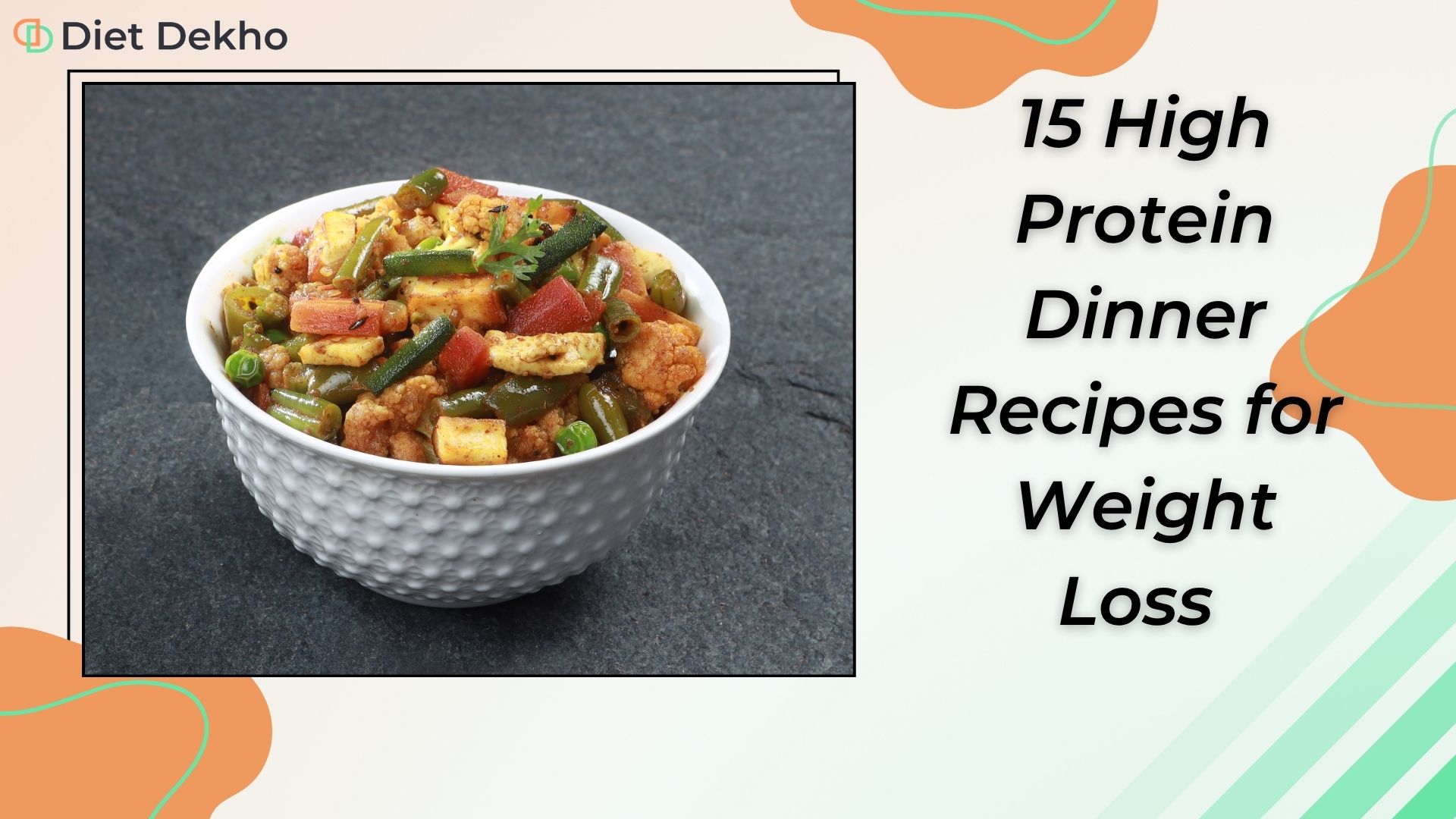
Why Your Dinner Matters for Sustainable Weight Loss
Table of Contents
- 1 Why Your Dinner Matters for Sustainable Weight Loss
- 2 The Science Behind Protein: Your Metabolic Secret Weapon
- 3 Strategic Planning: Optimizing Your High Protein Dinner
- 4 15 Delicious High Protein Dinner for Weight Loss Recipes
- 5 Avoiding 3 Common Mistakes with Your High Protein Dinner
- 6 Making High Protein Dinners a Lifelong Habit
Do you ever feel like you nail your nutrition all day, only to have uncontrollable hunger strike after sunset? The moment you settle down, the urge to consume excessively and raid the pantry feels overwhelming. If this sounds familiar, the solution may lie in strategically optimizing your evening meal. A powerful high protein dinner for weight loss is the single most effective defense against late-night cravings.
Weight management is often won or lost in the evening hours. By ensuring your dinner is rich in protein, you set yourself up for metabolic success while you sleep. This strategic meal works by managing hunger, stabilizing energy levels, and supporting your body’s recovery processes overnight.
Experts emphasize the beneficial role of protein. Debra Sullivan, Ph.D., chair of the Department of Dietetics and Nutrition at the University of Kansas Medical Center, suggests that diets rich in protein have moderate beneficial effects on body weight management. This success is rooted in two key actions: protein promotes muscle maintenance and drastically increases satiety. Prioritizing protein at dinner doesn’t just fill you up; it actively creates conditions that make achieving a healthy weight easier and more sustainable.

The Science Behind Protein: Your Metabolic Secret Weapon
Understanding why protein is so effective begins with exploring how your body processes different macronutrients. Protein is far more than just a muscle builder; it is a metabolic powerhouse. It leverages complex hormonal and thermogenic effects that fundamentally alter the energy balance equation, helping you reduce calorie input while increasing calorie output.
Activating Your Internal Furnace: The Thermic Effect of Food (TEF)
When you eat any food, your body expends energy to digest, absorb, and metabolize the nutrients. This process is called Diet-Induced Thermogenesis (DIT). Essentially, DIT is the calorie cost of eating. Protein holds a distinct advantage here: it has a markedly higher DIT compared to carbohydrates and fat.
This means that your body burns significantly more calories processing a high protein meal than it would processing a meal of the same caloric density consisting mainly of fat or refined carbohydrates. Utilizing this scientific advantage at dinner helps shift your overall energy output for the night. This higher expenditure, without requiring extra physical activity, contributes meaningfully to a negative energy balance—the state required for successful weight reduction.
Furthermore, protein plays a crucial role in maintaining lean muscle mass, or Fat-Free Mass (FFM), which is essential for a high Resting Energy Expenditure (REE). When individuals restrict calories for weight loss, the body often breaks down valuable muscle tissue along with fat. This muscle loss lowers the REE, making it harder to maintain weight loss in the long run. By ensuring adequate protein intake, particularly at dinner, you actively work to preserve this lean mass. This preservation sustains a higher baseline metabolism, making long-term weight management much more feasible after the initial phase of weight reduction.
Taming Hunger Hormones and Late-Night Cravings
The second major mechanism involves protein’s powerful regulatory effect on appetite hormones. High protein intake consistently increases satiety, or the feeling of fullness. This mechanism directly translates to a reduced subsequent energy intake. Simply put, eating protein for dinner makes you less likely to seek out snacks later.
Protein achieves this by positively altering the balance of hunger-signaling hormones in the gut. It works on both sides of the hunger equation:
- Anorexigenic Hormones (Appetite Inhibitors): Protein consumption elevates levels of hormones such as Glucagon-like peptide-1 (GLP-1), Cholecystokinin (CCK), and Peptide YY (PYY). These hormones are secreted in the gut and send strong messages of fullness to the brain, helping you feel satisfied faster and longer.
- Orexigenic Hormones (Appetite Stimulants): Crucially, protein significantly suppresses Ghrelin, which is the primary hormone that signals hunger and induces food intake. Studies confirm that liquid preloads containing protein effectively suppress ghrelin release, demonstrating protein’s ability to turn down the internal hunger switch.
The interplay of increased DIT and sophisticated hormonal regulation makes protein a unique tool. It not only reduces the desire for calorie intake by enhancing satiety but also slightly boosts the body’s energy output. This dual action creates a significantly favorable metabolic environment for sustained weight loss without relying solely on severe, restrictive dieting.

Strategic Planning: Optimizing Your High Protein Dinner
To maximize the benefits of protein for weight loss, you need a strategy that covers both quantity and timing. Arbitrarily adding protein is inefficient; structured intake ensures you maximize muscle preservation and satiety throughout the day and night.
The Gold Standard for Protein Intake
While general recommendations for healthy adults suggest 0.80 grams of protein per kilogram of body weight, those on a weight loss journey often need more. To effectively reduce muscle mass loss and boost satiety, the goal should be higher: between 1.0 and 1.2 grams of protein per kilogram of body weight.
For example, an individual weighing 175 pounds (approximately 79.5 kilograms) should aim for a daily intake of 79.5 to 95.5 grams of protein. This higher protein target should also constitute 20% to 30% of your total daily calories, substituting calories usually derived from less beneficial carbohydrates and fats.
A common mistake is trying to consume all of this protein in one go. Experts strongly recommend pacing your protein intake. Studies consistently show that consuming protein in quantities of 15 to 30 grams per meal is optimal for maximizing both satiety and muscle protein synthesis. Consuming more than 40 grams of protein in a single sitting shows no additional benefit, essentially wasting the nutrient’s potential. By distributing your protein—ensuring 15 to 30 grams at breakfast, lunch, and dinner—you maintain sustained fullness and optimize muscle recovery consistently, improving overall adherence and results.
Timing Your Dinner for Metabolic Health
The timing of your dinner can be as important as its content. Eating in alignment with your body’s internal clock, known as the circadian rhythm, is shown to enhance calorie burning efficiency and improve digestion.
Many people consume their largest meal late in the evening. However, research suggests that your body is better equipped to utilize calories earlier in the day. Making dinner earlier, potentially between 4 and 6 p.m., creates a longer overnight fasting period. This extended window without food is beneficial, as it can potentially increase fat burning and improve the regulation of hormones that impact appetite and blood sugar. Aiming to keep your overall eating window within 12 hours can reap significant metabolic benefits.
If your schedule requires you to eat later, such as if you are a “night owl” or work unusual hours, the focus remains on quality and timing before sleep. Ensure your last meal, even if it is a slightly later dinner, consists primarily of protein and is consumed two to three hours before bedtime. This timing allows for maximal muscle repair and prevents the hunger spikes that lead to nighttime indulgence.
Macro Balance: Integrating Protein into Your Calorie Goal
While protein is the star of your dinner strategy, weight loss requires a holistic approach that incorporates balanced macronutrients—protein, carbohydrates, and fat. Protein acts as the foundation, but high-quality complex carbohydrates and healthy fats are crucial for sustained energy, hormone health, and providing necessary fiber.
A common and highly effective macronutrient split utilized by many for weight loss is 30% Protein, 40% Carbohydrates, and 30% Fat. Tracking your macronutrients ensures you achieve the necessary protein targets without accidentally consuming excessive calories from fat or sugar.
Bulk cooking and planning ahead can make monitoring your macro intake significantly easier. By prepping ingredients, you reduce the risk of overestimating portion sizes and stay within your calorie goals.
For a practical example, consider an individual aiming for an 1800-calorie daily intake on a 30/40/30 split:
Macro Calculation Example for Weight Loss (1800 Calories)
| Macronutrient | Target % of Calories (30/40/30 Split) | Calories Allocated | Grams per Day |
| Protein | 30% | 540 calories (540 / 4) | 135 grams |
| Carbohydrates | 40% | 720 calories (720 / 4) | 180 grams |
| Fat | 30% | 540 calories (540 / 9) | 60 grams |
The daily protein goal for this example is 135 grams, which must be spread across all meals and snacks, aiming for about 30 grams at dinner. For personalized guidance on how to track these numbers effectively, especially when managing complex eating schedules, read our comprehensive guide on Counting Macros for Weight Loss for personalized results.

15 Delicious High Protein Dinner for Weight Loss Recipes
A truly successful diet is one that offers variety and flavor, preventing the inevitable burnout that comes from eating the same bland meals. These recipes are designed to be delicious, easy to prepare, and deliver the 15 to 30 grams of protein necessary to keep you satisfied until morning.
Cluster 1: Lean Animal Protein Powerhouses (The Classics)
These recipes prioritize lean meats and seafood, which are excellent sources of complete protein and generally low in saturated fat.
- High Protein Tuscan Chicken: This one-pot meal is a comfort classic reimagined. It uses blended low-fat cottage cheese instead of heavy cream to create a rich, creamy sauce while dramatically boosting protein content. This strategic swap results in approximately 50 grams of protein per serving, making it a powerful dinner choice.
- Sheet Pan Salmon and Asparagus: Salmon provides 17 to 20 grams of protein per 3-ounce fillet, along with vital Omega-3 fatty acids. Roasting salmon and fresh asparagus together on a single sheet pan minimizes cleanup and maximizes nutrient retention.
- Instant Pot Chicken Stroganoff: A quick, comforting meal ready in under 30 minutes. By using lean chicken breast and substituting high-fat cream with Greek yogurt, this recipe delivers a rich flavor and approximately 38 grams of protein per serving.
- Chicken Tinga Tostadas: Use shredded, lean chicken breast over baked or air-fried tostada shells. Top with high-fiber ingredients like black beans, chopped lettuce, and a sprinkle of low-fat cheese. This meal effectively combines fiber and protein to prolong fullness.
- Roasted Turkey Medallions: Lean turkey is an often-overlooked source of protein. A typical serving offers around 22 grams of protein. Roast the medallions with herbs and pair them with a side of mashed cauliflower instead of potatoes for a hearty, filling, lower-carb option.
Cluster 2: Plant-Based and Vegetarian Protein Builders
Incorporating plant proteins is crucial for digestive health and variety. These options are naturally high in fiber and complex carbohydrates.
- Lentil and Walnut Zucchini Boats: These are substantial and delicious. They utilize lentils and walnuts, packing approximately 20 grams of protein per serving. Halve zucchini, scoop out the center, and fill it with the hearty mixture before baking.
- Tofu and Broccoli Green Curry: Tofu is incredibly versatile, offering about 9 grams of protein per 3-ounce serving. Sauté firm tofu with vibrant broccoli and a light green curry sauce made with coconut milk. Curry spices add deep flavor, preventing flavor fatigue.
- Protein-Packed Lentil & Quinoa Salad: Perfect for batch cooking and meal prep, this salad combines cooked lentils and quinoa, two protein heavyweights. It offers high fiber and roughly 19 grams of protein per serving. Dress lightly with lemon vinaigrette.
- Black Bean & Rice Enchiladas: Legumes are excellent for satiety. Black beans provide 7.7 grams of protein per half cup. Use whole-wheat tortillas and fill them with a mix of black beans, brown rice, and mild enchilada sauce for a satisfying, fiber-rich dinner.
- Roasted Veggies with Halloumi & Chickpeas: This savory, meatless dinner uses eggs, chickpeas, and halloumi cheese to easily surpass the 15-gram protein threshold. Roasting brings out the sweetness of vegetables like bell peppers and zucchini, making this a delicious and filling option.
Cluster 3: Quick Swaps and Meal Prep Heroes
For those weeknights when time is limited, these meals deliver high protein with minimal effort.
- Savory Cottage Cheese Bowl: This is perhaps the quickest protein fix available. A half cup of low-fat cottage cheese provides 12.4 grams of protein. Elevate it by adding savory ingredients like canned black beans, diced sweet potatoes, and black pepper.
- Shredded Chicken Meal Prep Base: Batch cooking is essential for adherence. Place skinless chicken breasts in a slow cooker with bone broth and cook until tender. Shred the chicken lightly, seasoning only with salt and pepper, making it a versatile protein base for stir-fries, bowls, or taco fillings throughout the week.
- Wild Rice Bowl with Red Lentil Curry: Combine complex, slow-digesting carbohydrates (wild rice) with a quick red lentil curry for a substantial meal that prevents hunger spikes. This dish emphasizes balancing macros for sustained energy.
- Hummus Pasta: This is a creative, plant-based way to enjoy pasta. The sauce is made primarily from creamy hummus, blending legumes and healthy fats with al dente pasta. This recipe offers an unexpected and delicious path to incorporating more plant-based protein.
- Stuffed Sweet Potatoes with Chili: Baked sweet potatoes are high in fiber. Stuff them with a portion-controlled lean turkey or lentil chili. This low-calorie, high-fiber, and high-protein dinner maximizes satisfaction without excessive energy intake.
Avoiding 3 Common Mistakes with Your High Protein Dinner
While increasing protein is beneficial, simply focusing on “more” can sometimes be detrimental. Adopting a high-protein approach requires attention to the quality of food, hydration, and overall balance. Ignoring these details is a common reason people stop seeing results or experience unpleasant side effects.
Neglecting Quality and Focusing Only on Quantity
The biggest trap in high-protein dieting is replacing high-carb foods with protein sources that are also high in saturated fat, sodium, and additives. For instance, relying heavily on fast foods, processed deli meats, canned meats, or fried products often defeats the purpose of eating healthfully. These items may meet the protein quota but contribute excessive sodium and unhealthy fats, which can negatively impact cardiovascular health.
To truly benefit, you must prioritize whole-food protein sources. Choose lean meats (skinless chicken and turkey, and cuts of beef or pork labeled “loin” or “round” because they are lowest in fat), seafood, eggs, legumes, and low-fat dairy. Remember that the true health benefit of protein comes from replacing high-fat or refined carbohydrate calories with beneficial, lean protein.
Failing to Hydrate and Integrate Fiber
As you increase protein, you must also increase your fiber and water intake. This relationship is a critical feedback loop often missed by those new to high-protein diets. Animal proteins inherently lack fiber. A diet low in fiber often leads to uncomfortable digestive issues, most notably constipation.
Furthermore, metabolizing protein is chemically taxing. When protein is processed, it produces nitrogen, which your body must flush out through fluids. If you fail to drink sufficient water, you risk dehydration and increased strain, especially on the kidneys. To counter this, target at least 64 ounces of water daily. Make a conscious effort to pair your lean protein dinner with fiber-rich side dishes, such as vegetables, whole grains, or beans, to maintain digestive regularity.
Overlooking the Need for Macronutrient Balance
The exceptional satiety provided by protein can be a double-edged sword. Protein fills you up fast and digests slowly. If you focus exclusively on protein, you may neglect other essential food groups, leading to deficiencies in vital micronutrients. Plant foods are primary sources of vitamins A and C, potassium, and protective antioxidants.
Moreover, consuming protein without regard for total calories can result in weight gain. Even though protein has a high DIT, a gram of protein still contains four calories. If you replace a low-calorie salad with a protein-rich dish that is also loaded with hidden fats (like excessive cheese or sauces), you might inadvertently exceed your total energy goal. Therefore, the plan must remain balanced, ensuring adequate healthy fats and complex, fiber-rich carbohydrates alongside your protein target. Tracking your total calorie and macronutrient intake ensures that the high-protein strategy supports, rather than sabotages, your overall weight loss objective.
Making High Protein Dinners a Lifelong Habit
Optimizing your high protein dinner for weight loss is one of the most effective and sustainable nutritional strategies available. It is a powerful tool because it works on multiple metabolic fronts: it controls your appetite by regulating key hunger hormones (Ghrelin suppression), it boosts your metabolism through the high thermic effect of food, and it protects your valuable lean muscle mass.
The most effective healthy eating plan is ultimately the one you can follow consistently for a long time. Start small. Incorporate one or two of the 15 recipes listed above into your weekly routine, aiming for that optimal 15-to-30-gram protein target each evening. Remember to pair your dinner with fiber-rich vegetables and prioritize hydration to ensure your journey is comfortable and successful.
Ready to put these principles into action and transform your health journey?
Take control of your nutrition and discover customized meal plans and further support from Diet Dekho’s wellness experts. Start your personalized journey today!

Abhinav is the Founder of Diet Dekho, helping people manage weight and lifestyle health through simple, practical nutrition and personalized diet plans.