The transition into the fourth decade of life often brings a silent shift in a woman’s physiology that many find unexpected. For many busy Indian women, a routine medical checkup reveals a rising number on the blood pressure monitor, prompting a sudden need for a BP diet for women 40+ to protect long-term vitality. This change often coincides with the demanding years of balancing career peaks and household management, leaving little room for complex health regimens or gym-based routines.
An effective BP diet for women 40+ focuses on the DASH (Dietary Approaches to Stop Hypertension) framework, emphasizing high potassium, magnesium, and calcium intake while limiting sodium to 1,500–2,300 mg daily. By integrating traditional Indian staples like ragi, lauki, and therapeutic spices such as garlic, women can stabilize blood pressure and manage the hormonal fluctuations of perimenopause effectively.
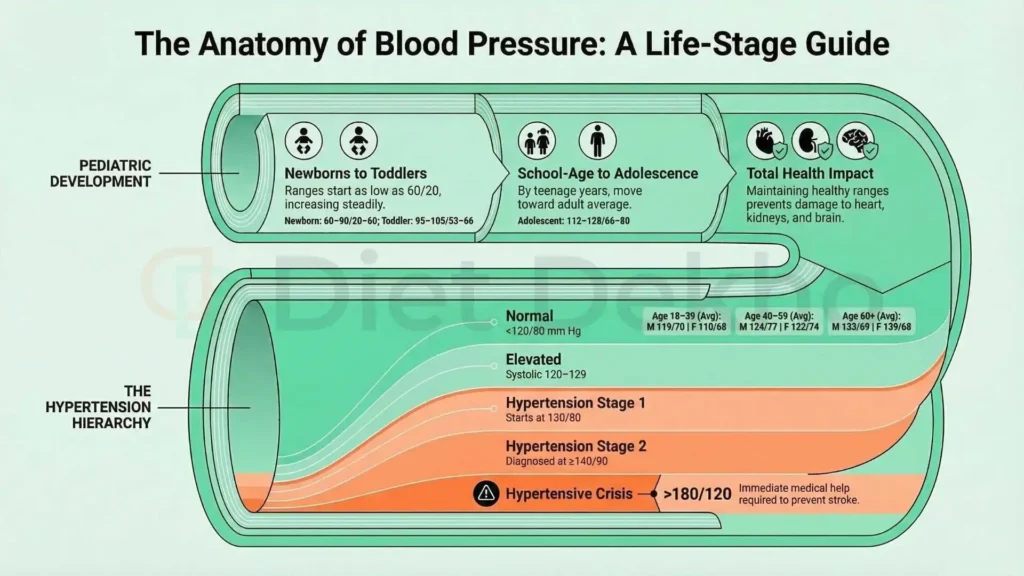
The Biological Crossroads of the Fourth Decade
Table of Contents
- 1 The Biological Crossroads of the Fourth Decade
- 2 Analyzing the Epidemiological Shift in Indian Women
- 3 The DASH Diet as a Scientific Foundation
- 4 Traditional Indian Staples for BP Management
- 5 The Therapeutic Potential of Indian Spices
- 6 Managing Hidden Sodium and Salt Sensitivity
- 7 Non-Gym Activity: Harnessing the Power of Movement
- 8 Stress Reduction and the Role of Sleep
- 9 Hormone Balance through Specific Nutrients
- 10 A Realistic Meal Framework for the Busy Woman
- 11 Navigating Social Dining and Travel
- 12 The Importance of Proactive Screening
- 13 FAQs
- 14 Reclaiming Your Health with Small, Consistent Steps
- 15 Contact Us
- 16 Disclaimer
The onset of perimenopause, typically occurring between ages 40 and 60, represents a pivotal hemodynamic shift for the female body. During these years, the gradual decline of estrogen fundamentally alters how the cardiovascular system functions. Estrogen acts as a natural protective shield for the blood vessels, promoting the production of nitric oxide, which helps the arteries remain flexible and dilated. When these hormone levels begin to fluctuate and drop, the blood vessels experience increased stiffness, requiring the heart to pump with more force to circulate blood throughout the body.

Beyond arterial stiffness, the loss of estrogen increases the body’s sensitivity to dietary salt. A woman who could previously handle a higher sodium intake may find that her body starts retaining more fluid after age 40, leading to a rise in blood volume and pressure. This transition is often accompanied by a shift in fat distribution, where weight moves from the hips to the abdominal area. This visceral fat is metabolically active and produces inflammatory markers that further exacerbate hypertension and insulin resistance.
The clinical reality for many women is that these biological changes happen while they are under peak psychological stress. Balancing the needs of growing children, aging parents, and professional responsibilities leads to chronically elevated cortisol levels. High cortisol acts as a catalyst for weight gain and systemic inflammation, creating a perfect storm for cardiovascular decline. Understanding these mechanisms allows for a more targeted and empathetic approach to dietary management, focusing on mineral density and hormone regulation rather than simple calorie restriction.

Analyzing the Epidemiological Shift in Indian Women
The National Family Health Survey-5 (NFHS-5) data reveals a sobering picture of hypertension in India, with prevalence rates rising significantly with age. For women, the shift from premenopause to postmenopause marks a fourfold increase in the likelihood of developing high blood pressure. National statistics show that hypertension prevalence among adults in India increased from 18.1% in 2015-2016 to 22.8% in 2019-2021, with age 40 and above being a primary risk factor.
| Demographic Category | Hypertension Prevalence (%) | Significance for 40+ Women |
| National Adult Average | 28.1% | General risk level in India. |
| Women Aged 15–49 | 21.3% | Baseline risk before menopause. |
| Age Group 41–55 | 22.0% | Sharp rise at the start of perimenopause. |
| Age Group 45+ | 45.9% | Nearly half of this demographic is affected. |
| Richest Wealth Quintile | 13.48% | Higher risk due to processed food access. |

The disparities in blood pressure control are particularly stark in India. Only about 10% of adults with hypertension achieve optimal blood pressure control, often due to a lack of awareness and a failure to adapt dietary habits to their changing biology. For women in urban centers, the risk is slightly higher at 13.53% compared to 11.98% in rural areas, likely due to higher sedentary levels and increased consumption of convenience foods.
Regional data further highlights the need for localized intervention. States like Punjab and Kerala report hypertension prevalence rates as high as 51.8% and 47.6%, respectively. In Kerala, even with superior health indicators and high life expectancy, the control rates for hypertension remain low, suggesting that medical care alone is insufficient without a robust BP diet for women 40+ that integrates into local culinary traditions.

The DASH Diet as a Scientific Foundation
The Dietary Approaches to Stop Hypertension (DASH) eating plan is the most researched nutritional strategy for managing high blood pressure. Unlike fad diets, DASH focuses on the synergy of minerals-specifically potassium, calcium, and magnesium-to regulate vascular tone and fluid balance. For a woman over 40, these minerals do double duty by supporting heart health while also protecting bone density, which often begins to decline during the menopausal transition.
The standard DASH plan allows for 2,300 mg of sodium daily, but clinical trials show that a lower limit of 1,500 mg is significantly more effective for those with existing hypertension or those over 40. This reduction in salt works by decreasing the amount of water the body holds, thereby reducing the physical pressure on the walls of the blood vessels.
| Nutritional Component | Recommended Daily Goal | Primary Sources |
| Sodium | 1,500–2,300 mg | Herbs, spices, lemon. |
| Potassium | 4,700 mg | Bananas, potatoes, spinach. |
| Magnesium | 500 mg | Nuts, seeds, whole grains. |
| Calcium | 1,250 mg | Low-fat curd, milk, ragi. |
| Fiber | 30 g | Legumes, whole grains, fruits. |
Implementing this framework does not require imported or expensive foods. The dietitian recommends using everyday Indian ingredients to meet these goals. For instance, replacing white rice with millets or adding a bowl of local greens to every meal can shift the mineral balance in favor of lower blood pressure.

Traditional Indian Staples for BP Management
The Indian kitchen is naturally equipped with the components of a healthy BP diet for women 40+. Traditional wisdom aligns with modern science when focusing on high-fiber, mineral-dense staples. For a busy professional or a homemaker, using these ingredients ensures that health management does not feel like an additional chore.
The Role of Millets and Whole Grains
Millets such as Jowar, Bajra, and Ragi are superior to refined wheat and polished rice for cardiovascular health. Ragi is particularly valuable for women over 40 because it is an exceptional source of calcium and magnesium, helping to stabilize both blood pressure and the nervous system during hormonal fluctuations. These complex carbohydrates break down slowly, preventing the insulin spikes that contribute to arterial inflammation.
High-Potassium Vegetables for Fluid Balance
Vegetables like Lauki (bottle gourd), Tinda, and Bhindi are not just light on the stomach; they are essential for managing fluid retention. Lauki is highly hydrating and low in sodium, making it a perfect base for a heart-healthy lunch. Dark leafy greens like Palak (spinach) and Methi (fenugreek) provide a concentrated dose of magnesium and folate, both of which are critical for maintaining healthy endothelial function and reducing the risk of stroke.
Legumes and Plant-Based Proteins
For non-gym audiences who need sustainable energy, dals and legumes are the foundation of the BP diet for women 40+. Moong dal, Arhar dal, and Chana are rich in fiber and potassium. Soy products such as tofu or soy milk are especially beneficial for women in perimenopause because they contain phytoestrogens, which may provide mild relief from menopausal symptoms while supporting heart health.

The Therapeutic Potential of Indian Spices
Spices are more than just flavor enhancers; they are potent bioactive agents that can complement medical therapy. For a woman over 40, using therapeutic levels of specific spices can lead to measurable improvements in blood pressure readings within weeks.
Garlic: The Natural Vasodilator
Garlic contains allicin, a compound that enhances the production of nitric oxide and helps the blood vessels relax. Clinical studies suggest that regular garlic consumption can lower systolic blood pressure by 8–10 mmHg. To maximize benefits, the dietitian suggests crushing one or two raw cloves and letting them sit for five minutes before adding them to food, as this air exposure activates the therapeutic enzymes.
Turmeric and Black Pepper
Curcumin, the active compound in turmeric, is a powerful anti-inflammatory that helps reduce arterial stiffness. When combined with black pepper, which contains piperine, the absorption of curcumin increases significantly. This combination helps protect the lining of the blood vessels from oxidative stress, which is often higher during the menopausal transition.
Cardamom and Cinnamon
Cardamom acts as a natural diuretic, helping the body flush out excess sodium and water, which directly lowers the volume of blood the heart has to pump. Cinnamon adds warmth to the diet and has been shown to improve insulin sensitivity and vessel relaxation when used consistently over 8 to 12 weeks.

Managing Hidden Sodium and Salt Sensitivity
Reducing salt intake is often the hardest part of a BP diet for women 40+ because salt is deeply ingrained in Indian culinary habits. However, after age 40, the kidneys become less efficient at processing excess sodium, leading to more pronounced spikes in blood pressure after a salty meal.
| Hidden Sodium Source | Why It Is Dangerous | Healthier Alternative |
| Pickles and Murabba | High salt used as a preservative. | Fresh lemon or mint chutney. |
| Papad and Namkeen | Contains hidden salts like baking soda. | Roasted chana or makhana. |
| Packaged Soups | Extremely high in sodium per serving. | Home-cooked dal or vegetable soup. |
| Bread and Biscuits | Sodium is used to extend shelf life. | Homemade rotis or daliya. |
The dietitian recommends leaving the salt shaker off the table and using acidic flavors like lemon juice, tamarind, or amchur (dry mango powder) to provide the zingthat salt usually provides. It is a biological fact that taste buds take about two to three weeks to adjust to lower salt levels, after which natural flavors become more prominent.
Non-Gym Activity: Harnessing the Power of Movement
For a busy professional or homemaker, the idea of a gym can feel overwhelming and inaccessible. Fortunately, the heart does not care if movement happens on a treadmill or in a living room. Practical activity strategies are highly effective for managing hypertension.
The Science of Isometric Holds
Isometric exercises, where a muscle is held in a static position, are among the most effective for lowering blood pressure. The wall sit is a prime example. Leaning against a wall in a squat position for two minutes, repeated four times with a short rest in between, creates a unique vascular response that lowers pressure effectively. Hand-grip exercises using a simple spring-loaded device also provide similar benefits.
Chores as Functional Fitness
Household activities can serve as legitimate exercise when performed with intention. Sweeping, mopping, and gardening engage major muscle groups and elevate the heart rate. To increase the impact, one might increase the pace of these tasks or use wide arm movements while dusting. Squatting to organize lower shelves instead of bending at the waist adds a strength-training component that helps maintain bone density and metabolic rate.
Micro-Movements for the Professional
The dietitian understands that back-to-back meetings make long walks difficult. Micro-movements offer a solution. Marching in place during a phone call, taking the stairs instead of the elevator, or performing calf stretches while waiting for a kettle to boil all contribute to the daily activity goal. Even five minutes of standing or stretching can break the cycle of sitting and help stabilize blood pressure throughout the work day.
Stress Reduction and the Role of Sleep
Stress is not just a feeling; it is a physical state that constricts blood vessels and forces the heart to work harder. For women over 40, managing stress is a non-negotiable part of a BP diet for women 40+. Chronic psychological distress often leads to emotional eating and a lack of physical activity, which are established risk factors for hypertension.
Deep breathing exercises for just three minutes can dial down the stress response and steady the heart rate. Similarly, prioritizing quality sleep is essential. Sleep disruption, common during perimenopause, can increase nocturnal blood pressure and worsen the risk of long-term cardiovascular damage. Creating a calming evening routine, perhaps involving a warm cup of herbal tea and avoiding screens, can help signal to the body that it is time to rest and recover.
Hormone Balance through Specific Nutrients
The decline of estrogen requires nutritional compensation to keep the body in balance. Certain foods act as natural allies in regulating the hormonal shifts that drive blood pressure changes.
Phytoestrogens and Flaxseeds
Flaxseeds are a source of lignans, which are phytoestrogens that can help balance fluctuating estrogen levels. Adding a tablespoon of ground flaxseeds to curd or a smoothie provides both hormonal support and heart-healthy omega-3 fatty acids. These seeds also offer soluble fiber, which helps manage the cholesterol changes that often accompany menopause.
Magnesium for the Nervous System
Magnesium is a critical mineral for women over 40. It helps alleviate the muscle cramps, irritability, and sleep disturbances associated with hormonal shifts. Foods like almonds, walnuts, and pumpkin seeds are excellent sources. A small handful of soaked almonds in the morning can provide a steady start to the day, helping to manage the cortisol release caused by stress.
Healthy Fats for Vascular Health
While saturated fats should be limited, healthy unsaturated fats are essential. Monounsaturated fats found in avocados, mustard oil, and groundnut oil help maintain the elasticity of the arteries. Omega-3 fatty acids, found in fatty fish like mackerel or plant sources like chia seeds, are particularly beneficial for reducing inflammation and protecting the heart.
A Realistic Meal Framework for the Busy Woman
The dietitian suggests a simple meal framework that fits into an Indian lifestyle without requiring hours of preparation. The focus is on whole, unprocessed foods that can be cooked in bulk or prepared quickly.
Breakfast Ideas
A high-protein, high-fiber breakfast stabilizes blood sugar and provides energy for the morning. Options include:
- A bowl of oats with low-fat milk, a sliced banana, and a few almonds.
- A vegetable poha with peanuts and a side of fresh fruit.
- A moong dal chilla with mint chutney and a small bowl of papaya.
Lunch and Dinner Strategies
For the main meals, the half-platerule is effective. Fill half the plate with vegetables, one-quarter with whole grains, and one-quarter with lean protein.
- Two small whole-wheat or bajra rotis with a large bowl of dal and a mixed vegetable curry.
- Brown rice with rajma and a side of stir-fried green beans.
- Grilled paneer or chicken with sautéed spinach and a cucumber-onion salad.
Smart Snacking
Snacks are where many diets fail. Healthy options that can be kept in a desk drawer or handbag include:
- Roasted chana or makhana.
- A cup of buttermilk (chaas) without added salt.
- A handful of mixed nuts or a piece of whole fruit like an apple or guava.
For professionals, social dining and travel are often unavoidable. The dietitian recommends strategies to stay on track without missing out on the social aspects of life.
- Research Menus: Look at menus ahead of time and choose dishes that are grilled, roasted, or steamed rather than fried.
- Make Special Requests: Ask for dishes to be prepared with less salt or for the sauce to be served on the side.
- Opt for Simple Sides: Choose a side salad or steamed vegetables instead of fries or bread baskets.
- Watch the Drinks: Alcohol can significantly increase blood pressure. Limit consumption to no more than one drink per day for women, and choose water or unsweetened herbal tea as a primary beverage.
The Importance of Proactive Screening
Hypertension is known as a silent killer because it often presents no symptoms until it reaches a critical level. For women over 40, regular screening is the most important tool for early detection. The dietitian recommends checking blood pressure at least once a year, or more frequently if there are risk factors like a family history of heart disease or high BMI.
New research suggests that in the Indian population, blood pressure begins to rise significantly between ages 35 and 39, leading some experts to advocate for mandatory screening starting at age 35. Proactively monitoring your numbers allows for lifestyle adjustments before medication becomes necessary.
FAQs
Q1: How can I follow a BP diet for women 40+ if I have to eat in a hostel or office canteen?
Focus on choosing the simplest items available. Opt for dal and dry sabzis instead of gravies that are often high in salt and oil. Carry your own snacks like roasted chana or nuts to avoid the temptation of samosas or biscuits. If curd is available, have a bowl with every meal to increase your potassium and calcium intake.
Q2: Is pink salt or rock salt better for my blood pressure?
While pink salt contains trace minerals, it is still primarily sodium chloride and will raise your blood pressure just like table salt. The goal of a BP diet for women 40+ is to reduce total sodium intake, regardless of the source. Use spices and herbs to provide flavor instead of relying on different types of salt.
Q3: I love pickles; do I have to give them up completely?
Traditional Indian pickles are preserved with very high amounts of salt and oil. For someone managing high blood pressure, it is best to avoid them. The dietitian suggests making fresh, instant pickles with lemon juice, ginger, and green chilies, which provide the same tangy flavor without the dangerous sodium levels.
Q4: Can herbal teas like hibiscus really help lower blood pressure?
Yes, some research suggests that unsweetened hibiscus tea can reduce systolic blood pressure. It acts as a mild natural diuretic and is rich in antioxidants that support heart health. However, it should be a part of an overall healthy diet and not a replacement for medication if your doctor has prescribed it.
Q5: What should I do if I have a cheat day and eat very salty food?
Don’t panic. One meal will not undo all your progress. The dietitian recommends increasing your water intake and eating high-potassium foods like bananas or coconut water the next day to help your body flush out the excess sodium. Return to your routine immediately without feeling guilty.
Reclaiming Your Health with Small, Consistent Steps
The dietitian understands that finding time for health can feel like an impossible task when you are already stretched thin. However, the years between 40 and 60 are a critical window for protecting your future. By making small, sustainable shifts in your kitchen-choosing ragi over white flour, adding crushed garlic to your dal, and doing a few wall sits while the tea brews-you are taking significant steps to protect your heart.
These changes are not about restriction; they are about nourishing your body with what it needs to handle a natural biological transition. You have spent decades taking care of others. Now, let these small daily habits be the way you take care of yourself.
Ready to personalize your heart-health journey?
Contact Us
We understand how overwhelming nutrition and weight loss information can feel. With so many opinions and confusing advice online, it’s easy to feel stuck or unsure about what to do next.
At Diet Dekho, you never have to figure it out alone. You can contact us anytime with any questions or concerns. Our expert dietitians are available 24/7 to guide, support, and help you stay on track. Whether your goal is weight loss or building healthier habits, we’re here to make the journey simpler and more sustainable for you.
Disclaimer
This blog is intended to help readers make healthier food choices. Your health should always be the top priority. Before starting any restrictive or special diet, especially if you have a medical condition or health concern, please consult a doctor or a qualified dietitian. Each body responds differently to food and lifestyle changes. Always choose what is safe and suitable for you.

Abhinav is the Founder of Diet Dekho, helping people manage weight and lifestyle health through simple, practical nutrition and personalized diet plans.