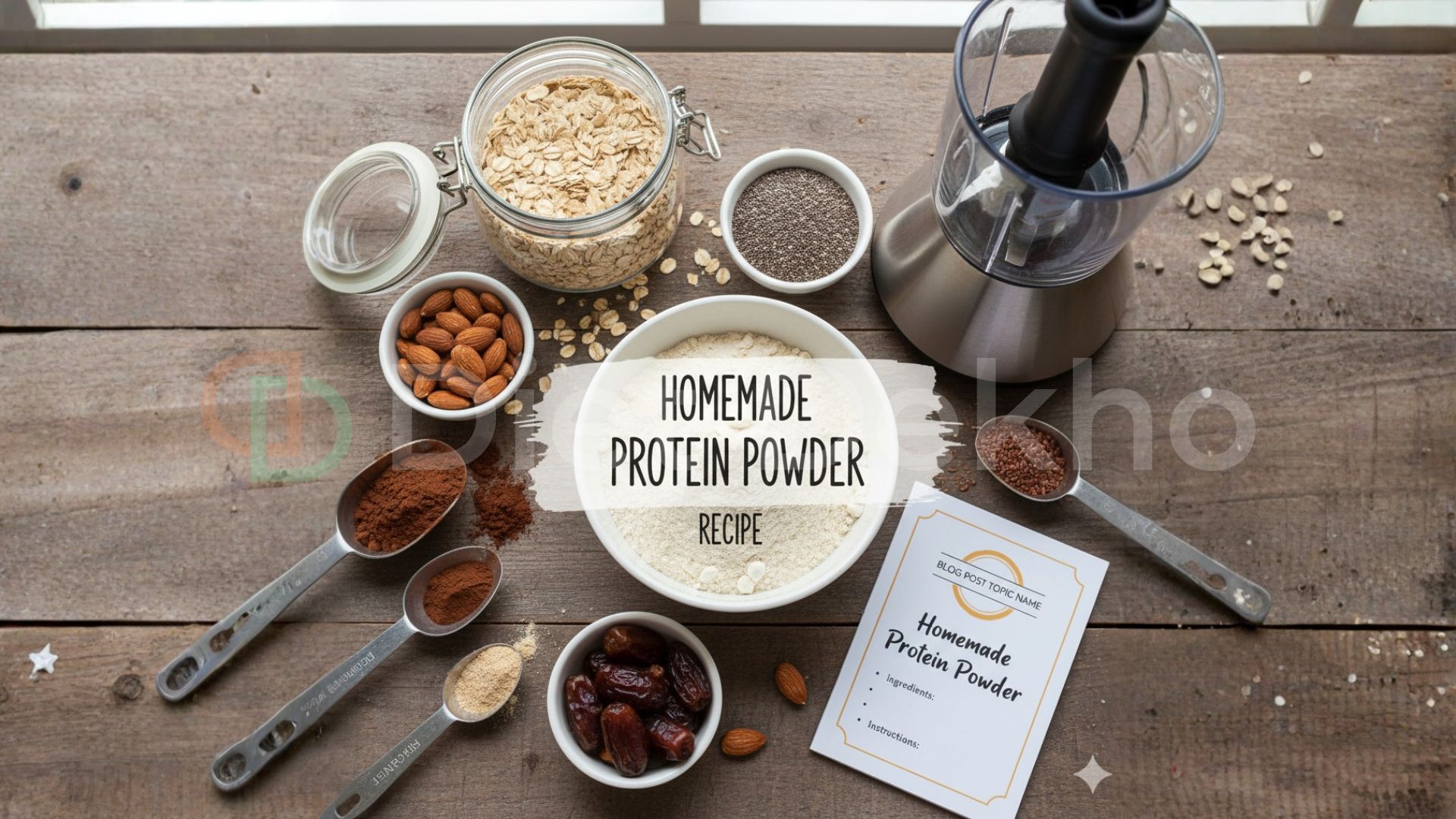
Have you ever looked at the back of a shiny protein powder tub and felt like you needed a PhD in chemistry to understand the label? You see terms like “acesulfame potassium,” “soy lecithin,” and “natural flavors” that don’t sound very natural at all. Many people start their fitness journey hoping to get healthy, but they end up chugging a cocktail of thickeners, artificial sweeteners, and industrial byproducts. Here is the thing: your body deserves better than a processed powder that was sitting in a warehouse for six months. What this really means is that taking control of your nutrition starts with a simple homemade protein powder recipe. Let’s break down why making your own blend is the most powerful move you can make for your health.
The Toxic Reality of the Commercial Supplement Industry
Table of Contents
- 1 The Toxic Reality of the Commercial Supplement Industry
- 2 Understanding Your Real Protein Requirements
- 3 The Harvard “Protein Package” Concept
- 4 Core Ingredients for Your DIY Protein Powder
- 5 Solving the Digestive Puzzle of Protein Shakes
- 6 The Economic Impact: Saving Money with DIY
- 7 How to Make Protein Powder at Home: A Step-by-Step Guide
- 8 Formulating for Your Specific Goals
- 9 Clinical Safety and Drug Interactions
- 10 Advanced Flavoring and Texture Tips
- 11 Storage and Shelf Life Management
- 12 Integrating Your Powder into a Daily Routine
- 13 Frequently Asked Questions (Google Snippet Optimized)
- 14 Conclusion: Taking the Next Step in Your Journey
The supplement industry often feels like the Wild West because the FDA does not regulate these products like food or drugs. Companies can sell products for years before any independent group tests them for safety. When tests finally happen, the results are often terrifying. Research conducted by the Clean Label Project found that 40% of the 133 best-selling protein powders contained elevated levels of heavy metals. These aren’t just trace amounts that your body can easily flush out. Some products exceeded safety limits for lead, arsenic, and cadmium by more than double.
Heavy Metals and Your Long-Term Health
When you consume these powders daily, these toxins build up in your system. Lead can damage the brain and kidneys, while cadmium is a known carcinogen linked to bone weakening. Even “organic” products are not safe. In many cases, organic plant-based powders contain twice as much cadmium as non-organic ones. This happens because plants naturally absorb metals from the soil. Industrial processing concentrates these metals right along with the protein. By choosing a homemade protein powder recipe, you bypass this industrial concentration process.
| Heavy Metal | Prevalence in Supplements | Potential Health Impact |
| Lead (Pb) | 70% of products tested | Kidney damage, brain dysfunction |
| Cadmium (Cd) | 74% of products tested | Renal disease, weakened bones |
| Arsenic (As) | Significant in “Mass Gainers” | Skin lesions, cancer risk |
| BPA/BPS | 55% of products tested | Endocrine disruption, developmental issues |
The Hidden Danger of Artificial Additives
Store-bought powders usually rely on “sugar alcohols” like erythritol or xylitol to taste sweet without the calories. While these are technically “sugar-free,” they often cause major digestive issues. Your gut bacteria ferment these alcohols, which leads to bloating and gas. Many beginners think they are sensitive to protein, but they are actually reacting to the sweeteners. A diy protein powder allows you to use real ingredients like dates or monk fruit for sweetness. This keeps your digestion smooth and your energy levels stable.
Understanding Your Real Protein Requirements
Before you start blending, you need to know how much protein you actually need. Most people are overeating protein because of aggressive marketing. The National Academy of Medicine recommends about 0.8 grams of protein for every kilogram of body weight. For a 140-pound person, that is only about 50 grams a day. If you weigh 200 pounds, you only need about 70 grams. Most of us already get this from our daily meals.
The Myth of Excessive Protein for Muscle Gain
There is a common belief that more protein always means more muscle. However, science tells a different story. Raising your intake above 1.2 grams to 1.6 grams per kilogram of body weight shows no significant benefit for muscle mass. Your body can only process so much at once. Anything extra is either burned for energy or stored as fat. Even worse, too much protein can strain your kidneys and liver over time.1 This is especially true if you are not very active.
| Person’s Weight | Recommended Daily Protein (RDA) | High-Activity Goal (Max) |
| 140 lbs (63.5 kg) | 51 grams | 101 grams |
| 160 lbs (72.5 kg) | 58 grams | 116 grams |
| 180 lbs (81.6 kg) | 65 grams | 130 grams |
| 200 lbs (90.7 kg) | 72 grams | 145 grams |

The Nitrogen Balance Factor
Scientists measure your protein needs using something called “nitrogen balance.” Protein is the only macronutrient that contains nitrogen.9 If you are losing more nitrogen than you take in, your body is breaking down its own muscle. If you take in more than you lose, you are in an “anabolic” state for growth. Most healthy adults are in a state of equilibrium. Using a natural protein powder recipe helps you maintain this balance without the inflammatory side effects of processed isolates.
The Harvard “Protein Package” Concept
Harvard researchers emphasize that we shouldn’t just look at the grams of protein. We must look at the “protein package”. This refers to everything else that comes with the protein. A steak comes with saturated fat and cholesterol. A cup of lentils comes with fiber and potassium. Research shows that the source of your protein determines your long-term heart health. People who eat more plant-based protein have a lower risk of heart disease and premature death.
Why Plant Ratios Matter
Most people eat a 1:3 ratio of plant protein to animal protein. Harvard experts suggest we should aim for at least a 1:2 ratio to protect our hearts. For even better results, a 1:1.3 ratio is recommended. Transitioning to a plant based protein powder recipe is an easy way to fix this balance. When you replace red meat with nuts and seeds, you reduce your risk of stroke and cardiovascular issues. This isn’t just about fitness; it’s about living longer.
The Satiety and Weight Loss Connection
If you are looking for simple weight loss strategies, protein is your best friend. It takes longer to digest than carbs, which keeps you full. However, commercial powders often lack fiber, which leads to “nutrient displacement”. You drink a shake, feel full for an hour, and then get hungry because you missed out on real food nutrients. A homemade blend uses whole seeds that are packed with fiber. This fiber slows down digestion and prevents the “crashing” feeling often associated with cheap supplements.
Core Ingredients for Your DIY Protein Powder
To build the best homemade protein powder for muscle gain or weight loss, you need to understand your building blocks. Each seed and nut offers a unique nutritional profile. By mixing them, you create a “complete” protein that contains all nine essential amino acids.
Hemp Seeds: The King of Plant Protein
Hemp seeds, also known as hemp hearts, are a complete protein source. They contain two easily digestible proteins called edestin and albumin. Unlike whey, hemp protein rarely causes bloating or gas. They are also rich in omega-3 and omega-6 fatty acids, which fight inflammation. One serving (3 tablespoons) provides about 9.5 grams of protein.
| Nutrient | Amount per 100g of Hemp Seeds | Benefit |
| Protein | 31.6 grams | Muscle repair |
| Omega-3 | High | Brain health |
| Magnesium | 700mg+ | Muscle relaxation |
| Iron | High | Energy levels |
Pumpkin Seeds: The Mineral Powerhouse
Pumpkin seeds, or pepitas, are incredibly dense in nutrients. They offer about 30 grams of protein per 100 grams. They are also one of the best sources of magnesium and zinc. Magnesium is crucial for blood pressure control and bone health. Zinc supports your immune system and skin health. These seeds also contain tryptophan, which helps your body produce serotonin and melatonin for better sleep.
Chia and Flax: The Fiber Specialists
These seeds play a key role in sugar free protein powders because of their exceptional fiber content. Known for their ability to absorb up to ten times their weight in water, chia seeds support hydration and help you feel full for longer.They provide about 17 grams of protein per 100 grams. Flax seeds are famous for their lignans, which have antioxidant properties that may protect against cancer. Both seeds are high in fiber, which is the missing link in most fitness diets.

Solving the Digestive Puzzle of Protein Shakes
If you have ever felt like your stomach was a balloon after a shake, you are not alone. Common digestive issues with whey protein for beginners are well-documented. Whey is a byproduct of cheese production, so it is loaded with lactose. If you have any level of lactose intolerance, your gut will react with cramping and diarrhea.
The Problem with Whey and Casein
Whey is “fast-acting,” meaning it hits your bloodstream quickly. This sounds good, but it can also cause insulin spikes. These spikes are linked to increased acne and hormonal disruptions. Casein is “slow-acting” but can be even harder to digest for people with dairy sensitivities. Switching to a homemade protein powder without whey removes these triggers entirely. You get the amino acids your muscles need without the “whey belly.”
Identifying Hidden Sensitivities
Sometimes it isn’t the protein or the lactose. It can be the “gums” used for texture. Ingredients like xanthan gum or guar gum are used to make watery powders feel thick like a milkshake. In many people, these gums cause significant bloating. When you make a diy protein powder, you use oats or chia seeds to get that creamy texture. These are real foods that your gut knows how to process.
| Symptom | Common Cause in Commercial Powders | Homemade Solution |
| Bloating | Lactose or Xanthan Gum | Use Hemp/Oats |
| Diarrhea | Sugar Alcohols (Xylitol) | Use Dates/Stevia |
| Acne | IGF-1 Spikes from Whey | Use Plant Protein |
| Constipation | Lack of Fiber | Use Flax/Chia |
The Economic Impact: Saving Money with DIY
Let’s talk about your wallet. Commercial protein is expensive. A high-quality grass-fed whey can cost up to $95 for a large tub. Even a budget half-pound bag can cost $17. If you use one scoop a day, you could be spending over $60 a month. This is a huge recurring expense for something that might contain lead.
Breaking Down the Cost per Serving
When you buy raw ingredients like bulk lentils, oats, and seeds, your cost drops dramatically. You can make an affordable protein powder diy for a fraction of the price of store-bought brands. For example, a chocolate protein powder made with soy beans and milk powder can cost as little as $8.57 per kilogram. That is roughly 50 cents a serving compared to $2 or $3 for a premium tub.
Zero-Waste and Environmental Benefits
Beyond the money, think about the plastic. Every tub of protein you buy comes with a plastic scoop and a giant plastic container. Most of these are not recycled effectively. By making your own, you can buy in bulk and store your powder in glass jars. It’s a cleaner choice for your body and the planet.
How to Make Protein Powder at Home: A Step-by-Step Guide
Making your own powder is surprisingly simple. You don’t need industrial equipment; a standard high-speed blender or a coffee grinder will do the trick. Here is the secret: you must blend each ingredient individually.
The Science of Grinding Seeds
Nuts and seeds have different levels of oil. If you throw them all in at once, you might end up with a sticky paste instead of a powder. Hard seeds like pumpkin or sunflower need about 10–15 seconds of grinding. Soft seeds like hemp or flax only need 5–10 seconds. If you grind for too long, the heat will turn the oils into butter.
The Roasting Step for Maximum Flavor
Roasting is optional but highly recommended. It does two things: it makes the powder taste toasted and delicious, and it reduces moisture. This moisture reduction helps the powder stay fresh for longer. You can roast your seeds in a pan on low heat for 4–5 minutes until they are aromatic. Just be careful not to burn them, as this destroys the delicate healthy fats.
- Clean and Prep: Wash any lentils or beans and let them dry completely.
- Gentle Roast: Dry-roast each ingredient separately on low heat.
- Cool Down: Let everything reach room temperature before grinding.
- Pulse and Blend: Pulse each ingredient into a fine flour.
- Sieve: Pass the mixture through a fine mesh to remove any large pieces.
- Storage: Place in an airtight jar in a cool, dry place.
Formulating for Your Specific Goals
One size does not fit all in nutrition. Your homemade protein powder recipe should change based on what you want to achieve. Let’s look at four specific formulations.
The Vegan Muscle Builder
For a vegan homemade protein powder, you want to combine various plant sources to ensure a complete amino acid profile. A mix of hemp, pumpkin seeds, and pea protein is powerful. If you want to go purely “pantry-based,” try this ratio:
- 1 cup Hemp Seeds
- 1/2 cup Pumpkin Seeds
- 1/2 cup Sunflower Seeds
- 1/2 cup Roasted Peanuts
The Keto Fat Burner
A keto protein powder recipe diy needs to be high in fat and very low in net carbs. Almond flour is the perfect base here. It provides 6 grams of protein per ounce and is loaded with Vitamin E.
- 1/4 cup Almond Flour
- 1/4 cup Chia Seeds
- 1/4 cup Hemp Seeds
- 2 tbsp Monk Fruit Sweetener
The High-Calorie Mass Gainer
If you struggle to put on weight, you need a homemade mass gainer. This requires more than just protein; it needs healthy complex carbs.
- 1 cup Roasted Oats
- 1 cup Roasted Moong Dal (Lentils)
- 1/2 cup Roasted Peanuts
- 1/2 cup Almonds
- 4 Seedless Dates (blended in or chopped)
The Chocolate Cravings Crusher
Making a chocolate homemade protein powder is the best way to stay on track with your diet. Real cacao powder is high in antioxidants and magnesium.
- Use any of the bases above.
- Add 2-3 tablespoons of 100% Cacao Powder.
- Add 1 teaspoon of Cinnamon (helps with blood sugar control).
- Add a pinch of Sea Salt to enhance the chocolate flavor.

Clinical Safety and Drug Interactions
Even natural products can have powerful effects on your body. It’s important to be aware of how high protein intake interacts with medications. If you are taking antibiotics like tetracycline, you should avoid protein shakes for 2 hours before and 4–6 hours after. The calcium and minerals in the powder can prevent the medicine from absorbing properly.
Managing Chronic Conditions
If you have kidney or liver disease, you must consult a professional before increasing your protein intake. Your kidneys have to filter the waste created when your body breaks down protein. For people with healthy kidneys, this isn’t an issue. However, for those with existing damage, a high-protein diet can make things worse. Always drink extra water when using protein powder to help your kidneys flush out urea.
Pregnancy and Breastfeeding
Most experts recommend that pregnant or breastfeeding women avoid commercial protein powders due to the risk of heavy metal contamination. Lead and cadmium can cross the placenta and affect the baby’s development. A homemade blend made from food-grade seeds and nuts is a much safer way to meet increased protein needs during this time.
Advanced Flavoring and Texture Tips
Once you have your base powder, the fun begins. How do you make high protein diy shakes taste like a treat? Here is where you can get creative without adding junk.
Achieving the Perfect Texture
If your shakes feel “gritty,” you probably need to grind your seeds finer or use a better thickener. Roasted oats are the secret weapon here. When oats hit liquid, they “plump” up and create a creamy mouthfeel. If you want a “fluffy” shake, try blending your powder with frozen cauliflower or frozen banana. The frozen veggies add volume and nutrients without changing the taste.
Natural Sweeteners and Spices
Avoid white sugar at all costs. Instead, use these natural options:
- Vanilla Bean: Scrape a real vanilla bean into your powder for an incredible aroma.
- Freeze-Dried Berries: Grind up freeze-dried raspberries or strawberries for a fruity pink powder.
- Maca Powder: Adds an earthy, nutty flavor and can help with energy levels.
- Jaggery or Dates: These provide a caramel-like sweetness and essential minerals.
Storage and Shelf Life Management
Because your homemade powder has no preservatives, you have to treat it like real food. The oils in seeds and nuts can go rancid if left in a hot kitchen.
The Fridge vs. The Pantry
If you plan to finish your powder within two weeks, a cool, dark pantry is fine. If you are making a larger batch, keep it in the refrigerator. This can extend the life of your powder to one or two months. For long-term storage, you can even keep your seeds in the freezer and only grind what you need for the week.
Signs of Spoilage
How do you know if your powder has gone bad? Trust your nose. If it smells “paint-like” or bitter, the oils have oxidized. This is why small batches are better than one giant tub. Freshly ground seeds have the highest nutritional value and the best taste.
| Ingredient Type | Pantry Life | Fridge Life |
| Ground Seeds (Hemp/Flax) | 1 week | 1 month |
| Roasted Legumes/Oats | 1 month | 3 months |
| Whole Nuts/Seeds | 3 months | 6 months+ |

Integrating Your Powder into a Daily Routine
You don’t just have to drink your protein. One of the best things about a homemade protein powder recipe is its versatility in the kitchen.
Baking and Cooking
You can add two tablespoons of your powder to roti or chapati dough to boost the protein content of your meals. It also works beautifully in protein pancakes or muffins. Here is a pro tip: if your recipe is more than half protein powder, it will turn out dry and rubbery. Always use a “moisturizer” like applesauce, mashed banana, or Greek yogurt to keep your baked goods soft.
Pre and Post-Workout Strategies
For a pre-workout boost, mix your powder with almond milk and a banana. This gives you quick carbs for energy and protein to prevent muscle breakdown. For a post-workout recovery, mix it with Greek yogurt and berries. The combination of slow and fast-digesting proteins along with antioxidants speeds up muscle repair.

Frequently Asked Questions (Google Snippet Optimized)
Q1: Is it cheaper to make your own protein powder?
A: Yes, making your own protein powder is significantly more affordable than buying commercial brands. While premium tubs can cost $2-$3 per serving, a homemade version using bulk ingredients like oats, lentils, and seeds can cost as little as $0.50 per serving. You also save by not paying for marketing, plastic packaging, and shipping.
Q2: What is the best source for a plant based protein powder recipe?
A: The best sources for a plant-based blend are hemp seeds, pumpkin seeds, and chia seeds. Hemp is a complete protein, while pumpkin seeds provide a high concentration of magnesium and zinc. Combining these with roasted lentils or oats ensures you get all essential amino acids and a healthy dose of fiber.
Q3: How do I make a keto protein powder recipe diy?
A: To make a keto-friendly powder, use low-carb bases like almond flour and chia seeds. Avoid high-carb additives like oats or jaggery. Use 1/4 cup almond flour, 1/4 cup hemp hearts, and 1/4 cup chia seeds. Sweeten with monk fruit or stevia to keep the net carb count near zero.
Q4: Can I make homemade protein powder without whey?
A: Absolutely. You can easily replace whey with plant proteins like hemp, pea, or sattu (roasted chickpea flour). These alternatives are easier on the digestive system and do not cause the bloating, gas, or acne often associated with dairy-based whey isolates.
Q5: How many grams of protein are in a diy protein powder?
A: A typical serving (about 2-3 tablespoons) of homemade powder provides between 12 and 18 grams of protein depending on the ingredients used. For example, a blend of pumpkin and chia seeds can provide 13 grams of protein per serving, while a mix with soy beans can offer over 24 grams per portion.

Conclusion: Taking the Next Step in Your Journey
Making your own protein powder is about more than just fitness; it’s about reclaiming your health from industrial processing. By choosing a homemade protein powder recipe, you avoid heavy metals, ditch the artificial sweeteners, and save hundreds of dollars a year. You are providing your body with the “protein package” it needs to thrive, not just survive.
Here is the thing: everyone’s body is different. What works for a marathon runner might not work for someone trying to manage their thyroid or cholesterol. That is why personalized guidance is so valuable. If you want to know exactly which ingredients are best for your unique medical history and weight loss goals, we are here to help.
Stop guessing and start thriving. Let’s build a plan that works for you.(https://dietdekho.com/form/) and join thousands of others who have found success through real, homemade nutrition.
BOOK YOUR APPOINTMENT
Abhinav is the Founder of Diet Dekho, helping people manage weight and lifestyle health through simple, practical nutrition and personalized diet plans.