The persistent urge to consume high-calorie sweets represents a significant metabolic and psychological barrier for individuals attempting to maintain nutritional discipline. For many, the central challenge is understanding how to control sugar cravings during diet, particularly within the complex landscape of the traditional Indian food environment. These cravings are rarely the result of simple willpower deficits; rather, they are the manifestation of intricate physiological triggers, hormonal imbalances, and neural reward pathways that prioritize quick energy acquisition over long-term metabolic health.
To effectively learn how to control sugar cravings during diet, one must stabilize blood glucose by prioritizing high-protein Indian staples like sprouts and paneer, increasing fiber through millets, and addressing mineral deficiencies with magnesium-rich nuts. Strategic use of spices like cinnamon and maintaining consistent meal timing are essential for suppressing the biological drive for sweets and achieving long-term weight management.
What are the physiological triggers of sugar cravings in the Indian diet?
Table of Contents
- 1 What are the physiological triggers of sugar cravings in the Indian diet?
- 2 How does the Indian dietary profile impact metabolic risk?
- 3 What is the role of protein in reducing sweet cravings?
- 4 How to use Indian home remedies for sugar cravings?
- 5 Why are magnesium rich foods for Indian diet cravings important?
- 6 How to manage PCOS sugar cravings with Indian food?
- 7 What is the impact of jaggery vs sugar on weight loss?
- 8 What is the best time to eat fruit for sugar cravings?
- 9 Healthy alternatives to Indian sweets for diabetics and weight loss
- 10 How to overcome late night sugar cravings?
- 11 How to stop emotional eating and sugar addiction India?
- 12 Strategic Meal Planning for Cravings Control
- 13 Frequently Asked Questions (FAQs)
The drive for sugar is fundamentally rooted in the body’s homeostatic and hedonic systems. In the context of the Indian dietary profile, where carbohydrates constitute approximately 62% of daily caloric intake, the frequency of glucose spikes is exceptionally high. When refined carbohydrates such as white rice or maida are consumed, they are rapidly hydrolyzed into glucose, causing a swift elevation in blood sugar.
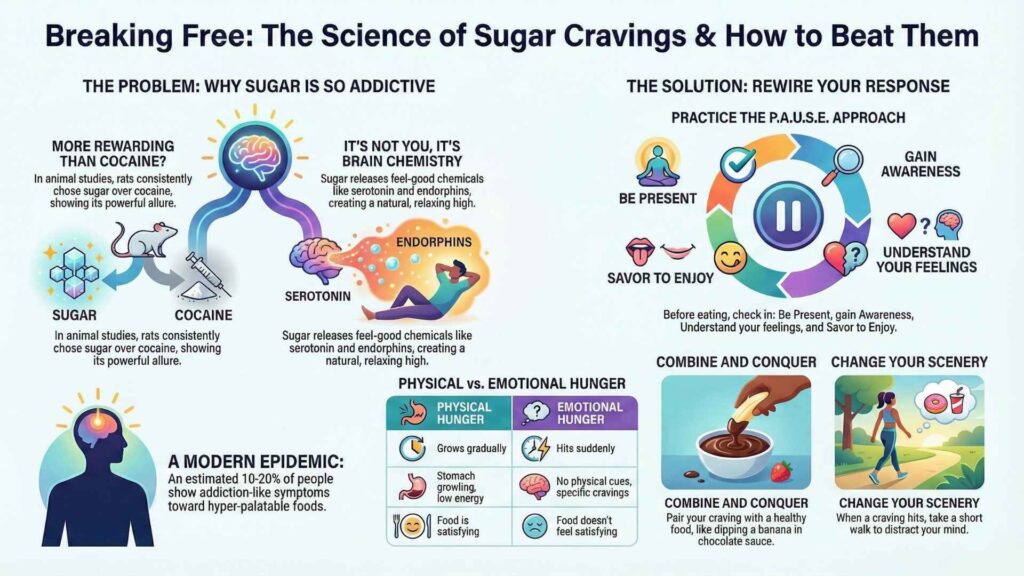
This elevation triggers a corresponding surge in insulin from the pancreas. In individuals with the “Asian Indian Phenotype,” there is often an exaggerated insulin response, leading to a rapid subsequent drop in blood glucose, known as reactive hypoglycemia. This “sugar crash” signals the brain’s hypothalamus to seek immediate energy, which is most efficiently found in simple sugars, thereby creating a self-perpetuating cycle of cravings.
The brain’s reward system and dopamine signaling
Beyond pure energy needs, the consumption of sugar activates the brain’s reward circuitry, specifically the nucleus accumbens. This process involves the release of dopamine, a neurotransmitter associated with pleasure and motivation. Research using neuroimaging indicates that highly processed carbohydrates activate brain regions similar to those stimulated by addictive substances.
The chronic overstimulation of these reward circuits can lead to a reduction in dopamine receptor sensitivity. This means that over time, the individual requires larger quantities of sugar to achieve the same “reward” sensation, a phenomenon characteristic of sugar addiction. Furthermore, sugar intake influences the opioid system, specifically altering the binding of mu-opioid receptors, which contributes to feelings of well-being and further reinforces the craving behavior.
| Neurochemical/Hormone | Role in Cravings | Impact of Sugar Consumption |
| Dopamine | Motivation and pleasure reward | Sharp increase, leading to habituation and tolerance. |
| Insulin | Glucose transport and satiety signal | Spikes to clear glucose, then crashes, triggering hunger. |
| Ghrelin | The “hunger hormone” produced in the stomach | Levels rise when the stomach is empty, stimulating sugar seeking. |
| Leptin | The “satiety hormone” produced by fat cells | Can be disrupted by high sugar intake, leading to leptin resistance. |
| Cortisol | Stress hormone | Elevated levels increase the desire for “comfort” sugary foods. |
How does the Indian dietary profile impact metabolic risk?
According to the ICMR-INDIAB study, which analyzed over 121,000 adults, the Indian population consumes a disproportionately high amount of low-quality carbohydrates. This dietary pattern is a primary driver of the rising epidemics of Type 2 Diabetes (T2D), hypertension, and obesity in the region.
The data reveals that 21 states in India exceed the national recommendations for added sugar intake, which should ideally be less than 5% of daily calories. In terms of grams, the World Health Organization suggests a limit of 25 grams (approximately 6 teaspoons) per day for optimal health benefits, yet many Indian adults consume significantly more through hidden sugars in processed foods and traditional sweets.
Regional differences in carbohydrate consumption
While the reliance on carbohydrates is a national trend, the specific sources vary by region. White rice dominates the diets in the South, East, and Northeast, whereas wheat is more prevalent in the North and Central regions. Regardless of the source, if the total carbohydrate load is not managed, the metabolic risk remains elevated.
Replacing refined cereals with whole wheat or millets alone is often insufficient for risk reduction unless the total quantity of carbohydrates is decreased. The most effective strategy involves isocaloric substitution, where a portion of carbohydrate calories is replaced with plant or dairy proteins.
| Parameter | Indian Average | WHO/National Recommendation |
| Carbohydrate Intake | 62% of total calories | 45-55% of total calories. |
| Added Sugar (Daily) | ~58 grams | <25 grams (6 teaspoons). |
| Protein Intake | ~10.5% of total calories | 15-20% of total calories. |
| Saturated Fat | Often exceeds limits | <10% of total calories. |

What is the role of protein in reducing sweet cravings?
For those seeking how to control sugar cravings during diet, protein is the most critical macronutrient for satiety management. Protein has a high thermic effect of food (TEF) and significantly influences appetite-regulating hormones. It reduces the levels of ghrelin while increasing the production of peptide YY (PYY) and cholecystokinin (CCK), both of which signal fullness to the brain.
In the Indian context, where protein deficiency is widespread, increasing intake from sources like lentils, paneer, sprouts, and eggs can buffer the glycemic response of meals. Protein slows the gastric emptying rate, meaning the glucose from a meal enters the bloodstream more gradually, preventing the sharp insulin spikes that lead to later cravings.
Strategic protein sources in the Indian diet
Utilizing local and accessible protein sources is vital for long-term adherence. For vegetarians, dairy and legumes are the primary pillars.
- Paneer and Tofu: High in protein and low in carbohydrates, making them excellent for blood sugar stability.
- Moong and Kala Chana: When sprouted or roasted, these provide a combination of fiber and protein that is highly effective at quenching “mouth hunger”.
- Curd and Buttermilk: Probiotics in curd improve gut health, which is increasingly linked to reduced sugar cravings, while the protein content provides satiety.
- Nuts and Seeds: Almonds, walnuts, and pumpkin seeds provide “healthy fats” and protein, which delay the glucose peak when eaten with carbohydrates.
How to use Indian home remedies for sugar cravings?
Traditional Indian medicine and culinary practices offer several “bio-hacks” for managing the urge for sweets. These remedies often involve spices that improve insulin sensitivity or modulate taste perception.
Cinnamon for blood sugar control and cravings
Cinnamon (Dalchini) is perhaps the most well-researched spice in this category. It contains bioactive compounds that mimic insulin and increase glucose uptake by the cells. A study indicated that consuming approximately 1 mg (about 1/3 of a teaspoon) of cinnamon daily for three months significantly improved glucose tolerance and reduced insulin resistance.
Its naturally sweet aroma also provides a sensory “fix” for those craving sweetness. Adding cinnamon to tea, coffee, or morning oats can reduce the need for added sugar while providing a steady release of energy throughout the morning.
Fenugreek and Gymnema: The sugar blockers
Fenugreek seeds (Methi dana) are rich in galactomannan, a soluble fiber that slows down the absorption of sugar in the blood. Traditionally, soaking a teaspoon of seeds overnight and consuming the water and seeds in the morning is used to manage metabolic health.
Gymnema Sylvestre, known in Hindi as Gurmar (the sugar destroyer), contains gymnemic acids.30 When the leaves are chewed or taken as a tea, these acids temporarily occupy the sugar receptors on the tongue, making sweet foods taste bland or even bitter. This can be a powerful tool for interrupting a period of excessive consumption.
The role of Ginger and Turmeric
Ginger helps in balancing insulin levels and has been shown in systematic reviews to be effective in hormonal regulation. Turmeric, specifically its active compound curcumin, provides anti-inflammatory benefits that help the liver process sugar more efficiently and reduce the chronic inflammation associated with obesity and PCOS.
| Herb/Spice | Active Mechanism | Traditional Use Case |
| Cinnamon | Insulin mimetic, improves insulin sensitivity. | Sprinkled on curd, oats, or in tea. |
| Fenugreek | Solulle fiber slows glucose absorption. | Overnight soaked seeds on an empty stomach. |
| Gymnema | Blocks sweet taste receptors. | Infused as tea before a meal. |
| Ginger | Balances insulin and aids digestion. | Fresh ginger tea or added to vegetable juices. |

Why are magnesium rich foods for Indian diet cravings important?
A significant but often overlooked cause of sugar addiction is micronutrient deficiency. Specifically, a deficiency in magnesium can lead to intense cravings, particularly for chocolate. Magnesium is a vital cofactor in the biochemical reactions that convert glucose into energy. When magnesium is low, the body cannot efficiently produce Adenosine Triphosphate (ATP), leading to a perceived lack of energy that the brain tries to solve with sugar.
The chemical formula for the magnesium ion, Mg2+, highlights its role as a divalent cation that stabilizes the structure of ATP. Without sufficient Mg2+, the insulin receptor signaling pathway becomes impaired, leading to higher circulating insulin and more frequent hunger pangs.
Top Indian sources of Magnesium
To effectively manage how to control sugar cravings during diet, incorporating these magnesium-rich foods is essential:
- Pumpkin Seeds: The highest source, providing 535 mg per 100g. A small handful can meet a large portion of the daily requirement.
- Almonds and Cashews: These provide a healthy dose of magnesium along with protein and fats, making them the perfect mid-morning snack.
- Millets (Ragi, Bajra, Jowar): Unlike refined white rice, these ancient grains are packed with minerals that support metabolic health.
- Spinach and Moringa: These leafy greens are staples in Indian cooking and should be consumed 3-4 times a week to maintain mineral balance.
| Food Category | Specific Example | Magnesium (mg/100g) |
| Seeds | Pumpkin Seeds (Roasted) | 535 |
| Seeds | Chia Seeds | 335 |
| Nuts | Almonds | 270 |
| Millets | Ragi (Finger Millet) | 137 |
| Greens | Spinach (Cooked) | 87 |
How to manage PCOS sugar cravings with Indian food?
Polycystic Ovary Syndrome (PCOS) is a hormonal disorder characterized by insulin resistance, even in lean individuals. In PCOS, the body’s cells do not respond effectively to insulin, causing the pancreas to pump out more of the hormone. High insulin levels then trigger the ovaries to produce more androgens (male hormones) and simultaneously cause intense sugar cravings.
Managing PCOS sugar cravings with Indian food requires a strategy centered on the Glycemic Index (GI). High-fiber vegetables such as okra (bhindi), bitter gourd (karela), and cauliflower should be emphasized to slow digestion.
Anti-inflammatory and Insulin-Sensitizing Foods for PCOS
- Low-GI Carbohydrates: Focus on whole grains like bajra, jowar, and brown rice in controlled portions.
- Omega-3 Fatty Acids: Flaxseeds and walnuts help reduce the chronic low-grade inflammation associated with PCOS.
- Inositol-rich foods: Found in beans and citrus fruits, these help improve insulin sensitivity naturally.
- Amla (Indian Gooseberry): Rich in antioxidants, it helps regularize hormones and combat the oxidative stress that fuels cravings.

What is the impact of jaggery vs sugar on weight loss?
A common myth in the Indian wellness space is that replacing white sugar with jaggery (Gur) allows for unlimited consumption. While jaggery is unrefined and contains minerals like iron and potassium, its caloric impact is nearly identical to white sugar.
Sucrose (C12H22O11) is the primary component of both. White sugar is 99.9% sucrose and provides “empty calories,” meaning it offers no nutritional value beyond energy. Jaggery contains approximately 97-98% carbohydrates and sugar, but it retains traces of molasses which provide its characteristic color and mineral profile.
Nutritional Comparison per 100g
| Nutrient | White Sugar | Jaggery (Gur) |
| Calories | 387 | 383 |
| Iron | 0.1 mg | 11 mg |
| Potassium | 2 mg | 1050 mg |
| Magnesium | 0 mg | 70-90 mg |
| Glycemic Index | ~65 | ~84 (varies) |
In simple terms, while jaggery is “healthier” than bleached white sugar due to its mineral content, it is still sugar. For someone trying to understand how to control sugar cravings during diet, relying on jaggery can lead to the same insulin spikes and subsequent weight gain if consumed in excess.
What is the best time to eat fruit for sugar cravings?
Fruits are nature’s candy, providing fructose alongside fiber and vitamins. However, for those with insulin resistance or those trying to lose weight, the timing and quantity are crucial.
Ayurveda vs. Modern Nutrition
According to Ayurveda, the best time to eat fruit for sugar cravings is in the morning on an empty stomach or as a mid-day snack between 11 AM and 4 PM. This allows the body to digest the fruit quickly without it fermenting on top of a heavy meal.
Modern nutritional science emphasizes that whole fruits are always preferable to fruit juices because the fiber in the whole fruit slows down the fructose absorption. Pairing fruit with a handful of nuts or a bowl of curd can further flatten the glucose curve, making it a sustainable way to satisfy a sweet tooth.
- Avoid: High-sugar fruits like mangoes or grapes late at night, as they can cause a spike that disrupts sleep hormones.
- Prioritize: Low-GI fruits like guava, apple, papaya, and berries.
Healthy alternatives to Indian sweets for diabetics and weight loss
Traditional Indian sweets (Mithai) are often deep-fried and soaked in sugar syrup, containing 30-60% sugar by weight. For those managing diabetes or hypertension, these are major triggers for metabolic distress.
Low calorie Indian snacks to satisfy sweet tooth
If the urge for something sweet is overwhelming, consider these healthier, home-based alternatives:
- Roasted Makhana with Cinnamon: Fox nuts roasted in a little ghee with cinnamon powder provide a satisfying crunch and a hint of sweetness.
- Date and Almond Laddoos: Made without added sugar or ghee, these use the natural stickiness of dates. Limit to one per day due to high calorie density.
- Sweet Potato Chaat: Boiled sweet potatoes with lemon and chaat masala provide complex carbohydrates and a natural sweetness that satisfies the brain.
- Ragi Porridge with Stevia/Jaggery: A warm, comforting bowl of ragi cooked in water or thin milk can be a nutritious evening snack.
- Chia Seed Pudding with Berries: A modern addition to the Indian kitchen, chia seeds provide massive fiber and Omega-3s, which stabilize blood sugar for hours.

How to overcome late night sugar cravings?
Late-night cravings are often a result of fatigue or emotional stress rather than physical hunger. When the body is tired, the brain seeks the fastest possible energy source—sugar.
Sleep and Cravings
Sleep deprivation increases cortisol and ghrelin while decreasing leptin. This creates a state of “perpetual hunger” the next day. Ensuring 7-8 hours of quality sleep is perhaps the most underrated strategy in how to control sugar cravings during diet.
The Ayurvedic solution: Warm Milk and Ghee
Ayurveda suggests that a glass of warm milk at night can take away the craving for sweets. Milk contains tryptophan, which is a precursor to serotonin and melatonin, aiding sleep. Adding a small amount of ghee can help nourish the brain and provide a sense of satiety that carries through the night to prevent late-night over-indulgence.
How to stop emotional eating and sugar addiction India?
Emotional eating is the practice of using food—usually sugar-laden “comfort foods”—to suppress or soothe negative emotions like stress, anger, or boredom. In the Indian context, sweets are often used as a reward or a way to celebrate, making the emotional link even stronger.
Mindful Eating Techniques
To break the cycle of emotional eating, one must cultivate awareness of hunger cues.
- The 10-Minute Rule: When a craving strikes, wait 10 minutes before acting. Often, the urge will pass if you distract yourself with a task or a walk.
- Hydration Check: The brain often confuses thirst with hunger. Drink a glass of water first; if the craving persists, it may be true hunger.
- Identify the Trigger: Are you eating because you are hungry, or because you are lonely, tired, or stressed? Keeping a food diary that includes your mood can help identify patterns.
- The Six Tastes: Ayurveda teaches that a meal should include all six tastes (sweet, sour, salty, pungent, bitter, and astringent) to be truly satisfying. If a meal lacks bitterness or astringency, the body may keep seeking satisfaction through more sweets.
Strategic Meal Planning for Cravings Control
A well-structured day is the best defense against sugar addiction. Below is a sample framework based on research-backed Indian food choices.
| Time | Meal/Action | Rationale |
| 6:00 AM | Fenugreek/Cinnamon Water | Improves morning insulin sensitivity. |
| 8:30 AM | Moong Dal Cheela with Mint Chutney | High-protein start to stabilize ghrelin. |
| 11:00 AM | Handful of Almonds + 1 Guava | Magnesium and fiber for mid-day energy. |
| 1:30 PM | Bajra Roti + Dal + Green Sabzi + Curd | Complex carbs and probiotics for satiety. |
| 4:30 PM | Roasted Chana + Green Tea | Protein snack to prevent evening crash. |
| 8:00 PM | Grilled Paneer/Tofu + Vegetable Soup | Light, protein-rich dinner for better sleep. |
| 9:30 PM | 1/2 Cup Warm Milk (optional) | Serotonin boost to prevent late-night over-indulgence. |

Frequently Asked Questions (FAQs)
Q1: Is jaggery safer than sugar for weight loss?
The short answer is no. While jaggery contains beneficial minerals like iron and potassium, it has the same calorie count as white sugar and can cause similar blood sugar spikes. It should be consumed in very small quantities (less than 10g/day) and is not a “free” alternative for diabetics or those on a strict weight loss diet.
Q2: How does protein help in stopping sugar cravings?
Protein is the most satiating macronutrient. It reduces the hunger hormone ghrelin and increases satiety hormones like PYY. By slowing down the absorption of carbohydrates in your meal, protein prevents the rapid “spike and crash” of blood sugar that usually leads to an intense desire for sweets a few hours after eating.
Q3: Can cinnamon really help control my blood sugar?
Yes. Clinical studies have shown that cinnamon can improve insulin sensitivity and lower blood glucose levels. Adding as little as 1/3 to 1/2 a teaspoon of cinnamon to your daily diet can help your cells use sugar more effectively, reducing the biological drive to seek out more sugar for energy.
Q4: Why do I crave sweets specifically during my period or if I have PCOS?
In PCOS, insulin resistance causes your cells to be “starved” for energy even when blood sugar is high. During your period, fluctuations in estrogen and progesterone can affect serotonin levels, making you seek out sugar to boost your mood. Focusing on magnesium-rich foods and complex carbohydrates can help stabilize these hormonal shifts.
Q5: What is the best Indian snack to stop a sugar craving instantly?
A small handful of roasted chana (Bengal gram) or 2-3 walnuts are excellent choices. The combination of fiber and protein provides immediate satiety, while the chewing action helps signal to the brain that the body is receiving nourishment, effectively “switching off” the craving.
Conclusion
I know it’s hard to find time to manage every meal, but mastering how to control sugar cravings during diet is about building a supportive environment for your body. The evidence suggests that our cravings are often just our bodies asking for more protein, better minerals, or more sleep. Let’s simplify this for your daily routine: start by adding more sprouts or paneer to your plate, keep a jar of roasted chana nearby, and try using cinnamon instead of extra sugar in your chai.
In simple terms, you don’t have to fight your willpower every day. By stabilizing your blood sugar and addressing nutrient gaps, you can make these cravings disappear naturally. Be patient with yourself; it takes about three weeks for your taste buds and hormones to reset. You’ve got this, and your health is worth the effort.
Disclaimer: This blog post was written to help you make healthier food choices altogether. So, be aware and take care. The important thing to consider is your health before starting a restrictive diet. Always seek advice from a doctor or dietitian before starting if you have any concerns.
BOOK YOUR APPOINTMENT
Dr. Ritika is a nutrition and lifestyle expert with 2+ years of experience, helping clients manage weight and health through practical, personalized diet plans.