
Do you often find yourself reaching for that third cup of coffee before noon just to keep your eyes open? I know it’s hard to find time in the morning rush, but the importance of healthy breakfast is critical for your energy, especially when modern Indian breakfast habits often lead us toward quick, sugary fixes. What this means for your daily routine is that the simple act of eating within two hours of waking can determine whether your metabolism fires up or stays in sleep mode all day.
The importance of healthy breakfast lies in its ability to replenish glucose levels, stabilize blood sugar, and jumpstart metabolic thermogenesis after an overnight fast. Consuming a balanced morning meal that improves typical Indian breakfast habits—by including more protein and fiber—supports insulin sensitivity, regulates hormones for PCOS or thyroid, and prevents compensatory overeating later in the day.
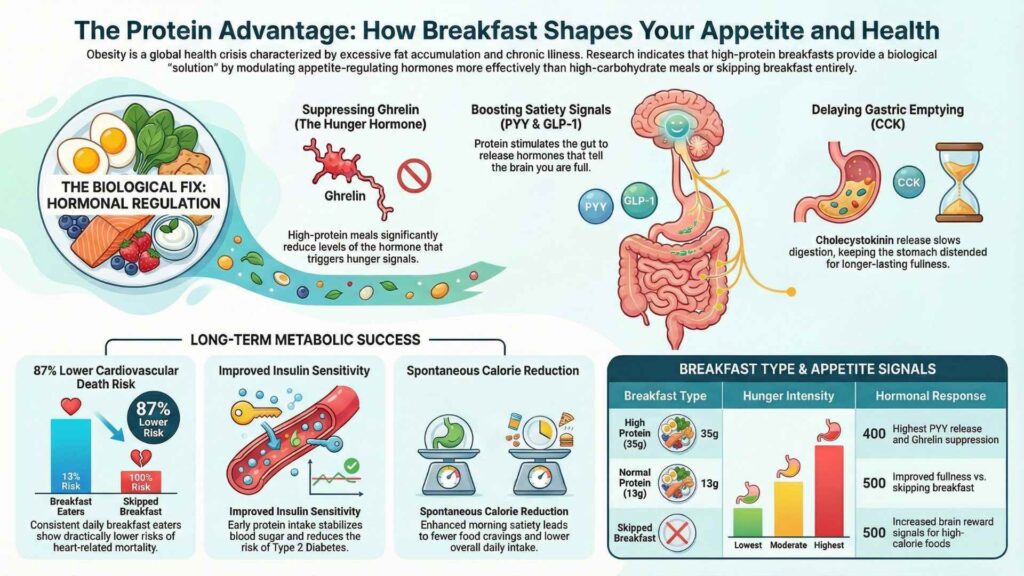
The Morning Slump: Why do you feel exhausted before your day even begins?
Table of Contents
- 1 The Morning Slump: Why do you feel exhausted before your day even begins?
- 2 The “No Time to Eat” Trap: Relatable struggles of the busy Indian morning routine
- 3 Common Myths: Does skipping breakfast actually help with weight loss?
- 4 The Science of Refueling: How your body processes nutrients after an overnight fast
- 5 Traditional Indian Swaps: Healthy alternatives to Poha, Paratha, and Upma
- 6 Your Ideal Morning Timeline: A simple flow from waking up to a balanced plate
- 7 Common Mistakes: Why tea and biscuits don’t count as a complete breakfast
- 8 Small Wins Matter: How one healthy meal can transform your metabolic health
- 9 Frequently Asked Questions (FAQs)
The physiological state of the human body upon waking is one of profound depletion. After a period of eight to twelve hours without food, your body has exhausted its immediate glycogen stores, which are essential for both physical activity and cognitive function. The importance of healthy breakfast is rooted in this need for a metabolic “refuel.” When you skip this meal, your body continues in a catabolic state, breaking down its own tissues to maintain baseline functions. This creates a persistent sense of fatigue that even the strongest caffeine cannot fully mask.
The Role of Thermogenesis in Energy Levels
Research indicates that breakfast consumption leads to significantly greater physical activity thermogenesis during the morning hours compared to fasting. Specifically, individuals who eat breakfast experience a thermogenic increase of approximately 188 kcal/d. This isn’t just about burning calories; it is about the “spark” that tells your cells to start producing energy. Without this trigger, your resting metabolic rate remains sluggish, which is why the importance of healthy breakfast is a core pillar for weight seekers and busy professionals alike.
Cortisol Rhythms and the Stress Response
Let’s simplify the hormonal aspect of your morning. Your body follows a circadian rhythm, and cortisol—the hormone that helps you wake up—naturally peaks in the early morning. However, when you skip food, your body perceives this as a stressor, which can lead to a blunted cortisol awakening response or elevated evening levels. This hormonal misalignment is a silent contributor to chronic fatigue. The importance of healthy breakfast is that it acts as a “zeitgeber” or a time-giver, signaling your internal clock that the day has officially started, which helps keep your stress hormones in balance.
Brain Glucose and Cognitive Clarity
Your brain is a glucose-dependent organ. While the rest of your body can sometimes use fat for fuel, your brain prefers a steady supply of sugar from the blood. After an overnight fast, your blood sugar levels are at their lowest. If you don’t eat, your brain enters a “protective mode,” slowing down reaction times and making it harder to focus on complex tasks. This is why many professionals find they are irritable or “foggy” during morning meetings. The importance of healthy breakfast is to provide that immediate brain fuel, ensuring you start your work day with mental sharpness.
| Health Marker | Impact of Breakfast Consumption | Impact of Morning Fasting |
| Morning Thermogenesis | Increased (+188 kcal/d) | Decreased/Stagnant |
| Insulin Sensitivity | Increased | Decreased (Risk of Resistance) |
| Cortisol Rhythm | Regulated Awakening Response | Potential for Disruption |
| Cognitive Focus | High (Steady Glucose) | Low (Brain Fog/Irritability) |

The “No Time to Eat” Trap: Relatable struggles of the busy Indian morning routine
In many Indian households, the morning is a marathon. Between managing school schedules, household chores, and the daily commute in cities like Mumbai or Delhi, your own nutrition often takes a backseat. I know it’s hard to prioritize a meal when you’re already running 15 minutes late, but this “no time” trap is exactly what defines modern Indian breakfast habits. When we look at the data, we see a concerning trend of nutritional neglect across the country.
Statistical Reality of the Indian Morning
Data reveals that breakfast is the most commonly skipped meal across major Indian metros. For instance, skipping rates in Mumbai reach 34 %, while Chennai reports a staggering 37 %. Even more concerning is that among those who do eat, 81 % consume a breakfast that is nutritionally inadequate, meeting less than 25 % of their daily energy requirements. This means even if you are eating, you might not be getting enough nutrients to actually fuel your body. Improving these Indian breakfast habits is essential for meeting the ICMR’s 2024 goal of reducing the 56.4 % disease burden caused by unhealthy diets.
The Gender Gap in Nutrition
There is a noticeable gender bias in Indian breakfast habits. Adult women and adolescent girls are more likely to have poor-quality breakfasts compared to men. Often, homemakers wait to eat until everyone else has left the house, resulting in a meal consumed much later in the day, or they survive on a single cup of tea. This delay disrupts the body’s ability to process nutrients and can lead to a deficiency in iron, fiber, and B-group vitamins. Recognizing the importance of healthy breakfast helps you reframe that 15-minute window as an investment in your productivity for the next 12 hours.
The Impact of the Hectic Metro Lifestyle
The pace of life in urban India often dictates our eating patterns. Late dinners, common in many households, often lead to a lack of appetite the next morning. This creates a vicious cycle where you eat late, skip breakfast because you aren’t “hungry,” and then overeat at lunch because your body is screaming for energy. Breaking this cycle is the first step toward better metabolic health. By refining your Indian breakfast habits, you help your body stay in a balanced, fat-burning state rather than a fat-storing state.
Socioeconomic Influences on Meal Quality
Interestingly, the type of school or workplace also influences these habits. Studies show that children in government schools in India are more likely to skip breakfast (73 %) compared to those in private schools (37 %). This highlights that the importance of healthy breakfast is often tied to availability and awareness. For the busy NRI or professional, the struggle is usually about convenience, while for others, it may be about cost or routine. Regardless of the reason, the physiological outcome remains the same: an under-fueled body cannot heal or perform optimally, which is why we must address poor Indian breakfast habits.
| City/Metro | Skipping Rate (%) | Inadequate Nutrition Rate (%) |
| Mumbai | 34 % | High (>70 %) |
| Chennai | 37 % | High (>70 %) |
| Kolkata | 25 % (time constraint 68 %) | High (>70 %) |
| Delhi | 20 – 30 % | High (>70 %) |

Common Myths: Does skipping breakfast actually help with weight loss?
One of the biggest myths I hear from my clients is that skipping the morning meal is a great way to “save calories.” The short answer is: No, it usually backfires. While it might seem logical to cut out 300 calories in the morning, the biological reality is much more complex. The importance of healthy breakfast for weight seekers is actually about preventing “reactive hunger.”
The Reality of Compensatory Eating
When you skip breakfast, your body doesn’t just forget about those calories. Instead, it triggers a “partial dietary compensation” later in the day. What this means for your daily routine is that you are much more likely to choose high-calorie, high-sugar foods for lunch because your brain is in an emergency state. You might save 300 calories at 8:00 AM only to eat an extra 500 calories of junk at 4:00 PM. This “yo-yo” effect on your hunger hormones makes weight loss nearly impossible over the long term, and it’s a major reason why traditional Indian breakfast habits that rely on “chai-biscuit” fail us.
Breakfast Skipping and Metabolic Syndrome
Scientific reviews and meta-analyses have shown a consistent link between skipping breakfast and an increased risk of Metabolic Syndrome (MetS). Individuals who skip their morning meal have a 1.10 – fold higher risk of developing MetS, which includes high blood sugar, hypertension, and abdominal obesity. In simple terms, skipping breakfast doesn’t make you thinner; it often makes your body more efficient at storing fat, especially around the midsection. This is why the importance of healthy breakfast is central to preventing long-term metabolic damage.
The “Starvation Mode” Misconception
Many people believe that the body will just “burn fat” if they don’t eat. However, without a morning meal to signal that food is plentiful, the body can enter a state of metabolic conservation. Your body is smart; if it doesn’t know when the next meal is coming, it slows down its energy expenditure. Regular breakfast habits, on the other hand, increase satiety and can actually help restrict weight gain by keeping your metabolic furnace burning consistently throughout the day. Improving your Indian breakfast habits is the simplest way to keep your metabolism active.
Is Intermittent Fasting Different?
I often get asked if skipping breakfast is just “Intermittent Fasting.” The difference lies in structure and quality. True intermittent fasting is a controlled, planned period of not eating, usually paired with nutrient-dense meals. Most people who skip breakfast do so accidentally because of a busy schedule, and they often break their fast with poor-quality food. This unstructured skipping leads to insulin resistance and higher blood pressure, further proving the importance of healthy breakfast for sustainable health. Many accidental skippers fall into poor Indian breakfast habits like having tea on an empty stomach, which only worsens acidity.
| Risk Factor | Impact of Regular Breakfast | Impact of Skipping Breakfast |
| Abdominal Obesity | Lower Risk | Higher Risk (OR 1.17) |
| Hypertension | Lower Risk (OR 1.06) | Higher Risk (OR 1.21) |
| Blood Sugar Spikes | Controlled/Stable | High/Unstable (Hyperglycemia) |
| Daily Caloric Intake | Balanced | Often Higher (due to snacking) |

The Science of Refueling: How your body processes nutrients after an overnight fast
Let’s dive into the “why” behind the importance of healthy breakfast. Your body is essentially a biological engine, and after 8 to 10 hours of sleep, your “fuel tank” (glucose and glycogen) is running on fumes. Refueling in the morning isn’t just about stopping hunger; it’s about resetting your internal biochemistry to handle the stress and physical demands of the day. This is where most Indian breakfast habits can be improved for better long-term results.
The Insulin-Glucose Interplay
When you consume carbohydrates in the morning, your pancreas releases insulin to help transport that sugar into your cells. Interestingly, your body is much more “insulin sensitive” in the morning than in the evening. This means your cells are better at using the sugar for energy rather than storing it as fat. Studies show that a daily breakfast improves your insulinemic response throughout the day, whereas skipping can lead to an increase in insulin resistance. This interplay highlights why the importance of healthy breakfast is vital for managing diabetes and PCOS.
The “Second-Meal Effect”
One of the most fascinating aspects of morning nutrition is the “second-meal effect.” Research indicates that eating a high-fiber, balanced breakfast actually improves how your body processes the carbohydrates you eat at lunch. By eating a healthy breakfast, you are essentially “priming” your metabolism, making it easier for your body to maintain stable blood sugar levels for the next 6-8 hours. This is why the importance of healthy breakfast is so critical for people managing insulin resistance, a common issue within modern Indian breakfast habits.
Thermogenesis and Heat Production
Digesting food actually requires energy. This process is called “Diet-Induced Thermogenesis” (DIT). When you eat a breakfast rich in protein and complex fibers, your body has to work harder to break those nutrients down, which slightly raises your core body temperature and increases your calorie burn. In contrast, if you skip breakfast, you miss out on this metabolic “bonus,” making it harder to maintain a healthy weight. Upgrading typical Indian breakfast habits to include more protein ensures you get the most out of this natural fat-burning process.
Cortisol and the Stress Gap
In simple terms, your body sees a lack of food in the morning as an internal emergency. This triggers the release of cortisol to help your body “find” fuel from its own tissues. Constant high cortisol levels in the morning are linked to increased belly fat and systemic inflammation. By providing your body with a steady source of early morning nutrition, you “shut off” this stress signal, allowing your hormones to stay in a balanced, fat-burning state. This reinforces the importance of healthy breakfast as a tool for stress management and hormonal health.
| Nutrient Type | Role in Refueling | Benefit for Metabolism |
| Proteins | Muscle repair & satiety | Increases thermogenesis & fullness |
| Complex Carbs | Sustained glucose supply | Improves insulin sensitivity |
| Healthy Fats | Hormone production | Slows digestion for stable energy |
| Fiber | Gut health & blood sugar | Prevents rapid insulin spikes |

Traditional Indian Swaps: Healthy alternatives to Poha, Paratha, and Upma
I know you love your traditional favorites, and the good news is you don’t have to give them up. The importance of healthy breakfast is about making smarter choices within the framework of our Indian breakfast habits. Many of our traditional dishes are high in simple carbs, but with a few tweaks, we can turn them into superfoods that provide lasting energy.
Upgrading your Poha and Upma
Standard Poha is made from white flattened rice, which is basically a simple carbohydrate that can spike your sugar. Let’s simplify this: switch to Red Poha or add a large portion of sprouts and colorful vegetables. For Upma, replace the refined Suji (semolina) with Oats or Millets like Jowar. Suji is processed and can spike insulin, but Millets are rich in minerals and offer complex carbs that digest slowly, keeping you full until lunch. This is a simple way to improve Indian breakfast habits without losing the flavors you love.
Better Parathas for Weight Loss
The Aloo Paratha is an Indian staple, but it’s essentially “starch on starch.” A better healthy Indian morning routine involves swapping the potato for high-protein fillings like Paneer or Sattu. Another great swap is the Missi Roti, which uses a blend of Besan (chickpea flour) and whole wheat. This provides a “trio” of complex carbs, protein, and fiber that is far superior to a plain paratha for hormone balance and digestion. These upgrades show the importance of healthy breakfast doesn’t mean eating boring food.
South Indian Favorites: Idli and Dosa
Idlis and Dosas are fermented, which is great for gut health, but they are often mostly white rice. The importance of healthy breakfast is enhanced when you use higher-protein bases. Try Moong Dal Dosa (Pesarattu) instead of regular rice dosa. It’s packed with plant-based protein and fiber. When eating Idlis, always pair them with a bowl of vegetable-rich Sambhar rather than just coconut chutney. The lentils in the Sambhar provide the protein needed to balance the meal, a key correction for common Indian breakfast habits.
The “Chilla” Champion
If you’re looking for the best Indian breakfast for energy, look no further than the Besan or Moong Dal Chilla. These are naturally gluten-free, low-glycemic, and incredibly high in bioavailable protein. They stabilize your blood sugar and offer sustained energy throughout the day, which is perfect if you’re balancing a heavy workload. You can even add finely chopped spinach or methi leaves to the batter for an extra boost of iron and fiber, reinforcing the importance of healthy breakfast for your overall vitality.
| Traditional Breakfast | The “Diet Dekho” Healthy Upgrade | Why it’s Better |
| Aloo Paratha | Paneer or Methi Paratha | More protein, lower starch |
| White Rice Poha | Vegetable-Sprouts Red Poha | Higher fiber, more nutrients |
| Suji Upma | Dalia or Millet Upma | Slower digestion, no sugar spikes |
| Rice Dosa | Ragi or Moong Dal Dosa | Rich in calcium and protein |
| Bread Butter | Peanut Butter on Whole Wheat | Healthy fats and lasting energy |
Your Ideal Morning Timeline: A simple flow from waking up to a balanced plate
Many people skip breakfast simply because they don’t have a plan. The importance of healthy breakfast becomes much easier to manage when you follow a structured timeline that fits into your Indian breakfast habits. Let’s map out a simple flow from the moment your alarm goes off to the moment you take your first bite.
6:00 AM – 6:30 AM: The Wake-Up Hydration
The first thing your body needs is water. try a glass of warm water with a pinch of cinnamon or jeera first. This supports hormonal balance and starts your digestion on the right foot. If you have thyroid issues, this is the time to take your medication on an empty stomach to ensure maximum absorption. A healthy start is the foundation for the importance of healthy breakfast later in the morning.
7:00 AM – 7:30 AM: The “Nutrition Prep” Window
If you’re a busy professional, this is where you “win” your day. Spend 5 minutes prepping. This might mean soaking some oats or just putting your eggs on to boil while you get ready. The importance of healthy breakfast is much easier to fulfill when the food is ready to go. Remember, if you have to take thyroid meds, you need at least a 30 to 60-minute gap before eating any food. This gap is a vital part of healthy Indian breakfast habits for medical management.
8:00 AM – 8:30 AM: The Main Meal
This is your metabolic anchor. Whether you’re at home or packing a tiffin, your plate should follow the PFF Formula: Protein, Fiber, and healthy Fat. For a professional, it could be a Vegetable Paneer Sandwich on whole-grain bread. The goal is to eat within 2 hours of waking to tell your body that the “famine” of the night is over. This consistent habit is why the importance of healthy breakfast is emphasized for weight loss and PCOS management.

9:00 AM: The Success Check
By now, you should feel alert and focused. If you ate a balanced breakfast, you won’t be looking for a sugary snack at 11:00 AM. This consistency is what leads to long-term weight loss and metabolic health. As the ICMR 2024 guidelines suggest, a variety of foods—including at least 400 g of vegetables daily—should be our goal, and starting that count at breakfast is the easiest way to reach it. Better Indian breakfast habits allow you to meet these nutritional targets without feeling overwhelmed.
| Time Window | Action Item | Purpose |
| 6:00 – 6:15 AM | Hydrate + Meds | Reset hydration and thyroid absorption |
| 7:00 – 7:30 AM | Light Movement/Prep | Activate muscles and prep the meal |
| 8:00 – 8:30 AM | Balanced Breakfast | Primary metabolic refueling |
| 10:30 AM | Water/Green Tea | Maintain hydration and focus |
Common Mistakes: Why tea and biscuits don’t count as a complete breakfast
In India, we have a cultural love for “Chai-Biscuit.” I hate to be the bearer of bad news, but this routine is one of the primary reasons for morning acidity and low energy levels. It fails the importance of healthy breakfast principles entirely and is one of the most damaging Indian breakfast habits we see today.
The Problem with Biscuits
Most biscuits—even “digestive” or “multigrain”—are often loaded with refined sugar, Maida (refined flour), and trans fats. These are “empty calories” that cause a massive insulin spike. What this means for your daily routine is that once the sugar high wears off, you’ll feel tired, cranky, and even more hungry. Over time, these trans fats raise your bad cholesterol and increase your risk of heart disease, making the importance of healthy breakfast even more vital for cardiovascular safety.
Tea and Acidity
Tea contains tannins, which are natural compounds that can increase stomach acidity when consumed on an empty stomach. If you pair this with sugary biscuits, you are creating a recipe for acid reflux, bloating, and indigestion. Furthermore, tea can block the absorption of essential minerals like iron and calcium. If you’re struggling with low iron, your morning tea could be making the problem worse, which is why understanding the importance of healthy breakfast is so critical for nutrient absorption. Improving your Indian breakfast habits means moving away from tea as a meal replacement.
The Gut Health Connection
What you eat first thing in the morning can either heal your gut or stress it out. Refined sugars and processed fats in biscuits disrupt your gut bacteria, which can lead to skin issues, dark circles, and a sluggish metabolism. A better healthy morning habit in India is to replace the biscuit with something natural. Try a few soaked walnuts or almonds. They provide healthy fats and Vitamin E, which actually strengthen your gut lining and support your brain. This simple shift is a major step toward realizing the importance of healthy breakfast.

Breaking the Habit
I know it’s hard to let go of your morning chai. You don’t have to stop drinking tea altogether—just stop making it your only breakfast. Eat your protein and fiber first (like a boiled egg or a piece of paneer), and then enjoy your tea. This small change prevents the sharp insulin spike and protects your stomach lining from the acidity of the tannins. This is the true importance of healthy breakfast—it’s about the order as much as the content. Correcting these Indian breakfast habits can transform your energy by 11:00 AM.
| Component | Negative Impact on Empty Stomach | Better Alternative |
| Refined Sugar | Insulin spikes, weight gain | Cinnamon or fresh fruit |
| Maida (Flour) | Constipation, bloating | Oats, Ragi, or Besan |
| Tannins (Tea) | Iron malabsorption, acidity | Jeera or Fennel water |
| Trans Fats | Heart health risks | Soaked nuts or seeds |
Small Wins Matter: How one healthy meal can transform your metabolic health
The importance of healthy breakfast is that it provides a “small win” early in the day that sets the tone for everything else. When you nourish your body correctly in the morning, you are telling yourself that your health is a priority. This is the ultimate goal of improving our Indian breakfast habits.
The Long-Term Metabolic Payoff
Consistently eating a healthy morning meal is a cost-effective lifestyle intervention that prevents chronic diseases. Studies show that a regular breakfast habit reduces your risk of Type 2 Diabetes, hypertension, and high cholesterol. It isn’t just about how you feel today; it’s about how you feel ten years from now. By making one small change to your healthy Indian morning routine, you are significantly reducing your “disease burden” over time. The importance of healthy breakfast is truly an investment in your future.
Support for Hormonal Conditions
For my clients with PCOS or Thyroid disorders, the importance of healthy breakfast is paramount. A high-protein start helps regulate the hormones that control ovulation and metabolism. In simple terms, eating breakfast helps your body “trust” that it is safe, which reduces the production of stress hormones that lead to weight gain and hormonal imbalances. By adjusting traditional Indian breakfast habits to be more hormone-friendly, you can manage these conditions much more effectively.
Improved Mood and Mental Health
Let’s not forget about your mind. Later breakfast times and skipping are consistently linked to fatigue and even depression. When your brain has a steady supply of glucose, you are more resilient to stress and better at handling the challenges of your busy life. The importance of healthy breakfast extends beyond the physical; it is the foundation of a stable, happy mood. If you want to feel better mentally, start by fixing your Indian breakfast habits.
Start Today with Diet Dekho
The journey to health is built on these small, daily decisions. Whether it’s swapping your biscuit for an almond or your poha for a moong dal chilla, every choice matters. At Diet Dekho, we believe in making these changes practical and sustainable for the Indian lifestyle. You don’t have to do it alone.
- Get a Personalized Macro-Balanced Plan with a Diet Dekho Expert: Let us take the guesswork out of your nutrition.
- Start Your Journey to Holistic Health with a Diet Dekho Consultant: Professional guidance tailored to your medical needs and busy schedule.
Take charge of your health today. Book your consultation and let’s build a morning routine that actually works for you. https://dietdekho.com/form/

Frequently Asked Questions (FAQs)
1. What is the importance of healthy breakfast for weight loss?
The importance of healthy breakfast for weight loss is primarily about metabolic regulation and hunger control. While you might eat fewer calories in the morning by skipping, it often leads to “compensatory overeating” later in the day. Skipping is also linked to a higher risk of abdominal obesity and metabolic syndrome. A regular breakfast keeps your metabolism active and helps you manage insulin sensitivity better.
2. How do common Indian breakfast habits affect energy?
Many traditional Indian breakfast habits rely on high-carb foods like white rice poha or suji upma, which can lead to rapid blood sugar spikes and crashes. This is why you might feel energetic for an hour but tired by noon. Upgrading these habits with protein (like paneer or sprouts) and fiber (like millets) provides the sustained energy your body needs.
3. I have PCOS; should I prioritize a high-protein breakfast?
Yes, absolutely. A high-protein breakfast (about 20 – 25 g of protein) is one of the best ways to manage insulin resistance in PCOS. It helps regulate blood sugar, reduces sugar cravings, and supports healthy ovulation. Focus on eggs, paneer, sprouts, or Greek yogurt for your protein fix to fully realize the importance of healthy breakfast for hormonal health.
4. Can I have tea and biscuits if I’m in a hurry?
It’s better than nothing, but it’s not a “healthy” breakfast. Biscuits are usually made of refined flour and sugar, which can cause acidity and energy crashes. If you’re in a rush, a handful of soaked nuts or a quick protein smoothie is a much better alternative that will protect your gut and keep your energy stable. These small shifts in Indian breakfast habits make a big difference.
5. How long should I wait after my thyroid medicine to eat?
You should wait at least 30 to 60 minutes before having breakfast. This is because food—especially calcium-rich dairy or high-fiber foods—can interfere with the absorption of your thyroid medication. Take your pill first thing with water, then use that time to get ready before having your meal to ensure you get the full importance of healthy breakfast nutrients later.
Conclusion
Reclaiming your health doesn’t have to be complicated. By understanding the importance of healthy breakfast, you are giving your body the fuel it needs to thrive in a demanding world. Whether you are managing PCOD, trying to lose weight, or just looking to beat that afternoon slump, the answer starts on your morning plate. Focus on whole grains, plenty of protein, and don’t forget your vegetables. By making better Indian breakfast habits a part of your daily life, you are choosing a healthier, more energetic future. Your metabolism will thank you.
Take the first step toward a healthier you.
(https://dietdekho.com/form/)
Disclaimer:
This blog post was written to help you make healthier food choices altogether. So, be aware and take care. The important thing to consider is your health before starting a restrictive diet. Always seek advice from a doctor or dietitian before starting if you have any concerns.
BOOK YOUR APPOINTMENT
Dr. Ritika is a nutrition and lifestyle expert with 2+ years of experience, helping clients manage weight and health through practical, personalized diet plans.