
We understand that struggling to stay at a healthy weight can be just as frustrating as trying to lose it. If you have been told to just eat more, you know it isn’t that simple. Making the right lifestyle changes for weight gain is essential for building a stronger, healthier body without simply adding unhealthy fat.
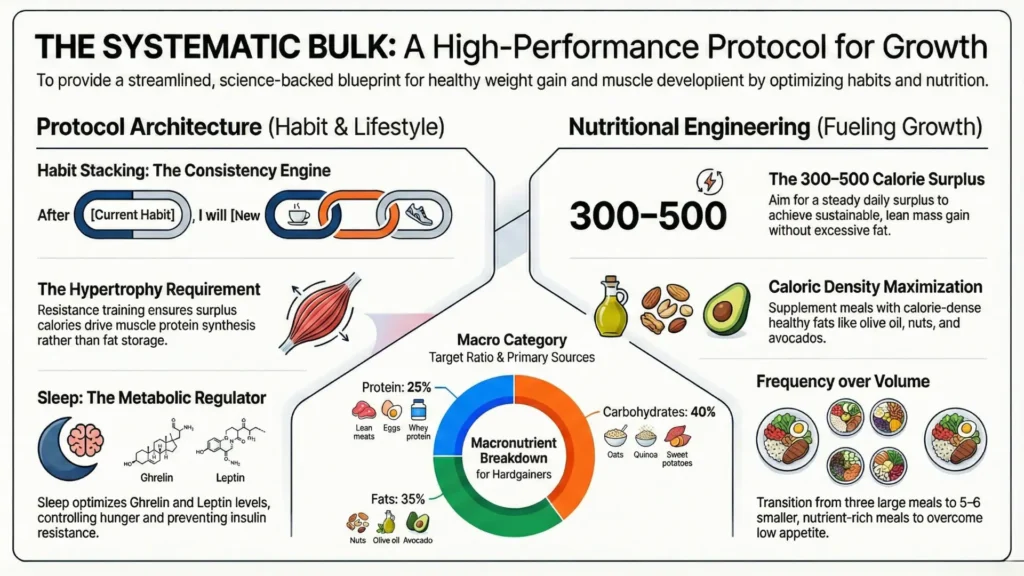
To achieve sustainable growth, focus on lifestyle changes for weight gain that involve a 300-500 calorie surplus daily from nutrient-dense Indian foods like paneer, ghee, and sattu. Combine this with 7-9 hours of sleep and regular resistance training to ensure you build lean muscle mass while managing cortisol levels.
Why is eating more not always the answer to being underweight?
Table of Contents
- 1 Why is eating more not always the answer to being underweight?
- 2 Why do lifestyle changes for weight gain matter as much as your diet?
- 3 Is junk food really a fast shortcut for healthy ways to bulk up?
- 4 Muscle vs. fat: How does science explain healthy weight gain?
- 5 What are the best natural weight gain tips for a busy lifestyle?
- 6 What does a sample weight gain workout and meal plan look like?
- 7 Which common mistakes stall your progress?
- 8 Why is a consistent weight gain daily routine your biggest win?
- 9 Frequently Asked Questions (FAQs)
- 10 Contact Us
- 11 Disclaimer
Many people assume that being thin is a blessing, but for many Indians, being underweight is a serious health concern. Recent data from the NFHS-5 reveals that approximately 20.1% of women in India are clinically underweight, with a BMI below 18.5 kg/m^2. Research indicates that individuals in this category can face mortality risks nearly three times higher than those at the upper end of the healthy range.
I know it’s hard to hear, but eating everything in sight often backfires. In India, we frequently see the thin-fat phenotype, where someone looks slim but carries high levels of internal visceral fat and low muscle mass. This increases the risk of Type 2 diabetes and heart disease even if the scale says you are light. True growth requires a plan that prioritizes quality over quantity to ensure your body gets the building blocks it needs for structural repair.
Why do lifestyle changes for weight gain matter as much as your diet?
Weight gain isn’t just about what happens at the dining table; it’s about what happens in your 24-hour routine. Your body is a complex system, and lifestyle factors dictate whether those extra calories become muscle or simply get wasted through metabolic stress.
How do sleep habits to gain weight affect your progress?
Sleep is your body’s primary anabolic or building phase. When you get 7 to 9 hours of quality rest, your body releases growth hormones that repair tissues and build muscle. If you are sleep-deprived, your cortisol levels rise, which can actually break down muscle tissue for energy. For busy professionals, this means that skipping sleep is effectively skipping your muscle growth.
Managing stress as part of your natural weight gain tips
High stress acts as a metabolic thief. For many Indian homemakers and professionals, chronic stress leads to a nervous stomach or suppressed appetite. When you are constantly in fight or flight mode, your body prioritizes immediate survival over building new tissue. Incorporating 10 minutes of deep breathing or a slow walk can help calm your nervous system and improve nutrient absorption.
Is junk food really a fast shortcut for healthy ways to bulk up?
A very common mistake is turning to dirty bulking—eating samosas, sweets, and processed snacks to see the number on the scale go up quickly. While these are high-calorie foods, they are empty calories that lack the protein and minerals needed for structural growth.
Let’s simplify this: junk food causes rapid insulin spikes. Over time, this can lead to insulin resistance, especially for those managing PCOS or early-stage diabetes. Instead of building a healthy frame, you end up storing fat around your organs (visceral fat), which is dangerous for your heart. The goal of your lifestyle changes for weight gain should be a clean bulk—nourishing your body with whole foods like almonds, walnuts, or a peanut chikki that provide healthy fats and protein.

Muscle vs. fat: How does science explain healthy weight gain?
When we talk about gaining weight, we are really talking about increasing your Lean Body Mass. Muscle is much denser than fat; a pound of muscle occupies less space than a pound of fat, giving you a toned appearance rather than a soft look.
Why muscle mass is vital for Indians
Muscle is metabolically active, meaning it uses energy even when you are at rest. Building muscle helps improve how your body processes sugar, which is a key protection against the rising diabetes epidemic in India. For women with lean PCOS, increasing muscle mass through resistance training has been shown to lower testosterone levels and improve hormonal balance.
Calculating your protein needs
To build this muscle, you need adequate protein. The latest research suggests consuming between 1.6 to 2.2 grams of protein per kilogram of your body weight for optimal muscle growth. This can be achieved through traditional Indian staples like dals, sprouts, eggs, and paneer.
What are the best natural weight gain tips for a busy lifestyle?
What this means for your daily routine is that consistency is your best friend. You don’t need to spend hours in the kitchen, but you do need to make your meals work harder for you.
How to use high calorie foods for weight gain effectively?
If you have a small appetite, eating three large meals can feel overwhelming. Instead, aim for 5 to 6 smaller meals throughout the day.
- Strategic Snacking: Keep roasted makhana, almonds, or peanuts at your desk to prevent long fasting periods.
- Don’t Drink Water Before Meals: Filling your stomach with water can curb your appetite. Drink after your meal to maximize food intake.
- Add Calorie Boosters: A simple teaspoon of ghee in your dal adds nearly 45-50 calories without making you feel stuffed.
Safety for Medical Conditions
For those with diabetes or hypertension, focus on low-glycemic carbohydrates like ragi or jowar, which release energy slowly and keep blood sugar stable. If you have thyroid issues, ensuring adequate sleep and stress management is crucial, as these factors directly impact your metabolic rate.

What does a sample weight gain workout and meal plan look like?
The short answer is that a structured weight gain daily routine removes the guesswork. Here is a realistic plan designed for the Indian context:
- Early Morning: Soaked almonds and dates to kickstart your energy.
- Breakfast: Two Paneer Parathas with white butter or a bowl of vegetable Upma with cashews.
- Mid-Morning: A glass of thick mango lassi or a sattu-based drink.
- Lunch: A balanced thali with brown rice, a thick bowl of dal makhani, paneer curry, and curd.
- Evening Snack: Peanut butter on whole-wheat toast or roasted makhana with seeds.
- Dinner: Mixed vegetable Khichdi with extra ghee or grilled chicken/fish with sautéed greens.
- Bedtime: A warm glass of turmeric milk with honey to help your muscles recover overnight.
Which common mistakes stall your progress?
I know you want to stay fit, but too much cardio can actually prevent you from gaining weight. High-intensity running burns the very calories your body needs to build tissue.
The Cardiva Trap and Strength Solutions
Instead of daily cardio, focus on resistance training 3 to 4 times a week. Simple at-home moves like bodyweight squats, push-ups, and planks create the mechanical load required to tell your body to build muscle instead of storing fat.
The Danger of Skipping Meals
Skipping even one meal can cause your body to enter starvation mode, where it slows your metabolism and holds onto fat while breaking down muscle for fuel. Research shows that skipping breakfast is linked to a 21% higher risk of cardiovascular events and unfavorable metabolic profiles.
Why is a consistent weight gain daily routine your biggest win?
Gaining weight is a marathon. A healthy rate of gain is about 0.25 to 0.5 kilograms per week. If you try to go faster, you are likely gaining body fat rather than lean mass. Consistency in your habits to gain weight is what creates permanent change.
Don’t just watch the scale. Notice if you have more energy at work, if your clothes fit better around the shoulders, or if you can carry heavy bags more easily. These are the true signs that your lifestyle changes for weight gain are working.

Frequently Asked Questions (FAQs)
1. Can I gain weight at home without going to the gym?
Yes. You can use natural weight gain tips like bodyweight exercises (squats, push-ups, and lunges) to stimulate muscle growth. The key is creating resistance for your muscles while maintaining a calorie surplus.
2. What are the best high calorie foods for weight gain in India?
Focus on nutrient-dense staples. Sattu, paneer, whole milk, ghee, bananas, and nuts like almonds and walnuts are excellent. These provide the healthy fats and proteins necessary for a clean bulk.
3. Is it safe to gain weight if I have PCOS?
Yes, but you must be careful with sugar. Focus on Low Glycemic Index (Low-GI) foods like whole grains (ragi, oats) and plenty of protein. This ensures you gain muscle rather than fat that worsens insulin resistance.
4. How many extra calories do I need daily to bulk up?
A surplus of 300 to 500 calories above your maintenance level is usually enough for sustainable growth. Some may go up to 700-1,000 extra calories for faster results, but this should be monitored to avoid excessive fat gain.
5. How does sleep affect my weight gain journey?
Sleep is when your body actually builds muscle. Without 7-9 hours of rest, your body remains in a catabolic state (breaking down tissue) due to high cortisol.
Contact Us
We understand how overwhelming nutrition and weight loss information can feel. With so many opinions and confusing advice online, it’s easy to feel stuck or unsure about what to do next.
At Diet Dekho, you never have to figure it out alone. You can contact us anytime with any questions or concerns. Our expert dietitians are available 24/7 to guide, support, and help you stay on track. Whether your goal is weight loss or building healthier habits, we’re here to make the journey simpler and more sustainable for you.
Disclaimer
This blog is intended to help readers make healthier food choices. Your health should always be the top priority. Before starting any restrictive or special diet, especially if you have a medical condition or health concern, please consult a doctor or a qualified dietitian. Each body responds differently to food and lifestyle changes. Always choose what is safe and suitable for you.

Dr. Ritika is a nutrition and lifestyle expert with 2+ years of experience, helping clients manage weight and health through practical, personalized diet plans.