
At DietDekho, we have found that how you start your morning often determines the metabolic success of your entire day. If you wake up feeling sluggish or reach for sugary snacks, a structured morning routine weight loss strategy might be the missing piece of your health puzzle. Many busy Indian professionals and homemakers unknowingly follow habits that block fat burning before the clock even hits 10:00 AM.
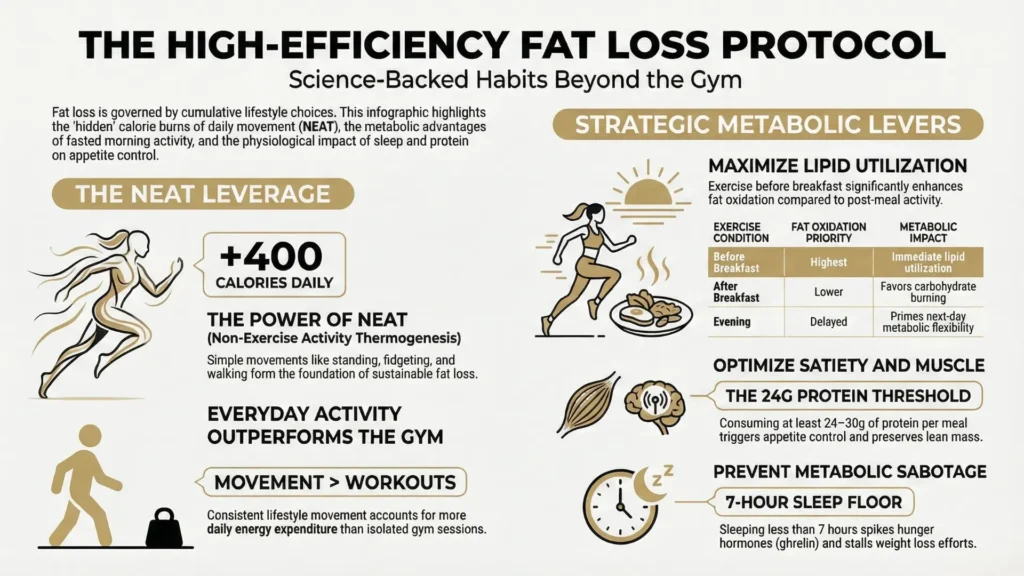
Direct Answer: How to Optimize Your Morning for Weight Loss The most effective morning routine weight loss strategy involves hydrating with 500ml of warm water upon waking, consuming 20–30g of protein within two hours, and engaging in 30 minutes of light movement. This combination stabilizes blood sugar, suppresses hunger hormones like ghrelin, and aligns your metabolism with your body’s natural circadian rhythm for maximum fat burning throughout the day.
Why Your Current Morning Routine Weight Loss Habits Might Be Failing You?
Table of Contents
- 1 Why Your Current Morning Routine Weight Loss Habits Might Be Failing You?
- 2 The Science of Metabolic Boosting: Why a Morning Routine Weight Loss Habit Matters?
- 3 5 Common Indian Morning Mistakes That Lead to Belly Fat
- 4 Step-by-Step Indian Morning Routine Weight Loss Ritual
- 5 Practical Morning Routine Weight Loss for Busy Working Professionals
- 6 Morning Habits to Avoid: Why Skipping Breakfast Isn’t the Answer for Morning Routine Weight Loss
- 7 The Role of Traditional Indian Superfoods
- 8 Small Wins Count: Start Your Journey with a Personalized Diet Consultation (Clear Next Step / CTA)
- 9 FAQs: Frequently Asked Questions for Your Morning Routine
- 10 Contact Us
- 11 Disclaimer
It is quite common to think that a quick cup of tea and a couple of biscuits is a harmless way to start the day, but from a metabolic standpoint, this habit can be a major roadblock. I know it’s hard to find time during the morning rush, but let’s simplify this: your body has been in a fasted state for eight to ten hours while you slept. When you introduce refined flour (maida) and sugar through biscuits first thing in the morning, you create a massive spike in your blood sugar levels.
What this means for your daily routine is that your pancreas has to pump out a large amount of insulin to manage that sugar spike. Insulin is often called the “storage hormone” because when its levels are high, your body effectively stops burning fat and starts storing energy instead. By 11:00 AM, that sugar spike crashes, leaving you feeling tired, irritable, and craving more carbohydrates. This is why many people find themselves reaching for a samosa or sugary coffee before lunch even begins.
The traditional Indian morning is often high in “hidden” stressors as well. Whether it is rushing to get children ready for school or diving straight into work emails, high cortisol levels can trigger the body to hold onto abdominal fat. In simple terms, when you are stressed and undernourished in the morning, your body goes into “survival mode,” making it much harder to succeed in your morning routine weight loss journey.
The Trap of the “Tea and Biscuit” Culture
Many households in India view tea as a harmless stimulant. However, when tea is combined with milk and sugar, it becomes a liquid calorie source that lacks fiber or protein. Research highlights that this combination can lead to increased acidity and a dampened appetite for a healthy, protein-rich breakfast later on. Over time, this contributes to the “thin-fat” phenotype common in India, where an individual may look slim but carries a high percentage of dangerous visceral fat around their organs.

The Impact of Modern Sedentary Habits
In previous generations, the Indian morning involved a significant amount of physical activity. Today, the first hour of the day is often spent sitting and scrolling through a smartphone. This lack of initial movement means your lymphatic system remains stagnant. Without a “kickstart,” your resting metabolic rate remains low for hours, hindering any morning routine weight loss efforts.
| Habit | Metabolic Consequence | Better Alternative |
| Sugary Chai + Biscuit | Insulin spike and fat storage | Warm water + Soaked nuts |
| Checking Phone Immediately | Elevated cortisol and anxiety | 10 mins of stretching or sunlight |
| Skipping Hydration | Sluggish digestion and false hunger | 500ml of lukewarm water |
| Rushed, Distracted Eating | Poor satiety signaling | Sitting down for a 15-minute meal |
The Science of Metabolic Boosting: Why a Morning Routine Weight Loss Habit Matters?
The concept of metabolism is often misunderstood as a fixed speed. In reality, your metabolism is a dynamic system that follows a circadian rhythm—an internal 24-hour clock. Scientific research from institutions like the Harvard T.H. Chan School of Public Health shows that our bodies are most efficient at processing nutrients and regulating blood sugar in the early morning.
The short answer is that your body is biologically programmed to “burn” in the morning and “store” in the evening. This is why the timing of your first meal is so crucial. When you eat a protein-rich breakfast within the first two hours of waking, you take advantage of your body’s peak insulin sensitivity. This means the nutrients you consume are used for energy and muscle repair rather than being diverted into fat cells.
Protein also has a much higher “Thermic Effect of Food” (TEF) compared to fats or carbohydrates. This means your body actually burns more calories just to digest protein than it does for other nutrients. By including a high-protein source in your morning routine weight loss plan, you are giving your metabolic engine a rev-up that lasts for several hours.
Understanding the Role of Hunger Hormones
Two primary hormones dictate your appetite: Ghrelin (the hunger hormone) and Leptin (the fullness hormone). After a night of sleep, Ghrelin levels are naturally high. If you skip breakfast or eat only simple carbs, Ghrelin continues to rise, leading to intense hunger pangs later in the day. A balanced morning meal “shuts off” the Ghrelin signal and stimulates Leptin, allowing you to feel satisfied until lunch.
The Importance of Morning Sunlight
Getting 10 to 20 minutes of natural light within an hour of waking up is one of the most effective ways to regulate your metabolism. Sunlight triggers the release of cortisol to help you feel alert and sets a timer for the release of melatonin later in the evening to help you sleep. Poor sleep is directly linked to weight gain, so a good morning routine weight loss schedule actually prepares your body for better rest at night.

5 Common Indian Morning Mistakes That Lead to Belly Fat
In India, we have a unique genetic predisposition where we tend to store fat in the abdominal area. Understanding the common mistakes that contribute to this can help you refine your morning routine weight loss plan.
1. Using Pickles, Papad, or High-Salt Condiments
Many traditional Indian breakfasts are accompanied by pickles that are very high in sodium. Excessive salt in the morning leads to water retention and bloating. While a small amount of home-made chutney is fine, avoid processed, oil-heavy versions that are essentially “sodium bombs”.
2. The “Fruits are Always Good” Myth
While fruits are packed with vitamins, eating a large plate of only sweet fruits (like mangoes) on an empty stomach can cause a rapid rise in blood sugar for some people, especially those with PCOD or diabetes. The key is to pair your fruit with a protein or a healthy fat—for example, an apple with a handful of walnuts.
3. Ignoring the Thyroid Medication Window
For those with hypothyroidism, the order of operations in the morning is non-negotiable. Thyroid medication (Levothyroxine) must be taken on a completely empty stomach with only water. You must wait at least 30 to 60 minutes before having tea, coffee, or food. If you eat too soon, the medication won’t be absorbed properly, slowing down your morning routine weight loss progress.
4. Relying on “Sugar-Free” Packaged Foods
Many busy professionals reach for “diet” biscuits. These are often ultra-processed foods (UPFs) that contain artificial sweeteners or refined grains. According to the ICMR-NIN 2024 report, the surge in UPF consumption is a leading driver of obesity in India. It is always better to choose a single-ingredient, home-cooked meal.
5. Excessive Morning Caffeine
While a black coffee can boost metabolism, many Indians drink multiple cups of milk tea. This can lead to dehydration. If you aren’t drinking enough plain water alongside your tea, your body’s ability to metabolize fat decreases because hydration is vital for every chemical reaction in the body.
Step-by-Step Indian Morning Routine Weight Loss Ritual
Let’s simplify this into a practical timeline. You don’t have to do everything at once; start with one or two steps and build your way up.
Step 1: The First Flush (6:00 AM – 6:15 AM)
Drink 500ml of lukewarm water. This rehydrates your organs and kickstarts your digestive tract.
- For Digestion: Jeera (cumin) water. Soak 1 tsp of seeds overnight and boil in the morning.
- For PCOS/Diabetes: Methi (fenugreek) water. This helps improve insulin sensitivity over time.
- For Thyroid: Coriander seed water. It is rich in minerals that support thyroid health.
Step 2: Mindful Movement (6:30 AM – 7:00 AM)
A brisk walk or 10 rounds of Surya Namaskar at home is enough to tell your body it’s time to use energy. If you have joint pain, gentle stretching or “Vajrasana” after your water is also very effective.
Step 3: The Nutrient “Primer” (7:15 AM)
Eat 5 soaked almonds and 2 walnuts. Soaking nuts removes phytic acid, making nutrients like Vitamin E and Omega-3s easier to absorb. This provides healthy fats that keep your brain sharp.
Step 4: The High-Protein Breakfast (8:30 AM – 9:00 AM)
Your breakfast should ideally contain 20–30 grams of protein. This is the core of an effective morning routine weight loss plan.
- Option 1: Moong Dal Chilla. Fill it with grated paneer and vegetables. It’s gluten-free and high in protein.
- Option 2: Vegetable Oats Upma. Use rolled oats and load it with peas and carrots. Add a boiled egg or sprouts for extra protein.
- Option 3: Ragi Dosa. Finger millet (Ragi) is excellent for weight loss and bone health, especially for women managing PCOD.

Practical Morning Routine Weight Loss for Busy Working Professionals
I know it’s hard to find time when you have a 9:00 AM meeting. For the busy professional or NRI managing a household, the key to a morning routine weight loss strategy is “pre-prep.” You cannot rely on willpower alone; you must rely on a system.
The “Overnight” Strategy
If you have no time to cook, utilize “Overnight Oats” or “Soaked Poha.” You can mix oats and chia seeds in a jar at night. Similarly, sprouts can be prepared in large batches on Sundays. A quick sprouts chaat with chopped onions and lemon takes only 5 minutes to assemble.
For the NRI Audience: Managing Cold Climates
For our friends living in colder countries, a cold smoothie might not be appealing. What this means for your daily routine is that you should lean towards “warmers.” A warm bowl of Daliya (broken wheat) or a hot cup of turmeric milk can be very grounding. Use an electric kettle to quickly boil eggs or prepare instant oatmeal without sugary additives.
| Professional Profile | Strategy | Recommended Breakfast |
| Early Commuter | Portable & Prepped | Moong Dal Sprouts or Boiled Eggs |
| Work From Home | Fresh & Balanced | Vegetable Poha with Peanuts and Curd |
| Frequent Traveler | Kettle-Friendly | Plain Oatmeal with Nuts and Seeds |
| Night Shift Worker | Circadian-Aligned | High-protein “breakfast” whenever you wake up |
Morning Habits to Avoid: Why Skipping Breakfast Isn’t the Answer for Morning Routine Weight Loss
There is a popular myth that skipping breakfast is an easy way to cut calories. However, for most people—especially those managing PCOS or Diabetes—this can cause your body to hold onto fat. When you skip your morning meal, your blood sugar can drop too low, triggering a stress response.
In simple terms, skipping breakfast makes your brain “panic.” By the time you reach lunch, your body is screaming for energy, which is why you end up over-indulging in high-carb foods like white rice or roti. A study co-authored by researchers at Harvard found that “early-window” eating (eating breakfast and lunch and a light dinner) is far superior for weight loss and blood pressure control than skipping breakfast.
Furthermore, skipping breakfast can lead to muscle loss. Your body needs amino acids to function. If you don’t provide them, your body may break down muscle tissue to get them. Since muscle burns more calories than fat, losing muscle actually slows down your morning routine weight loss results.
The Danger of “Distracted” Eating
Eating while checking emails is a common mistake. When your brain is distracted, it doesn’t properly register “fullness” signals. This leads to over-consumption and poor digestion. Even if you only have 10 minutes, sit down and focus on your food. Chew slowly to help release digestive enzymes.

The Role of Traditional Indian Superfoods
We often look for unfamiliar superfoods like kale, but our Indian kitchen is already full of them. Integrating these into your morning can provide a significant boost to your morning routine weight loss plan.
Amla (Indian Gooseberry)
Amla is a powerhouse of Vitamin C and antioxidants. Drinking a small shot of fresh amla juice can help regulate blood sugar and improve skin health. For women with PCOS, amla is particularly beneficial for balancing hormones and reducing inflammation.
Turmeric (Haldi)
Curcumin, the active compound in turmeric, is a natural anti-inflammatory. Adding a pinch of turmeric to your morning water helps improve insulin sensitivity and reduces the pressure on your blood vessels. This is a simple, home-based solution for hypertension.
Cinnamon (Dalchini)
Cinnamon is one of the best spices for weight loss. It has been shown to improve insulin sensitivity by up to 20%. Sprinkling half a teaspoon of cinnamon powder on your oats or daliya can help prevent those mid-morning sugar crashes.
Sattu (Roasted Chana Flour)
Sattu is an incredible ingredient for a morning routine weight loss schedule. It is high in fiber and protein with a low glycemic index. A simple drink made of Sattu, water, and lemon can keep you full for hours and is a great alternative to expensive protein powders.
Small Wins Count: Start Your Journey with a Personalized Diet Consultation (Clear Next Step / CTA)
I know that changing your entire morning can feel overwhelming. But remember, weight loss is not about doing everything perfectly; it’s about making small, consistent choices. If you can only manage to drink more water this week, that is a victory. If you can swap your biscuit for a few almonds, that is a victory.
At DietDekho, we believe that the best diet is the one you can actually follow. Whether you are a busy professional in Mumbai or managing a chronic health condition abroad, you deserve a plan that fits your life.
Let’s simplify this journey together. You don’t have to guess what works for your body. Our expert dietitians are here to help you create a personalized, macro-balanced plan that targets your specific needs and helps you achieve lasting results.
Take the first step toward a healthier, more energetic you.

FAQs: Frequently Asked Questions for Your Morning Routine
1. Is it okay to drink tea or coffee on an empty stomach?
For most people, it is better to have water and some nuts before your tea. Caffeine on an empty stomach can increase acidity and spike cortisol levels too quickly. Always pair your morning beverage with a small, healthy snack if you have a sensitive stomach.
2. What are the best habits for morning routine weight loss?
The best habits include hydrating early, getting 10 minutes of sunlight, and eating a breakfast with at least 20g of protein. Consistency is more important than intensity, especially when managing conditions like thyroid or PCOS.
3. What is the best morning drink for belly fat?
While no drink “melts” fat alone, warm water with lemon or jeera is excellent for reducing bloating. For those with insulin resistance, methi water is a research-backed option to help manage blood sugar effectively.
4. How long does it take to see results from a new morning routine?
Consistency is key. Most people report feeling less bloated within the first week. Visible changes in weight typically become apparent between weeks four and six as your hormones stabilize.
A Note on the “Thin-Fat” Indian Phenotype
It is crucial to understand that Indians often possess a unique body composition. Studies from the ICMR and WHO highlight that we tend to have more fat and less muscle at the same BMI. This means that a standard calorie deficit might not be enough. We must focus on protein intake to preserve muscle. This is why our morning routine weight loss protocol emphasizes protein—not just for fullness, but to protect your metabolic health.
Contact Us
We understand how overwhelming nutrition and weight loss information can feel. With so many opinions and confusing advice online, it’s easy to feel stuck or unsure about what to do next.
At Diet Dekho, you never have to figure it out alone. You can contact us anytime with any questions or concerns. Our expert dietitians are available 24/7 to guide, support, and help you stay on track. Whether your goal is weight loss or building healthier habits, we’re here to make the journey simpler and more sustainable for you.
Disclaimer
This blog is intended to help readers make healthier food choices. Your health should always be the top priority. Before starting any restrictive or special diet, especially if you have a medical condition or health concern, please consult a doctor or a qualified dietitian. Each body responds differently to food and lifestyle changes. Always choose what is safe and suitable for you.

Dr. Ritika is a nutrition and lifestyle expert with 2+ years of experience, helping clients manage weight and health through practical, personalized diet plans.