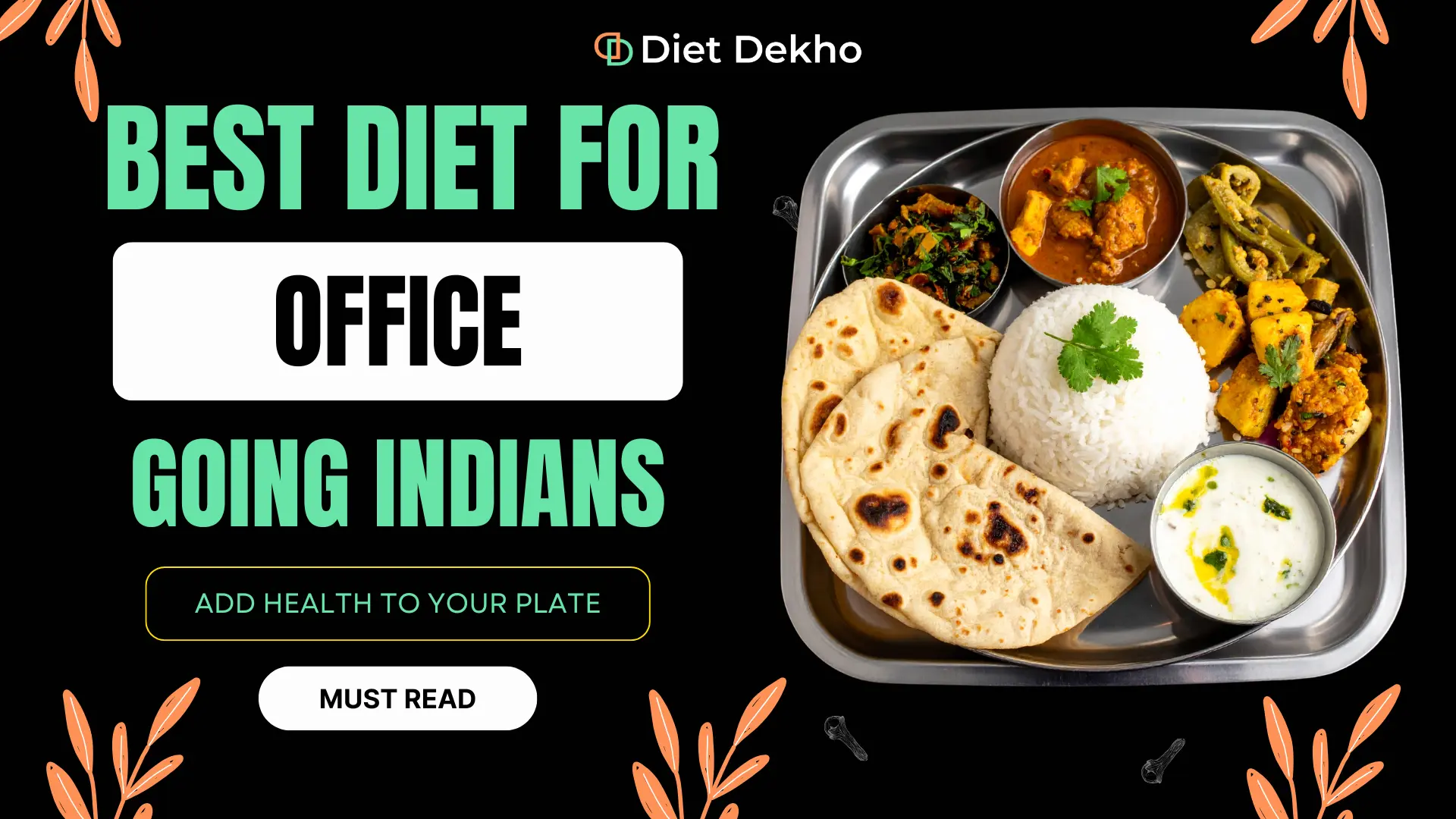
Do you often feel that mid-afternoon energy crash just as your most important meeting begins? For many of us, following a consistent Indian office diet plan feels impossible between back-to-back calls and long commutes, but your desk job doesn’t have to be a roadblock to your health.
The best Indian office diet plan focuses on macro-balanced tiffins containing 50% fiber-rich vegetables, 25% lean protein (dal, paneer, or eggs), and 25% complex carbohydrates (millets or brown rice). By prioritizing low-glycemic foods and early meal timings, professionals can effectively manage weight, stabilize blood sugar, and reverse sedentary lifestyle risks like PCOS and hypertension.
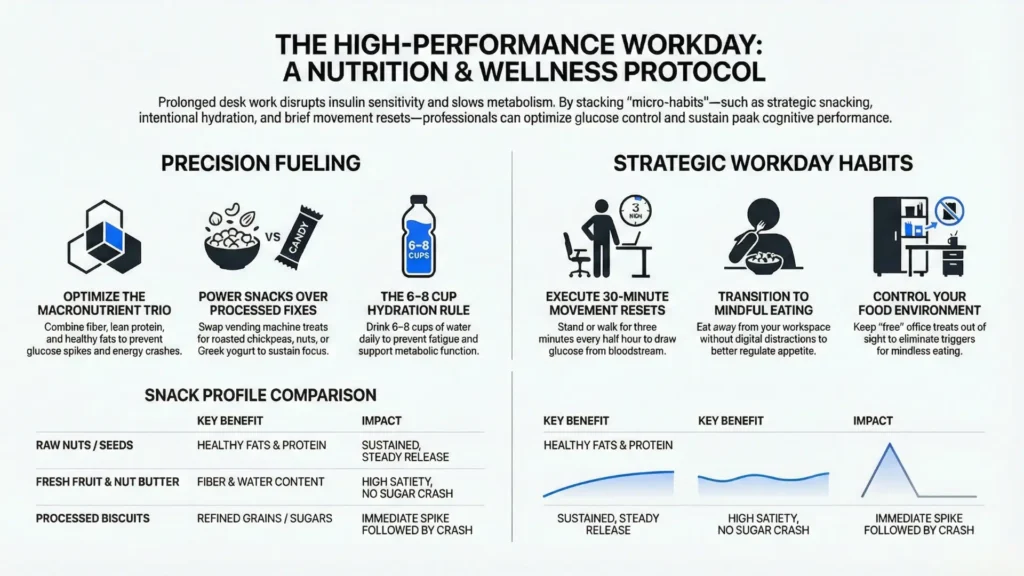
Why is your desk job sabotaging your health goals?
Table of Contents
- 1 Why is your desk job sabotaging your health goals?
- 2 Is your unstructured eating habit worse than a samosa break?
- 3 How to build the perfect Indian office tiffin?
- 4 What is the best 7-day Indian office diet plan for PCOS and weight loss?
- 5 Smart swaps: How to survive the office canteen and cravings?
- 6 How to master meal prep for a 9-to-5 life?
- 7 Balancing fitness with a busy corporate schedule
- 8 Start your transformation today: Consulting a Diet Dekho expert
- 9 FAQs for the Indian Office Diet Plan
- 10 Conclusion
- 11 Contact Us
- 12 Disclaimer
The shift toward a service-oriented economy has fundamentally changed how our bodies process energy. At dietdekho, we see thousands of professionals who are highly successful in their careers but struggling with metabolic health. It is not just about the calories; it is about how the “thin-fat” phenotype common in Indians interacts with a sedentary 9-to-5 routine. This phenotype means even if your weight seems normal, you might have high visceral fat around your organs, increasing your risk for heart disease and diabetes.
Recent data from the India Workforce Health Index 2025 shows that nearly 37% of corporate employees show abnormal glucose metabolism. This is a staggering figure that highlights why a structured Indian office diet plan is no longer a luxury but a necessity for survival in the modern corporate world. I know it’s hard to find time to cook when you’re exhausted, but understanding these trends is the first step toward a healthier you.
Table 1: Prevalence of Metabolic Conditions in the Indian Corporate Workforce (2024-2025)
| Health Marker | Prevalence (%) | Year-on-Year Change | Primary Risk Factor |
| Pre-diabetes | 24.40% | Up from 19.38% | Sedentary lifestyle & high-carb diet |
| Diabetes | 8.85% | Up from 7.89% | Chronic glucose mismanagement |
| General Obesity | ~50.00% | Steady Increase | Caloric surplus & ultra-processed snacks |
| Vitamin B12 Deficiency | 41.00% | High | Lack of dietary diversity & absorption issues |
| Clinical Anemia (Women) | 34.00% | High | Poor iron intake & menstrual health |
What this means for your daily routine is that your body is likely struggling to manage the sugar spikes from that morning biscuit or the heavy lunch from the office canteen. When we sit for eight hours straight, our insulin sensitivity drops, making it much easier for the body to store fat rather than burn it for fuel. Let’s simplify this: your desk job acts as a metabolic “brake,” and without the right fuel, your engine starts to clog.
Understanding the early onset of chronic risks
Indian professionals are developing chronic health issues 10 to 15 years earlier than their global peers in places like Japan or Singapore. We are seeing hypertension and type 2 diabetes in people in their late 20s and early 30s. This “health gap” threatens not just your personal well-being but also your long-term career productivity and financial stability due to rising medical costs.
In simple terms, obesity in India is moving from being a lifestyle concern to a full-blown epidemic. The World Obesity Federation predicts that by 2050, over 17% of Indian women and 12% of men will live with obesity. This is why we focus so heavily on the Indian office diet plan—it is the most powerful tool you have to push back against these statistics.

Is your unstructured eating habit worse than a samosa break?
While the occasional samosa gets a bad reputation, the real culprit is often “unstructured eating.” This includes skipping breakfast, having a late lunch at 3:00 PM, and then overeating at dinner because you are famished. This pattern triggers what scientists call “eating jetlag,” where your internal body clock becomes desynchronized from your actual behavior.
Your body has a natural circadian rhythm that dictates when you are most productive and when your digestion is strongest. For most 9-to-5 employees, alertness peaks in the mid-morning and then again in the early evening. If you eat a heavy, carb-laden lunch during your natural afternoon dip, you aren’t just feeling sleepy—you are actively fighting your body’s biological programming.
Table 2: Circadian Rhythms and Optimal Meal Timing for Productivity
| Time Period | Biological State | Optimal Nutritional Action |
| 7:00 AM – 9:00 AM | Peak Insulin Sensitivity | High-protein breakfast (Eggs/Moong Chilla) |
| 1:00 PM – 2:00 PM | Natural Alertness Dip | Balanced tiffin (Fiber + Protein + Complex Carbs) |
| 4:00 PM – 5:00 PM | Cortisol/Energy Drop | Low-GI snack (Nuts/Roasted Chana) |
| 7:00 PM – 8:30 PM | Melatonin Preparation | Light dinner (Soups/Grilled Tofu/Paneer) |
The short answer is that timing matters just as much as what you eat. Consuming a 500-calorie meal at 1:00 PM has a vastly different metabolic impact than eating that same meal at 10:00 PM. Late-night eating has been proven to delay plasma glucose rhythms, making it harder for your body to regulate blood sugar levels the next day.
The ripple effect of office snacking
I know it’s hard to resist the office pantry when you’re stressed, but those sugary biscuits and packaged bhujia are doing more than just adding calories. They cause rapid insulin spikes followed by sharp crashes, which lead to “brain fog” and decreased cognitive output. ICMR-NIN 2024 guidelines emphasize that unhealthy diets are now the leading contributor to India’s disease burden, accounting for 56% of it.
To counter this, your Indian office diet plan should incorporate “cabin-friendly” healthy snacks. Think of food as information you are giving your cells. When you give them refined sugar, you are telling them to store fat and inflame your system. When you give them fiber and protein, you are telling them to maintain energy and repair tissue.

How to build the perfect Indian office tiffin?
A healthy tiffin isn’t about bland food; it’s about the right proportions. At dietdekho, we recommend the “Balanced Plate” method, which is a modified version of the Harvard Healthy Eating Plate, adapted for the Indian palate. This approach ensures you stay full for longer and prevents that heavy, sleepy feeling after lunch.
In simple terms, your tiffin should look like a rainbow. The more colors you have (from different vegetables), the wider the variety of antioxidants and vitamins you are consuming. This is particularly crucial for those managing PCOS or diabetes, where micronutrient sufficiency is key to hormonal balance and insulin regulation.
Table 3: The Macro-Balanced Indian Tiffin Components
| Component | Proportion | Indian-Friendly Examples | Key Benefit |
| Vegetables / Fiber | 50% of plate | Bhindi fry, Lauki sabzi, Palak, Cucumber salad | Digestion & fullness |
| Lean Protein | 25% of plate | Dal, Paneer, Boiled eggs, Sprouts, Chickpeas | Metabolism & muscle |
| Complex Carbs | 25% of plate | Jowar/Bajra roti, Brown rice, Quinoa, Dalia | Steady energy |
| Healthy Fats | 1-2 teaspoons | Ghee (limited), Mustard oil, Walnuts, Seeds | Hormone health |
Let’s simplify this for your daily routine. If you are having a weight loss diet for desk jobs, your goal is to reduce the “energy density” of your meal while increasing the “nutrient density.” This means you eat a larger volume of food (mostly veggies) for fewer total calories. It’s a trick that keeps your stomach happy and your brain alert.
High-protein office lunch ideas for vegetarians
For the vegetarian professional, getting enough protein is often the biggest challenge. ICMR recommends a ratio of 3:1 for cereals to pulses to ensure you get a complete amino acid profile. You can achieve this by mixing your flours—for example, adding besan (chickpea flour) to your wheat atta or making a dal that is thick and rich in legumes rather than watery.
Good quality protein sources include paneer (low-fat), tofu, moong dal, rajma, and chole. A great healthy lunch idea for office is a “Sprout Pulao” made with brown rice and a generous portion of mixed sprouts, served with a side of cucumber raita. This combination provides fiber, protein, and probiotics all in one pot.
What is the best 7-day Indian office diet plan for PCOS and weight loss?
Managing PCOD or PCOS while working a 9-to-5 job requires a specific focus on anti-inflammatory foods and low-GI carbohydrates. The goal is to prevent insulin spikes that can worsen hormonal imbalances. I know it’s hard to stay consistent, but having a weekly plan removes the “decision fatigue” that often leads to ordering fast food.
A successful diet plan for corporate employees should be easy to prep and even easier to carry. Here is a sample 7-day structure that balances Indian flavors with clinical nutritional requirements for weight loss and hormonal health.
Table 4: 7-Day Sample Indian Office Diet Plan
| Day | Breakfast (Home) | Lunch (Tiffin) | Evening Snack (Office) |
| Monday | Moong Dal Chilla + Chutney | Jowar Roti + Lauki Sabzi + Dal | Roasted Chana |
| Tuesday | Vegetable Oats Poha | Brown Rice + Palak Paneer | 1 Apple + 5 Almonds |
| Wednesday | 2 Boiled Eggs + 1 Fruit | Multigrain Roti + Mixed Veg + Curd | Buttermilk + Makhana |
| Thursday | Ragi Dosa + Sambar | Quinoa Khichdi with Veggies | Green Tea + Walnuts |
| Friday | Besan Oats Pancake | Bajra Roti + Rajma + Salad | Sprouts Salad |
| Saturday | Paneer Paratha (No Butter) | Brown Rice + Fish/Tofu Curry | Coconut Water |
| Sunday | Idli + Sambar (Steamed) | Dal Bati (Baked) + Gatte ki Sabzi | Roasted Pumpkin Seeds |
What this means for your daily routine is that you are front-loading your nutrition. By having a high-protein breakfast, you reduce the likelihood of overeating during those high-stress evening hours. A study in the International Journal of Obesity found that those who eat a high-protein breakfast (about 35g of protein) consume fewer high-fat snacks later in the day.

Addressing thyroid and hypertension (BP)
If you are managing thyroid issues, focus on iodine-rich and selenium-rich foods like nuts and seeds, but be cautious with large amounts of raw cruciferous vegetables like cabbage or broccoli unless they are cooked. For hypertension, the main goal is sodium reduction. This means avoiding the “hidden salts” in office snacks like biscuits and papads. Instead of table salt, consider using black rock salt (Kala Namak) in moderation, as it contains slightly less sodium and provides a unique flavor.
In simple terms, the more “whole” your food is, the better. Processed meats, packaged juices, and even “diet” namkeens are often loaded with sodium and preservatives that can cause water retention and spike your blood pressure.
Smart swaps: How to survive the office canteen and cravings?
We’ve all been there—it’s 4:00 PM, you’re stressed, and someone just brought a box of sweets or a tray of samosas to the breakroom. The key to a successful nutrition guide for office workers is not total deprivation but “smart substitution.” If you know you’re going to be tempted, keep “emergency snacks” in your drawer.
A handful of roasted makhana (fox nuts) or a small box of roasted peanuts provides that crunch we often crave when stressed, but without the trans fats found in deep-fried snacks. Ghee, when used in moderation (about 1 teaspoon per day), can actually improve digestion and satiety, making it a better choice than refined vegetable oils for tempering your dals.
Table 5: Smart Swaps for the Indian Corporate Canteen
| Canteen Item | Healthy Office Swap | Why it Works |
| Samosa / Pakora | Roasted Chana or Makhana | Lower fat, higher fiber/protein |
| White Bread Sandwich | Whole Wheat Roti Wrap | Slow-release energy |
| Sweetened Tea/Coffee | Buttermilk (Chaas) or Nimbu Pani | Hydration without sugar spikes |
| Potato Chips | Kale or Beetroot Chips (Baked) | More vitamins, fewer calories |
| Processed Biscuits | Walnuts or Handful of Seeds | Healthy fats for brain function |
Let’s simplify this: the next time you go to the canteen, look for the “steamed” section. Choosing idlis over vadas or a vegetable pulao over a greasy biryani can save you hundreds of calories while keeping your energy levels stable. According to the Harvard adaptation of the Mediterranean diet, using oils like mustard or peanut oil for cooking is also heart-protective.
Managing liquid calories and hydration
Many office workers forget that they are “drinking” their calories. That second cup of milky, sugary tea or a glass of packaged orange juice can contain as much sugar as a dessert. In simple terms, your brain doesn’t register liquid calories as well as solid food, so you don’t feel “full” after drinking them.
Stick to water as your primary source of hydration. ICMR recommends at least 8-10 glasses of plain water daily. If you need flavor, try infusing your water with slices of lemon, cucumber, or mint leaves. This is refreshing and helps curb sugar cravings without adding any calories.

How to master meal prep for a 9-to-5 life?
The biggest myth about a healthy tiffin idea for work is that it takes hours of cooking every morning. In reality, the most successful professionals use “batch prepping” to save time. I know it’s hard to give up your Sunday afternoon, but spending just two hours prepping can save you ten hours during the week.
Start by washing and chopping all your vegetables at once. Store them in airtight containers in the fridge. You can even prepare “gravy bases” (onion, tomato, ginger-garlic paste) and freeze them in ice cube trays. When you’re ready to cook, just pop a few cubes into a pan, add your veggies or protein, and your meal is ready in 15 minutes.
Table 6: 20-Minute Office Meal Prep Checklist
| Task | Prep Action | Storage Tip |
| Vegetables | Chop cabbage, cauliflower, and beans | Store in mesh bags or containers |
| Protein | Boil chickpeas (chana) or rajma | Freeze in portions for later use |
| Grains | Cook a big batch of brown rice/quinoa | Reheat with a splash of water |
| Snacks | Roast makhana or chana in bulk | Keep in an airtight jar on your desk |
| Breakfast | Prep idli/dosa/chilla batter | Good for up to 3-4 days in fridge |
What this means for your daily routine is that “cooking” becomes “assembly.” For example, you can take your pre-boiled chickpeas, toss them with some chopped onions and tomatoes, add a squeeze of lime and some chaat masala, and you have a high-protein salad ready in five minutes.
The “Leftover” Strategy
Don’t be afraid of leftovers. If you are making a healthy dal or sabzi for dinner, make an extra portion. Indian gravies often taste better the next day as the spices have more time to meld. Just be sure to avoid reheating rotis multiple times, as they can become rubbery; instead, pack your leftovers with a fresh batch of brown rice or a quick-steamed millet.
Balancing fitness with a busy corporate schedule
While a weight loss diet for desk jobs is 80% of the battle, movement is the other 20%. The World Health Organization (WHO) warns that sedentary behavior is a major risk factor for non-communicable diseases. If you can’t go to the gym, focus on “NEAT” (Non-Exercise Activity Thermogenesis)—which basically means moving more during your normal day.
Take the stairs instead of the elevator. Park your car further away. Have “walking meetings” for internal calls. These small bursts of activity help reset your metabolism and improve insulin sensitivity after a meal.
The 10,000 Step Rule
Aim for a goal of 10,000 steps per day. Even if you don’t reach it every day, the effort of trying will naturally increase your calorie burn. If you are stuck at your desk, try seated leg raises or neck stretches every hour to prevent the stiffness and fatigue associated with long-term sitting.
Remember, your health is your most valuable asset. An under-rested and overworked body will struggle to drop weight, no matter how perfect your diet is. Aim for 7-8 hours of quality sleep to ensure your hormones (like leptin and ghrelin, which control hunger) stay in balance.

Start your transformation today: Consulting a Diet Dekho expert
I know it can feel overwhelming to navigate all these rules while managing a demanding career and family life. But you don’t have to do it alone. At dietdekho, we specialize in creating personalized, macro-balanced plans that fit your specific regional tastes, medical history, and office schedule.
Whether you are an NRI looking for traditional home-based solutions or a busy professional in Mumbai trying to beat the commute, we provide the expert guidance you need to succeed. Our consultants don’t just give you a list of foods; they teach you how to make your lifestyle sustainable.
Get a Personalized Macro-Balanced Plan with a Diet Dekho Expert.
Start Your Journey to Holistic Health with a Diet Dekho Consultant.
FAQs for the Indian Office Diet Plan
1. Is it okay to eat rice for lunch if I want to lose weight?
Yes, you can certainly eat rice! The key is portion control and choosing the right variety. Opt for brown rice, red rice, or hand-pounded rice, which are higher in fiber. Always pair your rice with a double portion of vegetables and a source of protein like dal or curd to slow down sugar absorption.
2. What are the best office desk healthy snacks that won’t cause weight gain?
Focus on high-fiber, high-protein options that satisfy your crunch. Roasted makhana, roasted chana, a handful of walnuts or almonds, and seeds (pumpkin or sunflower) are excellent choices. Avoid “diet” biscuits or juices, as they are often high in sugar and refined flour.
3. How can I manage my diet if my office only has a canteen with limited options?
In the canteen, always look for the most “basic” options. A simple plate of dal and roti with a side salad is usually safer than specialized curries. Ask for less oil if possible, and try to fill half your plate with raw salad or cucumber if they are available. Steamed idli or vegetable pulao are also better than deep-fried items.
4. Can this diet plan help with PCOS and thyroid issues?
Absolutely. A low-glycemic, anti-inflammatory diet is the gold standard for managing PCOS and thyroid. By focusing on whole grains, healthy fats, and lean proteins, you can help regulate your hormones and improve insulin sensitivity. However, always consult with a professional to tailor the plan to your specific lab markers.
5. How much water should I drink during office hours?
Aim for at least 2.5 to 3 liters of water throughout the day. Keep a 1-liter bottle on your desk and aim to finish it three times during your shift. Hydration is crucial for metabolism, cognitive function, and preventing “false hunger” where you think you’re hungry but are actually just thirsty.

Conclusion
Taking charge of your health doesn’t require quitting your job or spending hours at the gym. It starts with the simple, mindful choices you make every day—from the contents of your tiffin to the timing of your evening tea. By following a structured Indian office diet plan, you are not just losing weight; you are building a foundation for long-term productivity and a disease-free life.
I know it’s a big shift, but take it one meal at a time. Start with a healthy breakfast tomorrow, and soon these habits will become second nature. You’ve worked hard for your career; now it’s time to let your health support your success. We are here to guide you every step of the way.
Ready to reclaim your energy?
Contact Us
We understand how overwhelming nutrition and weight loss information can feel. With so many opinions and confusing advice online, it’s easy to feel stuck or unsure about what to do next.
At Diet Dekho, you never have to figure it out alone. You can contact us anytime with any questions or concerns. Our expert dietitians are available 24/7 to guide, support, and help you stay on track. Whether your goal is weight loss or building healthier habits, we’re here to make the journey simpler and more sustainable for you.
Disclaimer
This blog is intended to help readers make healthier food choices. Your health should always be the top priority. Before starting any restrictive or special diet, especially if you have a medical condition or health concern, please consult a doctor or a qualified dietitian. Each body responds differently to food and lifestyle changes. Always choose what is safe and suitable for you.

Dr. Ritika is a nutrition and lifestyle expert with 2+ years of experience, helping clients manage weight and health through practical, personalized diet plans.