Have you ever wondered why your rings feel tight after a long day at the office? Many of my clients at DietDekho struggle with high blood pressure despite not adding extra salt at the table. The truth is that hidden salt in packaged foods for BP is likely causing your blood pressure to spike unexpectedly. I know it is hard to find time to cook every meal. What this means for your daily routine is that the quick snacks you grab are working against your health goals.
To lower your blood pressure, you must avoid high-sodium packaged foods for BP like commercial pickles (achar), papads, salted namkeens, instant noodles, and ready-to-eat gravies. These items often contain over 500mg of sodium per serving, making it impossible to stay under the recommended 1,500mg daily limit for hypertensive individuals. Switching to fresh, homemade alternatives is the most effective way to protect your heart.
Why Hidden Sodium is the Silent Enemy of Your Arteries
Table of Contents
- 1 Why Hidden Sodium is the Silent Enemy of Your Arteries
- 2 The Growing Health Crisis in Urban India
- 3 Identifying the Salt Bombs in Your Pantry
- 4 Hidden Sodium in Everyday Bakery Items
- 5 Why Your Taste Buds Need a Reset
- 6 Reading Labels Like a Pro
- 7 The DASH Diet: An Indian Perspective
- 8 Smart Swaps for Busy Professionals
- 9 Kitchen Hacks for Low-Sodium Cooking
- 10 Eating Out Without the Salt Overload
- 11 The Role of Hidden Sodium in Healthy Foods
- 12 Behavioral Shifts for Long-Term Success
- 13 Monitoring Your Progress
- 14 Summary of Key Takeaways
- 15 Frequently Asked Questions
- 16 Contact Us
- 17 Disclaimer
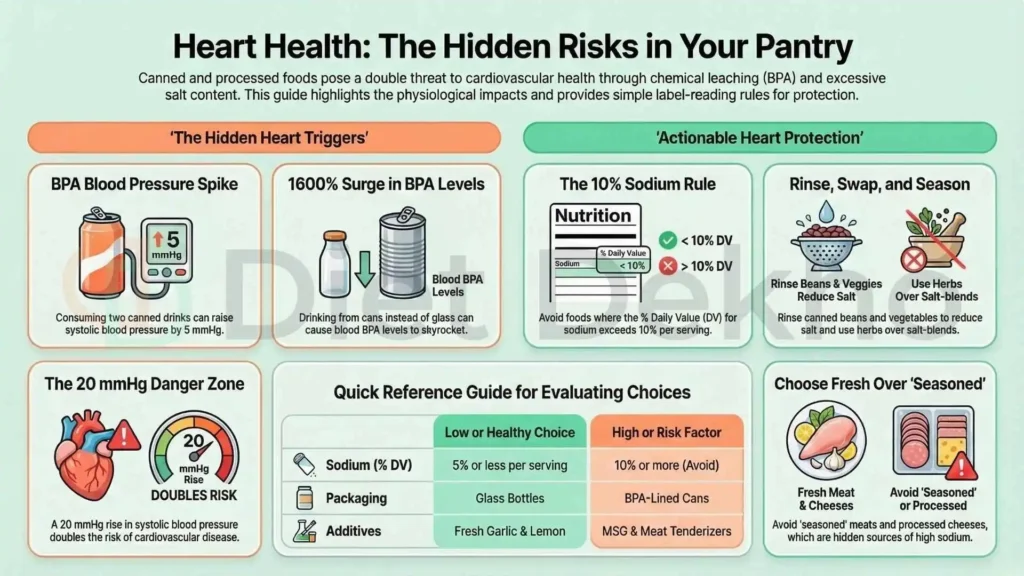
I know it is hard to find time to research every ingredient. Let’s simplify this for your daily life. When you eat too much sodium, your body holds onto extra water to wash it out of your system. This extra water stays in your bloodstream. This increases the total volume of blood pushing against your artery walls. Think of it like a water pipe under too much pressure. Over time, this pressure damages the delicate lining of your blood vessels.

Research shows that even small amounts of extra sodium can cause a measurable rise in blood pressure. In the famous DASH-Sodium trial, participants who lowered their salt intake saw significant drops in their readings. The most dramatic improvements happened when people stayed below 1,500 milligrams of sodium per day. Most of us eat more than double that amount without even touching the salt shaker. This is because about 75 percent of our daily salt comes from processed and packaged items.
Understanding the Sodium and Water Balance
Your kidneys are responsible for filtering out excess salt. However, when you constantly eat salty snacks, your kidneys cannot keep up. What this means for your daily routine is that you might feel bloated or puffy. This puffiness is not just on the outside. It reflects the strain on your heart and kidneys. High sodium intake is directly linked to an increased risk of stroke and heart disease.
| Sodium Intake Level | Daily Milligrams (mg) | Health Impact on Blood Pressure |
| High Intake | > 3,400 mg | Significant risk of hypertension and stroke |
| Recommended Limit | 2,300 mg | Maximum for healthy adults |
| Hypertensive Goal | 1,500 mg | Target for lowering blood pressure effectively |
The Growing Health Crisis in Urban India
We are seeing a worrying trend across Indian cities. Hypertension is no longer just a problem for the older people. We now see people in their 30s and 40s with high readings. This shift is largely due to our changing food habits. Busy professionals often rely on food delivery and packaged snacks to save time. In Delhi alone, nearly 12 percent of adults have hypertension, and over half are in a pre-hypertensive stage.
This is a nationwide challenge. According to the National Family Health Survey, about 24 percent of men and 21 percent of women struggle with high blood pressure. The prevalence is much higher in urban areas compared to rural regions. This is because urban diets are filled with more processed and convenience foods. These foods are designed to be shelf-stable, which usually means they are loaded with salt.
Regional Variations in Hypertension
The burden of high blood pressure is not the same across the country. Some regions show much higher rates than others. This is often linked to local culinary traditions that favor high-salt accompaniments like pickles and salted fish.
| Region in India | Rural Prevalence (%) | Urban Prevalence (%) |
| North India | 14.5% | 28.8% |
| East India | 31.7% | 34.5% |
| West India | 18.1% | 35.8% |
| South India | 21.1% | 31.8% |
These numbers from show that urban residents in Western India have some of the highest rates. This correlates with a heavy intake of processed snacks and street foods. Knowing these facts helps us realize that our environment plays a huge role in our health. It is not just about willpower. It is about making smarter choices in a world full of salt.

Identifying the Salt Bombs in Your Pantry
Let’s look at the specific packaged foods for BP that you should watch out for. I call these Salt Bombs because they hide massive amounts of sodium in small portions. You might not even think they taste that salty. This is the danger of hidden salt. Many manufacturers add salt to balance out sugar or to act as a dough conditioner in breads.
The Traditional Trap: Pickles and Papads
I know it is hard to imagine a meal without achar. It adds that perfect tang and spice. However, traditional Indian pickles are preserved using extreme concentrations of salt. Salt draws out moisture to prevent bacterial growth. This makes them one of the saltiest foods you can eat. Even a single tablespoon of mango pickle can have 500 milligrams of sodium.
Papads are another hidden source of danger. We often think of them as a light, harmless snack. But papads contain both table salt and sodium bicarbonate (papad khar). This combination pushes the sodium levels very high. One piece of papad can contain up to 300 milligrams of sodium. If you have two or three with your meal, you have already consumed half your daily target.

The Snacking Cycle: Namkeens and Chips
Do you find it hard to stop eating bhujia or sev once you start? There is a biological reason for this. Salt is addictive. It triggers the release of dopamine in the brain. This makes you crave more. Branded namkeens and potato chips are engineered to hit this bliss point. They use fine salt that dissolves instantly on the tongue for maximum impact.
Common snacks like mixtures, chivda, and salted nuts are packed with sodium. They often use black salt and chaat masala. While these spices are delicious, they are primarily made of sodium. What this means for your daily routine is that a small tea-time snack can cause a major blood pressure spike.
The Convenience Cost: Instant Noodles and Soup
I know you are busy and sometimes a two-minute noodle bowl is the only option. But these are perhaps the worst offenders for blood pressure. The tastemaker packets are essentially concentrated salt and flavor enhancers like MSG. One serving of instant noodles can contain more than 1,000 milligrams of sodium. This is nearly 70 percent of your total daily limit in one small bowl.
Instant soups are similar. They are promoted as a healthy, light option. However, to make them taste good without fresh ingredients, manufacturers add a lot of salt. Even healthy or low-fat soups can be very high in sodium. Always check the label before you buy.

Hidden Sodium in Everyday Bakery Items
You might be surprised to learn that bread is a top source of sodium. Most people do not think of bread as a salty food. But bread is eaten so frequently that the salt adds up quickly. Salt is needed in baking to control the yeast and strengthen the gluten. One slice of commercial white bread can have 150 milligrams of sodium.
Biscuits and cookies also contain hidden salt. Even the sweet ones use salt to enhance the flavor of the sugar. High-fiber or digestive biscuits often have more salt than regular ones to make them more palatable. If you eat bread for breakfast and biscuits with tea, your sodium intake is already climbing before lunch.
The Danger of Ready-to-Eat Gravies
Ready-to-eat (RTE) meals are becoming very popular in Indian households. They promise the taste of a home-cooked meal in minutes. But to keep these meals fresh on the shelf for months, massive amounts of salt are added as a preservative. These gravies are often much saltier than anything you would cook at home.
| Packaged Food Item | Average Sodium Content (per serving) | % of 1,500mg Daily Target |
| Instant Noodles (1 pack) | 900 – 1,100 mg | 60 – 73% |
| Ready-to-Eat Dal (1 pack) | 700 – 900 mg | 46 – 60% |
| Commercial Pickle (1 tbsp) | 400 – 500 mg | 26 – 33% |
| Salted Potato Chips (30g) | 150 – 200 mg | 10 – 13% |
| White Bread (2 slices) | 300 mg | 20% |
Why Your Taste Buds Need a Reset
I know the idea of eating less salt sounds boring. You might feel that food won’t taste good anymore. But I have some reassuring news. Your taste buds are very adaptable. If you slowly reduce the salt in your food, your tongue will become more sensitive to it. Within six to eight weeks, your palate will reset. You will start to taste the natural flavors of vegetables and grains that were previously hidden by salt.
What this means for your daily routine is that you will actually start to enjoy fresher foods more. You will find that commercial snacks start to taste too salty or chemically. This is a sign that your body is returning to its natural balance. Let’s simplify the process of making this transition. You don’t have to quit everything at once. Small changes lead to big results.
Dealing with Salt Cravings
When you first cut back on packaged foods for BP, you might feel a bit of a withdrawal. You might miss the punch of a salty snack. When this happens, try reaching for a sour flavor instead. Sourness stimulates the same taste sensors as salt. A squeeze of lemon or a bit of tamarind can often satisfy that craving without the sodium.
Reading Labels Like a Pro
I want to empower you to be a detective in the grocery store. Learning to read nutrition labels is a life-saving skill for anyone with high blood pressure. Don’t just look at the calories or the fat. Go straight to the Sodium or Salt line. In India, most labels list sodium in milligrams (mg) per 100g or per serving.
The 5-20 Rule for Sodium
A quick way to check if a food is safe is the 5-20 rule. If the Percent Daily Value (%DV) for sodium is 5% or less, it is considered low. If it is 20% or more, it is very high. For a 1,500mg diet, you want to stay as close to the 5% mark as possible. Anything above 20% is a Salt Bomb and should stay on the shelf.
Look for these specific terms on packaging:
- Low Sodium: 140mg or less per serving.
- Very Low Sodium: 40mg or less per serving.
- Sodium Free: Less than 5mg per serving.
- No Salt Added: No salt was added during processing, though some may occur naturally.
Beware of Misleading Marketing
I want you to be careful with terms like reduced sodium or less salt. This only means the product has 25% less salt than the original version. If the original version was extremely salty, the reduced version is still very unhealthy for you. For example, less sodium soy sauce still contains a massive amount of salt. Always check the actual number of milligrams.
Also, be wary of healthy labels on snacks like baked chips or diet mixtures. Often, when manufacturers take out fat, they add more salt and sugar to keep the taste. A baked snack can sometimes have more sodium than a regular fried one. Always trust the numbers on the back, not the promises on the front.
The DASH Diet: An Indian Perspective
The Dietary Approaches to Stop Hypertension (DASH) diet is a gold standard for heart health. It has been proven in numerous studies to lower blood pressure. The best part is that it fits perfectly with traditional Indian eating habits. DASH emphasizes whole grains, fruits, vegetables, and low-fat dairy.
Adapting DASH to Your Kitchen
I know it can be overwhelming to start a new diet. Let’s simplify this into your daily meals. Instead of white rice, try brown rice or millets like ragi and jowar. These are high in fiber, which helps regulate blood pressure. Instead of a heavy cream-based curry, go for a simple dal or a vegetable sabzi cooked with minimal oil.
| Food Group | Indian DASH Options | Why it Helps BP |
| Whole Grains | Oats, Ragi, Jowar, Brown Rice | High fiber and magnesium |
| Vegetables | Spinach, Lauki, Bhindi, Carrots | Rich in potassium and nitrates |
| Fruits | Guava, Papaya, Apple, Banana | Natural potassium to flush sodium |
| Low-Fat Dairy | Fresh Curd (Dahi), Buttermilk | Calcium and probiotics |
| Lean Protein | Moong Dal, Chana, Grilled Fish | Heart-healthy protein sources |
Potassium is the hero nutrient here. It acts as a natural balance to sodium. The more potassium you eat, the more sodium your body loses through urine. Foods like bananas, potatoes (with skin), and coconut water are excellent sources of potassium.
Smart Swaps for Busy Professionals
I know you are often eating on the go. What this means for your daily routine is that you need quick, low-sodium options that actually satisfy you. Let’s look at some simple swaps you can make today. These changes don’t require hours of cooking, just a little bit of planning.
- Morning Swap: Instead of bread and butter or a sugary cereal, try a bowl of overnight oats with fruit. It takes two minutes to prep the night before and is naturally low in sodium.
- Evening Snack: Instead of a packet of bhujia or chips, have a handful of unsalted roasted makhana (foxnuts) or roasted chana. You get the crunch without the salt spike.
- Lunch Side: Instead of a store-bought pickle, make a quick pickle with sliced cucumbers, green chilies, and lemon juice. It gives you that tangy hit with zero added salt.
- Drink Choice: Instead of a salty lassi or a soda, have a glass of plain buttermilk with roasted cumin powder. It’s cooling and heart-friendly.
The Power of Makhana and Roasted Chana
Makhana is one of my favorite recommendations for my clients. It is very low in sodium and high in magnesium. You can dry-roast a big batch at the start of the week. Season it with turmeric and black pepper. It stays crunchy for days and is a perfect substitute for packaged foods for BP. Roasted chana is also great because it is high in protein and keeps you full, preventing the urge to reach for salty biscuits later.
Kitchen Hacks for Low-Sodium Cooking
I want to help you make your home-cooked meals more flavorful without relying on the salt shaker. Indian spices are your best friends. They provide incredible depth and complexity that salt can never match. When you use spices correctly, you won’t even miss the extra salt.
Use Aromatics and Spices
Garlic, ginger, and onions are the foundation of flavor. Sauté them well to release their natural sweetness. Use spices like cumin, coriander, and turmeric generously. For a bit of heat, use black pepper or fresh green chilies instead of red chili powder blends, which sometimes contain added salt.
Try these specific additions:
- Amchur (Dried Mango Powder): Provides a great sour punch.
- Tamarind: Adds a deep, tangy flavor to dals and gravies.
- Fresh Herbs: Generous amounts of coriander, mint, or curry leaves can brighten any dish.
The Secret of Acidity
Our tongues often perceive a lack of salt as a lack of brightness. You can fix this by adding an acid. A squeeze of fresh lemon juice at the end of cooking can wake up the flavors of a dish just like salt does. Vinegar or a bit of yogurt can also provide this balance. I always tell my clients to keep a bowl of lemon wedges on the dining table. It’s the best replacement for the salt shaker.
Managing Cooking Mistakes
We all have days when the salt pours out too fast. If you find your dish is too salty, don’t worry. You don’t have to throw it away. Add a few large chunks of raw potato to the gravy and simmer for 10 minutes. The potato will absorb a lot of the excess sodium. Just remember to take the potato out before you serve the meal. Adding a bit of cream or unsalted butter can also help mellow out the saltiness, though use these sparingly.
Eating Out Without the Salt Overload
I know it’s hard to stay on track when you have business lunches or family dinners. Most restaurant food is designed for taste, which usually means extra butter and salt. In fact, one restaurant meal can easily contain 2,000 to 3,000 milligrams of sodium-more than your entire daily limit.
Strategies for the Menu
When you are ordering, look for words like steamed, grilled, or roasted. These dishes usually have less added salt than fried or curried items. Avoid anything described as pickled, brined, or smoked, as these are high-sodium techniques.
- Ask for modifications: Most chefs are happy to use less salt if you ask. Request that no extra salt be added to your salad or steamed vegetables.
- Sauce on the side: Many gravies are pre-made and very salty. Ask for sauces and dressings on the side so you can control how much you use.
- Skip the extras: Say no to the free bread basket, papads, and pickles that often come before the meal. These are high-sodium traps that you eat without even thinking.
Choosing Better Options
If you are eating Indian food, choose plain tandoori rotis over naan (which uses salt and soda). Go for plain steamed rice instead of jeera rice or biryani. A simple yellow dal or a dry vegetable sabzi is usually a safer bet than a rich, heavy gravy like butter chicken or paneer tikka masala.
The Role of Hidden Sodium in Healthy Foods
I want to warn you about some foods that we often consider healthy but are actually high in sodium. This is where many of my clients get tripped up. They think they are making a good choice, but their blood pressure doesn’t improve.
Breakfast Cereals and Cornflakes
You might not think of your morning cereal as a salty food. But many commercial cereals contain 200 to 300 milligrams of sodium per serving. This is added to balance the sugar and preserve the crunch. If you have a large bowl, you could be starting your day with 500mg of sodium before you even leave the house.
Salad Dressings and Condiments
Eating a salad is a great habit. But if you drench it in store-bought dressing, you are adding a lot of salt. Bottled dressings, ketchups, and sauces like soy sauce are incredibly high in sodium. A single tablespoon of soy sauce can have nearly 900mg of sodium. What this means for your daily routine is that your healthy salad can become a high-salt meal very quickly. Try making your own dressing with olive oil, lemon, and herbs instead.
Vegetable Juices and Canned Goods
Canned vegetables are convenient, but the liquid they sit in is often a concentrated salt brine. Always rinse canned beans or corn under running water before using them. This simple step can remove about 40% of the sodium. Also, be careful with packaged vegetable juices. They often add salt to enhance the flavor of the processed vegetables. It is always better to eat the whole fruit or vegetable.
Behavioral Shifts for Long-Term Success
I know that changing your diet can feel like a chore. But I want to encourage you to see it as an act of self-care. Every time you choose a low-sodium snack over a salty one, you are giving your heart a break. You are choosing to feel better, have more energy, and live a longer life with your family.
Start Small and Be Consistent
Don’t try to change everything at once. Pick one high-sodium food you eat often and find a replacement for it this week. Once that feels normal, move on to the next one. Small, consistent steps are much more effective than a crash diet that you can only maintain for a week.
Involve Your Family
It is much easier to make these changes if everyone in the house is on board. High salt intake isn’t good for anyone, including children. Training children’s taste buds to enjoy less salt early in life is a wonderful gift for their future health. You can explore new spices and flavors together as a family.
Be Kind to Yourself
There will be days when you eat a salty meal or indulge in a favorite snack. That’s okay. One meal won’t ruin your progress. The goal is the overall pattern of your diet. If you have a high-salt lunch, just make sure your dinner is very low in sodium to balance it out. Consistency over time is what matters most.
Monitoring Your Progress
I recommend keeping a food diary for a few days. Write down everything you eat, including the snacks. You might be surprised to see where the salt is coming from. Use a blood pressure monitor at home to track your readings. Seeing the numbers go down as you change your diet is a huge motivator.
What to Expect
Within the first two weeks of reducing your salt, you might notice that you feel less bloated. Your weight might even drop a little as your body releases excess water. By the end of a month, many people see a significant drop in their blood pressure readings. This is a sign that your heart is working more efficiently.
When to Consult a Professional
If you find it difficult to manage your blood pressure even after making these changes, please talk to a doctor or a registered dietitian. We can help you create a personalized plan that addresses your specific needs and lifestyle. Sometimes, small adjustments in your medication or diet can make a world of difference.
Summary of Key Takeaways
I know we’ve covered a lot of ground today. Let’s simplify the most important points to remember as you head into your next meal:
- Avoid the obvious traps: Stay away from commercial pickles, papads, and namkeens. These are the highest sources of sodium in the Indian diet.
- Check the labels: Look for the sodium content. Aim for foods with less than 140mg per serving. Avoid anything over 400mg.
- Embrace fresh flavors: Use lemon, vinegar, and a variety of Indian spices to flavor your food instead of salt.
- Focus on Potassium: Eat more fruits and vegetables like bananas, potatoes, and leafy greens to help your body flush out excess salt.
- Be a mindful diner: When eating out, ask for less salt and choose grilled or roasted options over heavy gravies.
Frequently Asked Questions
1. Is rock salt (Sendha Namak) or black salt (Kala Namak) safe for high blood pressure?
I know many people believe these are healthier alternatives, but unfortunately, they are not. Rock salt and black salt still contain nearly the same amount of sodium as regular table salt. While black salt has a distinct flavor that might allow you to use a tiny bit less, it will still raise your blood pressure if used in excess. It is best to limit all types of salt.
2. Can I use a salt substitute like Lite Salt?
Salt substitutes often replace sodium with potassium. This can be helpful for some, but it can be very dangerous for people with kidney disease or those on certain medications like ACE inhibitors. You must consult your doctor before using any potassium-based salt substitute to ensure it is safe for you.
3. Are all packaged foods for BP unhealthy?
Not necessarily! Some packaged foods are perfectly fine. Plain frozen vegetables, dry lentils, unflavored oats, and unsalted nuts are excellent choices. The key is to avoid foods that have been processed with added seasonings, preservatives, and flavorings. Always read the ingredient list; if salt or sodium is near the top, put it back.
4. How can I make my tea-time snacks healthier without namkeen?
I know we love our tea and snacks! Try switching to roasted makhana, unsalted peanuts, or even a piece of fruit. If you really want something savory, try a small bowl of sprouts chaat with lots of lemon, onions, and tomatoes but very little salt. It’s much more filling and much better for your heart.
5. Why is my blood pressure still high even though I don’t add salt to my cooking?
This is very common. It is usually because of the hidden salt in foods like bread, biscuits, sauces, and even some healthy cereals. Also, if you eat out even once or twice a week, those high-sodium meals can keep your blood pressure elevated. Try to look at every single thing you eat through the lens of hidden sodium for a few days.
Contact Us
We understand how overwhelming nutrition and weight loss information can feel. With so many opinions and confusing advice online, it’s easy to feel stuck or unsure about what to do next.
At Diet Dekho, you never have to figure it out alone. You can contact us anytime with any questions or concerns. Our expert dietitians are available 24/7 to guide, support, and help you stay on track. Whether your goal is weight loss or building healthier habits, we’re here to make the journey simpler and more sustainable for you.
Disclaimer
This blog is intended to help readers make healthier food choices. Your health should always be the top priority. Before starting any restrictive or special diet, especially if you have a medical condition or health concern, please consult a doctor or a qualified dietitian. Each body responds differently to food and lifestyle changes. Always choose what is safe and suitable for you.

Abhinav is the Founder of Diet Dekho, helping people manage weight and lifestyle health through simple, practical nutrition and personalized diet plans.