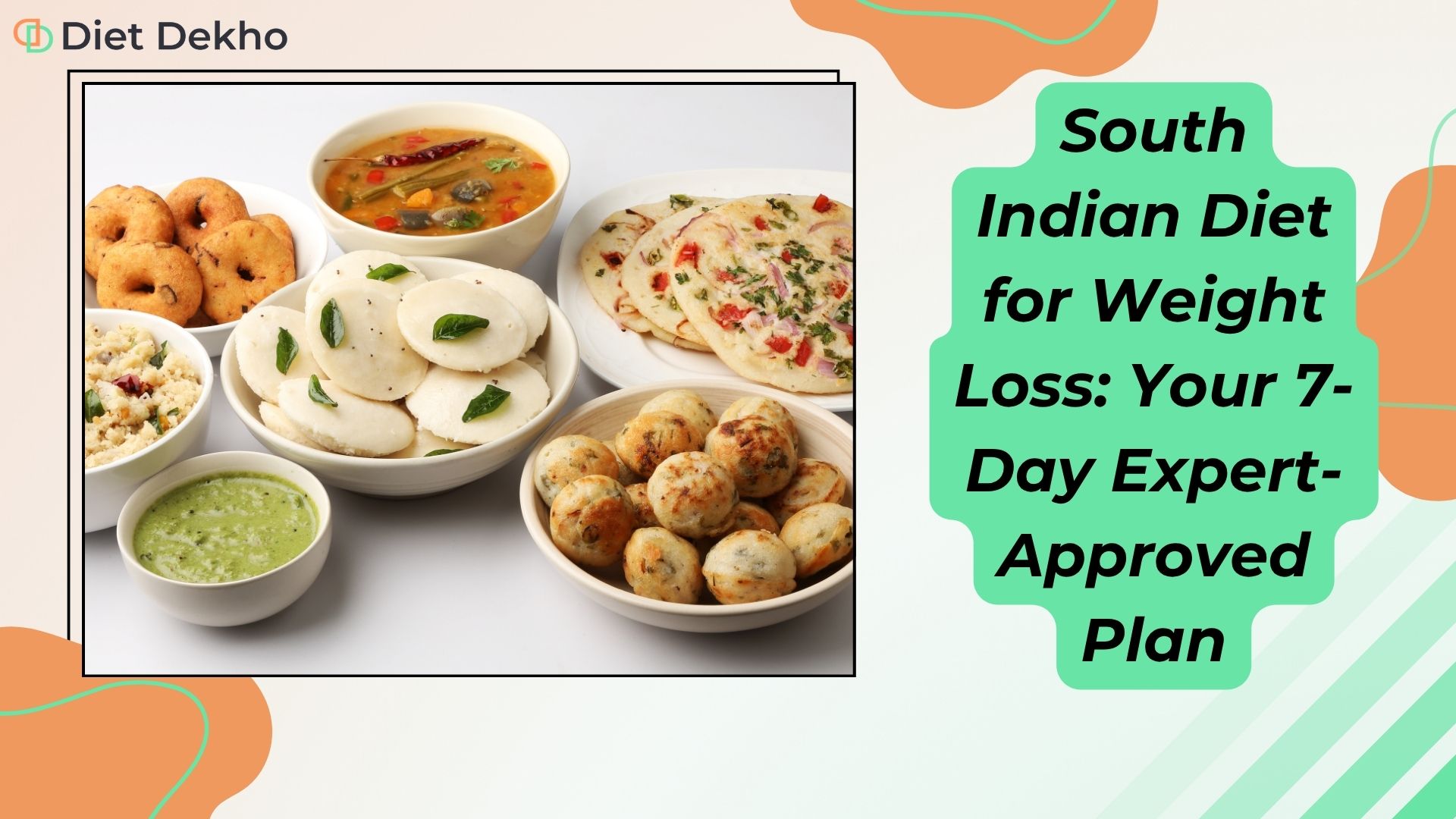
Imagine being fifty-two years old and feeling like your own body is a weight you can no longer carry. This was the reality for Mrs. Charoolatha Vaidhyanathan from Tamil Nadu, who reached a peak weight of 106 kilograms. Despite buying a treadmill and a stationary cycle, the needle on her scale refused to budge. Here is the thing: most people fail because they try to follow “western” diets that don’t fit our lifestyle. Mrs. Vaidhyanathan eventually lost 9 kilograms by switching to a methodical path that honored her roots. Her success proves that a south indian diet for weight loss isn’t just about eating less; it is about choosing the right traditional superfoods.
Why Your Current Meal Plan Might Be Stalling Progress
Table of Contents
- 1 Why Your Current Meal Plan Might Be Stalling Progress
- 2 The Great Grain Debate: Brown Rice vs. White Rice
- 3 Ragi: The Ancient Secret to Appetite Control
- 4 The Magic of Fermentation and Gut Health
- 5 High Protein South Indian Food: Closing the Gap
- 6 Choosing the Best Oil for South Indian Cooking
- 7 Why Buttermilk is Your Best Weight Loss Partner
- 8 Moringa: The “Green Gold” of Your Diet
- 9 Your 7-Day South Indian Weight Loss Meal Plan (1200-1500 Kcal)
- 10 South Indian Weight Loss Snacks: Say No to Bada and Bondas
- 11 Personalized Coaching for Lasting Success
- 12 Frequently Asked Questions
- 13 Conclusion: Start Your Journey Today
Most beginners think they need to quit Indian food to get fit. Surprisingly, the problem isn’t the cuisine itself but how we have refined it over the decades. Modern South Indian meals often revolve around polished white rice, which creates a massive glycemic load. What this really means is that your blood sugar spikes, your insulin stays high, and your body enters “fat storage mode”.
Recent research from the National Institutes of Health (NIH) highlights a worrying trend. The share of calories from protein in Indian diets is only 6–8%, while the global reference suggests 29%. To fix this, we need a strategic south indian meal plan that swaps empty starches for nutrient-dense alternatives.
The Great Grain Debate: Brown Rice vs. White Rice
Let’s break it down simply. White rice is essentially “pre-digested” because the bran and germ are removed during milling. Consequently, it has a high Glycemic Index (GI) of around 72. Conversely, brown rice and millets retain their fiber, which slows down glucose absorption significantly.
According to the(https://nutritionsource.hsph.harvard.edu/gnet-brown-rice-diabetes/), replacing just 50 grams of white rice with brown rice daily can lower your risk of Type 2 diabetes by 16%. More importantly, for weight loss, the fiber in brown rice keeps you full for much longer. If you want even better results, consider shifting to millets like Ragi or Jowar.
Ragi: The Ancient Secret to Appetite Control
If you are looking for ragi recipes for weight loss, you are on the right track. Finger millet (Ragi) is arguably the most powerful grain in the South Indian pantry. It is packed with 11.2g of fiber per 100g, which is nearly triple the fiber found in brown rice.
But here is the real kicker: Ragi contains an amino acid called tryptophan. This compound helps suppress hunger pangs and reduces emotional eating by easing stress. Furthermore, Ragi is one of the few grains that is entirely gluten-free and extremely rich in calcium. This ensures that while you lose weight, your bone health remains protected.
Quick Ragi Swaps for Beginners:
- Ragi Idli: Swap 50% of your rice batter with ragi flour.
- Ragi Malt: Drink unsweetened ragi porridge as a mid-morning filler.
- Ragi Roti: Use ragi flour mixed with grated carrots for a fiber-rich dinner.
The Magic of Fermentation and Gut Health
You might wonder if a healthy south indian breakfast like Idli or Dosa is actually good for weight loss. The answer is a resounding yes, thanks to the science of fermentation. During the overnight soaking and grinding process, lactic acid bacteria flourish.
These probiotics are like fuel for your gut microbiome. A healthy gut translates to a faster metabolism and better nutrient absorption. In fact, steamed idli for weight loss is often recommended by dietitians because it uses zero oil and is incredibly easy on the digestive system.
High Protein South Indian Food: Closing the Gap
The biggest hurdle for most vegetarians is getting enough protein. Because protein is highly thermogenic, your body burns more calories just digesting it compared to fats or carbs. To build a high protein south indian food list, you must look beyond just Sambar.
Lentils like Horse Gram (Kollu) are essentially the “gold standard” for fat burning in traditional medicine. Historically, it was fed to racehorses for stamina, which is where it gets its name. Modern science confirms that horse gram contains phenols that help attack fatty tissue in the human body.
Top Protein Sources to Include:
- Kollu (Horse Gram): Use it in rasam or sundal to boost metabolism.
- Soya Chunks: With 52g of protein per 100g, these are a vegetarian powerhouse.
- Paneer/Tofu: Grate tofu into your dosa for a low-calorie protein boost.
- Sundal: Use boiled chickpeas or moong for a high-fiber snack.
Choosing the Best Oil for South Indian Cooking
Many beginners make the mistake of cutting out all fats. However, your body needs healthy fats in south indian diet to absorb vitamins and produce hormones. The trick lies in choosing cold-pressed oils over refined ones.
Refined oils are processed with chemicals and high heat, which destroys their nutritional value. In contrast, cold-pressed oils preserve 30-40% more antioxidants. Specifically, virgin coconut oil contains Medium-Chain Triglycerides (MCTs) that the liver uses for immediate energy rather than storing as fat.
| Oil Type | Smoke Point | Primary Benefit |
| Ghee | 250°C | Boosts immunity; contains butyrate |
| Coconut Oil | 175-230°C | Increases metabolism; promotes fat burning |
| Groundnut Oil | 232°C | Heart-friendly; high in Vitamin E |
Why Buttermilk is Your Best Weight Loss Partner
Instead of reaching for sugary juices, try neer mor (buttermilk). Gastroenterologists like Dr. Pal emphasize that buttermilk is a “metabolic miracle”. It contains live cultures of lactic acid bacteria that assist in fat breakdown.
Additionally, it is a low calorie south indian recipe staple that hydrates you while providing Vitamin B12 and riboflavin. Drinking a glass post-lunch can ease bloating and acidity, which are common obstacles in a weight loss journey.
Moringa: The “Green Gold” of Your Diet
Commonly known as the drumstick leaf (Murungai Keerai), Moringa is a native superfood we often overlook. It contains chlorogenic acid, which helps regulate blood sugar and fat metabolism. Adding moringa powder to your morning water or including the leaves in your dal can significantly reduce unnecessary cravings.
Studies suggest that moringa can actually decrease fat formation in the body while improving the breakdown of existing fat. This makes it a perfect addition to a sustainable south indian diet for weight loss.
Your 7-Day South Indian Weight Loss Meal Plan (1200-1500 Kcal)
To see real results, you need a structured plan. This layout focuses on fiber rich indian foods and controlled portions.
Kickstart
- Breakfast: 2 Moong dal chillas with mint chutney.
- Lunch: 1 bowl of brown rice with vegetable sambar and curd.
- Snack: 1 glass of buttermilk with roasted makhana.
- Dinner: Clear vegetable soup with 100g grilled paneer or tofu.
Traditional Power
- Breakfast: 3 Idlis with Sambar (no oil).
- Lunch: 1 small bowl of brown rice with Kollu Rasam and beans poriyal.
- Snack: 1 seasonal fruit like guava or apple.
- Dinner: 1 Millet roti with lauki (bottle gourd) sabzi.
Metabolism Boost
- Breakfast: Ragi dosa with peanut chutney (limited portion).
- Lunch: Quinoa or brown rice pulao with plenty of vegetables and raita.
- Snack: Sprout sundal with grated coconut.
- Dinner: Moong dal soup and a small portion of sautéed spinach.
South Indian Weight Loss Snacks: Say No to Bada and Bondas
Snacking is often where we fail. Fried items like Medu Vada are calorie bombs. Instead, opt for south indian weight loss snacks that provide satiety.
Roasted Makhana (fox nuts) flavored with turmeric and black pepper is a fantastic low-calorie option. Similarly, boiled chickpeas (Sundal) provide the protein-fiber duo that keeps you full until dinner.
Personalized Coaching for Lasting Success
While a general guide helps, your body is unique. Sustainable results require a plan that fits your specific health conditions, like thyroid or PCOS. Expert platforms like(https://dietdekho.com/form/) provide customized roadmaps with a 98% success rate.
Whether you want to lose 5kg or 50kg, having a dedicated coach ensures you stay accountable. Take the first step by filling out the form here: https://dietdekho.com/form/.
Frequently Asked Questions
1. Is a south indian diet for weight loss effective for PCOS? Absolutely. By focusing on low-GI millets like Ragi and anti-inflammatory spices like Turmeric, this diet helps manage insulin resistance, which is key for PCOS recovery.
2. Can I eat white rice at all? You can, but portion control is vital. Limit it to one small bowl and always pair it with double the amount of fiber-rich vegetables or dal to lower the overall glycemic load.
3. Which is the best south indian weight loss snacks for office? Sprout sundal or roasted black chana are perfect. They are easy to carry, high in protein, and don’t require reheating.
4. How many south indian food calories are in a masala dosa? A typical masala dosa can range from 300 to 500 calories depending on the oil and potato filling. Swapping potato for tofu and using minimal oil can cut these calories by half.
5. Why is neer mor recommended for fat loss? Buttermilk helps pre-fill the stomach before meals, reducing your overall calorie intake. Its probiotics also boost metabolism by supporting healthy gut bacteria.
Conclusion: Start Your Journey Today
The path to fitness doesn’t have to be a struggle against your heritage. By embracing the south indian diet for weight loss, you are choosing a time-tested, scientific way to heal your body. Remember, consistency is more important than perfection. Start small—swap your white rice for brown rice, add a glass of buttermilk to your lunch, and include millets twice a week.
If you want a professional to take the guesswork out of your fitness journey, we are here to help. Get your personalized diet plan and start seeing results that last.
Ready for a change? Click here: https://dietdekho.com/form/

Abhinav is the Founder of Diet Dekho, helping people manage weight and lifestyle health through simple, practical nutrition and personalized diet plans.