Logo Img
  • Home
  • Services
    • Weight Management
      • Weight Loss
      • Weight gain
    • Disease Management
      • PCOS/PCOD
      • Thyroid
      • Diabetes Care
      • Fatty Liver
    • Yoga
  • About
    • About us
    • Our Team
    • Faq
  • Our Resources
  • Blog
  • Contact
Get Free Consultation
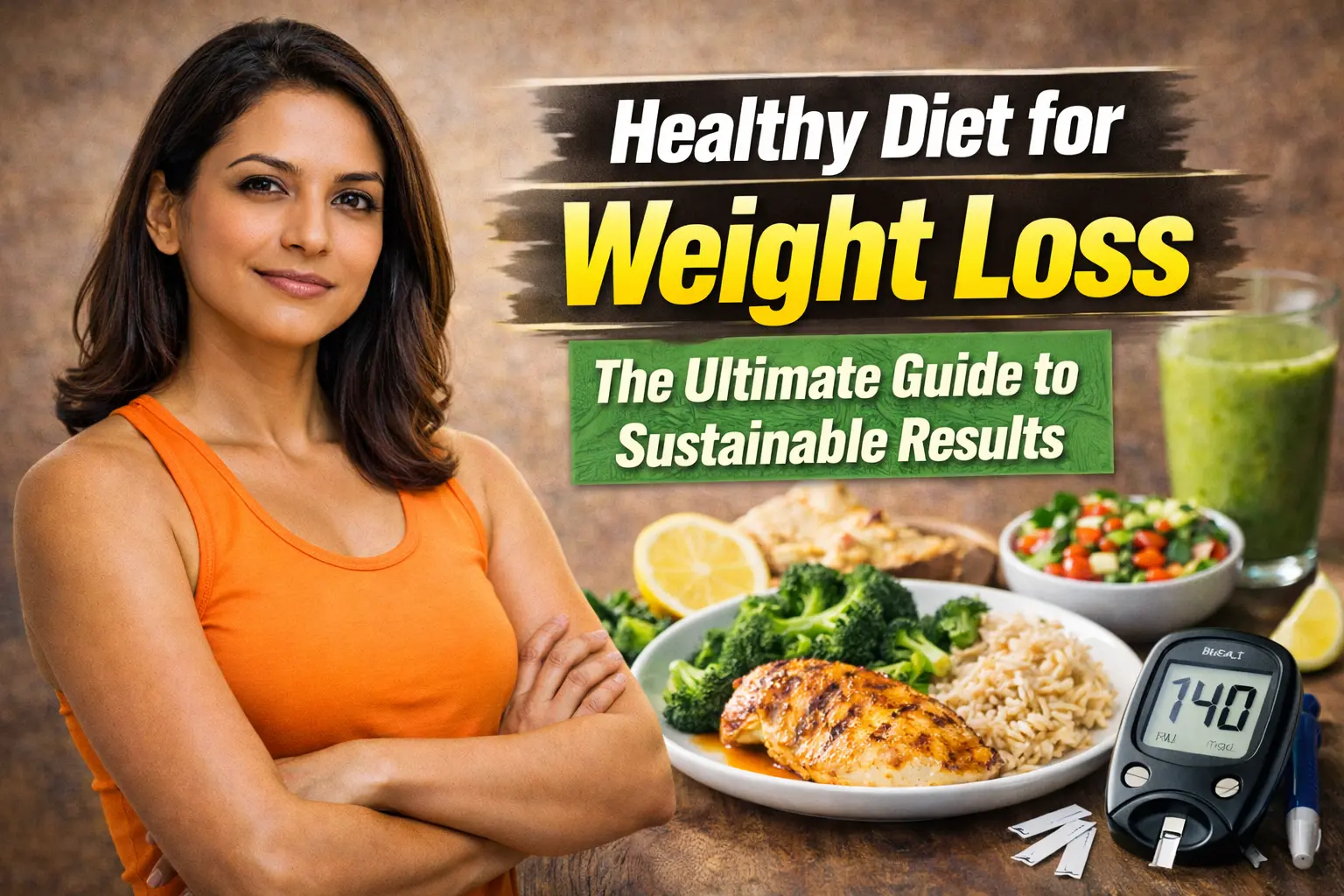
Healthy Diet for Weight Loss: The Ultimate Guide to Sustainable Results (Grammar done) Have you ever wondered why, despite your best efforts and your search for the right weight loss foods, the stubborn weight refuses to budge, leaving you exhausted and perpetually hungry? You are not alone; for many Indian professionals and homemakers, the search for a healthy diet for weight loss often leads down a path of extreme restriction that is simply impossible to maintain. A healthy diet for weight loss involves a sustainable calorie deficit achieved through a balanced intake of whole grains, lean proteins, and high-fiber vegetables while limiting ultra-processed foods. In the Indian context, this means optimizing the traditional thali by incorporating regional weight loss foods to improve metabolic health and ensure long-term success. Why is it so hard to maintain a healthy diet for weight loss without feeling hungry? The primary reason most people fail to stick to a healthy diet for weight loss is the physiological battle against hunger, which is often triggered by an improper balance of macronutrients. When we consume a diet high in refined carbohydrates—such as white rice, maida, or sugary snacks—our blood glucose levels spike rapidly, followed by an equally sharp crash. This rollercoaster effect signals the brain that the body needs more energy, leading to intense cravings. The Science of Satiety and Hormones I know it’s hard to find time to cook elaborate meals, but understanding satiety is crucial. Satiety is the feeling of fullness and satisfaction after a meal, and it is largely driven by three components: fiber, protein, and healthy fats. In a typical Indian household, the ratio of carbohydrates to these satiating elements is often skewed. For example, a meal consisting mostly of white rice and a small portion of dal provides energy but very little to keep the stomach full. Let’s simplify the hormones involved. Ghrelin is the hunger hormone that sends signals to your brain to eat. When you follow a restrictive healthy diet for weight loss that is too low in calories, your ghrelin levels rise, and your leptin levels—the hormone that signals fullness—drop. This is your body’s survival mechanism, making you feel like you are starving even if you have adequate fat stores. Managing Emotional Hunger in Indian Households The psychological aspect of hunger cannot be ignored. For many Indian homemakers and professionals, food is a primary way to manage stress. The pressure of balancing a career and a household often leads to emotional eating. When the diet is too rigid, it adds to this stress, making forbidden foods even more attractive. A successful, healthy diet for weight loss must be flexible enough to include a foundation of wholesome foods you actually enjoy. Factor Impact on Hunger Solution for Weight Loss Refined Carbs Causes insulin spikes and rapid hunger Swap for whole grains (Millets/Oats) Low Protein Leads to frequent snacking Include 20-30g protein per meal Inadequate Fiber Results in poor digestion and low satiety Aim for 400g of vegetables daily High Stress Triggers cortisol and emotional eating Practice mindful eating and portion control The frustration of following strict diets and not seeing results on the scale. The frustration of stepping on the scale after a week of perfect eating, only to see the same number, is a major reason why many abandon their healthy diet for weight loss. What this means for your daily routine is that you might be focusing on the wrong metric. Weight loss is not linear, and the scale often fails to reflect fat loss, muscle gain, or improved hydration levels. The Myth of Scale Weight In simple terms, weight is a measure of everything in your body: bones, muscles, organs, water, and fat. If you have started a new exercise routine alongside your healthy diet for weight loss, you might be gaining muscle while losing fat. Since muscle is denser than fat, your weight might stay the same, but your clothes will fit better. This is known as body recomposition. Understanding Water Retention and Fat Loss Another factor that causes scale frustration is water retention. High salt intake, hormonal fluctuations (especially during the menstrual cycle for women with PCOS), and stress can cause the body to hold onto water. For example, 1 gram of glycogen binds with approximately 3 to 4 grams of water. If you have a high-carb meal after a few days of restriction, the scale will jump, but it is not fat gain—it is simply water. It is also important to consider the plateau phase. After initial weight loss, the body often adapts to lower calorie intake by slowing metabolism. To break a plateau, it is often more effective to increase activity intensity rather than cut more calories, which can further damage your metabolic rate. Reason for Stagnant Scale Underlying Mechanism Recommended Action Muscle Gain Muscle is denser and heavier than fat Measure waist circumference, not just weight Water Retention High sodium or hormonal shifts Reduce salt intake; stay hydrated Metabolic Adaptation Body burns fewer calories at a lower weight Incorporate strength training to boost BMR Inflammation Stress or lack of sleep Prioritize 7-8 hours of restful sleep Why starving yourself or cutting all carbs is not a healthy diet for weight loss. The short answer is that the human body is designed to survive, not to be skinny. When you starve yourself, your body perceives a famine and enters power-save mode. It begins to break down muscle tissue to provide glucose for the brain and slows down your heart rate to conserve energy. This makes it nearly impossible to maintain a healthy diet for weight loss because your body will eventually force you to eat. The Problem with Zero-Carb Diets In the Indian context, cutting all carbs usually means eliminating rice, roti, and poha—staples that have been part of our culture for centuries. This is often unsustainable and can lead to nutrient deficiencies. Carbohydrates are the primary fuel source for the brain. Without them, you may experience carb flu, characterized by headaches, irritability, brain fog, and severe fatigue. Choosing Complex Carbs Over Deprivation Furthermore, a healthy diet for weight loss should never be about deprivation. When you label foods as good or bad, you create a disordered relationship with eating. Instead of cutting out carbs, the goal should be to choose complex carbohydrates. These are found in whole grains, legumes, and vegetables. They contain fiber, which slows the absorption of sugar, providing a steady stream of energy. Understanding calorie deficits, metabolism, and the role of Indian kitchen staples. To achieve sustainable results, we must understand the why behind the weight. Metabolism is not a static number; it is a dynamic process influenced by age, sex, muscle mass, and even the spices in your pantry. A healthy diet for weight loss leverages Indian weight loss foods to work with your body rather than against it. Calorie Deficit Simplified Indian kitchen staples are surprisingly well-suited for metabolic health if used mindfully. Spices such as turmeric, cumin, and cinnamon have thermogenic properties, meaning they can slightly increase your metabolic rate. For example, the piperine in black pepper, when combined with the curcumin in turmeric, enhances absorption and acts as an anti-inflammatory agent, both of which are essential for weight management. Let’s simplify calorie deficit. It doesn't mean eating as little as possible. For most Indian adults, a deficit of 300 to 500 calories below their maintenance level is sufficient for a healthy diet for weight loss. If an average sedentary woman needs 1,660 calories a day, she should aim for about 1,200 to 1,300 calories. Reducing calories further can lead to hormonal imbalances, particularly affecting the thyroid and reproductive hormones (PCOS). Fiber: The Role of High-Fiber Staples The role of fiber in this process cannot be overstated. The ICMR-NIN (2024) guidelines emphasize that Indians should consume at least 400 g of vegetables and fruits daily. Fiber acts as a natural gastric balloon, expanding in your stomach to make you feel full. It also feeds the healthy bacteria in your gut, which are increasingly being linked to metabolic health. Indian Staple Metabolic Benefit How to Use in Weight Loss Fenugreek (Methi) Improves insulin response Soak 1 tsp overnight; drink the water Cinnamon Regulates blood sugar levels Add to morning tea or oats porridge Turmeric Reduces inflammation Use in dals as a key weight loss food Ginger/Garlic Boosts digestion and TEF Use fresh paste in vegetable curries Curry Leaves Supports insulin function Add to tadka for Poha, Upma, or Dals Practical Food & Habit Solutions: Simple breakfast swaps and balancing your Indian thali. Transforming your current eating habits into a healthy diet for weight loss doesn’t require an overnight overhaul. Small, practical shifts are more effective than drastic changes. For many, the biggest opportunities for improvement are identifying better breakfast weight loss foods and improving the structure of the lunch thali. Smart Breakfast Alternatives I know it’s hard to find time in the mornings, but your breakfast sets the metabolic tone. A high-carb breakfast like plain white rice idlis can lead to mid-morning hunger. Instead, try these simple swaps: Instead of White Poha: Try Vegetable-loaded Poha with peanuts and extra peas. The fiber and protein transform it into a healthy diet staple for weight loss. Instead of Rava Upma: Try Oats or Dalia Upma. These are whole grains that digest much more slowly than refined semolina. Instead of plain Paratha: try paneer or Sattu Paratha using whole wheat or multigrain flour. This adds a significant protein punch. Mastering the Balanced Indian Thali The MyPlate concept is a visual guide for a healthy diet for weight loss. Imagine your plate divided into four sections. According to the latest ICMR guidelines, half of your plate should be filled with vegetables (both cooked sabzi and raw salad). One quarter should be your protein (dal, paneer, eggs, or chicken), and the final quarter should be your cereal (roti or rice). In simple terms, weight reduction is easier when you don't feel deprived. Instead of taking food away, focus on crowding out unhealthy options by balancing your plate with weight-loss foods. If you love rice, have it! But instead of a mountain of rice with a little dal, have a small bowl of rice with a large bowl of dal and an even larger bowl of sautéed vegetables. Food Group ICMR-NIN 2024 Recommended Intake (Raw) Role in weight loss Cereals & Millets 250g Sustained energy Pulses/Legumes 85g Satiety and muscle repair Vegetables 400g Fiber and micronutrients Fruits 100g Natural vitamins and antioxidants Nuts/Seeds 35g Healthy fats and hormone support Milk/Curd 300ml Calcium and probiotics Managing Medical Conditions: PCOS, Diabetes, Thyroid, and Hypertension. A healthy diet for weight loss is not a one-size-fits-all solution, especially when managing medical conditions. Each condition requires a specific dietary focus to address the underlying metabolic issues. PCOS and Diabetes Management Both PCOS and type 2 diabetes are deeply rooted in insulin resistance. A healthy diet for weight loss for these individuals must prioritize a low-glycemic index (GI) eating pattern, using weight loss foods like ragi, bajra, and jowar, which help stabilize blood sugar. Including seeds like flax and chia is also beneficial for managing the hormonal imbalances associated with PCOS. Addressing Hypothyroidism Hypothyroidism slows down the BMR, making weight loss challenging. A healthy diet for weight loss in this case must include foods high in iodine, selenium, and zinc. Sources like iodized salt, lentils, walnuts, and sunflower seeds are essential. However, be cautious with goitrogens in raw cruciferous vegetables like cabbage; cooking these vegetables neutralizes most of the goitrogenic activity. Eating for Hypertension For managing BP while losing weight, the DASH diet is the gold standard. This healthy diet for weight loss emphasizes reducing sodium to less than 5 g per day while increasing potassium and magnesium. This means skipping high-salt items like pickles and replacing them with fresh fruits, coconut water, and unsalted nuts. Condition Primary Dietary Focus Key Foods to Include Foods to Limit PCOS Low-GI & Anti-inflammatory Cinnamon, Flaxseeds, Fatty fish Sugar, Refined flour Diabetes Carb counting & Fiber Bitter gourd, Fenugreek, Millets Sweet fruits, White rice Thyroid Metabolism & Micronutrients Brazil nuts, Egg whites, Seafood Raw cauliflower, Soya Hypertension Low Sodium & High Potassium Bananas, Spinach, Coconut water Pickles, Papads, Processed cheese Daily Routine Example: A sample full-day healthy diet for weight loss. What this means for your daily routine is that structure creates freedom. Having a plan with the right weight loss foods on hand helps you avoid decision fatigue. Here is a sample day that balances Indian flavors with weight loss goals: Early Morning (6:30 AM): 1 cup warm water with lemon or cinnamon. This hydrates the body and can help regulate blood sugar. Breakfast (8:30 AM): 2 Moong Dal Chillas with mint chutney OR 1 bowl of Oats Porridge with a few walnuts. Mid-Morning (11:00 AM): 1 medium fruit (guava, apple, or orange) OR a glass of fresh buttermilk (Chaas) with roasted jeera. Lunch (1:30 PM): 1-2 multigrain rotis + 1 bowl of seasonal vegetable sabzi + 1 bowl of thick dal + 1 cup of salad. Tea Time (4:30 PM): 1 cup of ginger tea (no sugar) + 1 small bowl of roasted Makhana or Chana. Dinner (7:30 PM): 1 bowl of Vegetable Millet Khichdi OR 150 g of grilled paneer with sautéed spinach and carrots. Eating early supports better digestion. Common Mistakes to Avoid: Why skipping meals can stall your progress. Many believe that skipping breakfast is an easy way to cut calories. However, in simple terms, this often backfires. When you skip a meal, your blood sugar drops and your hunger hormones (ghrelin) skyrocket. By the time your next meal arrives, you are so hungry that you are likely to overeat, believing you are better off than eating weight-loss foods consistently. Identifying Hidden Calorie Traps Another mistake in a healthy diet for weight loss is the hidden calories in drinks. A cup of masala tea with two teaspoons of sugar can add up to 200–300 extra calories daily. Similarly, packaged fruit juices are often just sugar water without the fiber of the whole fruit. Over-reliance on diet snacks is a third trap. When fat is removed, manufacturers often add sugar or salt to maintain taste. A packet of baked chips may have as many calories as a small meal. Instead of looking for processed shortcuts, focus on whole, single-ingredient weight loss foods like nuts and fruits. Common Mistake Why it Fails The Correct Approach Skipping Breakfast Causes overeating at lunch Have a protein-rich small meal within 2 hours of waking Using too much oil Adds high calories (1 tsp = 45 kcal) Use non-stick pans and measure oil with a spoon Eating too fast Brain takes 20 mins to signal fullness Chew slowly and avoid screens while eating Relying on Sugar-Free sweets Can still be high in calories Enjoy a piece of fruit or a very small portion of the real thing The NRI Context: Managing an Indian diet abroad. For those living in the US, UK, Canada, or Australia, maintaining a healthy diet for weight loss presents unique challenges. Access to fresh, tropical weight-loss foods may be limited, and the social environment often revolves around fast food. However, 97% of NRIs feel gaps in Western diet plans because they lack cultural familiarity. What this means for your daily routine is adapting local ingredients to Indian cooking. If you can’t find Ghiya, use zucchini. Many NRIs find success with Greek yogurt and lean local proteins like turkey, seasoned with traditional Indian spices. Batch-cooking a pot of Dal on the weekend can prevent the temptation to order unhealthy takeout during a busy week. Gentle Motivation + Hope: Why slow changes lead to permanent results. The journey to a healthy diet for weight loss is a marathon. It took time for the weight to accumulate, and it will take time for it to leave. The most successful individuals are not those who follow the strictest diets, but those who maintain consistency with their weight loss foods over weeks and months. Sustainable Habits Over Quick Fixes Losing even 5% of your body weight can significantly improve your blood pressure and blood sugar levels. Celebrate these non-scale victories, such as having more energy to play with your children or sleeping better. There will be days when you slip up. One extra samosa won't make you gain weight, just as one healthy meal won't make you lose it. What matters is what you do consistently. Return to your healthy diet for weight loss with your very next meal and keep moving forward. Start Your Journey to Holistic Health with a Diet Dekho Consultant. You don't have to navigate this journey alone. Personalized guidance is what leads to transformation. At Diet Dekho, we understand that your lifestyle, cravings, and medical history are unique. Get a personalized macro-balanced plan with a Diet Dekho expert. Our consultants specialize in adapting the healthy diet for weight loss to your specific needs, whether you are a busy professional in Bangalore or an NRI in Toronto. We provide the accountability, science-backed plans, and emotional support you need to see lasting results. (https://dietdekho.com/form/) FAQs: Your Questions Answered Q1: Can I eat white rice on a healthy diet for weight loss? Yes, but portion control is essential. Pair it with twice as many fiber-rich vegetables and a protein source to lower the overall glycemic load. Q2: Is ghee good or bad for losing weight? A healthy diet for weight loss can include 1–2 teaspoons of ghee daily, provided you stay within your total calorie limits. It contains healthy fats that support digestion. Q3: How much water should I drink for weight loss? Aim for at least 2.5 to 3 liters per day. Staying hydrated is essential for a healthy metabolism and helps prevent the false hunger that is actually thirst. Q4: Are there any superfoods that burn fat instantly? No magic foods melt fat instantly. However, high-fiber weight loss foods like oats and seeds help you stay in a calorie deficit more easily, which leads to fat loss over time. Disclaimer: This blog post was written to help you make healthier food choices altogether. So, be aware and take care. The important thing to consider is your health before starting a restrictive diet. Always seek advice from a doctor or dietitian before starting if you have any concerns. SEO Deliverables Details SEO Title Healthy Diet for Weight Loss: The Ultimate Guide (2025) Meta Description Healthy diet for weight loss guide. Explore Indian weight loss foods, PCOS meal plans, and sustainable diet charts. healthy diet for weight loss
  • Weight Loss
  • Diet Dekho Health Expert
  • February 3, 2026February 3, 2026
  • 0 Comments

Healthy Diet for Weight Loss: The Ultimate Guide to Sustainable Results

Have you ever wondered why, despite your best efforts and your search for the right weight loss foods, the stubborn weight refuses to budge, leaving you exhausted and perpetually hungry? You are not alone; for many Indian professionals and homemakers, the search for a healthy diet for weight loss often leads down a path of […]

Read More

Our Services

  • Weight Management
    • – Weight Loss
    • – Weight gain
  • Disease Management
    • – PCOS/PCOD
    • – Thyroid
    • – Diabetes Care
    • – Fatty Liver
  • Yoga

Recent Posts

  • Foods to avoid for weight gain
    Foods to avoid for weight gain: 7 Mistakes Hiding in Your Indian Diet Plan Feb 11, 2026
  • weight gain foods list
    Weight Gain Foods: The Ultimate Indian Diet Guide to Healthy Mass Gain Feb 11, 2026
  • high calorie foods for weight gain
    High calorie foods for weight gain: The ultimate Indian diet guide for healthy results Feb 11, 2026

Categories

  • diet
  • Disease Management
  • fitness
  • Nutrition
  • Recipes
  • Uncategorized
  • Weight Gain
  • Weight Loss
Get a Free consultation
+91-952-044-4321 Free consultation
Logo Img
Fuel Your Health Journey!
info@dietdekho.com

2nd Floor, Laxmi Tower, Kamla Palace, GMS Rd, Dehra Dun, Uttarakhand, India 248001

Our Services
  • Weight Management
    • – Weight Loss
    • – Weight gain
  • Disease Management
    • – PCOS/PCOD
    • – Thyroid
    • – Diabetes Care
    • – Fatty Liver
  • Yoga
Useful Link
  • About us
  • Contact Us
  • Our Team
  • Faq
Follow Us

Popular Search

Weight Loss Guides :

Liquid Diet for Weight Loss | 80kg to 60kg Weight Loss Diet Plan | Fruit Diet for Weight Loss in 7 Days | 85kg to 60kg Weight Loss Diet Plan | Weight Loss Tips in Hindi | Rice for Weight Loss | South Indian Diet for Weight Loss | Diet Plan for Weight Loss | Fruit Diet for Weight Loss | High Protein Dinner for Weight Loss | Is 3km Walk Good for Weight Loss? | Is Climbing Stairs Good for Weight Loss? | Best Oats for Weight Loss | Gujarati Diet Plan for Weight Loss | Fruits for Weight Loss | Jeera and Dhania Water for Weight Loss | Pcos Diet Chart for Weight Loss | Castor Oil for Weight Loss | Indian Weight Loss Diet | Best Biscuits for Weight Loss

Weight Gain Guides :

High Protein Foods for Muscle Development | Utilizing Peanut Butter for Weight Increase | Budget-Friendly Muscle Gain Diet | Understanding Normal Weight Changes During Menstruation | Guidelines for Pregnancy-Related Weight Increase | Top 10 DIY Protein Shakes | Investigating the Relationship Between Stress and Weight Gain | Muscle Building | 7-Day Meal Plan for Gaining Muscle and Shedding Fat | Weight Gain Diet Plan | Female-Focused Diet Plan | Banana Smoothie for Building Weight | Managing Weight with Diabetes

How To :

Achieve 20 Kg Weight Loss in a Month | Drop 15 Kg in 40 Days | Shed 10 Kg in 10 Days | Trim 3 Kg Weekly | Attain 30 Kg Weight Reduction | Lose 10 Kg in Just 2 Weeks | Decrease 4 Kg Monthly | Transform from 70 Kg to 50 Kg | Slim Down 10 Kg in 1 Month | Daily 1 Kg Weight Reduction | Cut Weight in 15 Days | Shed 5 Kg in 15 Days | Lose 1 Kg Daily | Go from 100 Kg to 70 Kg | Reduce Weight in 20 Days | Achieve 35 Kg Loss in 6 Months | Transform from 95 Kg to 70 Kg | Aim for 1 Kg Weekly Weight Loss

Top Dietitians in India :

Top Dietitians in Delhi | Top Dietitians in Thane | Top Dietitians in Noida | Top Dietitians in Jaipur | Top Dietitians in Lucknow | Top Dietitians in Kolkata | Top Dietitians in Bangalore | Top Dietitians in Mumbai | Top Dietitians in Pune | Top Dietitians in Amritsar | Top Dietitians in Mumbai | Top Dietitians in Navi Mumbai | Top Dietitians in Ahmedabad | Top Dietitians in Indore | Top Dietitians in Chandigarh | Top Dietitians in Gurgoan | Top Dietitians in Patna | Top Dietitians in Bhopal | Top Dietitians in Agra


Mission & Vision | Terms & Condition

Privacy Policy

Copyright © 2024 All Rights Reserved | Designed & Developed by Feroz Bux