
Does your weight refuse to move despite eating only home-cooked meals? Many busy professionals and homemakers look for an effective Indian diet chart for weight loss to break through frustrating plateaus. For those balancing a career, family, and medical conditions like PCOS or diabetes, a weekly diet chart for weight loss serves as the perfect guide to achieving sustainable health results.
An effective weekly diet chart for weight loss uses a 7-day Indian meal plan to create a healthy calorie deficit. This method puts a lot of stress on high-fiber grains and lean proteins like lentils or paneer. Consequently, this Indian weight loss diet chart boosts metabolism and stabilises blood sugar for sustainable fat loss results.
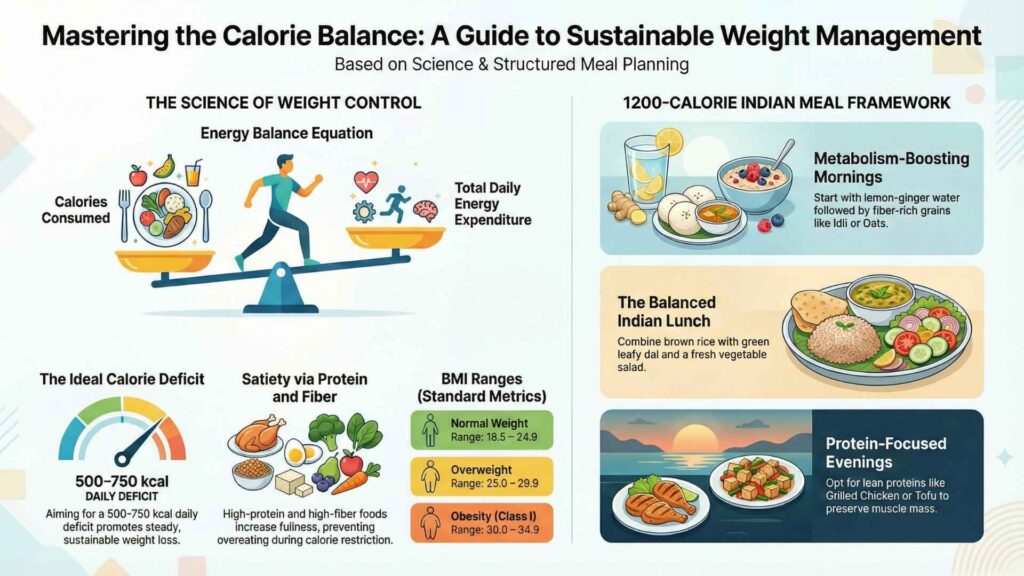
Struggling to lose weight? How an Indian diet chart for weight loss solves the home-food trap
Table of Contents
- 1 Struggling to lose weight? How an Indian diet chart for weight loss solves the home-food trap
- 2 A weekly diet chart for weight loss needs to have the right balance of foods, but traditional meals don’t always have it.
- 3 Is home cooking always healthy? Don’t just rely on your usual choices when making your full-week weight loss food chart.
- 4 The science of a 7 day diet plan for weight loss: Balancing protein and calories
- 5 Your 7 day weight loss diet schedule: A practical Indian food guide
- 6 This is a full-week weight loss food chart designed for individuals with specific medical conditions.
- 7 Here are common mistakes that can sabotage your one-week weight loss meal plan.
- 8 Staying on track with your Indian diet chart for weight loss
- 9 Make an appointment with Diet Dekho for a plan just for you.
- 10 Frequently Asked Questions (FAQs)
Many people increasingly experience the frustration of weight loss plateaus. This often happens because they believe traditional home preparation automatically guarantees health. Even though you can choose your own ingredients when you cook at home, new nutritional data shows that the average Indian household diet isn’t set up to help you lose weight. For example, eating a lot of rice or chapatis makes the body store fat instead of burning it off.
This task is even harder for the modern professional because they have busy schedules and a culture at work. According to research, more than half of the Indian corporate workforce is higher weight. This is because they sit for a long time and can easily get high-calorie snacks. When the body consumes more energy than it burns, even traditional meals can contribute to a caloric surplus. This scenario is exactly why you need a specific weekly diet chart for weight loss. It moves the focus from just eating at home to eating with scientific intention.
The biological aspect of weight management significantly entails the interplay between caloric intake and Resting Energy Expenditure (REE). The REE is lower for many people in South Asia because they have a higher body fat percentage and a lower Body Mass Index (BMI) than people in the West. It’s easy to forget how many calories are in an oil-heavy seasoning or an extra paratha if you don’t have a structured Indian diet chart for weight loss. People keep gaining weight even when they seem to be eating healthy foods because of these hidden extras.
Health Risks in the Modern Indian Workforce
The shift to tech-based jobs has made people move around a lot less every day. A study of Indian professionals found that almost 88.5% of them sit for more than eight hours a day. Metabolic syndrome and abdominal weight gain directly correlate with this behaviour. In this case, a weekly diet plan for weight loss needs to remember that foods high in calories were first made for people who were more active.
| Metabolic Risk Factor | Percentage of Study Population (n = 154) |
| Elevated Blood Pressure (≥130/85 mmHg) | 20.77% |
| Low HDL Cholesterol (<40 mg/dL Males, <50 mg/dL Females) | 57.79% |
| High Triglycerides (≥ 150 mg/dL) | 37.01% |
| Elevated Fasting Blood Sugar (≥ 100 mg/dL) | 19.48% |
| Elevated Waist Circumference (Males ≥ 90 cm, Females ≥ 80 cm) | 54.54% |
Dealing with stress and eating for comfort
Stress is a silent driver of weight gain in urban Indian environments. When cortisol levels are high, people may emotionally eat, which means they reach for comfort foods that are elevated in fat and sugar. A well-planned Indian diet chart for weight loss can help with this problem by including foods that make you feel full, such as sprouts, nuts, and yoghurt. These choices keep the stomach full and the mind focused.

A weekly diet chart for weight loss needs to have the right balance of foods, but traditional meals don’t always have it.
The main issue is the big protein gap. Statistics show that 7 out of 10 Indians don’t get enough protein. The average person only eats 0.6 grammes of protein for every kilogramme of body weight. This is a lot less than the recommended 0.8 to 1 gramme. Traditional meals are often 60–70% carbs, with rice, wheat, and potatoes taking up most of the plate and lentils or dairy playing a smaller role.
For a weekly diet chart for weight loss to be effective, we must re-engineer the Indian plate. Protein is not just for athletes; it is the most satiating macronutrient and has a higher thermic effect. In other words, the body burns more energy digesting it compared to fats or carbohydrates. When protein is missing, hunger returns quickly, leading to mindless snacking that characterises many Indian evenings.
Furthermore, hidden calories in Indian cooking, such as excessive oil in the initial seasoning or butter on every flatbread, can add up to 300 extra calories per meal. Clarified butter is good for you, but you should only eat it in small amounts because it has a lot of calories. An Indian diet chart for weight loss shows you how to control your portions so that these traditional fats help your health without getting in the way of fat loss.
The Effects of Carbohydrate Dominance
Eating many refined grains, like white rice, makes insulin levels rise quickly. Insulin is the hormone that stores fat in the body. This insulin spike is especially dangerous for people with PCOS or type 2 diabetes. A weekly diet chart for losing weight focuses on smart carbs, which are complex carbs like brown rice and millets that release energy slowly.
| Nutritional Aspect | 2011 ICMR Guidelines | 2024 ICMR Guidelines |
| Vegetable Intake | 300 g/day | 400 g/day |
| Green Leafy Vegetables | 50 g/day | 100 g/day |
| Added Sugar Limit | General Restriction | <5% of total calories |
| Whole Grains | Preference over refined | 50% of cereal intake |
| Dietary Fiber | General recommendation | 25–30 g/day |
Fixing Micronutrient Deficiencies
Indian cuisine includes many spices, but it often lacks a wide variety of vegetables. The ICMR-NIN 2024 guidelines have recently raised the amount of vegetables that people should eat every day to help with widespread micronutrient deficiencies. An Indian diet chart for weight loss makes sure that every meal has a variety of coloured vegetables. This gives your body the magnesium, zinc, and fibre it needs for a healthy metabolism.
Is home cooking always healthy? Don’t just rely on your usual choices when making your full-week weight loss food chart.
There is a deep-seated belief that as long as food is prepared at home, it is automatically weight-loss friendly. However, traditional cooking methods often involve long simmering or deep frying, which can destroy heat-sensitive vitamins. A simple vegetable curry or paneer dish made at home can be as calorie-dense as restaurant food if you don’t use a specific fat-loss strategy.
Common misconceptions regarding home-cooked meals include:
- Consuming clarified butter limitlessly because it is considered healthy.
- One common misconception is to view rice as the primary enemy, instead of focusing on portion size.
- Consider fruit juices as healthy as whole fruits, even though they lack fiber.
By following a weekly diet chart for weight loss, you move away from these myths and toward an evidence-based approach. This does not mean giving up favourite regional foods; it means learning to cook them using healthier techniques, like steaming, grilling, or dry sautéing with minimal oil.
Rethinking Heavy Breakfast Habits
In many Indian homes, heavy breakfasts like stuffed parathas with white butter are considered “strengthening” foods. But for someone who works at a desk all day, these meals give them a lot of energy that their body doesn’t use very often. This energy becomes visceral fat. A modern Indian diet chart for weight loss replaces these with things like vegetable oats porridge or green gramme pancakes.
The Importance of Early Dinners
Cultural norms often mean that dinner doesn’t start until late at night, sometimes as late as 10 PM. Eating close to bedtime messes up the body’s natural circadian rhythm and slows down metabolic processes. Most people who successfully use a weekly diet chart to lose weight finish their last meal by 7 or 8 PM so they can fast for a long enough time overnight.

The science of a 7 day diet plan for weight loss: Balancing protein and calories
The energy balance between what you eat and what you burn determines how much fat you lose. To lose weight, you need to eat fewer calories than you need to stay healthy. This usually means eating 500 fewer calories than your body needs each day. Most Indian women need between 1200 and 1500 kcal, while most men need between 1500 and 1800 kcal.
However, a calorie deficit alone is insufficient. Without adequate protein, the body may burn muscle tissue for energy, which slows down the metabolism over time. This is why an Indian diet chart for weight loss prioritises protein to regulate hunger hormones like ghrelin.
To calculate your specific needs, use the following scientific formulas:
The formula calculates the Resting Energy Expenditure (REE) for adult men as:
REE = 10 × weight (kg) + 6.25 × height (cm) – 5 × age (years) + 5
For adult women, the REE formula is:
REE = 10 × weight (kg) + 6.25 × height (cm) – 5 × age (years) – 161
You then multiply the REE by an activity factor (1.5-1.7 for light to moderate activity) to find your total needs. For weight loss, experts adjust these requirements downward by approximately 5% to account for South Asian body composition.
Balanced Macronutrients for Indian Dieters
A balanced plate within an Indian diet chart for weight loss should follow these proportions to ensure metabolic health:
| Macronutrient | Recommended Percentage | Key Indian Sources |
| Carbohydrates | 45% – 55% | Finger Millet, Sorghum, Brown Rice, Oats |
| Proteins | 20% – 30% | Lentils, Cottage Cheese, Eggs, Soya, Sprouts |
| Fats | 20% – 25% | Mustard Oil, Cold-Pressed Oils, Nuts, Seeds |
| Fiber | 25g – 30g daily | Raw Salads, Seasonal Fruits, Green Vegetables |
Boosting Metabolism through Food Choices
Protein has the highest thermic effect of food (TEF). This means the body uses about 20-30% of the calories from protein just to process it. In contrast, carbohydrates are used only 5–10%. By increasing protein in your weekly diet chart for weight loss, you effectively boost your metabolism through your food choices alone.

Your 7 day weight loss diet schedule: A practical Indian food guide
Starting a weight loss journey does not require non-native superfoods or expensive supplements. The most effective Indian diet chart for weight loss uses ingredients already in your kitchen—lentils, grains, and local vegetables. The key lies in meal preparation. Preparing lentils or chopping vegetables in advance reduces the likelihood that you will order unhealthy food during a busy workday.
This plan focuses on five small meals a day to keep the metabolism active and prevent individuals from consuming food excessively. Each meal is designed to be nutrient-dense. For those managing PCOS, we emphasise low-glycemic foods, while for those with hypertension, we minimise added salt.
Core Principles of the Diet Plan
- Morning Stimulation: Start the day with warm lemon water or cumin water to aid digestion.
- Protein-First Breakfast: Ensure 15-20 g of protein in the morning to stabilise blood sugar.
- The Salad Rule: Consume a bowl of raw salad before major meals to increase fibre and satiety.
- Consistent Hydration: Drink 8-10 glasses of water, as we often mistake thirst for hunger.
Weekly Diet Chart for Weight Loss (7-Day Sample)
| Day | Breakfast (8:30 AM) | Lunch (1:30 PM) | Evening Snack (4:30 PM) | Dinner (7:30 PM) |
| Mon | Moong Dal Pancakes (2) | 1 Multigrain Roti + Lauki Sabzi + Dal | Buttermilk + Roasted Foxnuts | Veg Soup + Grilled Paneer/Chicken |
| Tue | Veg Oats Porridge | Brown Rice (1 cup) + Sprouts Curry + Raita | 1 Apple + 5 Almonds | 1 Bajra Roti + Stir-fried Palak + Dal |
| Wed | 2 Idlis + Vegetable Sambar | 1 Roti + Bhindi Sabzi + Masoor Dal | Green Tea + Roasted Chana | 1 bowl Quinoa/Millet Khichdi |
| Thu | Poha with peas & peanuts | 1 Roti + Rajma Curry + Salad | Coconut Water + 2 Walnuts | Chicken Soup + Sautéed Veggies |
| Fri | Besan Pancakes (2) | Brown Rice + Chicken/Fish Curry + Salad | 1 Guava + Handful of Seeds | Paneer Bhurji + 1 Roti + Salad |
| Sat | Banana & Oats Smoothie | Veg Pulao (Brown Rice) + Raita | Tea (No Sugar) + 2 Biscuits | Grilled Fish/Paneer + Broccoli |
| Sun | Ragi Dosa + Chutney | 1 Roti + Chana Masala + Salad | Fruit Salad (Seasonal) | Moong Dal Soup + 1 Whole Wheat Toast |

This is a full-week weight loss food chart designed for individuals with specific medical conditions.
You need to change this weekly weight loss diet chart to fit your own health needs in order for it to work. If you have certain medical conditions, small changes can help your body make the most of the food you eat.
Addressing PCOS and PCOD
Women with PCOS often have trouble with insulin resistance. You should eat foods with a low glycaemic index that don’t make your insulin levels go up quickly. It is best to switch out white rice for millets like sorghum or pearl millet. Including seeds like flaxseeds can assist in hormonal balance. Research indicates that increasing fibre to 25 grams daily can improve regularity in these patients.
Addressing Type 2 Diabetes
A diabetic-friendly Indian diet chart for weight loss focuses on managing glycaemic load. Use the plate method—filling half the plate with non-starchy vegetables like spinach or bitter gourd. Incorporating soaked fenugreek seeds in the morning can assist in lowering fasting blood sugar levels.
Addressing Hypothyroidism and Hypertension
Thyroid disorders often slow down the basal metabolic rate. It is important to cook cruciferous vegetables, like cabbage, thoroughly to neutralise goitrogens. For hypertension, the DASH diet is highly effective. This means eating less than 1500 mg of sodium a day and taking salt shakers off the table. Eating more foods high in potassium, like bananas and leafy greens, can help keep blood pressure in check naturally.
Here are common mistakes that can sabotage your one-week weight loss meal plan.
Skipping breakfast to save calories is one of the most significant errors in any weekly diet chart for weight loss. In reality, this triggers a physiological response that hinders fat loss. When you omit the morning meal, blood sugar levels drop, leading to intense cravings for sugary foods by mid-morning.
Furthermore, research suggests that those who skip breakfast may have a slower metabolic rate. A study of Indian professionals found a direct correlation between skipping breakfast and an increased BMI. This habit often leads to compensatory overeating at dinner—the time when the body is least active and most likely to store excess energy as fat.
A protein-rich breakfast, such as eggs or a green gram pancake, signals to the body that it is safe to burn energy. This stabilises hunger and ensures better food choices for the rest of the day. 5 For those with limited time, even a quick smoothie containing oats and yoghurt can keep the weight loss process on track.
The Psychological Benefit of Routine
Starting the day with a planned, healthy meal builds psychological momentum. This reduces the mental effort required to stay disciplined during the afternoon. Conversely, skipping breakfast often leads to decision fatigue, making you more likely to succumb to unhealthy office snacks by late afternoon.

Staying on track with your Indian diet chart for weight loss
The most successful participants in any program prioritise consistency over temporary perfection. Weight loss is a long-term endeavour, and it is normal to have an occasional meal that deviates from your weekly diet chart for weight loss. The goal is to return to the plan immediately rather than allowing a single deviation to derail your entire week’s progress.
Strategies for maintaining motivation include:
- One strategy to maintain motivation is to set mini-goals, such as losing 2 kg at a time.
- Celebrate non-scale victories such as improved stamina or better sleep.
- You can also use a food journal to track the calories you consume from mindless snacking.
I know it’s challenging to find time, but your body reflects long-term habits. An Indian diet chart for weight loss is just a tool to help you build those habits. Over time, these healthy choices will stop feeling like a restrictive diet and start feeling like a natural, enjoyable lifestyle.
Cultivating Resilience and Activity
While nutrition contributes significantly, regular activity is crucial. A 30–40 minute brisk walk or simple home-based cardio exercises like skipping can boost calorie expenditure. Success stories show that people who are kind to themselves get better results. This change in thinking turns a short-term diet into a long-term change.
Make an appointment with Diet Dekho for a plan just for you.
A general weekly diet chart for weight loss is a great place to start, but everyone has a different metabolism. Age, hormonal balance, and cultural preferences are all important factors. At Diet Dekho, we make macro-balanced plans that work with a busy Indian lifestyle and let you keep eating the foods you love.
Our expert consultants can help you stay on track whether you have PCOS, diabetes, or just want more energy. We base our philosophy not on short-term diets, but on long-term holistic health.
Get a personalised macro-balance plan with a Diet Dekho expert.

Frequently Asked Questions (FAQs)
Can I lose 10 kg in a month with this weekly diet chart for weight loss?
While some see rapid initial results, a sustainable rate of fat loss is 0.5 to 1 kg per week. The most important thing for long-term success without losing muscle or nutrients is to stick to a weekly diet chart for weight loss.
Can you eat white rice on an Indian diet plan to lose weight?
You can eat white rice, but you need to be careful about how much you eat. Add a high-fibre vegetable and a protein source like lentils to it. Switching to brown rice or millets can provide even better fiber content and a lower glycemic response.
What are the best sources of protein for Indian vegetarians?
Indian vegetarians can obtain high-quality protein from lentils, chickpeas, paneer, tofu, soya chunks, and yoghurt. When you mix grains and legumes, you get a full protein profile with all the amino acids your muscles need to stay healthy.
How much water should I drink every day to lose weight?
We suggest drinking at least 8 to 10 glasses of water (about 2.5 to 3 litres) every day. Drinking enough water speeds up your metabolism and can help you avoid eating too much by keeping you full all day.
Disclaimer:This blog post was written to help you make healthier food choices altogether. So, be aware and take care. The important thing to consider is your health before starting a restrictive diet. Always seek advice from a doctor or dietitian before starting if you have any concerns.

Dr. Ritika is a nutrition and lifestyle expert with 2+ years of experience, helping clients manage weight and health through practical, personalized diet plans.