At DietDekho, we understand that the real struggle begins when the fever breaks. Why is it so hard to regain your strength and ensure consistent weight gain after illness has passed? The feeling of weakness can be persistent. It is frustrating to see a changed, thinner body in the mirror post-recovery. This experience requires a strategic, nutrition-first approach.
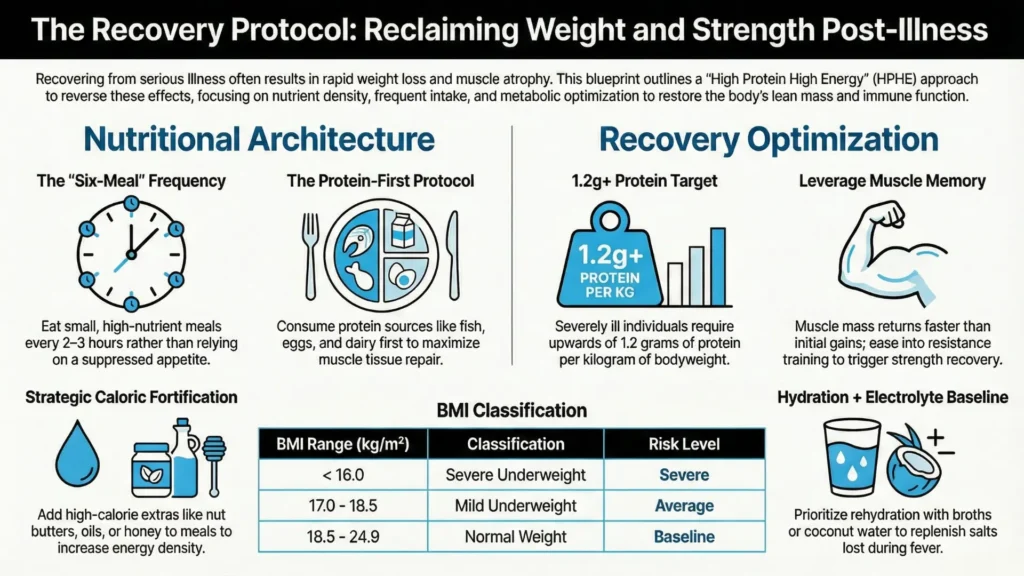
To achieve healthy weight gain after illness, you must consume a calorie-dense, high-protein diet. Focus on nutrient-rich Indian whole foods like sattu, paneer, and ghee. Recovery requires transitioning from a muscle-wasting state to a rebuilding state. You should eat 6–8 small, frequent meals daily. Ensure a protein intake of 1.2–2.0g per kilogram of body weight.
Why is it so hard to regain your strength and weight gain after illness?
Table of Contents
- 1 Why is it so hard to regain your strength and weight gain after illness?
- 2 The frustration of feeling weak and seeing a changed body in the mirror post-recovery
- 3 Why eating everything in sight or relying on junk food is the wrong way to regain weight
- 4 Understanding how infection and fever deplete your body’s nutrient stores and muscle mass
- 5 High-protein and calorie-dense Indian superfoods to kickstart recovery
- 6 A sample Sickness to Strength meal plan: Morning to Evening
- 7 Common Mistakes to Avoid: Why rest is just as important as your diet
- 8 Addressing medical conditions: PCOS, Diabetes, Thyroid, and Hypertension
- 9 The new ICMR-NIN 2024 Guidelines: A roadmap for recovery
- 10 Small, consistent meals are your biggest win—healing takes time
- 11 Frequently Asked Questions (FAQs)
- 12 Contact Us
- 13 Disclaimer
Reclaiming vitality after an infection is a major physiological challenge. Busy professionals and homemakers often expect to feel better instantly once a fever ends. However, weight gain after illness is slow due to the metabolic debt incurred during sickness. When the body fights a pathogen, it redirects all energy toward the immune response. This often happens at the expense of skeletal muscle and fat stores.
The Physiological Burden of Recovery
The internal environment after a long illness is often marked by inflammation and low glycogen stores. What this means for your daily routine is simple. Even tasks like climbing stairs or preparing a meal can feel like running a marathon. Your body is operating on a low battery mode. Its priority is maintaining vital organ function rather than rebuilding lost tissue.
Understanding the Recovery Timeline
Without a structured diet, this state of depletion can last for weeks. It may lead to chronic fatigue and a weakened immune system. This makes you more susceptible to secondary infections. Understanding your recovery timeline is essential for staying motivated. It is not just about the numbers on the scale. It is about restoring cellular energy. Your body needs amino acids, healthy fats, and complex carbohydrates to flip the switch toward rebuilding.
The frustration of feeling weak and seeing a changed body in the mirror post-recovery
There is a deep emotional side to post-illness weight loss. Many people pride themselves on their stamina and health. Seeing a hollowed-out face or thinning limbs in the mirror can be distressing. This physical change reminds you of the vulnerability you felt while sick. The psychological toll of feeling fragile often prevents people from re-entering their social lives. This can create a cycle of isolation.
For homemakers, the inability to manage daily chores can lead to guilt. Similarly, NRIs recovering away from home may find it hard to replicate traditional healing foods. This is where focusing on weight gain after illness helps rebuild your confidence. Rebuilding the body is as much about mental health as physical health.
The feeling of weakness in the bones is a clinical reality. Fever and infection cause significant losses of potassium, magnesium, and calcium. These are vital for muscle contraction. When these are not replaced, your body feels heavy. I know it is hard to find time for yourself. However, treating your recovery as a project is the only way to regain healthy muscle instead of inflammatory fluid.

Why eating everything in sight or relying on junk food is the wrong way to regain weight
A common myth in Indian households is that recovery requires deep-fried snacks and heavy sweets. People think these help make up for lost weight. These foods are high in calories, but they are empty. They do not provide the structural components needed for tissue repair. This dirty bulk approach can lead to visceral fat accumulation. This increases the risk of type 2 diabetes and hypertension.
The Gut Health Connection
Junk foods are often pro-inflammatory. This is the last thing a recovering body needs. After an illness, your gut microbiome is often disturbed, especially if you took antibiotics. High-sugar processed foods can irritate the digestive lining. This leads to bloating, acidity, and poor nutrient absorption. While the scale might move up, your energy levels will remain low.
Choosing Nutrient Density
Instead of a haphazard approach, look at nutrient density. Every morsel should serve a purpose. This includes the protein in dal, the healthy fats in ghee, and the micronutrients in ragi. The goal is to nourish cells, not just fill the stomach.
| Feature | Quality Recovery Diet (DietDekho Approach) | Junk-Food Recovery Diet |
| Primary Macronutrient | High-quality protein (Lean meats, pulses, paneer) | Refined fats and sugars (Samosas, Mithai) |
| Micronutrient Profile | Rich in Zinc, Iron, and Vitamin C | Negligible vitamins and minerals |
| Impact on Gut Health | Probiotic-rich (Curd, Buttermilk) | Inflammatory and irritating |
| Energy Stability | Sustained energy from complex carbs | Energy spikes followed by crashes |
| Tissue Growth | Rebuilds muscle mass | Accumulates unhealthy visceral fat |

Understanding how infection and fever deplete your body’s nutrient stores and muscle mass
To appreciate why weight gain after illness takes time, we must look at the science of stress. When you are sick, your body enters a hypermetabolic state. During the flow phase, your metabolic rate spikes. Your body begins to break down its own proteins for energy. This primarily comes from skeletal muscle.
The Impact of Nitrogen Loss
This process results in a negative nitrogen balance. This means the body loses more protein than it takes in. For every day spent in bed with a fever, you can lose significant muscle mass. In critical cases, this loss can be as high as 15% to 20% in just one week. This is a systemic degradation of your body’s integrity. It affects your strength and your ability to breathe deeply.
Dehydration and Mineral Loss
Fever also causes dehydration and mineral loss. As body temperature rises, you lose fluids through sweat. Along with water, you lose electrolytes like sodium and potassium. If you had vomiting or diarrhea, the depletion of zinc and magnesium is even more severe. Reversing this requires more than just resting. It requires a proactive refilling of cellular stores.
High-protein and calorie-dense Indian superfoods to kickstart recovery
The Indian kitchen is a natural pharmacy for weight gain after illness. Traditional staples are now recognized as superfoods for their nutrient density.
Sattu: The Desi Protein Powerhouse
Sattu is made from roasted Bengal gram. It is an efficient tool for healthy weight gain. The roasting process breaks down proteins, making them easier for a weak digestive system to process. Sattu was once known as a primary protein source for people with low-income, but it is now a global superfood. For recovery, mix it with whole milk, jaggery, and nuts rather than water and lemon.
Paneer: Casein for Sustained Repair
Paneer is an excellent source of casein protein. This is a slow-digesting protein. It provides a steady release of amino acids into the bloodstream over several hours. This makes it ideal for preventing muscle breakdown during sleep. For those with PCOS or diabetes, paneer is low-glycemic. it provides satiety without causing insulin spikes.
Ghee: The Catalyst for Nutrient Absorption
Ghee contains butyric acid. This is a short-chain fatty acid that fuels the cells lining your colon. A healthy gut is the foundation of recovery. Adding a teaspoon of ghee to your dal increases calorie density. It also provides fat-soluble vitamins like A, D, and E for immune function.

Ragi and Sabudana: Energy Boosters
Ragi is rich in calcium and iron. These minerals are often depleted during chronic illness. A ragi porridge with milk can provide sustained energy. Sabudana (sago) is another great energy booster. It is easy to digest and helps rapidly replenish glycogen stores.
| Superfood | Primary Nutrient | Key Benefit for Recovery | Recommended Serving |
| Sattu | Protein (20g per 100g) | Muscle repair & easy digestion | 2-3 tbsp in milk |
| Ghee | Healthy Fats (Butyric Acid) | Gut health & calorie density | 1-2 tsp daily |
| Paneer | Casein Protein, Calcium | Sustained amino acid release | 100g in bhurji/curry |
| Ragi | Calcium, Iron, Fiber | Bone health & steady energy | 1 bowl porridge/dosa |
| Nuts | Omega-3, Magnesium | Reduces inflammation | Handful (soaked) |
A sample Sickness to Strength meal plan: Morning to Evening
Frequency is the key to successful weight gain after illness. Large meals can be overwhelming. The mini-meal structure allows for a constant influx of nutrients without distress.
Early Morning and Breakfast (7:00 AM – 8:30 AM)
Start with ginger or tulsi tea to settle nausea. Pair this with 5 soaked almonds. For breakfast, choose a protein-heavy option. A Paneer Paratha with ghee or Ragi Dosas are excellent choices. If you prefer a drink, a sattu-milk shake with banana provides quick nutrition.
Mid-Morning and Lunch (11:00 AM – 1:30 PM)
Have a bowl of papaya or pomegranate. Papaya aids in protein digestion. For lunch, a Moong Dal Khichdi with vegetables and ghee is the gold standard. You can also have multigrain rotis with curd. Curd is a natural probiotic that restores gut flora after antibiotics.
Evening Snack and Dinner (4:30 PM – 8:00 PM)
Opt for roasted makhana (fox nuts) or sprouts salad. Dinner should be lighter but nutrient-dense. A vegetable soup followed by rice and dal or a besan chilla is ideal. Besan is naturally high in protein and fiber.
Bedtime (9:30 PM)
Finish with warm Turmeric Milk (Haldi Doodh). Curcumin in turmeric is a powerful anti-inflammatory. Adding a pinch of nutmeg can help you sleep better, which is when tissue repair happens.

Common Mistakes to Avoid: Why rest is just as important as your diet
The urge to jump back into a busy schedule is strong. However, rushing back into heavy workouts too soon is a mistake. Exercising during or after a viral illness increases medical risks. These include myocarditis and rhabdomyolysis. Muscle strength and coordination decrease during infection, which increases injury risk.
The Clinical Neck Check
Use the Clinical Neck Check as a guide. If your symptoms are below the neck, you must refrain from strenuous activity. These symptoms include fever, muscle aches, or an upset stomach. Once symptoms are gone, ease back in slowly. Start with 10 minutes of gentle walking.
Scheduling Rest
Rest must be scheduled with the same discipline as your meals. It is not doing nothing. It is the metabolic state where your body repairs damage. If you overexert yourself, your body diverts nutrients away from repair. This stalls your weight gain after illness.
Addressing medical conditions: PCOS, Diabetes, Thyroid, and Hypertension
At DietDekho, we ensure weight gain after illness is handled with care for chronic conditions. The goal is to gain clean muscle without causing metabolic stress.
PCOS and Diabetes Management
For women with PCOS, insulin resistance is a concern. Focus on high-fiber, low-glycemic index foods like bajra and jowar. For diabetics, manage blood sugar spikes by choosing lean proteins and healthy fats. Do not use illness as an excuse for sugary juices. Stick to whole fruits.
Thyroid and Hypertension Considerations
Those with hypothyroidism often have slower metabolism. Use iodine and selenium-rich foods like eggs and dairy. For hypertension, avoid high sodium in processed recovery foods. Use ginger and lemon for flavor instead of excess salt.

The new ICMR-NIN 2024 Guidelines: A roadmap for recovery
The 2024 dietary guidelines have introduced significant changes for the Indian population. One notable update is a 33% increase in recommended vegetable intake. You should now aim for 400g daily to address micronutrient deficiencies.
The guidelines also emphasize a new cereal-legume-milk ratio of 3:1:2.5. This shift means you should have larger portions of pulses and dairy for every serving of grain. This ensures high-quality protein for weight gain after illness.
| Nutrient Group | ICMR 2024 Recommendation | Importance for Recovery |
| Vegetables | 400 g/day | Provides minerals needed for repair |
| Protein | Cereal-to-Legume ratio of 3:1 | Ensures amino acids for muscle growth |
| Hydration | 8–12 glasses/day | Flushes toxins and prevents fatigue |
| Added Sugar | <5% of total calories | Prevents inflammatory spikes |
| Visible Fat | 20–40 g/day | Provides energy for weight gain |
Small, consistent meals are your biggest win—healing takes time
The short answer is that recovery has no magic pill. The resilience of the human body is remarkable, but it requires patience. Think of your body as a building after a storm. You must rebuild the foundation one meal at a time. I know it is hard to find time to cook, but simple solutions like sattu drinks and dal-chawal with ghee are your best tools.
What this means for your daily routine is a shift in perspective. View your meals as your medicine. Healing takes time, so do not compare yourself to who you were before. Your body just won a major battle. It needs to be nourished. Be gentle with yourself. Every small step toward a better diet is a win for your health.

Frequently Asked Questions (FAQs)
What is the fastest way to regain weight gain after illness?
The safest way to regain weight is by increasing protein and healthy fats. Eat small, frequent meals throughout the day. Focus on calorie-dense superfoods like sattu, paneer, and nuts. Aim for 6–8 mini-meals to give your body a constant supply of nutrients.
How much protein do I need to rebuild muscle lost during sickness?
During recovery, aim for 1.2 to 2.0 grams of protein per kilogram of body weight. For an average adult weighing 65kg, this is roughly 78g to 130g of protein daily. You can get this from pulses, dairy, eggs, and lean meats.
Why do I feel so tired even after my fever has gone?
Post-viral fatigue is caused by metabolic debt. Your body used up glycogen and muscle tissue to fight the infection. Depleted magnesium and iron levels also cause sluggishness. A diet rich in ragi and nuts can help restore these levels.
Is it safe to eat ghee if I have high blood pressure?
Yes, in moderation. The ICMR 2024 guidelines state that visible fats are important. You should consume about 20–30g daily based on activity. Focus on heart-healthy fats while using ghee primarily for its gut-healing benefits.
When can I return to the gym after being sick?
Wait at least 7–14 days after your symptoms have completely subsided. Rushing back can lead to heart complications. Start with light stretching or walking. Only progress if you do not feel extreme exhaustion the next day.
Contact Us
We understand how overwhelming nutrition and weight loss information can feel. With so many opinions and confusing advice online, it’s easy to feel stuck or unsure about what to do next.
At Diet Dekho, you never have to figure it out alone. You can contact us anytime with any questions or concerns. Our expert dietitians are available 24/7 to guide, support, and help you stay on track. Whether your goal is weight loss or building healthier habits, we’re here to make the journey simpler and more sustainable for you.
Disclaimer
This blog is intended to help readers make healthier food choices. Your health should always be the top priority. Before starting any restrictive or special diet, especially if you have a medical condition or health concern, please consult a doctor or a qualified dietitian. Each body responds differently to food and lifestyle changes. Always choose what is safe and suitable for you.

Dr. Ritika is a nutrition and lifestyle expert with 2+ years of experience, helping clients manage weight and health through practical, personalized diet plans.