Are you tired of being the thin guy in the room despite eating everything in sight? Achieving a healthy weight gain diet for men is more than just mindless overeating; it requires a scientific, Indian-centric approach that prioritizes muscle mass over belly fat for long-term metabolic health and physical strength.
In simple terms, a healthy weight gain diet for men involves maintaining a daily caloric surplus of 300–500 calories through nutrient-dense Indian foods. Specifically, you should focus on high-quality proteins like paneer and eggs, complex carbohydrates like millets and brown rice, and healthy fats such as ghee and nuts, combined with consistent resistance training to build lean muscle naturally.
Are You Struggling to Bulk Up? Why Being Underweight is a Common Challenge for Men
Table of Contents
- 1 Are You Struggling to Bulk Up? Why Being Underweight is a Common Challenge for Men
- 2 Is the Frustration of Eating Everything and Not Gaining Weight Real?
- 3 Why Junk Food and Dirty Bulking Are Never the Answer?
- 4 What is the Science of Caloric Surplus and Muscle Growth?
- 5 Powerhouse Indian Foods: Best High-Calorie and Protein-Rich Options
- 6 Full Day Sample Meal Plan: From Morning Pre-Workout to Post-Dinner Nutrition
- 7 Managing Weight Gain with Medical Conditions: Safety First
- 8 Avoiding Common Pitfalls: Why Skipping Meals and Poor Sleep Stall Your Progress
- 9 Consistency is Key: Celebrating Small Wins on Your Transformation Journey
- 10 Frequently Asked Questions (FAQs)
- 11 Contact Us
- 12 Disclaimer
DietDekho understands that while the world often focuses on weight loss, a significant number of Indian men struggle with the opposite problem. Being underweight is not merely a cosmetic concern; it often signals underlying nutritional gaps or a metabolic rate that outpaces current intake. Within the Indian context, the challenge is frequently exacerbated by a diet high in volume but low in caloric density and high-quality protein.
Understanding the Underweight Prevalence in India
Recent data from the National Family Health Survey (NFHS-5) highlights a persistent nutritional challenge among the adult male population. Statistics indicate that approximately 16.2% of Indian men aged 15–49 years possess a Body Mass Index (BMI) below the normal threshold of 18.5 kg/m2. This represents a segment of the population that is thin or underweight, often facing higher risks of fatigue and weakened immunity.
While this number shows an improvement from the 20.2% recorded in NFHS-4, the triple burden of malnutrition remains a reality in India. Consequently, many men in this category are not just low in weight; they are often deficient in essential micronutrients like iron and B12. This nutritional deficiency makes the implementation of a structured weight gain diet for men a clinical necessity for long-term wellness.
The Health Risks Associated with Low BMI
Being chronically underweight can lead to several physiological complications that men often overlook. For instance, a low BMI is frequently associated with reduced bone mineral density, which increases the risk of fractures and osteoporosis later in life. Furthermore, a lack of adequate muscle mass can lead to sarcopenia, a condition where the body’s physical strength and metabolic health decline prematurely.
Additionally, the immune system often suffers when the body does not receive enough energy. For men managing conditions like diabetes or thyroid disorders, being underweight can complicate medication dosages and recovery times. DietDekho clinical observations suggest that underweight men often report lower stamina levels, making it difficult to maintain the energy required for busy professional or home-based responsibilities.
The Psychological Toll of Being Underweight
Beyond the physical risks, there is a significant psychological component to being the thin guy. Many men feel a sense of frustration or inadequacy when they cannot fill out their clothes or build a robust physique. Frequently, this leads to the adoption of dirty bulking strategies—eating junk food to gain weight quickly—which only results in unhealthy fat gain around the midsection.
As a result, a successful weight gain diet for men must address these psychological barriers by providing a clear, achievable roadmap. By focusing on Indian staples and realistic home-based routines, men can regain their confidence. Ultimately, this transformation is not just about the number on the scale; it is about building a body that is strong, resilient, and metabolically healthy.

Is the Frustration of Eating Everything and Not Gaining Weight Real?
Many men claim they can eat anything without gaining a single gram. However, this phenomenon is often rooted in a misunderstanding of how energy balance and metabolism function within the human body. To build an effective weight gain diet for men, one must first acknowledge the role of energy expenditure versus intake in a controlled environment.
Basal Metabolic Rate and Your Energy Balance
Your Basal Metabolic Rate (BMR) represents the number of calories your body burns at rest to maintain basic life functions like breathing and circulation. For an average Indian man, this is often influenced by age, height, and genetics. To calculate your BMR, experts often use the Mifflin-St Jeor formula:
BMR = (10 \times \text{weight in kg}) + (6.25 \times \text{height in cm}) – (5 \times \text{age in years}) + 5
Once you determine your BMR, you must account for your daily activity level to find your Total Daily Energy Expenditure (TDEE). If your actual caloric intake does not exceed this TDEE, you will remain at a weight plateau. Moreover, many men who believe they eat a lot are actually consuming foods that are high in volume but low in actual energy density.
The Truth About Fast Metabolisms in Indian Men
The fast metabolism myth often boils down to a high level of Non-Exercise Activity Thermogenesis (NEAT). This includes fidgeting, walking to the store, or even standing at a desk. Specifically, men with high NEAT levels burn significantly more calories throughout the day than their sedentary peers. For these individuals, a standard weight gain diet for men may require even higher caloric targets than initially estimated.
Furthermore, the Thermic Effect of Food (TEF) plays a role. Protein requires more energy to digest than fats or carbohydrates. Consequently, if your diet is very high in protein but low in total calories, your body may be burning a large portion of those calories just to process the food. This highlights the need for a balanced approach that includes healthy fats and complex carbohydrates.
Recognizing Hidden Caloric Deficits
Often, a man might eat a large lunch but skip breakfast or have a very light dinner. Unfortunately, this leads to an inconsistent caloric intake that fails to sustain a surplus over a 24-hour period. In the Indian professional lifestyle, long gaps between meals are common. These gaps trigger the body to use its own stored tissues for energy, effectively stalling any progress in weight gain.
To overcome this, a consistent weight gain diet for men must focus on caloric density. This means choosing foods that pack more energy into smaller portions. For example, adding a tablespoon of ghee to your dal or a handful of walnuts to your evening snack can provide an extra 200–300 calories without making you feel uncomfortably full.
Why Junk Food and Dirty Bulking Are Never the Answer?
In the rush to see the scale move, many men turn to dirty bulking. This involves eating processed snacks, fried street foods, and sugary desserts. While these items are high in calories, they lack the nutrients required for muscle synthesis and can lead to severe long-term health complications.
The Dangers of Visceral Fat Accumulation
Junk foods are typically loaded with trans fats and refined sugars. Regular consumption of these empty calories encourages the storage of visceral fat—the dangerous fat that wraps around internal organs. Even if you appear thin in your limbs, you can develop a pot belly, which is a significant risk factor for heart disease and hypertension.
In contrast, a healthy weight gain diet for men aims for lean bulking. This process prioritizes the growth of skeletal muscle rather than adipose tissue. By focusing on whole Indian foods, you ensure that the weight you gain contributes to your strength and metabolic health, rather than increasing your risk for chronic lifestyle diseases.
Impact of Refined Sugars on Hormonal Health
Refined sugars found in biscuits, sodas, and sweets cause rapid spikes in insulin. Consequently, chronic insulin spikes can lead to insulin resistance, making it harder for your body to shuttle nutrients into muscle cells. For men, this hormonal disruption can also impact testosterone levels, which are crucial for muscle growth and vitality.
Replacing these sugars with complex carbohydrates like sweet potatoes, brown rice, and whole grains is therefore vital. These foods provide a slow, steady release of energy, keeping your insulin levels stable and your hormones in balance. This is particularly important for men with pre-existing conditions like diabetes or thyroid imbalances.
The Skinny-Fat Paradox
Relying on junk food often results in a skinny-fat physique. This occurs when a person has low muscle mass but a high body fat percentage. Such an individual may have a normal weight but still suffers from the metabolic issues typically associated with obesity. Specifically, this paradox is common among Indian men who consume high-carb, low-protein vegetarian diets without structured nutrition.
To avoid this, a weight gain diet for men must be protein-forward and calorie-controlled. Gaining half a kilogram of muscle per week is far more beneficial than gaining two kilograms of fat. DietDekho advocates for a sustainable approach that builds a resilient foundation for the body.

What is the Science of Caloric Surplus and Muscle Growth?
Muscle growth is a complex biological process known as hypertrophy. It requires a combination of three factors: a caloric surplus, adequate protein intake, and mechanical tension (exercise). Without all three, the body will not have the signal or the resources to build new muscle tissue.
Muscle Protein Synthesis vs. Breakdown
Your body is in a constant state of flux between muscle protein synthesis (MPS) and muscle protein breakdown (MPB). To gain muscle, MPS must exceed MPB over time. Therefore, a weight gain diet for men provides the necessary amino acids (from protein) to fuel synthesis and the energy (from carbs and fats) to prevent the body from breaking down existing muscle for fuel.
Consuming protein at regular intervals throughout the day—rather than in one large meal—is more effective for keeping MPS levels elevated. This is why the DietDekho meal plans emphasize 5–6 smaller, nutrient-dense meals rather than the traditional three-meal structure.
Calculating Macros for Maximum Muscle Gain
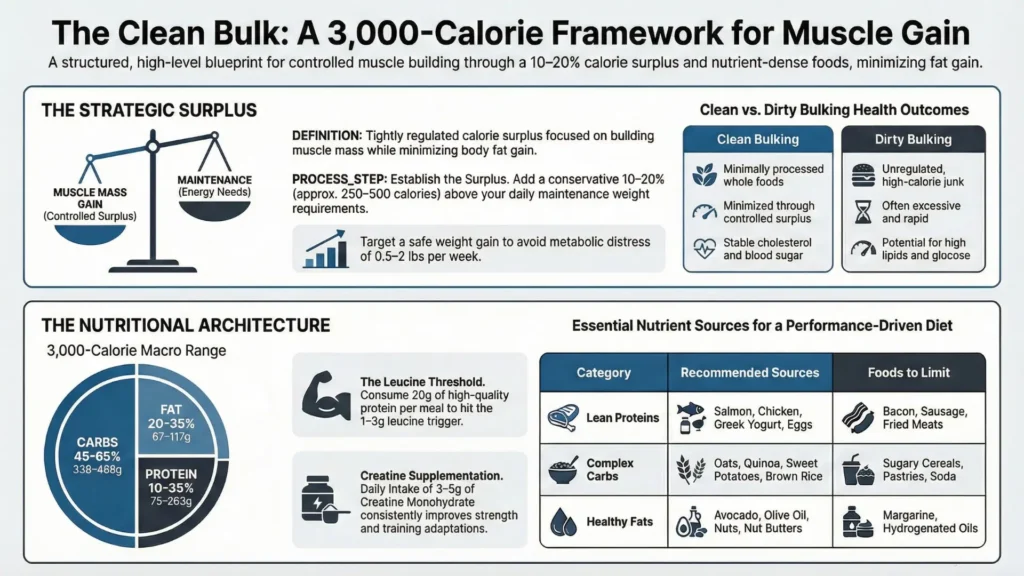
While total calories matter most for weight gain, the distribution of those calories—your macronutrients—determines the quality of the weight gain. For men looking to build muscle, a common and effective macro split is:
| Macronutrient | Percentage of Total Calories | Role in the Body |
| Carbohydrates | 45% – 50% | Primary energy source and glycogen fuel |
| Protein | 30% – 35% | Building blocks for muscle repair and growth |
| Fats | 20% – 25% | Hormone regulation and calorie density |
By following this ratio, you ensure that your body has enough fuel to train hard and the materials needed to recover. Additionally, carbohydrates are especially important as they trigger an insulin response that helps transport amino acids into the muscles.
The Role of Nitrogen Balance
Protein is unique because it contains nitrogen. When you consume more protein than your body uses for energy or excretes, you are in a positive nitrogen balance. This is the physiological state required for growth. In a weight gain diet for men, achieving this balance involves choosing high-quality proteins with a complete amino acid profile.
For vegetarians, this means combining different plant sources, such as rice and dal, to ensure all essential amino acids are present. For non-vegetarians, eggs and chicken provide these amino acids naturally. Regardless of dietary preference, the goal remains the same: keep the nitrogen levels high to support continuous muscle repair.
Powerhouse Indian Foods: Best High-Calorie and Protein-Rich Options
Indian kitchens are filled with nutrient-dense superfoods that are perfect for a weight gain diet for men. You do not need expensive, imported supplements to see results. Simple, home-based solutions often provide the best foundation for long-term health.
Protein-Dense Indian Staples
Protein is the cornerstone of muscle gain. In India, dairy is a major source of high-quality animal protein for vegetarians.
- Paneer Choice: 100g of paneer offers about 18–20g of protein and healthy fats, making it a slow-digesting muscle builder.
- The Gold Standard: Whole eggs contain all essential amino acids and are often called the perfect protein.
- Nutritious Sattu: This affordable, high-protein roasted gram flour provides 20g of protein per 100g.
- Plant Powerhouse: Soya chunks are among the highest plant-based protein sources, offering 52g of protein per 100g (dry).

Energy-Dense Grains and Tubers
To maintain a caloric surplus, you need complex carbohydrates that provide sustained energy. Traditional Indian millets are far superior to refined flours because they are rich in fiber, vitamins, and minerals.
- Ragi Benefits: This finger millet is high in calcium and fiber, which is excellent for bone strength during weight gain.
- Diverse Millets: Bajra and Jowar are calorie-dense and help manage blood sugar levels, making them safe for men with diabetes.
- Root Nutrition: Sweet potatoes serve as a great source of complex carbs and beta-carotene, perfect for post-workout recovery.
Healthy Fats for Easy Calories
Healthy fats are your best friend when you struggle with a low appetite. Because fats have 9 calories per gram (compared to 4 for carbs and protein), they allow you to increase your calorie intake without adding much volume to your meals.
- Clarified Ghee: A traditional Indian fat that supports digestion and provides immediate energy.
- Nuts and Seeds: Almonds, walnuts, and pumpkin seeds are packed with calories, zinc, and magnesium.
- Peanut Butter: This is an easy addition to smoothies or bread that provides nearly 100 calories per tablespoon.
Full Day Sample Meal Plan: From Morning Pre-Workout to Post-Dinner Nutrition
A successful weight gain diet for men requires structure. Below is a sample 7-day Indian meal plan that is easy to follow at home. It balances traditional flavors with modern nutritional needs.
The Protein Kickstart Day
- Early Morning hydration: 1 glass full-fat milk with 2 soaked dates and 5 almonds.
- Breakfast fueling: 2 Paneer Parathas with 1 cup of thick curd and a dollop of white butter.
- Mid-Morning snack: 1 Banana and a handful of roasted peanuts.
- Lunch thali: 1.5 cups Jeera Rice, 1 bowl Dal Tadka, 1 bowl mixed vegetable curry, and salad.
- Evening energy: 1 glass Mango or Banana Smoothie with 1 tsp honey and peanut butter.
- Dinner staples: 2 Whole Wheat Rotis with Ghee, 1 bowl Chicken Curry (or Paneer Curry), and curd.
- Bedtime recovery: 1 glass warm Turmeric Milk (Haldi Doodh).
Focus on Millets and Legumes Day
- Early Morning boost: 1 glass Sattu drink mixed with water/milk and jaggery.
- Nutritious breakfast: 1 bowl Vegetable Oats Upma with cashews and 2 boiled eggs.
- Morning light bite: 1 cup Greek yogurt with a sprinkle of flaxseeds.
- Hearty lunch: 1.5 cups Brown Rice with Rajma (Kidney Beans), 1 bowl cucumber Raita, and 1 tsp ghee.
- Evening crunch: 2 slices of whole wheat bread with a thick layer of peanut butter.
- Dinner choice: 2 Ragi Rotis, 1 bowl Soya Chunk Curry, and 1 cup sautéed green beans.
- Bedtime ritual: 1 handful of walnuts and a glass of warm milk.
High-Protein Poultry and Sprouts Day
- Morning start: 1 cup milk with 1 scoop protein powder or 1 banana.
- Protein-rich breakfast: 2 Besan Chillas stuffed with paneer and 1 glass of thick lassi.
- Mid-Morning salad: 1 bowl Sprout Salad with pomegranate and lemon juice.
- Lunch satisfying: 1.5 cups Chicken Biryani (or Soy Biryani), 1 bowl Onion Raita, and salad.
- Evening munchies: 1 bowl Roasted Makhana (fox nuts) and a small piece of jaggery.
- Dinner light: 2 Multigrain Rotis, 1 bowl Masoor Dal, and dry Aloo-Gobi sabzi.
- Bedtime calming: 1 glass warm Saffron Milk.

Marine Proteins and Roots Day
- Morning nuts: 10 soaked almonds and 2 walnuts.
- Wholesome breakfast: 1 bowl Dalia with milk, nuts, and chopped apples.
- Morning beverage: 1 glass of sweet lassi or buttermilk.
- Balanced lunch: 1.5 cups Red Rice, 1 bowl Fish Curry (or Tofu Curry), and sautéed spinach.
- Evening snack: 1 boiled Sweet Potato with a pinch of salt and lemon.
- Dinner complete: 2 Bajra Rotis, 1 bowl Egg Curry, and mixed vegetable curry.
- Bedtime sweetness: 1 glass of milk with a teaspoon of honey.
The Vegan Power Plan Day
- Morning dates: 1 glass milk with 2 dates.
- Classic breakfast: 2 Aloo Parathas with butter and a bowl of curd.
- Mid-Morning fruit: Handful of cashews and 1 seasonal fruit.
- Lunch protein: 1.5 cups Pulao with peas and paneer, 1 bowl Chole (chickpeas), and salad.
- Evening shake: Homemade protein shake (Milk + Oats + Banana + Peanut Butter).
- Dinner protein: 2 Whole Wheat Rotis, 1 bowl Mutton Curry (or Paneer Tikka), and sautéed greens.
- Bedtime spice: 1 glass warm milk with a pinch of cinnamon.
Fermented Foods and Dairy Day
- Early cleansing: 1 glass of water with soaked fenugreek seeds.
- Fermented breakfast: 3-4 Idlis with a large bowl of Sambar and coconut chutney.
- Morning curd: 1 bowl of thick curd with honey.
- Daily lunch: 1.5 cups Brown Rice, 1 bowl Moong Dal, 1 bowl Bhindi Sabzi, and 1 tsp ghee.
- Evening legume: 1 bowl Chickpea Salad with onions and tomatoes.
- Dinner grill: 2 Multigrain Rotis, 1 bowl Grilled Fish (or Paneer), and vegetable soup.
- Bedtime snack: Handful of raisins and cashews.
The Complete Nutrient Reset Day
- Morning Badam: 1 glass of milk with 5 soaked almonds.
- Traditional breakfast: 1 bowl Poha with peanuts and 2 boiled eggs.
- Morning refresher: 1 glass of tender coconut water.
- Light lunch: 1 bowl Khichdi with extra ghee and 1 bowl of curd.
- Evening booster: 1 Banana smoothie with a scoop of whey protein.
- Dinner wrap: 2 Whole Wheat Rotis, 1 bowl Paneer Bhurji, and steamed sprouts.
- Bedtime ritual: 1 glass of warm turmeric milk.
Managing Weight Gain with Medical Conditions: Safety First
A weight gain diet for men must be tailored when underlying health conditions are present. Specifically, DietDekho advocates for a Safety First approach, where clinical markers like blood sugar and blood pressure are monitored alongside weight.
Weight Gain with Diabetes
For men with Type 2 Diabetes, gaining weight can be tricky because excess calories can lead to blood sugar spikes. Therefore, the key is to focus on lean bulk and high-fiber foods. You should prioritize complex carbohydrates with a low Glycemic Index (GI), such as ragi, jowar, and brown rice, which release sugar slowly into the bloodstream.
Protein intake is also vital, but it should come from lean sources like chicken, fish, and lentils rather than fatty red meats. Furthermore, avoid sugary weight gainer shakes and instead make your own using unsweetened almond milk, oats, and peanut butter. Consistent strength training is essential for diabetic men as it improves insulin sensitivity, helping the body use the extra calories for muscle growth rather than fat storage.

Managing Hypertension (High Blood Pressure)
When following a weight gain diet for men with hypertension, sodium control is the most critical factor. Specifically, many calorie-dense foods, like processed cheese or salted nuts, are high in salt and can worsen your BP. Instead, choose unsalted nuts and use herbs like garlic, ginger, and lemon to flavor your meals.
The DASH (Dietary Approaches to Stop Hypertension) principles should be integrated into your weight gain plan. Specifically, this means including plenty of potassium-rich foods like bananas, spinach, and coconut water, which help naturalize the effects of sodium. Healthy fats like olive oil and mustard oil are preferred over butter or lard to maintain heart health.
Thyroid Considerations
- Hypothyroidism Focus: Weight gain is often easy but usually in the form of fat due to a slow metabolism. If you are underweight with hypothyroidism, focus on nutrient density and minerals like iodine and selenium (found in dairy and eggs) to support thyroid function.
- Hyperthyroidism Focus: In contrast, your body burns through energy very quickly. You will need a significantly higher caloric surplus compared to the average man. Calming foods like chamomile tea and high-quality proteins are essential to prevent the body from burning off its own muscle tissue.
| Condition | Recommended Weight Gain Strategy |
| Diabetes | Focus on Low-GI carbs and lean protein; eat every 3 hours |
| Hypertension | Limit salt to < 1 tsp daily; prioritize potassium-rich foods |
| Thyroid | Ensure adequate Selenium/Iodine; cook cruciferous veggies |
| PCOS (Female Audience) | Prioritize hormone-balancing fats and high fiber; avoid refined carbs |
Avoiding Common Pitfalls: Why Skipping Meals and Poor Sleep Stall Your Progress
The best weight gain diet for men will fail if you do not account for lifestyle factors. Consistency is the most important ingredient in your transformation journey. Consequently, many men start with enthusiasm but fall back into old habits within two weeks.
The Problem with Skipping Meals
Skipping even one meal can set your progress back by days. For instance, if you miss lunch, you may miss out on 700–800 calories that your body was counting on for growth. For busy professionals, this is a common trap. Accordingly, DietDekho recommends keeping emergency snacks in your bag—like a packet of roasted peanuts or a protein bar—so you never go more than 4 hours without eating.
Consistency also means eating the same amount on weekends as you do during the week. Many men cheat by eating less when they are relaxed or traveling. To see results, your body needs a sustained caloric surplus over several months, not just a few days of overeating.
The Role of Sleep in Muscle Growth
You do not grow in the gym; you grow in your sleep. When you sleep, your body releases Growth Hormone (GH), which is essential for repairing the muscle fibers you broke down during exercise. Consequently, if you are only sleeping 4–5 hours a night, your body remains in a catabolic (breakdown) state, making weight gain nearly impossible regardless of how much you eat.
Moreover, lack of sleep increases cortisol, the stress hormone. High cortisol levels are known to break down muscle tissue and encourage the storage of fat around the abdomen. Aim for 7–8 hours of quality sleep to ensure your weight gain diet for men is actually being used to build a better physique.

Dehydration and Nutrient Absorption
Water is required for every metabolic process in the body, including the digestion of protein. If you are dehydrated, your body cannot efficiently absorb the nutrients from your high-calorie meals. Furthermore, as you increase your protein intake, your kidneys require more water to flush out byproducts like urea.
Aim for at least 3 liters of water daily. Additionally, proper hydration helps prevent the bloating that often comes with a high-calorie diet. If you find plain water boring, try nimbu paani (unsweetened) or buttermilk, which also provides probiotics for better gut health.
Consistency is Key: Celebrating Small Wins on Your Transformation Journey
Gaining weight is a marathon, not a sprint. A healthy rate of weight gain is approximately 0.25 \text{ to } 0.5 \text{ kg} per week. If you gain weight faster than this, it is likely that a large portion of that gain is body fat rather than lean muscle mass.
Tracking Your Progress Correctively
Do not just rely on the weighing scale. Because muscle is denser than fat, your body composition can change significantly even if the scale doesn’t move much. Specifically, use a measuring tape to track your chest, arms, and waist. If your arms are getting bigger but your waist is staying the same, you are successfully following a weight gain diet for men.
Another great way to track progress is through your strength in the gym or at home. For example, if you can perform more push-ups or lift heavier groceries than you could a month ago, it is a clear sign that you are building functional muscle mass. Take progress photos every 4 weeks to visually document your changes.
The Psychology of Persistence
There will be days when you don’t feel like eating or when you feel too full. On these days, switch to liquid calories. Specifically, a smoothie made of milk, banana, and peanut butter is much easier to consume than a full meal of roti and sabzi. Understanding these small psychological hacks will help you stay consistent even when motivation is low.
Celebrate the small wins. Finishing a whole week of the 7-day plan is a victory. Likewise, seeing your bicep measurement increase by half an inch is a victory. These small milestones build the momentum needed for a lifelong change in your health and physique.

Frequently Asked Questions (FAQs)
Q1. How long does it take to see results on a weight gain diet for men?
Typically, you will notice changes in energy levels and strength within 2 weeks. Physical changes, such as muscle definition and a slight increase on the scale, usually become visible after 4–6 weeks of consistent adherence to the weight gain diet for men and a resistance training routine.
Q2. Can I gain weight without going to the gym?
Yes, you can gain weight by maintaining a caloric surplus. However, to ensure that the weight gain is muscle and not just fat, you should perform bodyweight exercises at home, such as push-ups, squats, and lunges. Resistance training provides the signal for your body to use extra calories for muscle growth.
Q3. Is it safe to use mass gainer supplements?
Mass gainers can be a convenient way to add calories, but they are often high in sugar and low-quality fillers. DietDekho recommends a food-first approach. If you choose to use a supplement, consult your dietitian to ensure it is suitable for your health profile and does not contain harmful additives.
Q4. Which Indian cooking oil is best for weight gain?
For healthy weight gain, mustard oil, groundnut oil, and ghee are excellent choices. They provide essential fatty acids and are stable for Indian cooking methods. Avoid highly refined vegetable oils or vanaspati, which contain trans fats that can lead to unhealthy fat gain.
Q5. Can NRIs follow this Indian weight gain diet?
Absolutely. Most Indian staples like dals, rice, and spices are available globally. If you cannot find paneer, you can substitute it with Greek yogurt, tofu, or cottage cheese. For millets like ragi, oats or quinoa are excellent substitutes that provide similar fiber and complex carbohydrate benefits.
Contact Us
We understand how overwhelming nutrition and weight loss information can feel. With so many opinions and confusing advice online, it’s easy to feel stuck or unsure about what to do next.
At Diet Dekho, you never have to figure it out alone. You can contact us anytime with any questions or concerns. Our expert dietitians are available 24/7 to guide, support, and help you stay on track. Whether your goal is weight loss or building healthier habits, we’re here to make the journey simpler and more sustainable for you.
Disclaimer
This blog is intended to help readers make healthier food choices. Your health should always be the top priority. Before starting any restrictive or special diet, especially if you have a medical condition or health concern, please consult a doctor or a qualified dietitian. Each body responds differently to food and lifestyle changes. Always choose what is safe and suitable for you.

Dr. Ritika is a nutrition and lifestyle expert with 2+ years of experience, helping clients manage weight and health through practical, personalized diet plans.