
DietDekho understands that while most of the world is fixated on weight loss, a significant number of Indian women face the silent and exhausting struggle of being underweight. If you are searching for a weight gain diet for girls, you already know that simply eating more is rarely as simple as it sounds. In fact, latest National Family Health Survey (NFHS-5) data reveals that approximately 18.7% of women in India are underweight, possessing a Body Mass Index (BMI) below 18.5 kg/m^2.
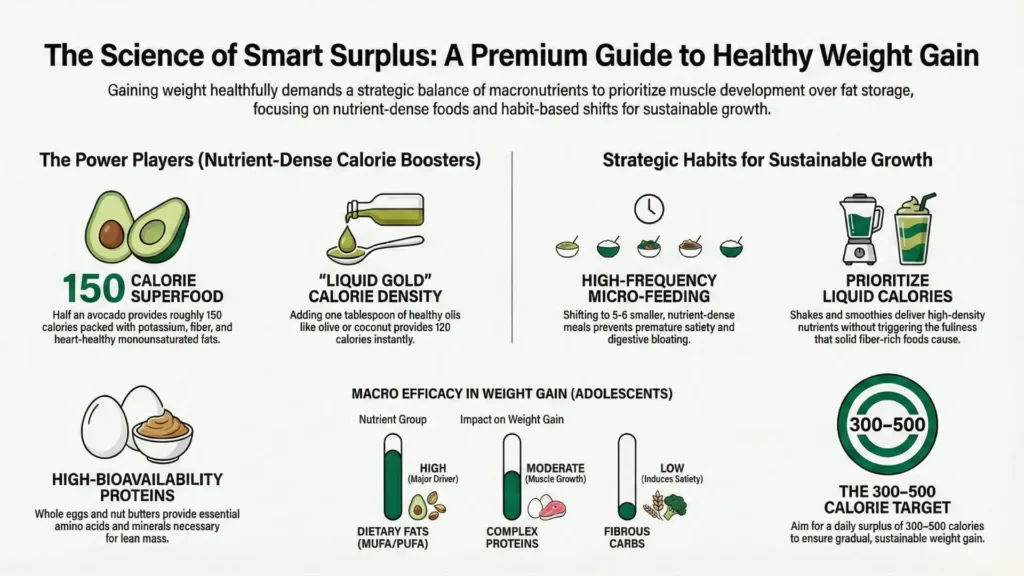
A healthy weight gain diet for girls involves consuming a consistent daily caloric surplus of 300 to 500 calories above your maintenance level. This is best achieved by eating five to six nutrient-dense meals daily, focusing on a macronutrient split of 45-75% complex carbohydrates, 10-15% high-quality protein, and 20-30% healthy fats. Key Indian staples include full-fat milk, desi ghee, paneer, and millets.
Why is finding a sustainable weight gain diet for girls so difficult?
Table of Contents
- 1 Why is finding a sustainable weight gain diet for girls so difficult?
- 2 The emotional toll: Why girls need more than just a meal plan to gain weight
- 3 Understanding the medical reasons for needing a weight gain diet for girls
- 4 Nutrient-dense vs. empty calories: What to include in your female weight gain food list?
- 5 Practical Indian kitchen habits for a successful weight gain diet for girls
- 6 Full day sample meal plan for girls to gain weight: From morning to bedtime
- 7 Common mistakes to avoid in a weight gain diet for girls
- 8 Adapting the weight gain diet for girls for NRIs and busy professionals
- 9 Managing health conditions: PCOS, Diabetes, and Hypertension
- 10 Frequently Asked Questions (FAQs)
- 11 Contact Us
- 12 Disclaimer
I know it is frustrating when people suggest you eat junk food to bulk up. However, relying on empty calories from processed sugars and trans fats often leads to skinny fat conditions or insulin resistance, even if your weight remains low. Consequently, a proper weight gain diet for girls must prioritize building lean muscle and improving bone density rather than just adding visceral fat.
Furthermore, many Indian girls possess a naturally high Basal Metabolic Rate (BMR), meaning their bodies burn energy rapidly even at rest. What this means for your daily routine is that your energy intake must outpace this metabolic speed. Therefore, choosing energy-dense, whole foods is the only way to ensure your progress is both healthy and permanent.
The emotional toll: Why girls need more than just a meal plan to gain weight
Moreover, we must acknowledge the psychological weight of being too thin in Indian society. Skinny shaming is frequently normalized in our culture as casual small talk, yet comments like you look like a skeleton can lead to significant drops in self-esteem and social isolation.
In addition to the social pressure, many women feel inadequate because they do not fit the curvy ideal often projected by the media. Ultimately, a weight gain diet for girls at DietDekho is not just about aesthetics; it is about reclaiming your strength and vitality. Similarly, we aim to shift the focus from looking a certain way to feeling capable and energized.

Understanding the medical reasons for needing a weight gain diet for girls
Before you begin your journey, it is essential to understand why your body might be resisting weight gain. Specifically, underlying medical conditions like hyperthyroidism or Lean PCOS can make gaining weight feel like an uphill battle.
For instance, hyperthyroidism raises your BMR significantly, causing your body to burn through calories before they can be stored. On the other hand, Lean PCOS involves hormonal imbalances that, despite a low BMI, can lead to insulin resistance and metabolic distress. To understand your baseline, use the Mifflin-St Jeor equation:
BMR = 10 \times \text{weight (kg)} + 6.25 \times \text{height (cm)} – 5 \times \text{age (y)} – 161
Once you calculate this, adding a surplus of 500 calories per day will help you achieve a steady, healthy increase of about 1-2 kg per month.
Nutrient-dense vs. empty calories: What to include in your female weight gain food list?
When selecting foods for a weight gain diet for girls, quality is just as important as quantity. For example, 100 calories of almonds provide essential minerals and healthy fats, whereas 100 calories of candy only provide a sugar spike and a subsequent crash.
Specifically, the 2024 ICMR-NIN guidelines suggest a cereal-legume-milk ratio of 3:1:2.5 to maximize protein quality and absorption. Here are the building blocks for your plan:
- Healthy Fats: Desi ghee (100 calories per tbsp), cold-pressed coconut oil, and avocados.
- High-Quality Protein: Paneer, full-fat milk, eggs, and fatty fish like salmon or mackerel.
- Complex Carbohydrates: Millets (ragi, bajra, jowar), sweet potatoes, and brown rice.
- Energy-Dense Snacks: Dates, raisins, walnuts, and peanut butter.

Practical Indian kitchen habits for a successful weight gain diet for girls
I know it’s hard to find time for elaborate cooking, but simple calorie boosting habits can change your results. For instance, instead of drinking plain water with your meals, save your thirst for 30 minutes after eating. Drinking liquids before or during a meal can fill the stomach prematurely, making it difficult to finish your nutrient-dense food.
Furthermore, use powdered fortification. By adding two tablespoons of milk powder to a standard glass of milk, you can significantly increase the protein and calorie content without increasing the volume. Similarly, always drizzle an extra teaspoon of ghee on your rotis or dals to quietly add 50-100 calories to every meal.
| Conventional Choice | Weight Gain Swap | Caloric Benefit |
| White Bread | Ragi or Whole Wheat Bread | Higher fiber & minerals |
| Refined Oil | Desi Ghee or Coconut Oil | 100+ kcal per tbsp |
| Plain Water | Banana Milkshake or Lassi | 300-500 kcal per glass |
| Biscuits | Roasted Peanuts or Chikki | High protein & healthy fats |
Full day sample meal plan for girls to gain weight: From morning to bedtime
To reach your goals, your weight gain diet for girls must be consistent. Below is a sample one-day plan designed for an Indian lifestyle context.
- Early Morning (7:00 AM): 1 glass of full-fat milk with 5 soaked almonds, 2 walnuts, and 2 dates.
- Breakfast (9:00 AM): 2 Aloo or Paneer Parathas with white butter and a bowl of thick curd.
- Mid-Morning Snack (11:00 AM): A handful of roasted peanuts or a peanut butter sandwich on whole-grain bread.
- Lunch (1:30 PM): 1 cup of Jeera Rice, 1 bowl of Dal Makhani (with cream/ghee), 1 bowl of seasonal vegetable curry, and a bowl of raita.
- Evening Snack (4:30 PM): A thick Banana or Mango milkshake with a teaspoon of honey and seeds (flax/chia).
- Dinner (8:30 PM): 2 Bajra or Jowar Rotis with Ghee, 1 bowl of Paneer Bhurji or Chicken Curry, and a small serving of sweet potato.
- Bedtime (10:30 PM): 1 glass of warm turmeric milk (Haldi Doodh) with jaggery.

Common mistakes to avoid in a weight gain diet for girls
One of the biggest mistakes is over-exercising. While staying active is vital for health, excessive cardio can burn through the calories you need for growth. Consequently, I recommend switching to light strength training or yoga. These activities stimulate muscle protein synthesis, ensuring that your weight gain is functional muscle rather than just body fat.
Additionally, skipping meals because you don’t feel hungry will stall your progress. Even if you have a low appetite, try to eat small, frequent portions every 3 hours. Over time, this consistent intake will help expand your stomach capacity and regulate your hunger hormones.
Adapting the weight gain diet for girls for NRIs and busy professionals
For our NRI community in the USA or UK, maintaining a weight gain diet for girls requires smart substitutions. If you cannot find fresh lauki, zucchini works almost identically in your dals. Instead of traditional curd, utilize Greek yogurt, which is much higher in protein and readily available abroad.
Moreover, batch cooking is your best friend. Preparing a large quantity of dal or master gravy on weekends ensures that you have a healthy meal ready in minutes after a long workday. This prevents you from reaching for unhealthy, sodium-heavy frozen meals that can cause bloating and hypertension.

Managing health conditions: PCOS, Diabetes, and Hypertension
If you are managing PCOS, your weight gain diet for girls must focus on low-Glycemic Index (GI) foods. Choose millets like ragi and jowar, as they prevent the insulin spikes that can worsen PCOS symptoms. Similarly, if you have hypertension, focus on heart-healthy fats like walnuts and olive oil while keeping your salt intake below 5g per day.
For those with Type 2 diabetes who are underweight, the Plate Method is highly effective. Fill half your plate with non-starchy vegetables to provide fiber, one-quarter with lean protein (paneer/tofu), and one-quarter with whole grains. This balance ensures you gain weight without compromising your blood sugar levels.

Frequently Asked Questions (FAQs)
Q1: Can I follow a weight gain diet for girls if I am a vegetarian?
Absolutely. An Indian vegetarian diet is a powerhouse for building mass. By combining cereals and pulses in a 3:1 ratio and including high-quality dairy like paneer and full-fat milk, you can meet all your nutritional needs.
Q2: Will eating at night on a weight gain diet for girls make me unhealthy?
No. Your body does not magically store more fat because of the time you eat. Weight gain is determined by your total daily caloric intake. In fact, a high-protein bedtime snack like turmeric milk with nuts supports muscle repair while you sleep.
Q3: Is it okay to use mass gainer supplements?
Mass gainers can be helpful if you struggle to eat enough whole food, but they should supplement a healthy diet, not replace it. Always consult a DietDekho expert before starting commercial powders.
Q4: Why am I not gaining weight despite eating more?
You may be overestimating your intake or underestimating your energy expenditure. Alternatively, medical issues like hyperthyroidism or malabsorption could be the cause.
Q5: Is ghee safe for everyone in a weight gain diet for girls?
Ghee is healthy in moderation, but if you have high cholesterol or hypertension, you should limit it and prioritize unsaturated fats like olive oil and nuts.
Contact Us
We understand how overwhelming nutrition and weight loss information can feel. With so many opinions and confusing advice online, it’s easy to feel stuck or unsure about what to do next.
At Diet Dekho, you never have to figure it out alone. You can contact us anytime with any questions or concerns. Our expert dietitians are available 24/7 to guide, support, and help you stay on track. Whether your goal is weight loss or building healthier habits, we’re here to make the journey simpler and more sustainable for you.
Disclaimer
This blog is intended to help readers make healthier food choices. Your health should always be the top priority. Before starting any restrictive or special diet, especially if you have a medical condition or health concern, please consult a doctor or a qualified dietitian. Each body responds differently to food and lifestyle changes. Always choose what is safe and suitable for you.

Dr. Ritika is a nutrition and lifestyle expert with 2+ years of experience, helping clients manage weight and health through practical, personalized diet plans.