Do you often feel lost in a sea of conflicting health advice and trending social media reels? Why Taking a Dietitian’s Guidance Matters is that it ends the exhausting trial-and-error approach to your personal health. Many weight loss seekers spend years cycling through restrictive meal plans and viral trends without ever seeing lasting results.
Why taking a dietician’s guidance matters is because it replaces guesswork with clinical evidence. Specifically, a nutritionist analyzes your blood reports and lifestyle to create a personalized plan. This ensures you manage conditions like PCOS or diabetes safely. Ultimately, it helps you achieve sustainable results through practical Indian home-cooked meals.
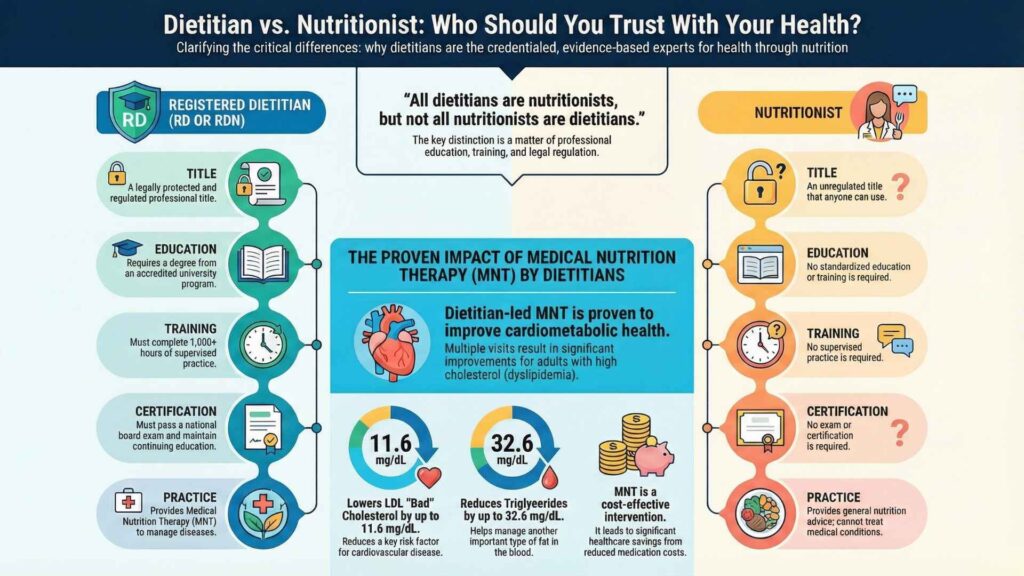
Is the Frustration of Following “Viral” Diets Holding You Back?
Table of Contents
- 1 Is the Frustration of Following “Viral” Diets Holding You Back?
- 2 What are the 3 Dangerous Myths About Self-Planned Crash Diets?
- 3 Why One-Size-Fits-All Nutrition is Failing Your Unique Body?
- 4 The Real Science: How a Dietician Decodes Your Blood Reports and Metabolism?
- 5 Practical Ways an Expert Tailors Indian Meals to Your Busy Lifestyle?
- 6 Your Journey from Confusion to a Sustainable Daily Routine?
- 7 Hidden Mistakes You Make When Dieting Without Supervision?
- 8 Small Wins Matter: Building a Healthier Relationship with Food?
- 9 Ready for a Transformation? Book Your Diet Dekho Expert Session Today
The digital age makes nutritional misinformation spread faster than clinical research. For many Indian professionals, the cycle of starting a trending diet only to experience burnout is all too familiar. This frustration happens because most viral diets aim for mass appeal rather than your unique physiological needs.
In fact, the prevalence of non-communicable diseases (NCDs) in India highlights the danger of following unvetted advice. The Indian Council of Medical Research (ICMR) reports that unhealthy diets and poor lifestyle choices cause 56.4% of the total disease burden in the country. Additionally, when individuals attempt to navigate this burden alone, they often fall into the trap of over-correcting with extreme measures.
The Noise of Influencer Marketing vs Clinical Science
Furthermore, influencer nutrition often promotes diets that lack testing in clinical settings. Many viral cleanses or extreme macronutrient ratios rely solely on anecdotal evidence or paid endorsements. For a busy professional, these trends offer a tempting but dangerous shortcut.
Consequently, you might ignore critical biological signals without professional oversight. For instance, the short-term weight loss in many viral diets is often just water weight or muscle loss. This eventually leads to a metabolic slowdown, making it harder to lose weight in the future.
Why Western Trends Fail the Indian Phenotype
Moreover, one major reason viral diets fail is the lack of cultural context. A Western diet may not account for the carbohydrate-heavy nature of the Indian palate. Similarly, it often ignores the specific metabolic risks of the South Asian phenotype.
Instead, professional intervention ensures that you do not have to abandon your food heritage. Evidence suggests that dietary changes work best when they evolve from your existing habits. Therefore, this is precisely Why Taking a Dietitian’s Guidance Matters for long-term health success.
What are the 3 Dangerous Myths About Self-Planned Crash Diets?
Self-dieting often starts with common misconceptions. These errors lead to severe nutritional deficiencies and metabolic imbalances. Understanding Why Taking a Dietitian’s Guidance Matters is vital when we debunk myths that dominate the public mind.
The Fallacy of Liquid Juice Cleanses
The first dangerous myth is that you need juice fasts to “detox” your body. However, clinical evidence shows that your liver and kidneys already form a sophisticated detoxification system. Juice cleanses often lack protein and fiber, which causes your blood sugar to spike and crash. Instead of cleansing you, these diets deprive your body of essential nutrients.
The Unfair Villainization of Traditional Carbs
The second myth claims that carbohydrates are your primary enemy. In Indian homes, staples like rice and roti often take the blame for weight gain. On the contrary, experts like Dr. Sudhir Kumar explain that traditional carbohydrates are essential for energy. Specifically, the real problem lies in refined flours and added sugars, not the grains themselves.
The Hidden Risks of Unsupervised Supplements
The third myth is the belief that you must use protein supplements to lose weight effectively. Specifically, the 2024 ICMR-NIN guidelines advise against using supplements for building muscle mass. For most people, whole foods like dals, paneer, and eggs are safer and more sufficient. Thus, relying on clinical nutrition vs self-dieting helps you avoid these expensive and unnecessary risks.
| Myth | The DIY Belief | The Scientific Reality |
| Detox Cleanses | Liquid diets reset the metabolism. | Liver and kidneys detoxify; juice lacks fiber. |
| Carb Fear | Eliminate rice to lose weight. | Whole grains provide essential fiber and energy. |
| Supplements | Powders are necessary for fat loss. | Food combinations provide complete proteins safely. |

Why One-Size-Fits-All Nutrition is Failing Your Unique Body?
A universal diet is a biological impossibility. Specifically, your unique genetic makeup and metabolic rate dictate how you respond to specific foods. Why Taking a Dietitian’s Guidance Matters becomes clear when a “healthy” food for one person causes a cholesterol spike in another.
Furthermore, Harvard researchers emphasize that “weight loss-resistant” people do not fail because they lack willpower. Instead, their biology is simply wired differently. What this means for your daily routine is that you need a custom manual, not a generic flyer.
Decoding the “Thin-Fat” Indian Phenotype
Moreover, Indian populations are prone to abdominal obesity even at lower BMI levels. This “thin-fat” phenotype highlights why Western dietary guidelines often fall short for individuals living in cities like Mumbai or Delhi. As a result, nutrition advice must account for ethnic and metabolic differences rather than applying a one-size-fits-all model. A trained clinical nutritionist uses these nuances to design strategies that effectively manage metabolic syndrome.
Adapting to Different Life Stages
Similarly, life stages significantly change your nutritional requirements. For example, a busy professional in their 30s has different needs than a post-menopausal homemaker. One-size-fits-all plans ignore these transitions, which often leads to nutrient gaps like hair loss or fatigue. By personalizing the approach, a dietician supports your current health goals and your future well-being.
The Real Science: How a Dietician Decodes Your Blood Reports and Metabolism?
A clinical nutritionist reads your blood reports as a map of your internal health. While many people only check blood work when they feel ill, an expert uses these reports to catch metabolic issues early. This is a core reason Why Taking a Dietitian’s Guidance Matters for long-term disease prevention.
Furthermore, experts look at “optimal” ranges rather than just “normal” markers. For example, a lab might list your TSH level as normal, but a dietician might see it is too high for your metabolic goals. In addition, they analyze the ratio of “good” (HDL) to “bad” (LDL) cholesterol to assess your heart risk.
| Blood Marker | What it Reveals to an Expert | Nutritional Implication |
| HbA1c | 3-month blood sugar average. | Indicates need for low GI food swaps. |
| TSH | Thyroid and metabolic speed. | May require monitoring of selenium or calories. |
| Lipid Profile | Risk of heart disease. | Guides the type of fats in your daily diet. |
Using HbA1c to Time Your Meals
Specifically, for those with pre-diabetes, meal timing is as important as meal content. A dietician analyzes your glucose patterns to recommend specific frequencies. As a result, you prevent the dangerous “peaks and valleys” of blood sugar that cause long-term damage. Therefore, you cannot achieve this precision with a generic internet plan.
Managing Thyroid Health Through Targeted Nutrition
Similarly, high triglycerides often signal that you are eating too many refined carbs. A clinical nutritionist identifies these patterns and might suggest swapping white rice for ragi or bajra. Because of this nuanced understanding, they address the root cause of high cholesterol rather than just the symptoms.

Practical Ways an Expert Tailors Indian Meals to Your Busy Lifestyle?
For the modern professional or NRI, time is the biggest barrier to health. Consequently, a senior dietician addresses this by providing “lifestyle-first” solutions. The benefits of consulting a clinical nutritionist in India include the ability to adapt traditional patterns to a high-pressure environment.
In addition, the strategy involves “smart swaps” rather than total elimination. For instance, instead of a creamy Korma, an expert might suggest a tomato-based Jalfrezi. Swapping a fried Vada for a Moong Dal Chilla reduces calories while increasing protein. These small changes ensure you can eat out without guilt.
Smart Swaps for Restaurant Dining
- Restaurant Meals: Swap Naan for Tandoori Roti to save calories and add fiber.
- Teatime: Replace fried Samosas with roasted Makhana or walnuts.
- Pantry Items: Use millets or brown rice for slower digestion and steady energy.
- Drinks: Choose coconut water or chaas over sugary sodas to avoid sugar spikes.
The Power of Weekend Batch Cooking
Furthermore, home cooking is a cornerstone of health. Research shows people who cook at home consume fewer calories and spend less money. A dietician teaches you “batch cooking” techniques to save time. Specifically, preparing a basic tadka or boiling legumes in advance allows you to assemble healthy meals in minutes. This removes the decision fatigue that leads to unhealthy orders.
Your Journey from Confusion to a Sustainable Daily Routine?
Transitioning to a healthy lifestyle requires a fundamental shift in your environment. Why Taking a Dietitian’s Guidance Matters is that it provides the accountability you need to turn knowledge into a habit. The ultimate goal is to make healthy choices happen automatically every day.
Mastering the 80/20 Rule for Social Life
Specifically, a sustainable routine uses the 80/20 rule. You spend 80% of your time on nutrient-dense foods. The remaining 20% allows for flexibility during social gatherings or festivals. Consequently, this prevents the feeling of deprivation that leads people to excessively indulge later. Professional guidance helps you navigate these moments without losing your progress.
Aligning Movement with Your Meal Plan
Moreover, a dietician helps integrate activity into your routine in a way that fits your diet. If you have a sedentary desk job, they might suggest a 10-minute walk after meals. By aligning your movement with your nutrition, you create a synergy that accelerates your goals. Therefore, exercise feels like a tool for health rather than a chore.
| Meal | Sustainable Choice | The “Why” |
| Breakfast | Besan Chilla with veggies. | Balanced protein for steady energy. |
| Lunch | Dal, Roti, and seasonal Sabzi. | Fiber-rich and very satiating. |
| Snack | Roasted Chana or an apple. | Prevents evening hunger crashes. |
| Dinner | Vegetable Khichdi or grilled fish. | Lighter on the stomach for better sleep. |

Hidden Mistakes You Make When Dieting Without Supervision?
Even with good intentions, DIY dieters make subtle mistakes that sabotage their progress. Understanding Why Taking a Dietitian’s Guidance Matters involves identifying these “hidden” errors. These mistakes often lead to frustrating plateaus where your weight simply stops moving.
For instance, one common mistake is over-consuming calorie-dense “healthy” foods. Specifically, nuts are nutritious, but eating them in large quantities adds too many calories. Similarly, using too much oil—even olive oil—can hinder weight loss. A dietician provides precise portions to ensure these foods support your goals.
The Calorie Trap of “Healthy” Packaged Snacks
Furthermore, packaged foods labeled as “sugar-free” or “multigrain” are often misleading. Sugar-free items may contain high levels of unhealthy fats to improve taste. Consequently, a dietician teaches you how to read food labels properly. This allows you to look past marketing claims and see the actual nutritional value.
Missing the Micronutrient Mark
Moreover, many DIY diets focus only on macros like carbs and protein. However, they often ignore essential vitamins and minerals. Deficiencies in Vitamin D or B12 are common in India. These gaps can slow your metabolism and cause extreme fatigue. Therefore, a professional nutritionist uses your blood reports to identify and correct these deficiencies through your diet.
Small Wins Matter: Building a Healthier Relationship with Food?
Your psychological relationship with food is as important as the food itself. Why taking a dietician’s guidance matters is that it shifts your focus from punishment to nourishment. This shift is essential to stop cycles of emotional eating and build a lifestyle you actually enjoy.
Managing Emotional Cravings During Festivals
Food plays a central role in Indian celebrations and family love. Specifically, a dietician helps you recognize emotional triggers like stress or family pressure. By celebrating small wins—like choosing a healthy snack—you build the confidence needed for permanent change. In simpler terms, you learn to eat for joy without losing control.
Shifting from Punishment to Nourishment
In addition, a healthy relationship means moving away from a “good vs. bad” food mentality. When you see food as fuel and pleasure, the guilt disappears. This mindset allows you to enjoy festive meals in moderation. Consequently, your healthy lifestyle becomes part of your identity rather than a temporary phase.
Ready for a Transformation? Book Your Diet Dekho Expert Session Today
The evidence is clear. Professional guidance is the most effective way to manage PCOS, diabetes, and sustainable weight loss. Why taking a dietician’s guidance matters is because it provides clinical expertise and emotional support tailored to your Indian lifestyle.
At Diet Dekho, our clinical nutritionists understand your unique challenges. Furthermore, we create a routine that actually works for you by using your blood reports and daily realities. Don’t spend another day guessing. Start your journey toward holistic health and metabolic stability today.

Frequently Asked Questions
How does a dietician manage weight loss for someone with PCOS?
A dietician uses Medical Nutrition Therapy to address insulin resistance. This involves low-glycemic meal plans and anti-inflammatory Indian spices. These strategies balance your hormones and support sustainable fat loss.
Why is professional guidance better than following a DIY diet like Keto?
Supervised programs have higher long-term success rates. Specifically, a dietician ensures you lose fat while preserving muscle mass. They also monitor your kidney health to prevent the risks of extreme, unsupervised dieting.
I am an NRI living abroad; can a dietician help me with local food choices?
Yes. Specialized NRI care helps you navigate Western supermarkets. We identify healthy local brands that allow you to keep your traditional Indian diet while living abroad.
Can a dietician help me manage my diabetes through food alone?
Clinical nutrition is a powerful tool for blood sugar management. By optimizing carbohydrate quality and meal timing, many people see a significant improvement in their HbA1c levels.
Disclaimer:
This blog post was written to help you make healthier food choices altogether. So, be aware and take care. The important thing to consider is your health before starting a restrictive diet. Always seek advice from a doctor or dietitian before starting if you have any concerns.
BOOK YOUR APPOINTMENT
Dr. Ritika is a nutrition and lifestyle expert with 2+ years of experience, helping clients manage weight and health through practical, personalized diet plans.