
A mid-career professional in a bustling Indian metropolitan area often overlooks a recurring dull headache or a sense of fatigue, attributing these symptoms to a demanding schedule. This silent progression of arterial tension frequently leads to an urgent clinical search for the most effective foods for high BP to mitigate cardiovascular risks before they escalate into emergencies. The identification of dietary patterns that stabilize systemic pressure is essential for long-term health preservation.
The most effective foods for high BP include those rich in potassium, magnesium, and fiber, such as spinach, bananas, oats, and millets. These nutrients assist the body in flushing out excess sodium and relaxing blood vessel walls. Prioritizing whole, unprocessed Indian staples like amla and garlic while significantly reducing salt intake is a proven strategy for lowering blood pressure naturally.
The Epidemiological Crisis of Hypertension in India
The prevalence of hypertension within the Indian population has reached a state of public health emergency. Data from the National Family Health Survey (NFHS-5) suggests that approximately 24% of men and 21% of women are living with elevated blood pressure. This condition serves as a primary driver for premature mortality and cardiovascular disability across the subcontinent.
The World Health Organization has established targets for a 25% relative reduction in hypertension prevalence by 2025. However, current awareness and control rates remain low. The Indian Hypertension Control Initiative (IHCI) reports that only 44% of enrolled individuals have their blood pressure under control. This disparity highlights the need for widespread education on dietary management.

| Demographic Segment | Hypertension Prevalence (India) | Percentage of BP Control |
| Men (15-54 years) | 24.0% | 42% |
| Women (15-49 years) | 21.3% | 45% |
| Adults (18-69 years) | 28.5% | 44% |
| Children/Adolescents | 6.2% | Not widely tracked |
Pathophysiological Mechanisms of Blood Pressure Regulation
High blood pressure occurs when the force of blood against the arterial walls is consistently too high. This often results from a combination of excessive sodium intake and a deficiency in minerals that promote vasodilation. Sodium causes the body to retain fluids, which increases the total blood volume and places strain on the heart and vessels.
The regulation of this pressure involves the balance of electrolytes within the cellular environment. Potassium acts as a natural antagonist to sodium by encouraging the kidneys to excrete excess salt through urine. It also helps to ease the tension in blood vessel walls, which lowers the overall resistance to blood flow.

The Role of Dietary Nitrates and Nitric Oxide
Dietary nitrates found in leafy green vegetables are essential for vascular health. Once consumed, the body converts these nitrates into nitric oxide, a powerful signaling molecule. Nitric oxide induces vasodilation, which is the widening of blood vessels. This process reduces the pressure required to move blood through the circulatory system.
Vegetables such as spinach, methi, and radish leaves are among the richest sources of these nitrates. Clinical studies have shown that regular consumption of these greens can improve arterial stiffness. This improvement is particularly beneficial for individuals leading sedentary lifestyles or those with a high risk of cardiovascular disease.
The DASH Diet as a Clinical Standard
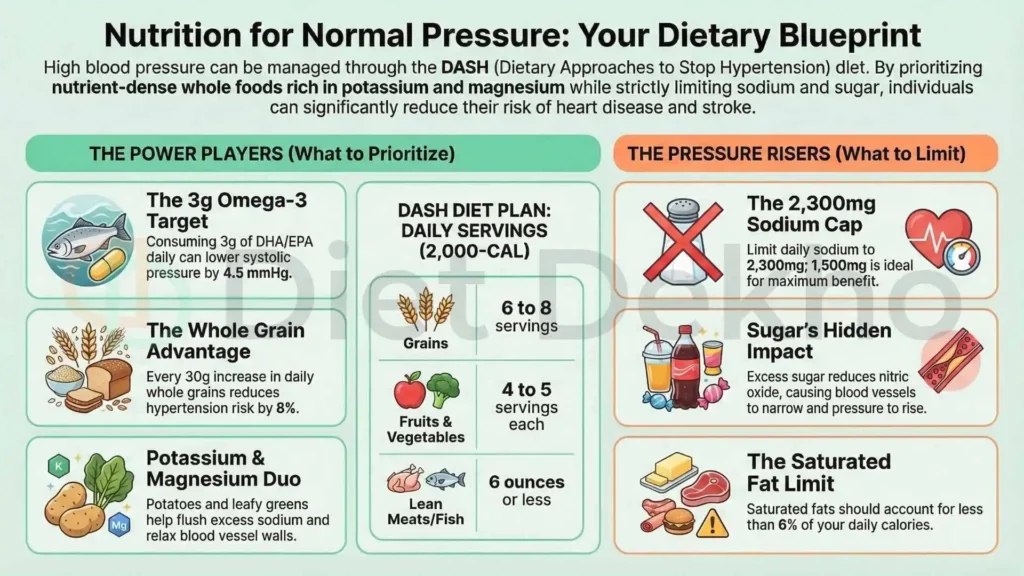
The Dietary Approaches to Stop Hypertension (DASH) eating plan is recognized globally as the gold standard for nutritional intervention. Research supported by the National Institutes of Health (NIH) confirms that the DASH diet can lower systolic blood pressure significantly. This plan emphasizes fruits, vegetables, and low-fat dairy while limiting saturated fats.
The effectiveness of the DASH diet stems from its high concentrations of potassium, calcium, and magnesium. These minerals work in tandem to regulate the electrical signals that control heart contractions and vascular tone. Studies indicate that a low-sodium version of the DASH diet is as effective as certain first-line antihypertensive medications.
| Nutrient | DASH Target (2,000 Calories) | Primary Function in BP |
| Potassium | 4,700 mg | Sodium excretion and vessel relaxation |
| Calcium | 1,250 mg | Vascular contraction and relaxation |
| Magnesium | 500 mg | Smooth muscle relaxation |
| Fiber | 30 g | Cholesterol management and satiety |
Integrating Indian Superfoods into Hypertension Care
Traditional Indian ingredients offer unique bioactive compounds that support blood pressure management. Amla, or the Indian Gooseberry, is a potent source of Vitamin C and polyphenols. These antioxidants protect the endothelium, which is the inner lining of the blood vessels, from oxidative damage that leads to hypertension.
Garlic contains a sulfur compound called allicin, which is released when the clove is crushed. Allicin has been shown to enhance nitric oxide production and may act similarly to calcium channel blockers. Incorporating raw garlic into daily meals is a simple way to utilize its vasodilatory properties for blood pressure control.

Leafy Greens and Their Impact on Arterial Health
Leafy green vegetables are indispensable for anyone seeking to manage their blood pressure naturally. Spinach, known locally as palak, is rich in potassium and magnesium. These minerals prevent the calcification of arteries and maintain the elasticity of the vascular system.
The inclusion of fenugreek leaves or methi provides additional benefits due to its high fiber content. Fiber slows the absorption of sugars and binds to cholesterol, which indirectly supports healthy blood pressure levels. For homemakers and busy professionals, adding these greens to dals or parathas is a practical way to boost nutrient density.
The Nutritional Profile of Indian Millets
Millets such as ragi, jowar, and bajra are superior alternatives to refined grains like white rice and maida. These ancient grains are high in magnesium and potassium, making them ideal for a heart-healthy diet. Their complex carbohydrate structure ensures a slow release of energy, which prevents insulin spikes that can damage the arteries over time.
Ragi is particularly noted for its calcium content, which is essential for blood vessel function. Jowar and bajra are excellent sources of soluble fiber. Replacing one meal a day with a millet-based dish can lead to measurable improvements in metabolic markers and blood pressure stability.
| Millet Variety | Key Nutrient Strength | Common Culinary Use |
| Ragi (Finger Millet) | High Calcium and Fiber | Ragi malt, rotis, or dosas |
| Jowar (Sorghum) | High Magnesium and Potassium | Bhakri or flatbreads |
| Bajra (Pearl Millet) | High Fiber and Protein | Winter rotis or khichdi |
| Oats | Soluble Fiber (Beta-glucan) | Savory upma or porridge |

Potassium-Rich Fruits and Their Benefits
Fruits serve as a primary source of potassium, which is critical for balancing the effects of sodium in the Indian diet. Bananas are a widely accessible and convenient snack that provides significant amounts of this mineral. A single medium banana contains approximately 422 mg of potassium, aiding in the maintenance of healthy electrolyte levels.
Pomegranate is another highly recommended fruit for cardiovascular health. It contains antioxidants that reduce inflammation in the blood vessels and may improve blood flow. Other options such as oranges, papaya, and watermelon also contribute to the daily potassium requirement while providing essential vitamins for heart health.
Dals and Legumes as Protein Powerhouses
Dals and pulses are foundational components of Indian meals and are excellent for managing hypertension. Lentils such as moong dal, masoor dal, and toor dal are high in protein and fiber. They also contain substantial amounts of magnesium and potassium, which are vital for heart function.
Legumes like rajma, chana, and lobia have been shown to improve cholesterol levels and lower blood pressure. Their high fiber content promotes satiety, which helps in weight management. Maintaining a healthy weight is one of the most effective ways to reduce the strain on the cardiovascular system.
The Impact of Sodium and Table Salt
Excessive salt consumption is the leading dietary cause of high blood pressure in the Indian population. Most adults consume far more than the recommended daily limit of 2,300 mg of sodium. In many cases, an ideal limit of 1,500 mg is advised to achieve significant blood pressure reduction.
Sodium causes the kidneys to hold onto more water, which increases the volume of blood in the arteries. This extra volume translates directly into higher pressure readings. Reducing the amount of salt added during cooking and at the table is a crucial step in any antihypertensive strategy.

Identifying Hidden Sodium in Processed Foods
A significant portion of sodium in the modern diet comes from processed and packaged foods rather than the salt shaker. Indian staples such as pickles, papads, and store-bought chutneys are often loaded with salt for preservation. Even foods that do not taste salty, such as bread and biscuits, can contain high amounts of hidden sodium.
Reading food labels is essential for identifying these hidden sources. Terms like sodium benzoate or monosodium glutamate indicate the presence of additional sodium. Choosing low-sodium versions of canned goods or rinsing canned vegetables can help reduce the total intake.
| Common Food Item | Typical Sodium Content | Heart-Healthy Alternative |
| Commercial Pickle | 450 mg per small serving | Fresh mint-coriander chutney |
| Papad | 200-400 mg per piece | Roasted makhana (fox nuts) |
| Canned Soup | 700-1,200 mg per cup | Homemade vegetable soup |
| Salted Biscuits | 150-300 mg per serving | Unsalted nuts or roasted chana |
| Bread (1 slice) | 80-230 mg | Homemade whole-wheat roti |
Low-Sodium Flavor Enhancers and Spices
Reducing salt does not mean that meals must be bland. Indian cuisine is rich in spices that can enhance flavor without adding sodium. Ingredients such as amchur, kokum, and lemon juice provide a sour or tangy profile that mimics the satisfying hit of salt. Fresh ginger, garlic, and green chilies can also add depth to dishes.
Using herbs like coriander, mint, and curry leaves provides aroma and flavor that reduces the need for heavy seasoning. Transitioning to these natural alternatives allows the taste buds to adjust over time. Most people find that their preference for highly salted foods decreases after a few weeks of consistent reduction.
Healthy Fats and Oils for Heart Health
The choice of cooking oil significantly influences cardiovascular outcomes. Saturated fats found in butter, ghee, and palm oil can contribute to arterial plaque, which complicates hypertension. Replacing these with heart-healthy oils like mustard oil, groundnut oil, or sunflower oil can improve the lipid profile.
While ghee is a traditional favorite, it should be used in moderation, limited to about half a teaspoon per day. Omega-3 fatty acids found in walnuts and flaxseeds are particularly beneficial for reducing inflammation. These healthy fats support the flexibility of blood vessels, making it easier for blood to flow through the body.

The Importance of Weight Management
Carrying excess weight, particularly around the waistline, is a major risk factor for hypertension. As weight increases, the heart must work harder to pump blood to all parts of the body. Losing even a small amount of weight can lead to a measurable drop in blood pressure readings.
Weight loss is best achieved through a combination of dietary changes and consistent physical activity. Focus on nutrient-dense, low-calorie foods like vegetables and lean proteins. Avoiding sugary beverages and ultra-processed snacks can significantly reduce calorie intake without sacrificing nutrition.
Physical Activity for the Non-Gym Audience
Regular exercise is a cornerstone of blood pressure management. For those who do not enjoy the gym environment, simple activities like walking are highly effective. Brisk walking for 30 minutes a day can lower blood pressure by several points. Breaking this into three 10-minute sessions may be even more effective for some individuals.
Isometric exercises, such as handgrip training, have also shown promise. Squeezing a soft ball or a handgrip device for a few minutes daily helps improve the health of the blood vessel lining. These exercises are easy to perform while sitting at a desk or watching television.
| Exercise Type | Recommended Duration | Key Benefit |
| Brisk Walking | 30 minutes daily | Improves heart efficiency |
| Yoga/Stretching | 15-20 minutes daily | Reduces stress and vessel tension |
| Isometric Handgrip | 5 minutes daily | Enhances vascular elasticity |
| Deep Breathing | 5-10 minutes daily | Activates the relaxation response |
Yoga and Mindfulness for Stress Reduction
Chronic stress is a significant contributor to hypertension, especially among busy professionals. Stress hormones like cortisol can cause blood vessels to constrict and heart rate to increase. Yoga and meditation are proven techniques for managing these physiological responses.
Specific yoga poses, such as the Corpse Pose or Shavasana, encourage deep relaxation. Breathing exercises, known as pranayama, help regulate the autonomic nervous system. Incorporating a few minutes of mindfulness into a daily routine can lead to long-term improvements in blood pressure levels.
Lifestyle Strategies for Busy Professionals
Managing health while juggling professional responsibilities requires strategic planning. Preparing healthy snacks in advance can prevent the reliance on office vending machines or fast food. Options like roasted chana, makhana, or fresh fruit are easy to carry and provide sustained energy without excess salt.
Taking short breaks throughout the workday to stretch or walk can mitigate the effects of a sedentary lifestyle. Using the stairs instead of the elevator and parking further away from the office are simple ways to incorporate movement. Prioritizing sleep is also essential, as lack of rest can disrupt the body’s ability to regulate blood pressure.

Support for Homemakers and Families
Homemakers play a critical role in the health of the entire family by controlling the kitchen environment. Making small changes, such as using less oil for tempering and adding more vegetables to traditional recipes, can have a collective impact. Introducing children to whole grains and fresh fruits early on helps prevent the onset of hypertension in the next generation.
Cooking at home provides complete control over the amount of salt and fat in every meal. Experimenting with fresh herbs and spices can make healthy eating an enjoyable experience for the whole family. Encouraging active play and reducing screen time for children are also vital steps toward long-term wellness.
Case Studies: Real-World Success in BP Management
The effectiveness of dietary and lifestyle changes is illustrated by individuals like Ramesh, who managed his hypertension through yoga and a mindful diet. By focusing on whole foods and consistent movement, he was able to stabilize his blood pressure and improve his overall quality of life.
Another example involves Ramachandra, an engineer who successfully reduced his reliance on blood pressure medication through a structured nutrition program. These stories highlight that while the path to health requires discipline, the results are attainable and life-changing. Consistent effort in small, daily choices leads to significant long-term benefits.
The Role of Home Monitoring
Regularly checking blood pressure at home is a valuable tool for tracking progress. It provides immediate feedback on how dietary choices and exercise routines are affecting the body. Home monitoring can also help identify “white coat hypertension,” where readings are high only in a clinical setting.
Using a validated home monitor and keeping a log of the results allows for better communication with healthcare providers. This data can inform adjustments to diet or medication as needed. It also serves as a source of motivation, as seeing the numbers improve encourages the continuation of healthy habits.
Dietary Management of Stage 1 Hypertension
For individuals diagnosed with Stage 1 hypertension, dietary intervention is often the first line of defense. Adopting a DASH-style eating pattern and reducing sodium can sometimes bring pressure back to normal levels without the need for medication. This approach focuses on high-potassium foods and weight management.
It is important to consult with a healthcare professional before making drastic changes, especially if already taking prescribed medicine. A dietitian can help create a personalized meal plan that fits specific lifestyle needs and cultural preferences. Consistency is the most critical factor in achieving lasting results.
Practical Meal Planning for Heart Health
A heart-healthy meal plan should be balanced, varied, and sustainable. For breakfast, options like oats upma or idli with sambar provide fiber and protein. Lunch and dinner should include a portion of whole grains, a protein source like dal or lean meat, and plenty of colorful vegetables.
Snacking on nuts, seeds, or yogurt provides essential minerals and prevents overeating during main meals. Staying hydrated with water or coconut water is also important for maintaining electrolyte balance. Avoiding sugary drinks and excessive caffeine further supports vascular health.
Common Myths about Hypertension and Diet
One common myth is that only individuals who add salt at the table are at risk. In reality, most sodium comes from processed foods and hidden sources in the diet. Another misconception is that high blood pressure is an inevitable part of aging. While risk increases with age, healthy lifestyle choices can significantly delay or prevent its onset.
Some believe that medication can replace the need for a healthy diet. However, lifestyle changes make medication more effective and can sometimes reduce the dosage required. Understanding the science behind blood pressure allows for more informed and effective health management.
The Future Outlook for Hypertension in India
The rising rates of hypertension in India present a significant challenge, but one that can be addressed through collective action and individual responsibility. Public health initiatives and increased awareness of healthy dietary patterns are essential. The integration of traditional wisdom with modern clinical guidelines offers a promising path forward.
As more people adopt heart-healthy habits, the burden of cardiovascular disease across the country can be reduced. Empowering individuals with the knowledge of how food affects their bodies is the first step toward a healthier nation. The potential for a high quality of life remains within reach for those who prioritize their cardiovascular well-being.
Summary of Recommendations
Successful management of high blood pressure involves a comprehensive approach. Prioritizing foods rich in potassium and fiber, such as leafy greens, millets, and fresh fruits, is essential. Simultaneously, a strict reduction in sodium from both salt and processed foods is required to lower arterial tension.
Incorporating moderate physical activity and stress-reduction techniques like yoga further enhances the effectiveness of dietary changes. Consistency, home monitoring, and professional guidance are the keys to long-term success. By making mindful choices every day, individuals can protect their hearts and enjoy a more vibrant life.
Frequently Asked Questions
Which foods for high BP are best for quick results?
While diet is a long-term strategy, increasing your intake of potassium-rich foods like bananas, spinach, and sweet potatoes can help the kidneys flush out excess sodium relatively quickly. Combining this with a significant reduction in salt and staying well-hydrated is the most effective natural way to see improvements in blood pressure readings over a few weeks.
Can garlic really help lower my blood pressure?
Yes, garlic contains allicin, a compound that is released when the clove is crushed or chopped. Allicin helps the blood vessels relax and expand by increasing the production of nitric oxide. Some studies suggest that regular consumption of raw or aged garlic can be as effective as certain medications for managing mild hypertension.
Are pickles and papads okay if I have high BP?
It is generally best to avoid or strictly limit pickles and papads if you are trying to manage high blood pressure. These traditional items are extremely high in sodium because salt is used as a primary preservative. A single serving of pickle can contain a large portion of your total daily salt allowance. Opting for fresh, homemade chutneys with lemon and herbs is a much safer alternative.
Is it safe to stop my BP medication if I change my diet?
You should never stop or change the dosage of your blood pressure medication without consulting your doctor. While dietary changes and weight loss can significantly lower blood pressure sometimes to the point where medication can be reduced this must be done under professional medical supervision. Stopping medication abruptly can cause dangerous spikes in blood pressure.
What is the best Indian breakfast for high BP?
A heart-healthy Indian breakfast should be high in fiber and low in salt. Options like vegetable poha, oats upma, ragi idli, or a moong dal chilla with plenty of vegetables are excellent choices. These meals provide a slow release of energy and are packed with the minerals needed to support healthy blood pressure throughout the day.
Take Control of Your Heart Health Today
Making small, sustainable changes to your daily routine can lead to profound improvements in your blood pressure and overall vitality. Whether you are a busy professional or a dedicated homemaker, your health is your most valuable asset. Start by incorporating one heart-healthy food into your next meal and reducing your salt intake just a little bit.
For personalized guidance and a customized nutrition plan tailored to your lifestyle, connect with our expert team today. Your journey to a healthier heart begins with a single step.
Contact Us
We understand how overwhelming nutrition and weight loss information can feel. With so many opinions and confusing advice online, it’s easy to feel stuck or unsure about what to do next.
At Diet Dekho, you never have to figure it out alone. You can contact us anytime with any questions or concerns. Our expert dietitians are available 24/7 to guide, support, and help you stay on track. Whether your goal is weight loss or building healthier habits, we’re here to make the journey simpler and more sustainable for you.
Disclaimer
This blog is intended to help readers make healthier food choices. Your health should always be the top priority. Before starting any restrictive or special diet, especially if you have a medical condition or health concern, please consult a doctor or a qualified dietitian. Each body responds differently to food and lifestyle changes. Always choose what is safe and suitable for you.

Abhinav is the Founder of Diet Dekho, helping people manage weight and lifestyle health through simple, practical nutrition and personalized diet plans.