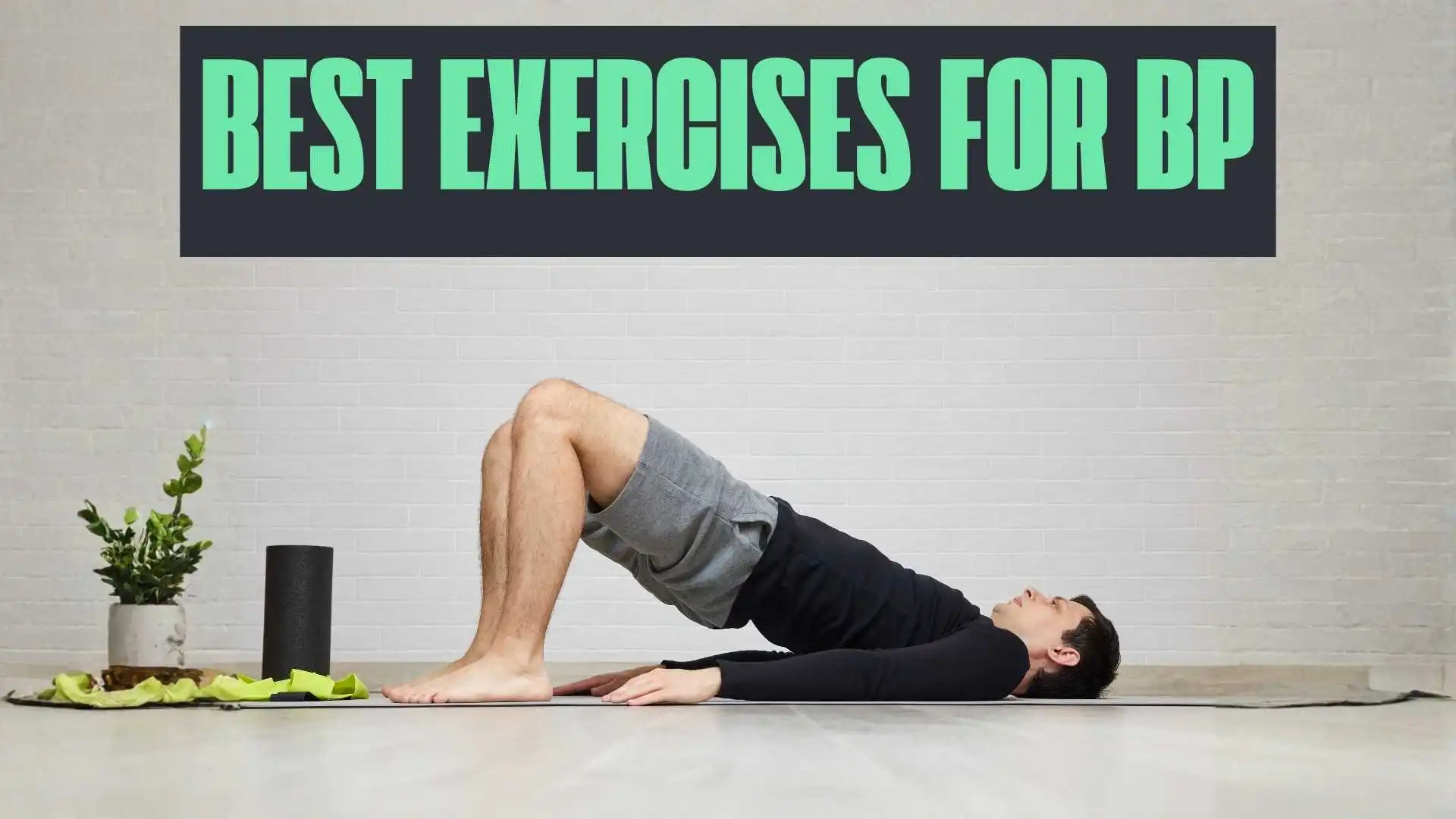
Remember those quiet Sunday afternoons when the only thing on the mind was the next cup of ginger tea? Somewhere between those moments and today, the pressure didn’t just stay in work emails; it settled in the blood vessels. Managing an exercise for BP doesn’t have to be another chore on an endless to-do list. It can be a simple way to breathe again.
The most effective exercise for BP combines daily brisk walking with restorative yoga to naturally lower hypertension. Aiming for 150 minutes of moderate activity weekly helps the heart pump more efficiently, reducing arterial pressure. Adding 15 minutes of calming yoga poses like Child’s Pose further balances the nervous system and decreases stress-related spikes.
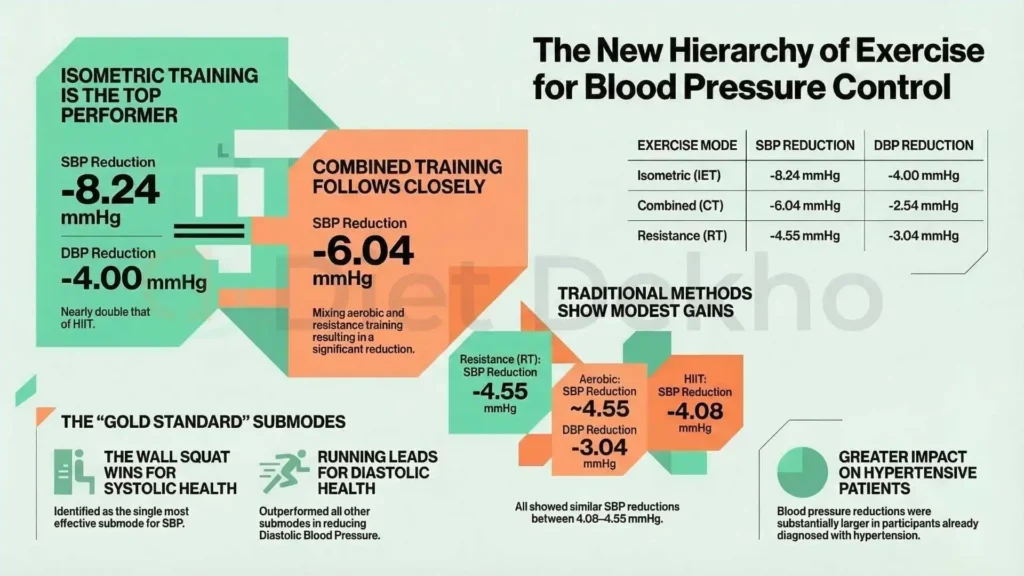
The Reality of the Silent Killer in Indian Households
The story of hypertension in India is often one of quiet progression. It is a condition that rarely announces itself with a loud bang; instead, it whispers through a persistent headache or a feeling of being unusually tired after a standard day of work. In the medical community, this is why high blood pressure is called the silent killer. Recent data shows that nearly 28.1% of adults in India are currently living with hypertension. What is even more striking is that in urban areas, this number climbs to about 33.8%.
I know it is hard to find time for health when life feels like a constant race. However, understanding these numbers is the first step toward taking control. For many, the diagnosis comes as a shock because they feel fine. The body has a way of compensating for high pressure until it cannot anymore. What this means for a daily routine is that proactive movement is not just about fitness; it is about protection.

Regional Trends and the Need for Awareness
The burden of high blood pressure is not distributed equally across the country. Research indicates that certain regions face a higher risk due to dietary habits, sedentary desk jobs, and urban stressors.
| Region of India | Rural Prevalence (%) | Urban Prevalence (%) |
| Northern Region | 14.5 | 28.8 |
| Eastern Region | 31.7 | 34.5 |
| Western Region | 18.1 | 35.8 |
| Southern Region | 21.1 | 31.8 |
Data indicates that urban dwellers in the west and east face the steepest climb. This often stems from the shift away from traditional active lifestyles toward more sedentary office-based roles. For a busy professional, this might mean spending eleven hours a day sitting and only sixteen minutes doing any real exercise. We have to change that ratio to give the heart a fighting chance.

The Impact on Different Age Groups
There is a common myth that high blood pressure only affects the older people. This is no longer the case. Hypertension is increasingly common among young adults due to rising obesity rates and the pressure of modern careers. In fact, stage 1 hypertension, defined as a systolic reading of 130–139 or a diastolic reading of 80–89, is now appearing in people in their early 30s.
Let’s simplify this: if the heart is a pump and the blood vessels are pipes, high blood pressure means the pump has to work overtime to push water through narrow, stiff pipes. Over time, this wears out the pump and can cause the pipes to leak or burst. Regular movement helps keep those pipes flexible and the pump strong.

Why Walking is a Metabolic Necessity
Walking is often overlooked because it feels too simple. We are taught that exercise has to be a grueling session at the gym, but the body understands walking because it was built for it. It is a low-impact, moderate-intensity activity that does not strain the joints while providing massive benefits for heart health.
Research from Harvard suggests that brisk walking is just as effective as running when the same amount of energy is used. The key is the pace. To really make an impact, one should walk fast enough to talk but not so fast that they can sing. This level of intensity signals the body to release nitric oxide, a molecule that helps blood vessels relax and widen.
The Magic of the Post-Meal Stroll
I know it is hard to find time for a long workout, but what if you could manage your health in fifteen-minute blocks? Dr. Vimal Pahuja, a metabolic physician, suggests that the best time for blood sugar control is about 15–20 minutes after a meal. During this window, the muscles act like a sponge, soaking up sugar from the blood for energy.
What this means for your daily routine is that a short walk after dinner can lower the fasting sugar levels for the next morning and prevent the spikes that damage your arteries. For those struggling with time, splitting a 30-minute walk into three 10-minute sessions throughout the day is actually more effective at preventing blood pressure spikes than one long trek.
Calculating the Intensity for Better Results
Not all walks are created equal. To get the most benefit, we need to look at the intensity. Moderate activity is generally defined as a pace of 2.5 to 4.2 miles per hour.
| Activity Level | Description | METS Value | BP Impact |
| Sedentary | Sitting or lying down | 1.0–1.5 | Negative |
| Light Intensity | Slow strolling, cooking | 1.6–2.9 | Maintenance |
| Moderate Intensity | Brisk walking, active yoga | 3.0–5.9 | High Reduction |
| Vigorous Intensity | Running, swimming laps | 6.0+ | Maximum Fitness |
Focusing on the moderate-intensity zone is the sweet spot for most adults. It is enough to challenge the heart without causing the exhaustion that leads many to quit after a few days.

Yoga: The Calm Your Arteries Need
If walking is the strength for your heart, yoga is the peace for your blood vessels. Adding yoga to an aerobic routine can lower systolic blood pressure by 10 points, which is significantly better than aerobic exercise alone. Yoga does more than just stretch the muscles; it calms the sympathetic nervous system-the part of the body responsible for the stress response.
For many homemakers or professionals, stress is the primary driver of hypertension. When we are stressed, the body stays in a fight-or-flight mode, keeping blood pressure high. Poses like Shavasana (Corpse Pose) and Balasana (Child’s Pose) act as a reset button for the nerves.
Essential Poses for Daily Practice
You don’t need to be flexible to start yoga. These poses are gentle and can be done right in the living room.
- Easy Pose (Sukhasana): Simply sitting cross-legged with a straight back and focusing on deep breaths. It prepares the body for relaxation.
- Child’s Pose (Balasana): Kneeling and folding forward to rest the forehead on the floor. This pose is deeply soothing for the nervous system.
- Legs-Up-The-Wall (Viparita Karani): Lying on the back with legs resting against a wall. This helps blood flow back to the heart and reduces swelling in the legs.
- Bridge Pose (Setu Bandhasana): Lying on the back and lifting the hips. This opens the chest and improves circulation.
Spending just 15 minutes on these poses before bed can lower the heart rate and support more restful sleep, which in itself is a pillar of heart health.
Breathing Techniques (Pranayama)
Breath is the bridge between the mind and the body. Controlled, slow breathing exercises have been shown to reduce sympathetic tone and lower pressure acutely. A simple technique is the 4-4-6 breath: inhale for 4 seconds, hold for 4, and exhale for 6.
Extended exhales are particularly powerful. By making the exhale longer than the inhale, we signal the brain that it is safe to relax. This can lead to an immediate drop in blood pressure readings. I know it sounds too simple to work, but the science of the vagus nerve proves that these small shifts in breathing can change the body’s internal chemistry.

Practical Hacks for Busy Professionals
Finding time for exercise between meetings and commutes is a major hurdle. I know it’s hard to find time, but let’s simplify this. We don’t need a gym membership; we need a movement-rich environment. Movement should be integrated into the day so that it doesn’t feel like a separate task.
Small bursts of activity throughout the workday add up. For instance, replacing sedentary behavior with just five minutes of exercise daily can lower systolic blood pressure slightly. If you can increase that to 20 or 27 minutes, the risk of cardiovascular disease could drop by up to 28%.
The Office Movement Strategy
Try these ideas to get more active without leaving the office:
- Walking Meetings: Instead of sitting in a conference room, walk while you talk. It sparks creativity and gets the heart pumping.
- Stair Climbing: Take the stairs instead of the lift for anything less than three floors. It is a quick burst of vigorous exercise.
- Water Break Circuit: Every time you go to the water cooler, take the longest path possible. Drink more water, and the frequent trips to the restroom will naturally break up your sitting time.
- Desk-Side Stretches: Roll the shoulders and neck every hour to release the tension that often leads to stress-induced pressure spikes.
Commute and Incidental Exercise
If you use public transport, get off one stop early and walk the rest of the way. If you drive, park at the far end of the parking lot. These extra steps may only take five minutes, but they are a metabolic necessity. Think of these moments as a drug that makes any prescribed medication work even better.
Making Home the Ultimate Fitness Hub
For homemakers and those who prefer to stay indoors, the home is already a gym. Many household chores are actually forms of light to moderate exercise. Mopping the floor, gardening, or even unloading heavy groceries can strengthen the heart if done with awareness.
The key is to avoid being stationary for long periods. If you sit for several hours, set a reminder on your phone to move for five minutes every hour. This could be as simple as doing few wall push-ups while the kettle boils or balancing on one foot while brushing your teeth.
Low-Impact Strength Training
Strength training is essential because muscles help the body process glucose and improve circulation. You don’t need heavy weights. Use your own body weight for squats or use full water bottles for arm curls.
Aim for strength exercises at least two days a week. Strengthening the lower body, specifically the legs, supports better circulation and helps the heart not have to work so hard to pull blood back up from the feet.

A 12-Week Roadmap to Consistency
Change does not happen overnight. It takes about one to three months for regular exercise to show a lasting impact on blood pressure. The goal is to start slow and build a habit that feels natural.
| Week Range | Walking Goal | Yoga/Breathing Goal | Frequency |
| Weeks 1-2 | 10-minute brisk walk | 5 minutes of deep breathing | 5 days/week |
| Weeks 3-4 | 15-minute brisk walk | 10 minutes of gentle stretching | 5 days/week |
| Weeks 5-8 | 20-minute brisk walk | 15 minutes of yoga poses | 5 days/week |
| Weeks 9-12 | 30-minute brisk walk | 15 minutes of yoga + relaxation | 6 days/week |
In the beginning, you might feel a bit tired, but that will pass as your fitness improves. By the end of 12 weeks, many people see their systolic pressure drop by 4 to 9 mmHg. What this means for your daily routine is that you might eventually need less medication-under a doctor’s guidance, of course.
The Synergy of Diet and Exercise
Exercise works best when it has the right fuel. In India, our traditional diet is already full of heart-healthy ingredients, but we sometimes let processed foods creep in. The DASH (Dietary Approaches to Stop Hypertension) diet is the gold standard, focusing on fruits, vegetables, and whole grains.
I know it’s hard to change what you eat, but let’s make it simple. Focus on the magic mineral-potassium. Potassium helps the body flush out excess sodium, which is the main culprit in high blood pressure.
Indian Superfoods for BP
- Bananas and Pomegranates: Rich in potassium and antioxidants.
- Spinach and Leafy Greens: These help regulate sodium levels.
- Coconut Water: A refreshing way to get a potassium boost.
- Garlic: Known to help relax blood vessels and reduce arterial stiffness.
- Fenugreek (Methi): Helps with sodium retention and general heart health.
Cutting back on salt is the first line of defense. Most of the salt we eat is hidden in processed foods like pickles, papads, and ready-to-eat mixes. Cooking at home allows you to control the salt and flavor your food with herbs and lemon instead.
Shattering Common Myths in Indian Families
We often hear things from our elders or neighbors that can discourage us from starting an exercise routine. Let’s clear the air on a few common myths.
Myth: Exercise will make my blood pressure spike too high. Fact: While blood pressure goes up during a workout, regular activity makes the heart stronger, which lowers your resting blood pressure over time.
Myth: High blood pressure is just a part of aging. Fact: While the risk goes up with age, it is not inevitable. Lifestyle choices can override a family history of hypertension.
Myth: I don’t use a salt shaker, so my sodium is low. Fact: Up to 75% of our sodium intake comes from processed and packaged foods, not the table salt we add at dinner.
Myth: If my blood pressure is normal now, I can stop exercising. Fact: Hypertension is a chronic condition. The benefits of exercise last only as long as you continue to move. If you stop, your blood pressure will likely rise again within a few weeks.
Safety First: When to Talk to Your Doctor
Before starting any new routine, especially if you haven’t been active in a while, it is vital to have a conversation with your healthcare provider. They can help you set realistic goals and ensure your heart is ready for the change.
Always monitor your numbers at home. Home readings provide a more accurate picture of your health than a single reading in a stressful doctor’s office. If your pressure is ever above 180/120, seek medical care immediately-this is a crisis stage.
Conclusion: Take the First Step Today
Managing your blood pressure doesn’t require a radical life overhaul. It starts with a single walk after dinner and five minutes of quiet breathing. Every step you take is a celebration of your heart’s strength. I know it is hard to find time, but you are not just doing this for yourself; you are doing it to be there for the people you love.
Let’s simplify this: choose one small thing today. Maybe it’s taking the stairs or having a banana instead of a salty snack. Your heart is your constant companion on this journey-treat it with a little kindness today.
Ready to personalize your heart-health journey?
FAQs
1. What is the most effective exercise for BP?
Brisk walking is generally considered the most effective and accessible exercise for BP. It strengthens the heart and improves blood vessel flexibility. Adding gentle yoga and deep breathing can further enhance these benefits by reducing stress levels.
2. Can I lower my blood pressure naturally through exercise for BP?
Yes, regular physical activity can lower systolic blood pressure by 4 to 9 mmHg. For many people, consistent exercise for BP, combined with a low-sodium diet, can significantly reduce the need for medication, though any changes should be made under medical supervision.
3. How long does it take for exercise for BP to show results?
While you may feel more energetic quickly, it typically takes about 1 to 3 months of consistent exercise for BP to see a significant and lasting drop in your blood pressure readings.
4. Is yoga or walking better for BP management?
Both are excellent, but they work differently. Walking is an aerobic exercise for BP that strengthens the heart muscle. Yoga is a restorative practice that calms the nervous system. The best results usually come from combining both.
5. Can I do exercise for BP if I have very high blood pressure?
If your blood pressure is very high or uncontrolled, you must consult your doctor before starting any routine. They may recommend light activities like slow walking or specific breathing exercises until your levels are more stable.
Contact Us
We understand how overwhelming nutrition and weight loss information can feel. With so many opinions and confusing advice online, it’s easy to feel stuck or unsure about what to do next.
At Diet Dekho, you never have to figure it out alone. You can contact us anytime with any questions or concerns. Our expert dietitians are available 24/7 to guide, support, and help you stay on track. Whether your goal is weight loss or building healthier habits, we’re here to make the journey simpler and more sustainable for you.
Disclaimer
This blog is intended to help readers make healthier food choices. Your health should always be the top priority. Before starting any restrictive or special diet, especially if you have a medical condition or health concern, please consult a doctor or a qualified dietitian. Each body responds differently to food and lifestyle changes. Always choose what is safe and suitable for you.

Abhinav is the Founder of Diet Dekho, helping people manage weight and lifestyle health through simple, practical nutrition and personalized diet plans.