Do you find yourself staring at the mirror every morning, wondering why the scale won’t budge despite your exhausting schedule? I know it feels like a mountain you just can’t climb, especially when you are balancing a high-pressure job or managing a busy household. If you are struggling with your health and time, you’ve likely asked yourself how to lose weight fast without sacrificing your sanity or your favorite Indian flavors.
To lose weight fast, focus on a high-protein Indian diet that replaces refined grains with high-fiber millets like jowar or bajra. Furthermore, combine 30 minutes of daily functional movement-like brisk walking or vigorous household chores-with consistent sleep and 2-3 liters of water to trigger safe, rapid fat loss.
The Physiological Con of Weight Management in India
The clinical profile of the South Asian population is quite distinct from Western counterparts. Specifically, we often see the thin-fat phenotype. This term describes individuals who might have a normal Body Mass Index (BMI) but still carry a high percentage of visceral fat stored around internal organs. Consequently, our approach must focus on reducing abdominal adiposity to lower the risk of metabolic syndrome and cardiovascular disease.
Understanding the Role of Insulin Resistance
Insulin resistance is a central reason why many Indians find it difficult to understand how to lose weight fast. When your diet is heavy in refined carbohydrates-like white rice, maida bread, or sugary chai-the body experiences frequent glucose spikes. These spikes force the pancreas to produce excessive insulin, which is a hormone that tells your body to store fat rather than burn it.
What this means for your daily routine is that weight loss stays stuck until your insulin levels stabilize. Research suggests that reducing processed flours and replacing them with complex carbohydrates can improve insulin sensitivity within just a few weeks. Once stabilized, your body can finally access stored fat for fuel, which is the secret to rapid weight reduction.
BMI and Clinical Weight Loss Targets
If you are living with obesity, evidence from the National Institutes of Health (NIH) shows that losing even 5% to 10% of your total weight can significantly cut your diabetes risk. Let’s look at what these goals look like in practice.
| Starting Weight | 5% Loss Goal | 10% Loss Goal | Clinical Benefit |
| 70 kg | 3.5 kg | 7.0 kg | Improved blood pressure |
| 80 kg | 4.0 kg | 8.0 kg | Reduced insulin resistance |
| 90 kg | 4.5 kg | 9.0 kg | Lowered cholesterol |
| 100 kg | 5.0 kg | 10.0 kg | Prevention of pre-diabetes |
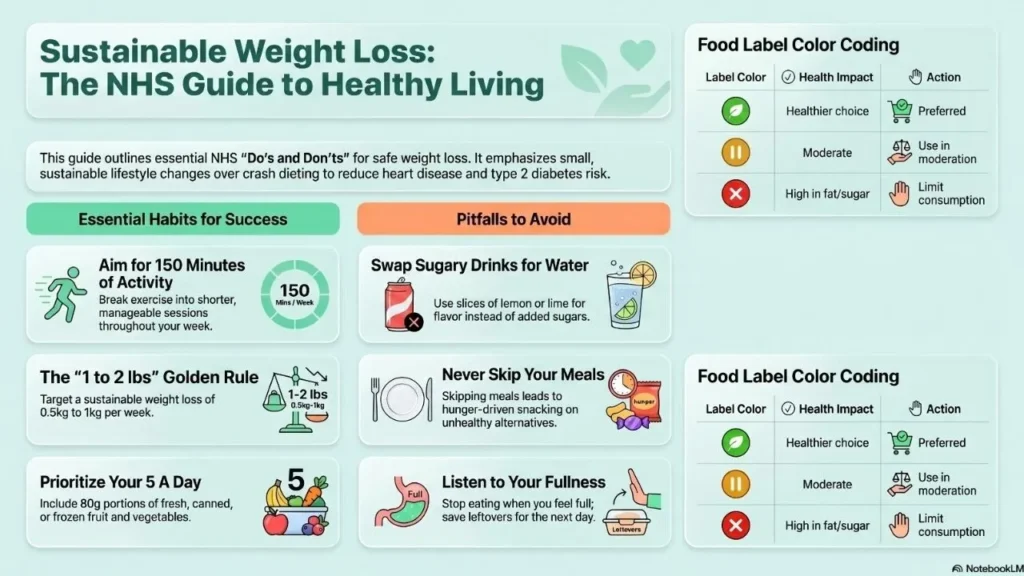
Regarding the pace of your progress, most medical practitioners recommend a sustainable rate of 0.5 to 1 kilogram per week. However, while you might want faster results, this steady pace ensures you are losing fat rather than muscle or water weight.

Nutritional Strategies for the Indian Kitchen
The traditional Indian diet is full of variety, but modern plates have become too heavy on carbohydrates and too light on protein. Rebalancing your thali is a practical step that fits your busy life without needing complex Western recipes.
The Shift from Refined to Whole Grains
In most Indian homes, white rice and wheat rotis are the main energy sources. Unfortunately, polished grains lack fiber, which causes them to digest too quickly and spike your blood sugar. Because of this, you often feel hungry shortly after a meal, leading to unnecessary snacking.
I suggest swapping white rice for brown rice, red rice, or millets like jowar (sorghum) and bajra (pearl millet). Millets are naturally gluten-free and contain much more fiber, which keeps you feeling full for longer. By making this simple swap, you could naturally reduce your daily calories by roughly 10% because you won’t feel the urge to overeat.
Protein Satiety for Vegetarians
A major hurdle in our diet is the low protein-to-carb ratio. Protein is vital for anyone wondering how to weight lose fast because it has a higher thermic effect; basically, your body burns more calories just to digest it. Additionally, protein-rich foods preserve your muscle mass while you are in a calorie deficit.
| Protein Source | Protein Content (per 100g) | Practical Implementation |
| Soya Chunks | 52g | Add to vegetable curries or pulao |
| Moong Dal | 24g | Perfect for chillas or traditional dal |
| Paneer (Low Fat) | 18g | Grill it as a snack or add to salads |
| Chickpeas (Chole) | 19g | Boiled as a salad or light gravy |
| Greek Yogurt/Curd | 10g | Use it as a side with every meal |
Instead of starting your day with plain poha, try adding an egg or a bowl of sprouts. This small change provides the protein needed to prevent those 11:00 AM hunger pangs.

Management of Diabetes and Weight Loss
For those living with type 2 diabetes, weight loss is often the primary treatment. Nevertheless, your approach must be structured to avoid dangerous blood sugar drops. Understanding the Glycemic Index (GI) can help you select foods that support both weight loss and glucose control.
The Glycemic Index and Food Selection
The Glycemic Index essentially ranks carbohydrates by how fast they raise your blood sugar. Low-GI foods are preferred because they release energy slowly and steadily.
- Low GI (55 or less): Chana dal, rajma, soybeans, and leafy greens like spinach or cabbage.
- Medium GI: Brown rice, whole wheat rotis, and sweet potatoes.
- High GI: White bread, white rice, and sugary biscuits.
According to the American Diabetes Association (ADA), focusing on low-GI, high-fiber foods prevents the insulin spikes that drive fat storage.
The Diabetes Plate Method
If you are a busy professional or homemaker, the Plate Method is a lifesaver. It removes the need for tedious calorie counting.
- Half of the plate: Non-starchy vegetables like bhindi, lauki, or tinda.
- One-quarter of the plate: Lean protein like dal, paneer, or fish.
- One-quarter of the plate: Complex carbs like a small portion of brown rice or one millet roti.
Following this structure ensures your meals are filling but lower in total calories.

Movement Strategies for a Non-Gym Audience
Many people believe that weight loss requires hours at the gym, which often stops them from ever starting. However, for the average Indian homemaker or busy professional, functional movement and Non-Exercise Activity Thermogenesis (NEAT) are much more practical.
The Caloric Value of Household Chores
Research indicates that your daily chores are actually exercises in disguise. If you can’t find time for a workout, increasing the intensity of your household tasks can provide a serious caloric burn.
| Household Activity | Calories Burned (per hour) | Exercise Equivalent |
| Mopping Floors | 150-200 | Brisk Walking |
| Sweeping Floors | 150-180 | Light Aerobics |
| Kitchen Cleanup | 120-150 | Yoga Session |
| Gardening | 250-300 | Low-impact Cardio |
| Washing Windows | 140-180 | Arm-toning |
What this means for your routine is that 30 minutes of vigorous cleaning can burn as many calories as a dedicated walk. To maximize this, try moving briskly between tasks or performing heel lifts while you wash the dishes.
Walking and Step Counts
Brisk walking is still the most accessible way to improve your cardiovascular health. The NIH recommends at least 30 minutes of activity five days a week. If you use a tracker, aim for 7,000 to 10,000 steps daily.
To fit more walking into a busy schedule:
- Park further away from the office entrance.
- Choose the stairs instead of the elevator.
- Walk while you talk on the phone; this can burn up to 90 calories per hour.
- Get off the bus or metro one stop early.

Regional Innovations: The Millet Revolution and Pune’s Bhakri
In Maharashtra, especially in cities like Pune, there is a massive return to traditional grains. Bhakri, made from jowar or bajra, offers incredible advantages over the modern wheat chapati.
Bhakri vs. Roti: A Practical Comparison
While both are flatbreads, their effect on your hunger is very different.
| Feature | Wheat Roti (Chapati) | Jowar/Bajra Bhakri |
| Gluten Content | Contains Gluten | Gluten-Free |
| Fiber Level | Moderate | High |
| Digestibility | Can feel heavy | Light/Easy to Digest |
| Satiety | Moderate | High (keeps you full longer) |
Bhakri provides the satisfaction of a full meal without that sleepy feeling that follows a heavy wheat lunch. For professionals in Pune, swapping your afternoon chapati for a jowar bhakri can help you maintain energy and avoid sugary tea-time snacks.
Seasonal Eating: Bajra for Winter
In Indian culture, we often choose foods based on their warming or cooling effects. Bajra is a warming grain traditionally eaten in colder months. It is exceptionally high in protein and iron, making it perfect for supporting muscle while you lose fat.

Intermittent Fasting and Metabolic Timing
Intermittent Fasting (IF) is a research-backed way to weight lose fast. The most popular method is time-restricted eating, where you eat during an 8-hour window and fast for the remaining 16 hours.
Benefits for Weight Loss and Circadian Rhythm
Studies from Harvard Health show that IF can help you lose about half a pound per week by naturally reducing calories. Moreover, IF has been shown to improve blood pressure and reduce oxidative stress.
I recommend starting with a 10-hour eating window and gradually narrowing it to 8 hours. For the best results, try eating breakfast like a king and dinner like a pauper to align with your body’s natural clock. Eating a late-night dinner is often associated with worse blood sugar and increased fat storage.
Precautions for Diabetics
Although effective, intermittent fasting requires caution if you take diabetes medication. Fasting can cause hypoglycemia (low blood sugar) if your doses aren’t adjusted. Therefore, you must consult your healthcare team before trying extended fasting.

Beginner Yoga for Rapid Fat Loss
Yoga is a powerful entry point for weight loss, especially if high-impact exercise feels difficult. It improves your metabolism, lowers stress-induced cortisol, and tones your muscles.
Key Asanas for Targeting Belly Fat
Certain poses are particularly effective for strengthening your core and improving digestion.
- Surya Namaskar (Sun Salutation): This is a series of 12 movements that provides a full-body workout. One round burns about 13.9 calories.
- Naukasana (Boat Pose): This pose targets abdominal muscles directly, helping to burn belly fat.
- Phalakasana (Plank Pose): This builds core strength and stability. Holding this for 30-60 seconds several times a day can boost metabolic activity.
- Utkatasana (Chair Pose): This mimics a squat and works the large muscles of your thighs, which are the main engines for burning calories.
The Mental Component: Yoga Nidra and Stress
Weight loss isn’t just physical; it’s also mental. High stress leads to emotional eating. Practices like Yoga Nidra (conscious relaxation) help calm your nervous system, making it much easier to stick to your healthy eating plan.

Behavioral Psychology: Overcoming the Obesity Paradox
India faces a unique obesity paradox where people are eager for help but struggle with self-blame.
The Barrier of Stigma and Self-Blame
Many people believe weight loss is only about willpower. However, obesity is actually a complex chronic disease. The feeling of embarrassment often leads people to avoid social events or medical check-ups.
Success requires a shift in perspective. Instead of viewing weight loss as a punishment, see it as a journey of self-care. Small changes-like losing just 5 pounds-can provide enough energy to keep your momentum going.
Consistency Over Perfection
A common mistake is trying to be perfect and giving up after one slip-up. Most successful weight loss candidates find that small, consistent habits are more important than extreme measures. Keeping a food diary or using a simple app can help you identify invisible calories that might be stalling your progress.

Comprehensive 7-Day Indian Diet Blueprint for Beginners
To help you transition, I’ve put together a simple weekly plan using common ingredients.
A Sample Weekly Rotation
| Day | Breakfast | Lunch | Dinner |
| Day 1 | Veg Poha with Peanuts | 2 Multigrain Rotis + Moong Dal + Sabzi | Vegetable Daliya + Curd |
| Day 2 | 2 Moong Dal Chillas | Brown Rice + Rajma + Salad | Grilled Paneer + Beans |
| Day 3 | Veg Oats Upma | 2 Jowar Rotis + Palak Paneer | Veg Soup + 1 Besan Chilla |
| Day 4 | Ragi Dosa + Sambar | Brown Rice Pulao + Curd | Lauki Soup + Moong Khichdi |
| Day 5 | Oatmeal with Nuts | Mixed Salad + Soy Curry + 2 Bajra Rotis | Tofu Stir-fry with Peppers |
| Day 6 | 2 Idlis + Sambar | Brown Rice + Chole + Salad | Millet Veg Biryani + Raita |
| Day 7 | Scrambled Eggs/Paneer | Khichdi with Dal and Vegetables | Grilled Veggies with Paneer |
Smart Snacks
Avoid sugary tea and biscuits. Instead, try:
- A handful of roasted chana or makhana.
- A medium apple, guava, or pear.
- Unsweetened buttermilk.
- 5-6 soaked almonds.

Final Action Plan for Sustainable Weight Loss
This guide is meant to fit into your busy life. By focusing on volume eating-filling up on low-calorie, high-fiber vegetables-and getting enough protein, you can weight lose fast without feeling deprived.
- Hydrate: Drink water before every meal to feel full naturally.
- Move at Home: Use chores like mopping as your workout. Aim for 30 minutes daily.
- Sleep: Aim for 7-9 hours to regulate hunger hormones.
- Mindful Indulgence: If you crave sweets, eat only one-third of your usual portion.
Weight loss is about progress, not perfection. By understanding your body’s needs and using healthy traditional foods, you can achieve a leaner, healthier version of yourself.
FAQs
How can I lose weight fast without going to the gym?
You can lose weight fast by focusing on a protein-rich Indian diet and increasing your daily movement through chores like mopping (burns 200 cal/hr) and taking the stairs.
Is it safe to lose weight quickly if I have diabetes?
Yes, but you must be careful. Focus on low-glycemic foods like millets and pulses to keep your blood sugar stable, and always consult your doctor first.
Can I eat rice and still lose weight?
Yes. However, try using brown or red rice instead of white rice. Keep your rice portion to one-quarter of your plate, with the rest filled with dal and vegetables.
What are the best Indian snacks for weight loss?
The best snacks are high in fiber and protein. For instance, try roasted chana, makhana (foxnuts), or a handful of nuts.
Does drinking warm water with lemon help?
While it isn’t a magic cure, drinking water-especially before meals-helps with hydration and fullness, which supports your weight loss goals.
Start Your Journey Today
I know how hard it is to balance your family’s needs and a high-pressure job. But remember, taking care of yourself is the first step toward taking care of everyone else. Let’s make today the day you choose a healthier you.
Contact Us
We understand how overwhelming nutrition and weight loss information can feel. With so many opinions and confusing advice online, it’s easy to feel stuck or unsure about what to do next.
At Diet Dekho, you never have to figure it out alone. You can contact us anytime with any questions or concerns. Our expert dietitians are available 24/7 to guide, support, and help you stay on track. Whether your goal is weight loss or building healthier habits, we’re here to make the journey simpler and more sustainable for you.
Disclaimer
This blog is intended to help readers make healthier food choices. Your health should always be the top priority. Before starting any restrictive or special diet, especially if you have a medical condition or health concern, please consult a doctor or a qualified dietitian. Each body responds differently to food and lifestyle changes. Always choose what is safe and suitable for you.

Abhinav is the Founder of Diet Dekho, helping people manage weight and lifestyle health through simple, practical nutrition and personalized diet plans.