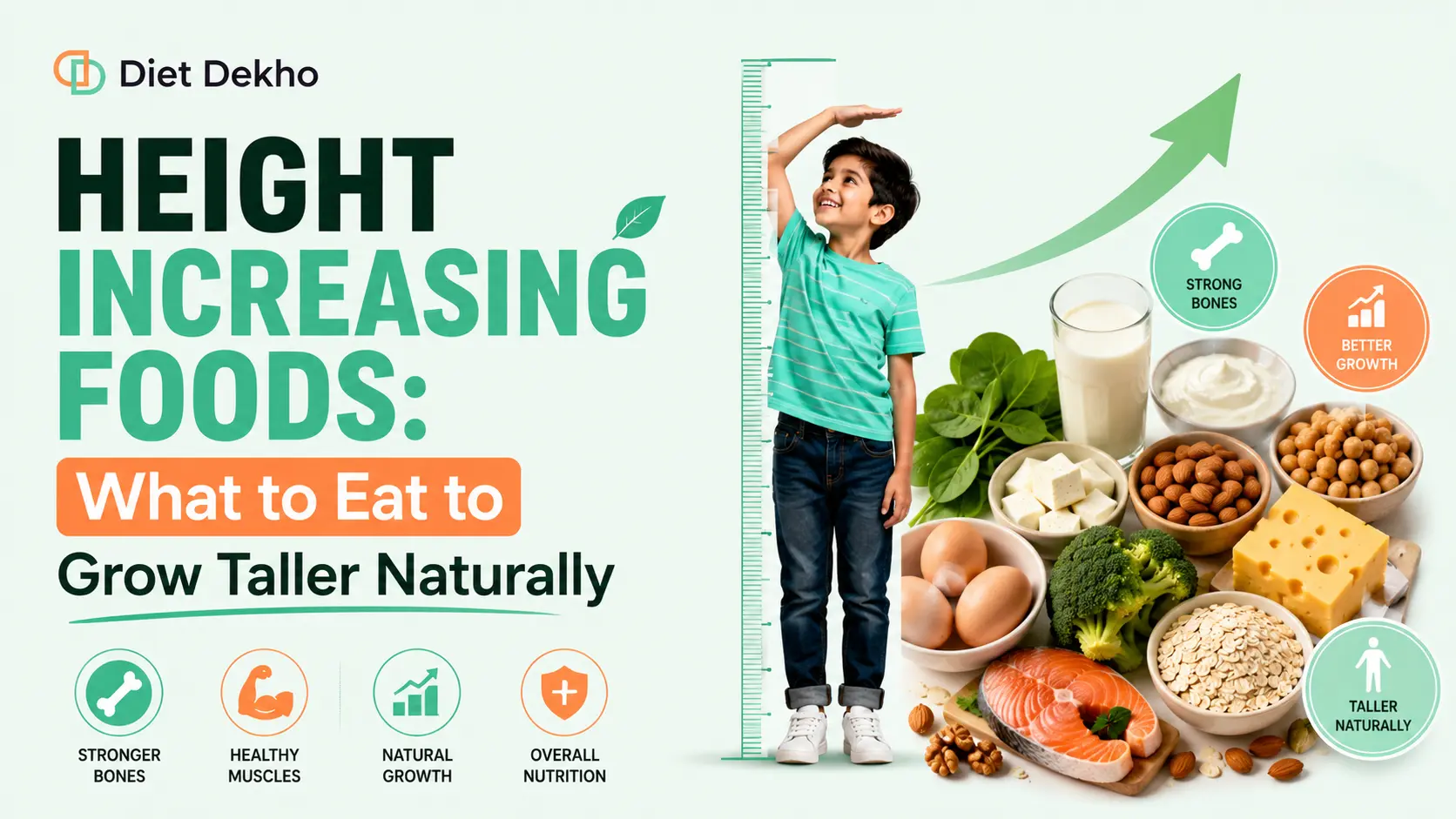
Every single week at our Dehradun clinic, I meet parents who worry about their child’s growth. They often ask if there is a magic height increase food that can make their children taller. While genetics plays a major role, nutrition is the primary tool we have to maximize their growth potential.
A balanced diet rich in high-quality protein, calcium, and vitamin D supports optimal skeletal development. Consuming nutrient-dense foods before the growth plates fuse in late adolescence ensures that individuals reach their full genetic height potential. No single food can work miracles, but a consistent dietary pattern provides the foundation.
The Biology of Growth: How Your Body Elongates Bones
Genetics versus Environmental Influences
Let’s look at the actual science behind physical growth first. Honestly, your genes do determine a massive portion of your final adult height. As discussed by researchers at Harvard Health Publishing, your height is largely determined by your parents’ height and the quality of your diet while growing.
However, this does not mean that you are completely powerless over the outcome. The environment in which a child grows up acts as a vital switch. If a child does not receive proper nutrition, they cannot reach their potential.
For instance, a major global study showed that environmental factors play a massive role in growth. This is why addressing nutritional gaps during early years is so critical.

The Epiphyseal Plates and Hormonal Pathways
During childhood and adolescence, your bones are not completely solid. They contain soft areas near the ends called epiphyseal plates, or growth plates. In these cartilage areas, cells divide rapidly to create new bone tissue.
To drive this process, your pituitary gland must secrete growth hormone. This hormone stimulates another critical growth factor called insulin-like growth factor-1. Consequently, these growth factors build the physical framework of your skeleton.
Eventually, these growth plates harden and fuse completely near the end of puberty. At this stage, natural vertical bone growth stops entirely. Therefore, we must focus all our efforts on the window of time before fusion.

Core Minerals and Vitamins for Bone Development
Calcium and Vitamin D Partnerships
When clients visit me at DietDekho.com, they often ask about calcium supplements first. However, I always tell them that real food is the safest way to build strong bones. Calcium provides the essential physical density that your growing skeleton needs.
Nevertheless, calcium cannot do its job alone in the human body. You need vitamin D to act as the gatekeeper for absorption. Without vitamin D, your intestines cannot absorb the calcium from your food.
To put this into perspective, think of calcium as the bricks and vitamin D as the mortar. If you lack either, your structural growth will suffer. Good sources of vitamin D include egg yolks, fatty fish, and safe exposure to morning sunlight.
Micronutrients Supporting Skeletal Synthesis
Besides the popular duo of calcium and vitamin D, other minerals deserve our attention. Magnesium helps convert vitamin D into its active form within your blood. Zinc supports cell division and protein synthesis at the cellular level.
Additionally, iron is essential for delivering oxygen to developing tissues. A deficiency in these micro-elements can lead to growth deceleration over time.
For this reason, a highly restrictive diet is often counterproductive for growing kids. We must provide a broad spectrum of nutrients to keep the growth machinery running smoothly. Let’s make sure our children eat a colorful variety of seasonal foods every day.

Traditional Indian Grains as Growth Foods
Ragi as a High-Density Calcium Source
Let’s talk about a genuine superfood from our own traditional Indian kitchens. Finger millet, popularly known as ragi, is an absolute champion for growing children. According to data from the National Institutes of Health, childhood diet directly influences physical height development.
Honestly, raw ragi provides an astonishing 344 mg of calcium per 100g. This concentration is nearly three times higher than that of cow’s milk. To make this clear, milk contains only about 120mg of calcium per 100ml.
Therefore, a single serving of ragi can easily bridge your child’s daily calcium gaps. Furthermore, ragi contains essential sulfur-containing amino acids like methionine. Most common grains, such as wheat or polished rice, completely lack this amino acid.
Methionine plays a vital role in building skin, hair, and strong connective tissues. What this means for your daily routine is simple. Instead of feeding your child packaged cornflakes, try making a warm bowl of ragi porridge.
You can sweeten it naturally with a little jaggery and a pinch of cardamom.
To illustrate the nutritional superiority of ragi over other standard grains, the following table presents data from the Indian Food Composition Tables:
| Grain Type | Calcium (mg/100g) | Iron (mg/100g) | Dietary Fiber (g/100g) | Glycemic Index |
| Ragi (Finger Millet) | 344 | 3.9 | 11.2 | ~54 |
| Whole Wheat Flour | 41 | 4.9 | 1.9 | ~70 |
| White Rice | 10 | 0.7 | 0.2 | ~73 |
| Cow Milk (per 100ml) | 120 | 0.1 | 0.0 | Low |
Pulses and Legumes in Daily Meals
In our busy lives, it is easy to rely on quick bread or instant noodles. However, our traditional dals and legumes are absolute powerhouses of high-quality plant protein. Think of foods like chana, rajma, and moong dal as skeletal fuel.
They supply the essential amino acids your body needs to manufacture growth hormone. The thing is, plant proteins are best utilized when we combine them correctly. Pairing dal with rice or roti creates a complete protein profile.
This is why the classic Indian meal of dal-chawal is so nutritionally brilliant.

Evaluating Regional Stature and Indian Height Trends
Secular Trends in Adult Heights
Here is a piece of medical reality that we must address honestly. Globally, average adult heights have steadily increased over the past century. Unfortunately, India is currently experiencing a very different and worrying trend.
Data from the National Family Health Survey reveals a slight decline in average adult heights. Between the third and fourth rounds of the survey, the average height of Indian men fell. Specifically, young men aged 15 to 25 saw a decline of $1.10\text{ cm}$ on average.
Similarly, young women in the same age group experienced a decrease in their mean height. This decline is a biological report card of our changing national diet. It tells us that our children might not be getting enough quality nourishment.
Shifting Diets and Protein Deficits
Why is this physical decline happening despite our growing economy? The truth lies in what we are putting on our dinner plates. Traditional diets rich in coarse grains, local millets, and pulses have decreased.
Modern Indian diets are heavily loaded with polished rice, refined flour, and unhealthy fats. In fact, reports show that only a small portion of food budgets goes to protein. This dietary imbalance directly translates into compromised physical growth for the next generation.
To combat this, we must consciously reintroduce nutrient-dense traditional foods to our families.

Designing Daily Meals with Height Increase Food
Practical Indian Meal Structures
As a dietitian, I always suggest small, manageable changes for busy families. For instance, you can replace regular wheat roti with a mixed-flour roti. Mix equal parts of wheat, ragi, and jowar flour together.
At lunchtime, ensure your child gets a solid serving of curd or paneer. If your family eats eggs, a simple double-egg omelet is a fantastic afternoon snack.
In the evening, serve a glass of fresh chaach or warm milk instead of packaged juices. These small adjustments make a massive difference in daily nutrient density over several months.
For families seeking a deeper dive into childhood meal planning, reading our comprehensive [INTERNAL LINK: Pediatric Nutrition Guidelines for Indian Households] can offer further specialized support.
| Food Source | Primary Nutrient Contribution | Suggested Daily Serving | Best Preparation Method |
| Ragi Java | Calcium, Iron, Fiber | 1 glass (200ml) | Fermented and cooked with buttermilk |
| Cow Milk | Calcium, Vitamin D, Protein | 250 to 300 ml | Warm with a pinch of haldi |
| Whole Pulses | Plant Protein, Zinc, Magnesium | 85g (raw weight) | Sprouted or slow-cooked dal |
| Sesame Seeds | High-Density Calcium, Healthy Fats | 1 to 2 tablespoons | Roasted and added to ladoos or salads |
Supporting Lifestyles: Sleep and Physical Activity
However, nutrition is only one side of the coin. To activate these nutrients, your child’s body needs regular physical activity. Activities like basketball, swimming, or stretching poses help strengthen growing bones.
Physical movement also triggers the natural release of human growth hormone. Furthermore, the real magic of bone elongation happens while your child sleeps. Deep sleep is when the pituitary gland secretes growth hormone at its peak.
Therefore, ensure your teenagers get at least 8 to 10 hours of sleep. Turn off screens an hour before bedtime to promote deep, restorative rest. Trust me, a good sleep routine is just as important as a healthy plate.

Frequently Asked Questions
Can an individual grow taller naturally after the age of 18?
Once puberty ends and your growth plates fuse, you cannot increase your skeletal height. However, improving your daily posture and strengthening your core muscles can prevent spinal compression. This helps you stand straight and look taller.
What are the best growth foods to include in a child’s diet?
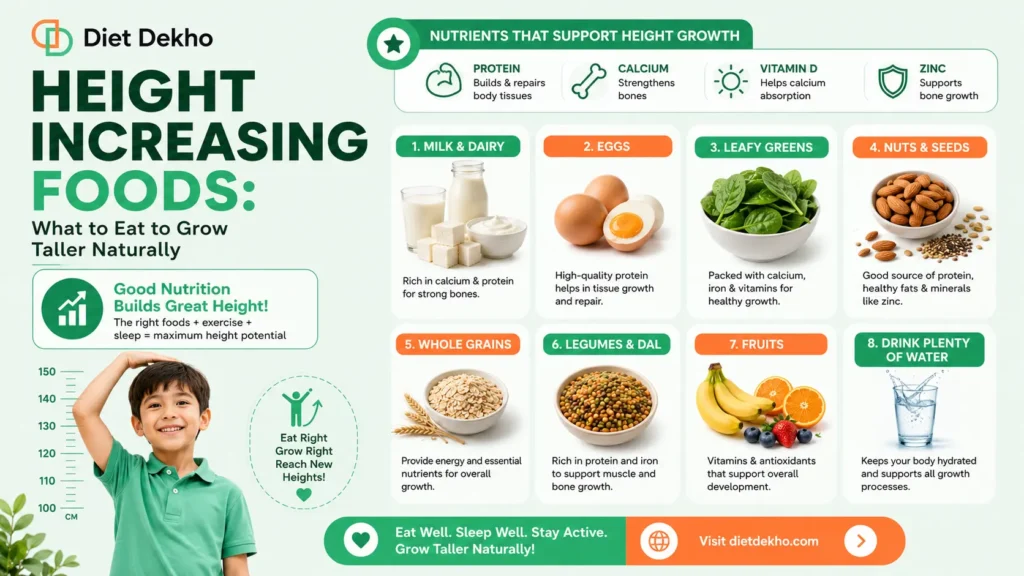
The most effective growth foods are those rich in high-quality protein, calcium, and vitamin D. Excellent choices include milk, paneer, ragi, eggs, and whole pulses. These foods provide the structural building blocks and hormones needed to support healthy bone development.
How does dietary calcium support healthy height health facts?
Sufficient dietary calcium ensures that your bones achieve optimal density and strength during key growth phases. Consuming calcium-rich foods like ragi and dairy prevents early bone loss and supports the elongation of long bones. It provides the physical foundation for healthy growth.
How can parents help teenagers grow taller naturally during puberty?
Parents can support healthy development by offering balanced meals filled with proteins and minerals. Encouraging active outdoor play and securing nine hours of deep sleep daily are also crucial. These habits naturally stimulate the release of growth hormones during puberty.
Final Thoughts: The Dietitian’s Warm Takeaway
I know how overwhelming it can be to navigate all the growth claims online today. The honest truth is that no single height increase food can override genetics or work instant miracles. However, providing a consistent diet rich in calcium, protein, and essential micronutrients gives your child the best possible chance to thrive.
Let’s focus on simple, home-cooked, traditional Indian meals that nourish the body from within. Every small change you make in their daily tiffin or breakfast counts.
If you feel confused or want a personalized nutrition plan, we are always here to help. Book a free consultation with our expert dietitians at DietDekho.com and get a plan made just for you.
Contact Us
We understand how overwhelming nutrition and weight loss information can feel. With so many opinions and confusing advice online, it’s easy to feel stuck or unsure about what to do next.
At Diet Dekho, you never have to figure it out alone. You can contact us anytime with any questions or concerns. Our expert dietitians are available 24/7 to guide, support, and help you stay on track. Whether your goal is weight loss or building healthier habits, we’re here to make the journey simpler and more sustainable for you.
Disclaimer
This blog is intended to help readers make healthier food choices. Your health should always be the top priority. Before starting any restrictive or special diet, especially if you have a medical condition or health concern, please consult a doctor or a qualified dietitian. Each body responds differently to food and lifestyle changes. Always choose what is safe and suitable for you.

Abhinav is the Founder of Diet Dekho, helping people manage weight and lifestyle health through simple, practical nutrition and personalized diet plans.